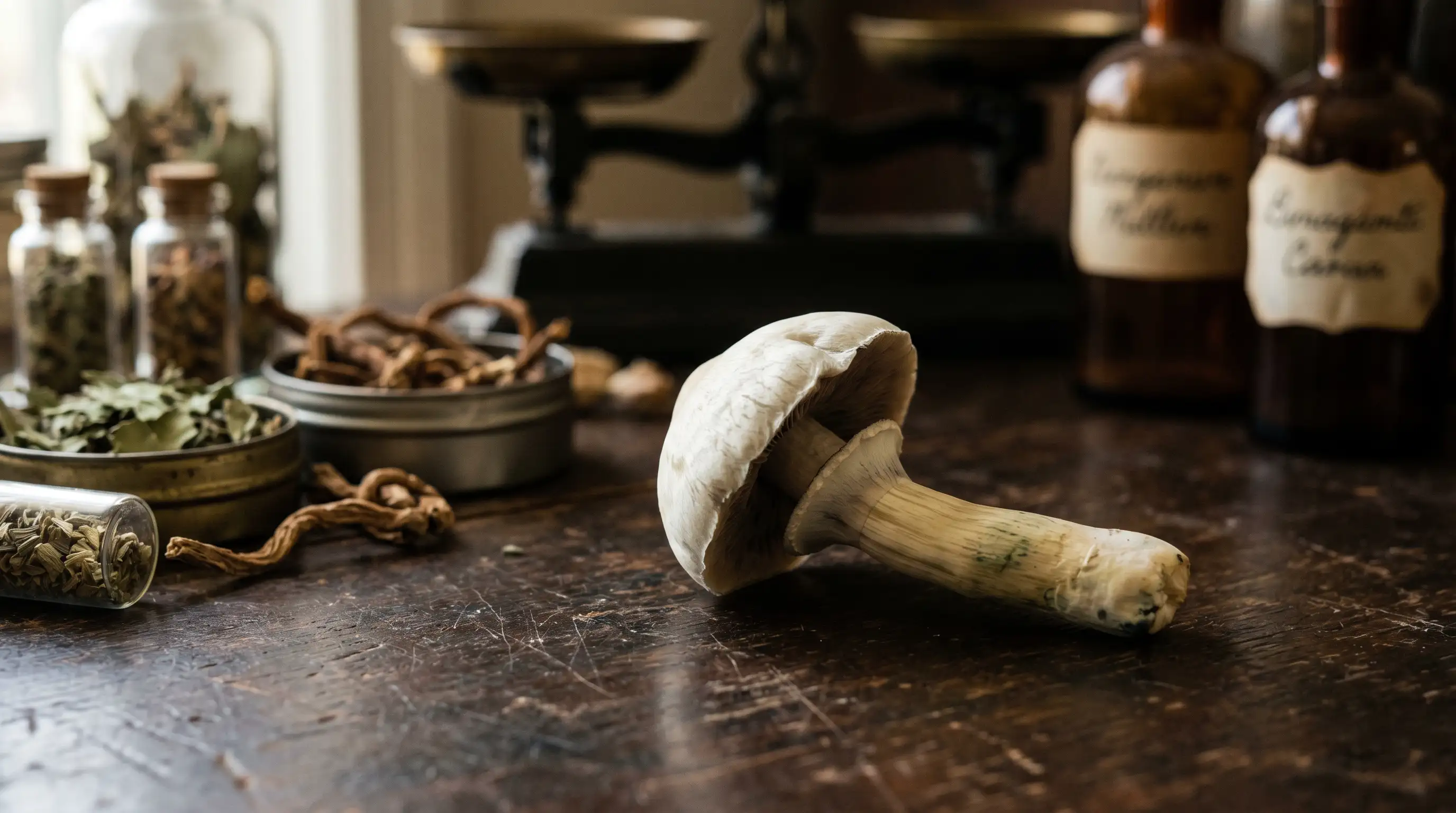
Psilocybe Cubensis Leucistic Costa Rican
Always start with a low dose and read our safety guidelines before use.
A leucistic variant of the Costa Rican strain, featuring pale coloration and Central American genetics. Produces euphoric, nature-connecting effects with enhanced sensory perception. Popular for its tropical origins and reliable cultivation characteristics in Dutch smartshop facilities.

Overview
Psilocybe Cubensis Leucistic Costa Rican represents a distinctive genetic variant of the widely recognized Psilocybe cubensis species, one of the most commonly cultivated and consumed psilocybin-containing mushrooms worldwide. The term "leucistic" refers to a partial loss of pigmentation that gives these mushrooms their characteristic pale, almost ghostly white appearance while retaining their dark spores. This particular strain originates from Costa Rica, where it was first discovered growing naturally in the tropical climate of Central America.
Like all Psilocybe cubensis varieties, the Leucistic Costa Rican contains the psychoactive compounds psilocybin and psilocin, which are responsible for their consciousness-altering effects. These compounds belong to the tryptamine family and have been used by humans for thousands of years for spiritual, therapeutic, and recreational purposes. The Leucistic Costa Rican strain is particularly notable for its robust growth characteristics and relatively consistent potency, making it popular among both cultivators and consumers.
People seek out this particular variety for various reasons, including its reported balanced psychoactive profile that tends to produce clear-headed, introspective experiences with moderate visual effects. Many users describe the experience as conducive to personal reflection, creative thinking, and emotional processing. The strain has gained recognition in contemporary psychedelic communities for its reliability and the quality of experiences it facilitates. In the Netherlands, where psilocybin-containing mushrooms exist in a complex legal landscape, understanding the specific characteristics of different strains like the Leucistic Costa Rican becomes crucial for informed decision-making and harm reduction practices.
How It Works
The psychoactive effects of Psilocybe Cubensis Leucistic Costa Rican stem from its primary active compounds: psilocybin and psilocin. When consumed, psilocybin acts as a prodrug, meaning it's converted into the active compound psilocin through dephosphorylation by alkaline phosphatase enzymes in the digestive system. This conversion process typically begins within 15-45 minutes of ingestion, depending on individual metabolism and stomach contents.
Psilocin's primary mechanism of action involves binding to serotonin receptors in the brain, particularly the 5-HT2A receptor subtype. This receptor is densely distributed throughout the cerebral cortex, especially in areas responsible for perception, cognition, and consciousness. When psilocin binds to these receptors, it triggers a cascade of neurochemical changes that fundamentally alter normal brain communication patterns. The compound acts as a partial agonist, meaning it activates these receptors but not to their maximum capacity, which contributes to the relatively manageable nature of psilocybin experiences compared to some other psychedelics.
Modern neuroimaging studies have revealed that psilocin significantly reduces activity in the brain's default mode network, a collection of brain regions active during rest and self-referential thinking. This reduction correlates with the dissolution of ego boundaries and the sense of interconnectedness commonly reported during psilocybin experiences. Simultaneously, psilocin increases communication between brain regions that don't typically interact extensively, leading to novel thought patterns, enhanced creativity, and altered perception.
The compound also influences other neurotransmitter systems, including dopamine and glutamate pathways, contributing to mood elevation and changes in sensory processing. The duration of psilocin's effects typically ranges from four to six hours, with peak effects occurring between one to three hours after onset. The brain's natural tolerance mechanisms mean that repeated use within short timeframes results in diminished effects, naturally limiting potential for compulsive use patterns.
What It Looks Like
Psilocybe Cubensis Leucistic Costa Rican mushrooms display distinctive visual characteristics that set them apart from other cubensis varieties. The most striking feature is their leucistic coloration, which manifests as an overall pale, cream-colored to white appearance across the entire fruiting body. Unlike true albino varieties, leucistic mushrooms retain some pigmentation and maintain their characteristic dark purple-black spores, creating a beautiful contrast against the pale caps and stems.
The caps typically range from 2-8 centimeters in diameter when fully mature, displaying a convex shape that may flatten with age. Fresh specimens often exhibit a slight golden or honey-colored tint, particularly around the cap margins, while dried mushrooms appear more uniformly pale cream or off-white. The gills underneath the cap start pale but darken to deep purple-black as spores mature, creating distinctive dark streaks when spores are released.
The stems are characteristically thick and sturdy, often displaying a slight blue bruising when handled or damaged, which indicates the presence of psilocin. This blue coloration, known as "bluing," serves as an important identification marker for psilocybin-containing mushrooms. The stems may also show remnants of a partial veil, appearing as a ring-like structure around the upper portion.
When purchasing from legitimate sources, these mushrooms are typically sold dried and may be whole or broken into pieces. Properly dried specimens should be crisp and snap cleanly, with no signs of moisture, mold, or unusual odors. The leucistic variety's pale coloration makes it particularly important to source from reputable suppliers, as the unusual appearance might make identification of quality issues more challenging for inexperienced users. Packaging should be professional, properly labeled, and include relevant safety information and dosage guidance.
What to Expect
The experience with Psilocybe Cubensis Leucistic Costa Rican typically unfolds in distinct phases, creating a journey that can vary significantly based on dosage, individual sensitivity, and environmental factors. The onset usually begins 20-60 minutes after consumption, initially manifesting as subtle changes in perception and mood. Users often report a gentle lifting sensation, increased awareness of their surroundings, and a growing sense of anticipation or excitement.
During the come-up phase, which lasts approximately 30-90 minutes, effects gradually intensify. Many people experience enhanced colors, with everyday objects appearing more vibrant and saturated. Patterns may begin to shift subtly, and there's often an increased appreciation for music and art. Emotional sensitivity typically heightens during this phase, with many users reporting feelings of euphoria, wonder, or occasionally some anxiety as they adjust to the altered state.
The peak experience, occurring roughly 1-3 hours after ingestion, represents the most intense portion of the journey. At moderate doses (1-2.5 grams dried), users commonly report enhanced introspection, creative thinking, and a sense of interconnectedness with their environment. Visual effects may include geometric patterns, color enhancement, and subtle morphing of surfaces. Many describe profound insights about personal relationships, life circumstances, or philosophical concepts.
At higher doses (2.5-4+ grams), the experience becomes more immersive and potentially challenging. Users may experience significant alterations in time perception, with minutes feeling like hours or vice versa. Visual hallucinations can become more pronounced, including complex geometric patterns, fractal imagery, or even entity encounters. The sense of self may become fluid or temporarily dissolve entirely, leading to experiences of unity consciousness or ego dissolution.
The plateau phase typically lasts 2-4 hours, during which effects remain relatively stable before gradually diminishing. The comedown is generally gentle, with users often reporting continued enhanced mood and introspective capacity for several hours after the primary effects subside. Many people describe the day following a psilocybin experience as having an "afterglow" effect, characterized by improved mood, increased empathy, and continued insights from the experience.
Preparation & Consumption
Proper preparation for a Psilocybe Cubensis Leucistic Costa Rican experience extends far beyond simply determining dosage, encompassing careful attention to set, setting, and personal readiness. The concept of "set" refers to one's mental and emotional state, while "setting" describes the physical and social environment. Both factors profoundly influence the nature and quality of the psychedelic experience.
Mental preparation should begin days before the intended experience. Users should honestly assess their current emotional state, stress levels, and any ongoing personal challenges. Psilocybin tends to amplify existing emotions and bring subconscious material to the surface, making it inadvisable to proceed when dealing with acute grief, severe depression, or high stress. Establishing clear intentions for the experience, whether focused on personal growth, creative exploration, or simply recreational enjoyment, helps provide structure and meaning to the journey.
The physical setting should be comfortable, safe, and free from potential interruptions. Many experienced users prefer familiar environments like their home, particularly for higher doses. The space should be clean, well-ventilated, and equipped with comfortable seating or lying areas. Having access to both indoor and outdoor spaces can be beneficial, as preferences may shift during the experience. Removing or securing potentially hazardous items and ensuring privacy helps create a secure container for the experience.
Regarding consumption methods, dried Psilocybe Cubensis Leucistic Costa Rican mushrooms can be eaten directly, though many find the taste unpalatable. Popular preparation methods include grinding the mushrooms into powder and mixing with food or beverages, making tea by steeping in hot water for 10-15 minutes, or incorporating into chocolate or honey. Tea preparation may reduce nausea and create a slightly faster onset, while eating whole mushrooms typically provides longer-lasting effects.
Dosage guidelines for dried mushrooms generally range from 0.5-1 gram for microdoses, 1-2.5 grams for moderate experiences, and 2.5-4+ grams for stronger journeys. However, potency can vary significantly between batches and individual mushrooms, making it crucial to start with lower doses when trying a new batch. The "start low, go slow" approach allows users to gauge their sensitivity and the particular potency of their material.
Safety First
Safety considerations for Psilocybe Cubensis Leucistic Costa Rican use encompass multiple domains, from immediate physical safety to long-term psychological well-being. Understanding contraindications represents the first line of harm reduction. Individuals with personal or family histories of psychotic disorders, bipolar disorder, or severe mental health conditions should avoid psilocybin use, as it may trigger or exacerbate these conditions. Similarly, those taking certain medications, particularly MAOIs, SSRIs, or antipsychotic medications, should consult healthcare providers before considering use, as interactions can be unpredictable and potentially dangerous.
Cardiovascular considerations are also important, though psilocybin generally has a favorable safety profile regarding heart health. However, individuals with serious heart conditions should exercise caution, as the experience can be emotionally and physically intense. The compound can cause modest increases in heart rate and blood pressure, particularly during peak effects.
The importance of having a trusted, sober trip-sitter cannot be overstated, especially for inexperienced users or those taking higher doses. This person should be familiar with psychedelic experiences, remain completely sober throughout the session, and be prepared to provide reassurance and practical support if needed. They should know basic harm reduction principles, including when to seek medical attention and how to help someone through a difficult experience.
Testing substances before consumption has become increasingly important as the market for psychedelics expands. While Psilocybe Cubensis Leucistic Costa Rican from reputable sources is generally what it claims to be, contamination or misidentification can occur. Reagent testing kits can help verify the presence of psilocybin and rule out dangerous adulterants. Additionally, purchasing from established, reputable sources significantly reduces risks associated with contaminated or mislabeled products.
Environmental safety measures include removing access to vehicles, securing potentially dangerous items, and ensuring the experience occurs in a controlled setting. Users should avoid combining psilocybin with alcohol or other substances, as this increases unpredictability and potential risks. Having emergency contact information readily available and informing trusted individuals about the planned experience creates additional safety nets.
Psychological safety involves honest self-assessment and preparation for potentially challenging material to emerge during the experience. Having coping strategies prepared, such as breathing techniques or grounding exercises, can help navigate difficult moments. Understanding that challenging experiences often contain valuable insights and that the effects are temporary helps maintain perspective during intense moments.
History & Cultural Context
The history of Psilocybe cubensis spans millennia, with archaeological evidence suggesting that psilocybin-containing mushrooms have been used by human cultures for at least 6,000 years. Ancient rock art in Algeria and Spain depicts mushroom-like figures in apparent ritual contexts, while Mesoamerican cultures, particularly the Aztecs and Maya, incorporated these fungi into their spiritual and healing practices. The Aztecs referred to psilocybin mushrooms as "teonanácatl," meaning "flesh of the gods," highlighting their sacred status in pre-Columbian society.
The specific Leucistic Costa Rican variety represents a more recent discovery within this ancient lineage. Costa Rica's tropical climate and rich biodiversity have long supported various psilocybin-containing species, but the leucistic variant was likely first identified and isolated by modern mycologists and cultivators in the late 20th century. The development of controlled cultivation techniques allowed for the preservation and propagation of this unique genetic expression.
The modern Western rediscovery of psilocybin mushrooms began in the 1950s when R. Gordon Wasson, a banker and amateur mycologist, participated in a traditional Mazatec mushroom ceremony in Mexico. His 1957 Life magazine article "Seeking the Magic Mushroom" introduced psilocybin to mainstream Western consciousness, sparking scientific interest and cultural fascination. This led to the isolation and synthesis of psilocybin by Albert Hofmann in 1958, the same chemist who first synthesized LSD.
The 1960s saw extensive research into psilocybin's therapeutic potential, with studies conducted at Harvard University by Timothy Leary and Richard Alpert (later Ram Dass), among others. However, the association of psychedelics with counterculture movements led to their prohibition in most countries by the early 1970s, effectively ending legal research for several decades.
The contemporary renaissance in psychedelic research, beginning in the 1990s and accelerating in the 2000s, has renewed scientific and public interest in psilocybin. Organizations like the Multidisciplinary Association for Psychedelic Studies (MAPS) and the Heffter Research Institute have funded rigorous clinical trials demonstrating psilocybin's efficacy for treating depression, PTSD, addiction, and end-of-life anxiety. This research has contributed to changing public perceptions and policy discussions worldwide.
In the Netherlands, the legal status of psilocybin mushrooms has evolved significantly. While fresh psilocybin mushrooms were legal until 2008, they were subsequently prohibited following several high-profile incidents. However, psilocybin truffles (sclerotia) remain legal, creating a unique situation where related but distinct psilocybin-containing fungi are available through licensed smart shops.
Emergency Guidance
Recognizing and responding appropriately to challenging experiences or emergencies during psilocybin use requires understanding both psychological and physical warning signs. Most difficulties with Psilocybe Cubensis Leucistic Costa Rican are psychological rather than medical emergencies, but knowing how to distinguish between the two and respond appropriately can prevent escalation and ensure appropriate care.
Psychological challenges during psilocybin experiences often manifest as intense anxiety, panic, paranoia, or overwhelming emotional content. The person may become agitated, express fears about losing their mind permanently, or become fixated on disturbing thoughts or perceptions. In these situations, the primary goal is providing reassurance and creating a calm, supportive environment. Remind the individual that they have taken a substance, that the effects are temporary, and that they are safe. Encourage slow, deep breathing and guide them to a comfortable, quiet space away from stimulating environments.
Physical warning signs that may indicate a medical emergency include severe hyperthermia, persistent vomiting leading to dehydration, chest pain, difficulty breathing, or loss of consciousness. While rare with psilocybin alone, these symptoms warrant immediate medical attention. Additionally, if someone becomes physically aggressive or poses a danger to themselves or others, professional intervention may be necessary.
When calling emergency services, be honest about substance use while focusing on immediate symptoms and safety concerns. In the Netherlands, medical professionals are bound by patient confidentiality and are primarily concerned with providing appropriate care rather than legal consequences. Provide clear information about what was consumed, when, and in what quantity, as this helps medical professionals provide appropriate treatment.
For psychological support during difficult experiences, several techniques can be helpful. The "TRIP" model provides a useful framework: Talk them through the experience with reassurance, Relax by encouraging deep breathing and muscle relaxation, Isolate them from overstimulating environments, and Provide a safe, comfortable space. Avoid trying to "talk them down" or convince them their perceptions aren't real, as this can increase anxiety. Instead, acknowledge their experience while providing gentle reality anchoring.
Having emergency contact information readily available, including local emergency services, poison control, and trusted friends or family members, ensures quick access to appropriate help. Preparing these resources before the experience begins, when thinking is clear and rational, prevents confusion during potentially stressful situations.
Legal Status in NL
Legal (as truffles/sclerotia)
Available in 160 shops across 61 cities. Most shops in Amsterdam (28), Rotterdam (13), Groningen (9).
Dosage Guide
Experience Timeline
Effect Profile
Positive Effects
Side Effects
Safety & Harm Reduction
Harm Reduction Tips
- Start with low doses (0.5-1g dried) to assess individual sensitivity
- Use a trip sitter - someone sober to provide support and safety
- Prepare set and setting carefully - comfortable environment with trusted people
- Fast for 2-4 hours before consumption to reduce nausea
- Have emergency contacts readily available including crisis hotlines
- Avoid driving or operating machinery for at least 8 hours after use
- Stay hydrated but avoid excessive water consumption
- Keep benzodiazepines available as trip killers if needed
- Test substance with reagent kits to verify identity and purity
- Avoid use if you have personal or family history of psychotic disorders
Emergency Information
If experiencing severe anxiety or panic, move to a calm, safe environment with trusted people and focus on breathing exercises. Remember that effects are temporary and will pass within 6-8 hours. Seek medical attention for persistent high heart rate, hyperthermia, or if the person becomes a danger to themselves or others.
Interactions
MAOIsDangerous
LithiumDangerous
TramadolDangerous
SSRIs/SNRIsCaution
AlcoholCaution
CannabisCaution
StimulantsCaution
BenzodiazepinesSafe
Experience Levels
As a first-time user of Psilocybe Cubensis Leucistic Costa Rican, expect a gentle yet profound introduction to psilocybin consciousness. The leucistic genetics of this Costa Rican strain typically provide a warm, euphoric onset that feels welcoming rather than overwhelming. You'll likely notice enhanced colors and patterns, with nature appearing more vibrant and alive. Emotional insights may emerge naturally, often accompanied by feelings of interconnectedness and wonder. The Central American genetics contribute to a grounded, earthy quality that many find comforting. Physical sensations include mild body euphoria and possible slight nausea during onset. Time perception will shift, with minutes feeling like hours during peak effects. This strain's reliable characteristics mean fewer surprises, making it ideal for building confidence with psilocybin. Keep expectations open but realistic - profound experiences can occur even at lower doses. The leucistic variety maintains classic cubensis effects while offering its own subtle character. Remember that set and setting dramatically influence your experience, so maintain a positive mindset and safe environment throughout your 4-6 hour journey.
Frequently Asked Questions
Is Psilocybe Cubensis Leucistic Costa Rican legal in the Netherlands?▾
Yes, psilocybin-containing truffles (sclerotia) are legal in the Netherlands, including those from Psilocybe Cubensis strains. However, fresh or dried mushrooms containing psilocybin are illegal. Only purchase from licensed Dutch smartshops to ensure you're getting legal sclerotia products.
What dosage should I start with as a beginner?▾
For first-time users, start with 5-10 grams of fresh truffles (equivalent to 1-2 grams dried). This provides a mild introduction to the effects. Always start low and wait at least 2 hours before considering taking more, as onset can be gradual and effects can intensify unexpectedly.
How long do the effects last?▾
The effects typically last 4-6 hours total. You'll usually feel the onset within 30-90 minutes, peak effects occur around 2-3 hours, and gradual comedown follows. Plan for a full day without responsibilities, as you may feel tired or emotionally sensitive for several hours after the main effects subside.
What should I expect from the experience?▾
This Costa Rican strain is known for euphoric, nature-connecting effects with enhanced sensory perception. You may experience visual distortions, altered time perception, emotional insights, and a sense of interconnectedness. The leucistic variety maintains these classic psilocybin effects while offering the reliable characteristics of Central American genetics.
Are there any dangerous drug interactions?▾
Avoid combining with MAOIs, SSRIs, or other psychiatric medications as this can be dangerous. Alcohol and stimulants should also be avoided as they can increase risks and unpredictability. If you take any prescription medications, especially antidepressants, consult a healthcare provider before use.
Where can I legally buy this in the Netherlands?▾
Purchase only from licensed Dutch smartshops, both physical stores and reputable online retailers within the Netherlands. These establishments are regulated and provide quality-controlled products. Avoid street dealers or unverified sources, as product quality and legality cannot be guaranteed.
Can I travel with psilocybin truffles?▾
No, do not travel internationally with psilocybin truffles as they are illegal in most countries outside the Netherlands. Even within the EU, possession can result in serious legal consequences. Consume only within the Netherlands and dispose of any remaining product before traveling.
What safety precautions should I take?▾
Always have a sober trip sitter present, especially for first-time use. Choose a safe, comfortable environment where you won't be disturbed. Remove any potential hazards from your space and avoid driving or operating machinery for at least 12 hours after use.
How does this compare to regular psilocybin truffles?▾
The Leucistic Costa Rican variety offers similar psilocybin effects to other truffle strains but may have slightly different potency and character. The leucistic genetics can affect alkaloid profiles, potentially offering a unique experience while maintaining the reliable cultivation characteristics that make it popular in Dutch smartshops.
What should I do if I have a bad trip?▾
Stay calm and remember the effects are temporary. Move to a comfortable, safe space with your trip sitter. Focus on breathing, listen to calming music, or change your environment. If severe anxiety persists, contact emergency services - medical professionals can help without legal consequences in the Netherlands.
How often can I safely use psilocybin?▾
Tolerance develops quickly with psilocybin, so wait at least 1-2 weeks between uses for full effects. More importantly, frequent use can lead to psychological dependence and diminished benefits. Most experts recommend monthly use at most, with many suggesting longer intervals for integration and mental health.
Who should avoid using this substance?▾
Avoid if you have a personal or family history of psychosis, schizophrenia, or bipolar disorder. Pregnant or breastfeeding women should not use psilocybin. Those under 18, people with severe mental health conditions, or anyone taking psychiatric medications should also avoid use.
How should I prepare for my first experience?▾
Fast for 4-6 hours beforehand to improve absorption and reduce nausea. Set aside 8+ hours in a safe, comfortable environment with a trusted sober friend. Prepare calming music, water, and light snacks. Clear your schedule for the following day as you may need recovery time.
What's the difference between fresh and dried truffles?▾
Fresh truffles contain about 85% water, so you need more by weight (10-15g fresh = 2-3g dried approximately). Fresh truffles may have better flavor and are easier on the stomach, while dried products have longer shelf life. Both are legal in the Netherlands when sold as sclerotia.
Can I microdose with this strain?▾
Yes, microdosing involves taking sub-perceptual amounts (0.1-0.3g dried equivalent) every 2-3 days. This strain's reliable characteristics make it suitable for microdosing protocols. However, start even lower than typical microdoses to assess your sensitivity to this particular variety.
How It Compares — Psilocybe Cubensis Leucistic Costa Rican
| Dimension | Psilocybe Cubensis Leucistic Costa Rican | Psilocybin Truffles | Salvia Divinorum | LSA (Morning Glory Seeds) |
|---|---|---|---|---|
| Intensity | Moderate (6-7/10) | Moderate (7/10) | Very High (9/10) | Moderate (6/10) |
| Duration | 4-6 hours | 4-6 hours | 5-30 minutes | 6-10 hours |
| Onset Time | 30-90 minutes | 30-60 minutes | 30 seconds (smoked) | 1-2 hours |
| Legal Status NL | Legal | Legal | Legal | Legal |
| Risk Profile | Low-Moderate | Low-Moderate | Moderate-High | — |
| Best For | Nature connection, euphoria | General psychedelic exploration | Brief intense experiences | Long introspective journeys |
| Availability | Specialized smartshops | Widely available | — | — |
Related Searches
References
- Carhart-Harris RL, Bolstridge M, Rucker J, Day CM, Erritzoe D, Kaelen M, Bloomfield M, Rickard JA, Forbes B, Feilding A, Taylor D, Pilling S, Curran VH, Nutt DJ. Psilocybin with psychological support for treatment-resistant depression: an open-label feasibility study · The Lancet Psychiatry · 2016doi:10.1016/S2215-0366(16)30065-7
- Griffiths RR, Johnson MW, Carducci MA, Umbricht A, Richards WA, Richards BD, Cosimano MP, Klinedinst MA. Psilocybin produces substantial and sustained decreases in depression and anxiety in patients with life-threatening cancer: A randomized double-blind trial · Journal of Psychopharmacology · 2016doi:10.1177/0269881116675513
- Carhart-Harris RL, Erritzoe D, Williams T, Stone JM, Reed LJ, Colasanti A, Tyacke RJ, Leech R, Malizia AL, Murphy K, Hobden P, Evans J, Feilding A, Wise RG, Nutt DJ. Neural correlates of the psychedelic state as determined by fMRI studies with psilocybin · Proceedings of the National Academy of Sciences · 2012doi:10.1073/pnas.1119598109
- Johnson MW, Garcia-Romeu A, Cosimano MP, Griffiths RR. Psilocybin therapy for cocaine addiction · Journal of Psychopharmacology · 2014doi:10.1177/0269881114548296
- Nichols DE. The therapeutic potential of psilocybin · Neurotherapeutics · 2016doi:10.1007/s13311-015-0421-4
- Vollenweider FX, Vollenweider-Scherpenhuyzen MF, Bäbler A, Vogel H, Hell D. Psilocybin induces schizophrenia-like psychosis in humans via a serotonin-2 agonist action · NeuroReport · 1998doi:10.1097/00001756-199812010-00024
- Bogenschutz MP, Forcehimes AA, Pommy JA, Wilcox CE, Barbosa PC, Strassman RJ. Psilocybin-assisted treatment for alcohol dependence: a proof-of-concept study · Journal of Psychopharmacology · 2015doi:10.1177/0269881114565144
- Nichols DE, Johnson MW, Nichols CD. Classic psychedelics: An integrative review of epidemiology, therapeutics, mystical experience, and brain network function · Pharmacology & Therapeutics · 2017doi:10.1016/j.pharmthera.2017.01.006
Disclaimer: This information is for educational purposes only and does not constitute medical advice. Always consult a qualified healthcare professional before using any substance. If you experience adverse effects, contact your doctor or call 112 (Netherlands emergency).