LSA (Morning Glory Seeds)
Always start with a low dose and read our safety guidelines before use.
Lysergic acid amide (LSA) is a naturally occurring psychedelic found in morning glory seeds (Ipomoea tricolor) and Hawaiian baby woodrose seeds (Argyreia nervosa). It produces LSD-like effects at a lower intensity, with more sedation and body load.

Overview
LSA (Lysergic Acid Amide), also known as ergine, is a naturally occurring psychedelic compound found in the seeds of several plant species, most notably morning glory (Ipomoea species) and Hawaiian baby woodrose (Argyreia nervosa). As a close chemical relative of LSD (Lysergic Acid Diethylamide), LSA produces similar but generally milder psychedelic effects, making it one of the most accessible naturally occurring hallucinogens in many parts of the world.
The compound belongs to the ergot alkaloid family and has been used for centuries in traditional spiritual and healing practices, particularly in Central and South America. Unlike synthetic psychedelics, LSA-containing seeds can often be legally purchased as ornamental plants or for gardening purposes, though their psychoactive use exists in a legal gray area in many jurisdictions, including the Netherlands.
People seek out LSA experiences for various reasons, including spiritual exploration, consciousness expansion, creative inspiration, and personal introspection. The experience is often described as more introspective and less visually intense than LSD, with users reporting profound insights, enhanced emotional awareness, and a sense of connection to nature and the universe. Some individuals use LSA as a stepping stone to understand psychedelic experiences before exploring more potent substances.
The appeal of LSA also lies in its natural origin, which some users find more appealing than synthetic alternatives. However, this natural status should not be mistaken for inherent safety, as LSA can produce intense psychological effects and carries its own set of risks and considerations. The seeds containing LSA often come with additional alkaloids that can cause significant physical discomfort, particularly nausea and vasoconstriction, making proper preparation and harm reduction practices essential for anyone considering their use.
How It Works
LSA exerts its psychoactive effects primarily through its interaction with the brain's serotonin system, specifically as a partial agonist at the 5-HT2A receptor. This receptor is crucial for mood regulation, perception, and consciousness, and its activation by LSA leads to the characteristic alterations in thought patterns, sensory perception, and emotional states associated with psychedelic experiences. The compound's structural similarity to serotonin allows it to bind to these receptors and trigger cascading neurochemical changes throughout the brain.
When LSA binds to 5-HT2A receptors, particularly those located in the prefrontal cortex and visual processing areas, it disrupts normal neural communication patterns. This disruption leads to increased neural connectivity between brain regions that don't typically communicate extensively, a phenomenon known as increased neural entropy. This enhanced cross-talk between different brain networks is thought to underlie many of the subjective effects of psychedelics, including synesthesia, novel thought patterns, and the dissolution of ego boundaries.
The compound also interacts with other serotonin receptor subtypes, including 5-HT1A and 5-HT2C receptors, which contribute to its overall psychoactive profile. Additionally, LSA has some affinity for dopamine receptors, which may contribute to its effects on mood and motivation. The interaction with these various neurotransmitter systems creates a complex pharmacological profile that differs from LSD despite their structural similarities.
LSA's metabolism occurs primarily in the liver, where it's broken down into various metabolites. The compound's relatively short half-life compared to LSD means that effects typically last 6-10 hours rather than the 8-12 hours commonly associated with LSD. The onset of effects usually occurs within 30-90 minutes of ingestion, depending on the preparation method and individual metabolism. The compound's bioavailability can be significantly affected by stomach acidity and the presence of food, which is why many users employ specific preparation techniques to enhance absorption and reduce gastrointestinal discomfort.
What It Looks Like
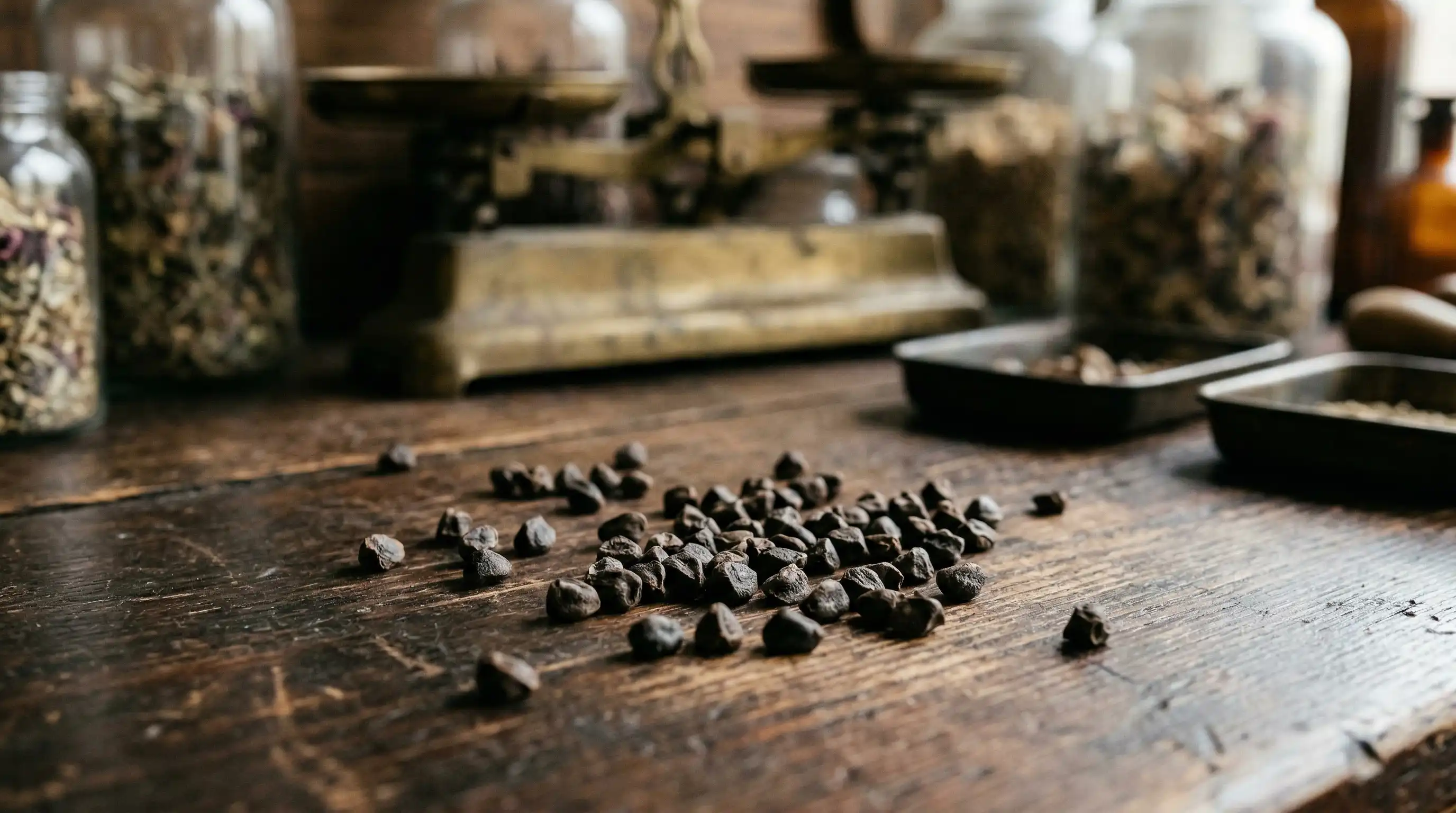
Morning glory seeds are small, typically measuring 3-5 millimeters in diameter, with a distinctive triangular or angular shape. Fresh, viable seeds usually display a dark brown to black coloration with a hard, glossy exterior shell. The seeds often have subtle ridges or markings on their surface and may appear slightly flattened on one side. When examining morning glory seeds, look for uniformity in size and color, as this often indicates fresher, more potent material.
Hawaiian baby woodrose seeds are considerably larger, measuring 4-6 millimeters in diameter, and are more spherical in shape. These seeds typically have a lighter brown color with a fuzzy, felt-like coating that can be removed to reveal a smoother, darker seed underneath. The fuzzy coating often contains additional alkaloids that can contribute to nausea, which is why many users choose to remove it before consumption.
Both types of seeds are commonly sold in small packets or containers, often marketed for ornamental gardening purposes. Legitimate vendors typically provide seeds in clear packaging with botanical names and growing instructions. However, the quality and potency can vary significantly between suppliers and batches. Fresh seeds should feel firm and heavy for their size, while old or degraded seeds may appear lighter in color, feel hollow, or show signs of insect damage.
Be particularly cautious of seeds that have been treated with fungicides, pesticides, or other chemicals for commercial gardening purposes. These treatments are often indicated by unusual colorations, coatings, or chemical odors. Some suppliers specifically market "untreated" seeds for consumption purposes, though this doesn't guarantee their safety or potency. Additionally, some vendors may sell seeds that have been deliberately adulterated or are from plant varieties with lower LSA content, making source verification crucial for both safety and efficacy.
What to Expect
The LSA experience typically unfolds in distinct phases, beginning with an onset period that can last 30-90 minutes after ingestion. During this initial phase, users often report mild nausea, slight changes in perception, and a growing sense of anticipation. Physical sensations may include slight tingling, changes in body temperature perception, and increased sensitivity to light and sound. The gastrointestinal discomfort during onset is often more pronounced with LSA than with synthetic psychedelics due to the presence of other alkaloids in the seeds.
As the experience develops into its peak phase, usually 2-4 hours after ingestion, users typically encounter the most intense psychological and perceptual effects. Visual alterations are common but generally less pronounced than with LSD, often manifesting as enhanced colors, subtle geometric patterns, and breathing or flowing movements in stationary objects. Many users describe the visual component as more "organic" or "natural" feeling compared to synthetic psychedelics. Closed-eye visuals may include intricate patterns, landscapes, or symbolic imagery that often feels deeply meaningful to the individual.
The psychological effects during peak experience frequently include profound introspection, enhanced emotional sensitivity, and altered thought patterns. Many users report experiencing insights about personal relationships, life direction, or philosophical questions. The ego dissolution characteristic of psychedelics may occur, though it's typically less intense than with higher doses of LSD or psilocybin. Time perception becomes significantly altered, with minutes feeling like hours or vice versa. Some users describe feeling deeply connected to nature, the universe, or a sense of universal consciousness.
The experience gradually transitions into a plateau phase lasting several hours, during which effects remain present but less intense. Users often find this period conducive to creative activities, meaningful conversations, or quiet contemplation. Physical effects may include pupil dilation, slight increases in heart rate and blood pressure, and continued sensitivity to temperature changes. As the experience winds down over 6-10 hours total, users typically report feeling emotionally drained but often with a sense of having gained valuable insights or perspectives. The integration period following an LSA experience can last days or weeks, during which individuals process and incorporate their insights into daily life.
Preparation & Consumption
The most common method of LSA consumption involves ingesting the seeds directly, though various preparation techniques can enhance the experience and reduce unwanted side effects. Simple ingestion involves chewing the seeds thoroughly to break down the hard outer shell and improve absorption, though this method often results in significant nausea due to the presence of other alkaloids and plant materials. Many users find that consuming the seeds on an empty stomach, while potentially increasing nausea initially, leads to more predictable onset times and effects.
Cold water extraction represents a popular preparation method that can reduce some of the gastrointestinal discomfort while concentrating the LSA content. This process involves grinding the seeds into a fine powder, soaking them in distilled water for several hours or overnight, then straining out the plant material. Some users add a small amount of lemon juice to the water, believing the acidity helps extract the LSA more effectively. The resulting liquid can be consumed directly or further concentrated through evaporation, though this process may also concentrate other alkaloids that contribute to side effects.
Dosing with LSA-containing seeds requires careful consideration due to the natural variation in alkaloid content between individual seeds and batches. For morning glory seeds, a typical starting dose ranges from 50-100 seeds, with experienced users sometimes consuming 200-400 seeds for stronger effects. Hawaiian baby woodrose seeds are significantly more potent, with 1-3 seeds representing a threshold dose and 4-8 seeds providing a full psychedelic experience. These dosing guidelines should be approached with extreme caution, as individual sensitivity varies dramatically, and the potency of natural materials can be unpredictable.
Set and setting considerations are crucial for LSA experiences, as with all psychedelics. The physical setting should be safe, comfortable, and free from potential hazards, as coordination and judgment may be impaired. Having a trusted, sober trip sitter present is highly recommended, especially for inexperienced users or higher doses. The psychological set, including current mental state, expectations, and recent life events, significantly influences the experience's character. Users should avoid LSA if experiencing depression, anxiety, or major life stressors, as these can be amplified during the experience.
Safety First
LSA carries several important safety considerations that users must understand before consumption. The compound can cause significant cardiovascular effects, including increased heart rate, elevated blood pressure, and vasoconstriction. Individuals with heart conditions, high blood pressure, or circulatory problems should avoid LSA entirely, as these effects can be dangerous or life-threatening. The vasoconstriction can be particularly uncomfortable, causing cold extremities, muscle tension, and in rare cases, more serious circulation issues.
Drug interactions present another critical safety concern. LSA should never be combined with monoamine oxidase inhibitors (MAOIs), including certain antidepressants, as this combination can lead to dangerous serotonin syndrome. Selective serotonin reuptake inhibitors (SSRIs) and other psychiatric medications may reduce LSA's effects or create unpredictable interactions. Users taking any prescription medications should consult with a healthcare provider before considering LSA use, though they should be aware that many medical professionals may not be familiar with this substance.
Psychological contraindications are equally important. Individuals with a personal or family history of psychotic disorders, bipolar disorder, or severe mental illness should avoid LSA, as psychedelics can potentially trigger or exacerbate these conditions. The intense introspective nature of the LSA experience can also be overwhelming for individuals dealing with trauma, grief, or severe anxiety. Pregnant and breastfeeding women should avoid LSA due to unknown effects on fetal development and potential ergot alkaloid toxicity.
The legal status of LSA-containing seeds varies by jurisdiction and can be complex. While the seeds themselves are often legal to purchase and possess for ornamental purposes, their preparation and consumption for psychoactive effects may violate drug laws. In the Netherlands, the legal landscape around these substances can be particularly nuanced, and users should research current regulations before obtaining or using these materials.
Quality control represents a significant challenge with natural psychedelics. Seeds may be treated with harmful chemicals, contaminated with pesticides, or adulterated with other substances. Some suppliers may sell seeds from plant varieties with little to no LSA content, while others may provide seeds that have degraded due to age or improper storage. Users should source seeds from reputable suppliers who specifically cater to ethnobotanical interests and can provide information about their products' origins and handling.
History & Cultural Context
The use of LSA-containing seeds for their psychoactive properties spans centuries, with the most well-documented traditional use occurring among indigenous peoples of Central and South America. The Zapotec people of Oaxaca, Mexico, have long used morning glory seeds, which they call "ololiuqui," in religious and healing ceremonies. Spanish colonial records from the 16th century describe these practices, often with disapproval from Catholic missionaries who viewed them as pagan rituals. The seeds were considered sacred, used by shamans and healers to communicate with spirits, divine the future, and treat various ailments.
Archaeological evidence suggests that the use of these seeds may date back over 3,000 years in Mesoamerica. The Aztecs also incorporated morning glory seeds into their religious practices, referring to them as "tlitliltzin" and considering them a gift from the gods. These traditional uses were typically highly ritualized, involving specific preparation methods, ceremonial contexts, and spiritual frameworks that provided structure and meaning to the psychedelic experience.
The modern Western discovery of LSA's psychoactive properties occurred in the 1930s when Swiss chemist Albert Hofmann, who would later synthesize LSD, first isolated and identified LSA from ergot fungi. However, it wasn't until the 1960s that researchers began investigating the psychoactive properties of LSA-containing seeds. This research coincided with the broader cultural interest in psychedelics during the counterculture movement, leading to increased recreational use of morning glory and Hawaiian baby woodrose seeds.
The 1960s and 1970s saw a surge in interest in natural psychedelics as part of the broader exploration of consciousness and alternative spirituality. Books like "The Teachings of Don Juan" by Carlos Castaneda, while controversial, helped popularize the use of various plant-based psychedelics, including LSA-containing seeds. This period also saw the development of various preparation techniques and dosing guidelines that continue to influence contemporary use.
The legal status of LSA-containing seeds has remained relatively stable compared to synthetic psychedelics, largely because they're often sold for legitimate gardening purposes. However, this accessibility has also led to concerns about uninformed use and potential health risks. The internet age has facilitated the sharing of information about these substances, leading to both better harm reduction resources and the spread of potentially dangerous misinformation.
Emergency Guidance
Recognizing a medical emergency during an LSA experience requires understanding both the typical effects of the substance and signs that indicate serious complications. Seek immediate medical attention if the user experiences severe chest pain, difficulty breathing, signs of stroke such as facial drooping or speech difficulties, seizures, or extremely high body temperature. Cardiovascular complications, while rare, can be serious due to LSA's effects on heart rate and blood circulation.
Psychological emergencies may manifest as extreme agitation, violent behavior, complete disconnection from reality lasting beyond the expected duration of effects, or expressions of serious self-harm or suicide. If someone becomes unresponsive, has difficulty breathing, or shows signs of severe dehydration, call emergency services immediately. When contacting emergency services, be honest about what substances have been consumed, as this information is crucial for proper medical treatment and is typically protected by medical confidentiality.
For less severe but concerning situations, such as intense anxiety, panic, or difficult psychological experiences, focus on providing calm, reassuring support. Move the person to a quiet, safe environment away from stimulating lights, sounds, or crowds. Speak in a calm, gentle voice and remind them that they have taken a substance and that the effects will pass. Avoid trying to convince them that their perceptions aren't real, as this can increase anxiety. Instead, acknowledge their experience while providing gentle reality anchoring.
Physical comfort measures can help manage difficult experiences. Ensure the person stays hydrated with small sips of water, maintain a comfortable room temperature, and provide soft lighting. Gentle, non-sexual physical contact like holding hands or a reassuring touch on the shoulder can be comforting, but always ask permission first. Playing calm, familiar music or engaging in simple breathing exercises can help reduce anxiety.
If the person has consumed a large amount of seeds or is experiencing severe nausea and vomiting, monitor for signs of dehydration such as dizziness, dry mouth, or decreased urination. While some nausea is normal with LSA, persistent vomiting that prevents keeping fluids down may require medical attention. Never leave someone experiencing a difficult psychedelic experience alone, and avoid giving them additional substances, including alcohol or other drugs, as these can create dangerous interactions or unpredictable effects.
Legal Status in NL
LSA-containing seeds are legal in the Netherlands and available in smartshops.
Available in 159 shops across 61 cities. Most shops in Amsterdam (28), Rotterdam (13), Groningen (9).
Dosage Guide
Experience Timeline
Effect Profile
Positive Effects
Side Effects
Safety & Harm Reduction
Warnings
- Significant nausea is common
- Do not combine with vasoconstrictors
- Avoid if pregnant
- Start with low doses
Harm Reduction Tips
- Use only untreated, organic seeds to avoid pesticides and chemicals
- Start with a low dose (50-100 seeds) to assess sensitivity
- Fast for 4-6 hours before consumption to reduce nausea
- Have ginger tea or anti-nausea medication available
- Use with a trusted sitter in a safe, comfortable environment
- Avoid driving or operating machinery for 12+ hours
- Stay hydrated but avoid excessive water intake
- Test seeds from new sources with small amounts first
- Be prepared for a long experience (8-12 hours total)
- Have benzodiazepines available for emergency anxiety relief
Contraindications
- —Pregnancy
- —Cardiovascular issues
- —Liver problems
Emergency Information
If experiencing severe anxiety or panic, move to a calm, safe environment with trusted friends. Seek immediate medical attention for persistent vomiting, severe abdominal pain, or signs of ergot poisoning (numbness, tingling, circulation problems).
Interactions
MAOIsDangerous
LithiumDangerous
TramadolDangerous
SSRIs/SNRIsCaution
AlcoholCaution
CannabisCaution
StimulantsCaution
Other psychedelicsCaution
Experience Levels
For newcomers to LSA, the experience typically begins with noticeable physical sensations and mild nausea within 1-2 hours. You'll likely feel a gentle shift in perception, with colors appearing more vivid and patterns seeming to move subtly. The mental effects include enhanced introspection and altered thought patterns, though generally less intense than other psychedelics. Physical sensations are prominent—you may feel heavy, sedated, or experience mild leg cramps due to vasoconstriction. The nausea usually subsides after the first few hours, replaced by a dreamy, contemplative state. Visual effects remain subtle compared to stronger psychedelics, focusing more on enhanced appreciation of textures and lighting. Emotional sensitivity increases, making music and nature particularly moving. The experience feels more grounded and earthy than synthetic alternatives. Expect to feel tired during and after the experience, as LSA has sedating properties. Many beginners find the experience manageable and less overwhelming than anticipated, though the body load can be surprising. The gradual onset allows time to adjust to changing perceptions, making it suitable for those cautious about stronger psychedelics.
Frequently Asked Questions
Is LSA from morning glory seeds legal in the Netherlands?▾
Yes, LSA and morning glory seeds are legal in the Netherlands. The seeds can be purchased and possessed without legal restrictions. However, always verify current regulations as laws can change.
What's the recommended dosage for first-time users?▾
For beginners, start with 2-3 Hawaiian baby woodrose seeds or 50-100 morning glory seeds. This provides a mild introduction to LSA's effects. Always start low as individual sensitivity varies significantly, and you can increase the dose in future sessions if needed.
How long does an LSA experience last?▾
LSA effects typically last 6-10 hours total. Onset occurs 1-2 hours after ingestion, with peak effects around 3-4 hours. The experience gradually diminishes over the remaining hours, though some users report lingering effects the next day.
What should I expect from my first LSA experience?▾
Expect mild visual distortions, altered thinking patterns, and enhanced introspection. LSA produces gentler effects than LSD but with more physical sensations. Nausea is very common, especially during onset, so prepare accordingly with ginger or anti-nausea remedies.
Why do morning glory seeds cause nausea?▾
Nausea is caused by natural compounds in the seeds and LSA's effects on serotonin receptors. Most users experience stomach discomfort during the first 1-2 hours. Ginger tea, light fasting beforehand, or seed preparation methods can help reduce nausea.
Can I combine LSA with other substances?▾
Avoid combining LSA with vasoconstrictors, stimulants, or other psychedelics without extensive research. Cannabis may intensify effects unpredictably. Never mix with MAOIs or medications affecting serotonin. Always research interactions thoroughly and consult healthcare providers if taking medications.
Where can I buy morning glory seeds in the Netherlands?▾
Morning glory seeds are available at many smartshops, garden centers, and online retailers in the Netherlands. Look for untreated seeds specifically sold for consumption. Avoid seeds treated with fungicides or pesticides intended for gardening.
Can I travel internationally with morning glory seeds?▾
While legal in the Netherlands, morning glory seeds may be restricted in other countries. Research destination laws carefully before traveling. Some countries prohibit LSA-containing seeds, and customs may confiscate them even if you're unaware of restrictions.
How do I prepare morning glory seeds properly?▾
Crush or grind seeds to improve absorption and reduce nausea. Some users perform a cold water extraction to separate LSA from other compounds. Soak ground seeds in distilled water for several hours, then strain and drink the liquid.
Who should avoid using LSA?▾
Avoid LSA if pregnant, breastfeeding, or have cardiovascular issues, liver problems, or mental health conditions. People taking medications affecting serotonin should also avoid use. Always consult healthcare providers if you have medical concerns.
How does LSA compare to psilocybin truffles?▾
LSA provides a longer, more sedating experience (6-10 hours) compared to psilocybin's 4-6 hours. LSA has more physical effects and nausea, while psilocybin offers clearer headspace. Both are legal in the Netherlands but produce distinctly different experiences.
What's the difference between morning glory and Hawaiian baby woodrose seeds?▾
Hawaiian baby woodrose seeds are more potent, requiring only 2-3 seeds for effects versus 50-100 morning glory seeds. Baby woodrose has higher LSA concentration but may cause more nausea. Morning glory provides a gentler introduction for beginners.
How should I prepare my environment for an LSA experience?▾
Choose a comfortable, familiar setting with trusted people. Prepare for 8-10 hours of altered consciousness. Have water, light snacks, and comfort items available. Ensure you have no responsibilities the following day as aftereffects may linger.
What are the main risks of using LSA?▾
Primary risks include severe nausea, vasoconstriction, and psychological distress. LSA can cause leg cramps and circulation issues. Mental health risks include anxiety, panic, or triggering underlying conditions. Always start with low doses and have sober supervision available.
How often can I safely use LSA?▾
Allow at least 1-2 weeks between LSA experiences to prevent tolerance and allow psychological integration. Frequent use can lead to tolerance and may increase risks. Most experienced users space sessions months apart for optimal benefits and safety.
How It Compares — LSA (Morning Glory Seeds)
| Dimension | LSA (Morning Glory Seeds) | Psilocybin Truffles | Salvia Divinorum | Mescaline Cacti |
|---|---|---|---|---|
| Intensity | Mild to moderate | Moderate to strong (7/10) | Very intense (9/10) | Moderate to strong |
| Duration | 6-10 hours | 4-6 hours | 5-30 minutes | 8-12 hours |
| Onset Time | 1-2 hours | 30-60 minutes | 30 seconds (smoked) | 1-2 hours |
| Legal Status NL | Legal | Legal | Legal | Gray area |
| Physical Effects | Heavy body load, nausea | Minimal body load | — | — |
| Best For | Extended introspection | Visual experiences | Experienced users only | — |
| Availability | Smartshops, online | Smartshops, widespread | — | Limited availability |
Where to Buy LSA (Morning Glory Seeds)
Related Searches
References
- Hofmann A, Tscherter H. Lysergic acid amide (LSA) and related compounds in seeds of Ipomoea and Turbina species · Planta Medica · 1960
- Chao JM, Der Marderosian AH. Ergot alkaloids in convolvulaceous plants · Phytochemistry · 1973doi:10.1016/S0031-9422(00)84860-7
- Nichols DE. Pharmacology of lysergic acid diethylamide: a critical review · Journal of Nervous and Mental Disease · 2016doi:10.1097/NMD.0000000000000518
- Johansen PO, Krebs TS. Psychedelics and mental health: a population study · PLoS One · 2015doi:10.1371/journal.pone.0063972
- Schardl CL, Panaccione DG, Tudzynski P. Ergot alkaloids: biosynthesis, chemistry, and pharmacology · Alkaloids: Chemistry and Biology · 2006doi:10.1016/S1099-4831(06)63002-2
- Vollenweider FX, Vollenweider-Scherpenhuyzen MF, Bäbler A, Vogel H, Hell D. Serotonin 2A receptors are a common pathway for lysergic acid diethylamide and psilocybin · Neuropsychopharmacology · 1998doi:10.1016/S0893-133X(98)00030-4
- Paulke A, Kremer C, Wunder C, Wurglics M, Schubert-Zsilavecz M, Toennes SW. Analytical determination of ergot alkaloids in morning glory cultivars · Planta Medica · 2015doi:10.1055/s-0034-1383118
- Fantegrossi WE, Murnane KS, Reissig CJ. Hallucinogens: an update · CNS & Neurological Disorders - Drug Targets · 2008doi:10.2174/187152708784083795
Disclaimer: This information is for educational purposes only and does not constitute medical advice. Always consult a qualified healthcare professional before using any substance. If you experience adverse effects, contact your doctor or call 112 (Netherlands emergency).