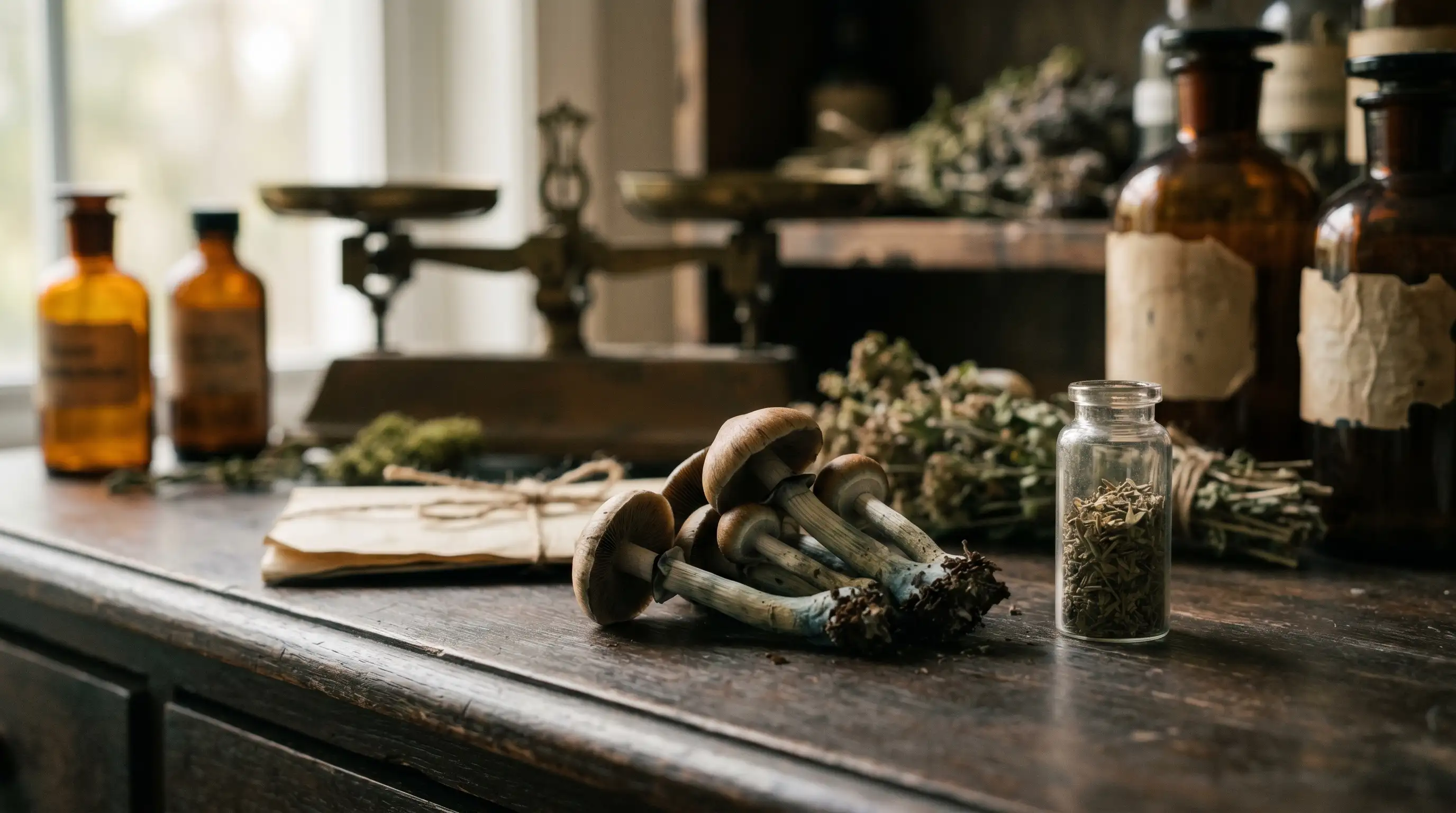
Psilocybe Cubensis Interdimensional Portal Supreme
Always start with a low dose and read our safety guidelines before use.
A breakthrough strain engineered for maximum consciousness-expanding potential and reality-bending effects. These premium truffles are reported to facilitate contact with otherworldly entities and profound spiritual revelations. The most sought-after strain in Dutch smartshops for transcendental experiences.

Overview
Psilocybe Cubensis "Interdimensional Portal Supreme" represents a branded strain of the well-known psilocybin-containing mushroom species Psilocybe cubensis. This particular strain name appears to be a marketing designation used by cultivators and vendors to distinguish their specific genetic lineage from other P. cubensis varieties. Like all members of the Psilocybe cubensis species, these mushrooms contain the psychoactive compounds psilocybin and psilocin, which are responsible for their consciousness-altering effects.
Psilocybe cubensis is one of the most widely cultivated and consumed psychedelic mushrooms globally, prized for its relatively predictable effects, ease of cultivation, and well-documented safety profile when used responsibly. The "Interdimensional Portal Supreme" designation suggests this particular strain may have been selected or bred for specific characteristics, though it's important to note that all P. cubensis strains contain fundamentally the same active compounds and produce similar effects.
People use psilocybin mushrooms for various reasons, including spiritual exploration, personal growth, creative enhancement, therapeutic purposes, and recreational experiences. The effects typically include altered perception, enhanced introspection, visual and auditory changes, and profound shifts in consciousness that users often describe as mystical or transcendent. The "interdimensional" aspect referenced in this strain's name likely alludes to the common experience of feeling transported to alternate realities or dimensions of consciousness during the psychedelic experience.
Research into psilocybin has experienced a renaissance in recent decades, with studies demonstrating potential therapeutic benefits for conditions including depression, anxiety, PTSD, and addiction. However, these substances remain controlled in most jurisdictions and carry both legal risks and potential psychological risks that must be carefully considered.
How It Works
Psilocybin mushrooms exert their psychoactive effects through a well-understood neurochemical mechanism. When consumed, psilocybin is rapidly converted by the body into psilocin through a process called dephosphorylation. This conversion occurs primarily in the liver and intestines, where enzymes remove a phosphate group from the psilocybin molecule, creating the active compound psilocin.
Psilocin is structurally similar to serotonin, one of the brain's primary neurotransmitters involved in mood regulation, perception, and cognition. This structural similarity allows psilocin to bind to and activate serotonin receptors throughout the brain, particularly the 5-HT2A receptor subtype. The 5-HT2A receptor is found in high concentrations in areas of the brain responsible for perception, cognition, and consciousness, including the prefrontal cortex, visual cortex, and default mode network.
When psilocin activates these receptors, it triggers a cascade of neurochemical changes that fundamentally alter brain function. Neuroimaging studies have shown that psilocybin increases neural connectivity between brain regions that don't normally communicate extensively, while simultaneously decreasing activity in the default mode network, a brain system associated with self-referential thinking and the sense of ego or self.
This neurochemical disruption leads to the characteristic effects of psilocybin: altered perception, synesthesia, dissolution of ego boundaries, and profound changes in consciousness. The increased connectivity between brain regions may explain the creative insights and novel thought patterns often reported, while the decreased default mode network activity correlates with the ego dissolution and mystical experiences that define the psychedelic state.
The effects typically begin 20-60 minutes after consumption and can last 4-8 hours, depending on dose, individual metabolism, and consumption method. The brain gradually returns to baseline functioning as psilocin is metabolized and eliminated from the system.
What It Looks Like
Psilocybe Cubensis "Interdimensional Portal Supreme" mushrooms share the characteristic appearance of all P. cubensis specimens, though individual strains may exhibit slight variations in size, coloration, or morphology. Fresh specimens typically feature caps that range from light golden-brown to darker caramel or amber hues, often with a distinctive golden or yellowish tint that gives the species its common name "Golden Teacher" when referring to certain strains.
The caps are typically 2-8 centimeters in diameter when mature, with a convex shape that may flatten or become slightly concave with age. The surface often appears smooth and may have a slight sheen when fresh. The gills underneath the cap are initially light-colored but darken to a deep purple-black as the mushroom matures and releases spores. The stems are typically 4-15 centimeters tall, relatively thick, and often display a characteristic blue bruising when handled or damaged, which indicates the presence of psilocin.
When dried for preservation and consumption, these mushrooms shrink significantly and take on a darker, more brittle appearance. Dried specimens are typically brown to dark brown in color and have a distinctive earthy, sometimes slightly metallic smell. The blue bruising may be more pronounced in dried specimens and is often visible as dark blue or black areas on stems and caps.
It's crucial to note that proper identification requires expertise, as several toxic mushroom species can superficially resemble psilocybin mushrooms. Dangerous look-alikes include certain Galerina species, which can be fatal if consumed. Common adulterants in the illegal market might include inactive mushroom species mixed with synthetic compounds, or entirely different substances sold as psilocybin mushrooms. Only obtain specimens from trusted, knowledgeable sources, and when in doubt, consult with mycological experts or use professional identification services.
What to Expect
The psilocybin experience unfolds in distinct phases, creating what users often describe as a journey through altered states of consciousness. The onset typically begins 20-60 minutes after consumption, starting with subtle changes in perception and mood. Users may notice enhanced colors, slight visual distortions, or a sense of anticipation and energy building within their body. Physical sensations during onset can include mild nausea, changes in body temperature, or a feeling of internal movement or energy.
As the effects intensify over the following 1-2 hours, users enter what's commonly called the "peak" phase. During this period, visual effects become more pronounced, with common reports including geometric patterns, enhanced textures, breathing or morphing surfaces, and in higher doses, complex visual hallucinations. Colors may appear more vivid and saturated, while depth perception and spatial awareness can be significantly altered. Many users report synesthesia, where senses blend together, such as "seeing" sounds or "hearing" colors.
The psychological effects during peak experience are often profound and highly individual. Users frequently report enhanced introspection, emotional processing, and access to memories or thoughts that feel unusually significant. The sense of self or ego may become fluid or dissolve entirely, leading to feelings of unity with surroundings, other people, or the universe itself. Time perception is commonly altered, with minutes feeling like hours or the complete loss of temporal awareness.
Thought patterns during the experience often become non-linear and associative, with users making connections between seemingly unrelated concepts or experiencing insights about their lives, relationships, or existence itself. Emotional responses can be intensified, ranging from profound joy and love to confrontation with difficult emotions or memories. The experience is highly set-and-setting dependent, meaning the user's mindset and environment significantly influence the nature of the journey.
The plateau phase typically lasts 2-4 hours, during which effects remain relatively stable before gradually diminishing. The comedown phase involves a gentle return to baseline consciousness over 1-3 hours, often accompanied by feelings of integration, reflection, or emotional processing. Many users report lasting positive effects including improved mood, increased creativity, or new perspectives on personal issues that can persist for days, weeks, or longer.
Preparation & Consumption
Proper preparation for a psilocybin experience is essential for safety and maximizing potential benefits. The concept of "set and setting" is fundamental: "set" refers to the user's mindset, expectations, and psychological state, while "setting" encompasses the physical and social environment. Ideal mental preparation includes being in a positive, stable emotional state, having clear intentions for the experience, and ensuring adequate time for both the journey and integration afterward.
The physical setting should be safe, comfortable, and free from potential disruptions. Many users prefer familiar environments like their home, while others choose natural settings. Having a trusted, sober trip-sitter present is highly recommended, especially for inexperienced users or higher doses. This person should be knowledgeable about psychedelics and capable of providing reassurance and assistance if needed.
Dosing psilocybin mushrooms requires careful consideration, as potency can vary significantly between specimens and strains. A typical threshold dose ranges from 0.2-0.5 grams of dried mushrooms, producing subtle effects and enhanced perception. A light dose of 0.5-1 gram creates mild visual and cognitive changes suitable for beginners. Moderate doses of 1-2.5 grams produce more pronounced psychedelic effects, while strong doses of 2.5-5 grams can create intense, potentially overwhelming experiences. Doses above 5 grams are considered very strong and should only be attempted by experienced users with proper support.
Common consumption methods include eating dried mushrooms directly, brewing them into tea, or incorporating them into food. Tea preparation can reduce nausea and may provide a smoother onset, while eating them directly tends to produce longer-lasting effects. Some users employ "lemon tekking," soaking ground mushrooms in lemon juice before consumption, which may intensify and shorten the experience. Fasting for 4-6 hours before consumption can enhance effects and reduce nausea, though this isn't mandatory.
Timing is crucial, as the experience typically lasts 4-8 hours. Users should ensure they have no responsibilities or commitments during this period and the following day for integration and rest.
Safety First
Psilocybin mushrooms have a relatively favorable safety profile compared to many other psychoactive substances, but they are not without risks and contraindications. Individuals with personal or family histories of psychotic disorders, schizophrenia, or bipolar disorder should avoid psilocybin, as it may trigger or exacerbate these conditions. Those with severe anxiety disorders, PTSD, or other serious mental health conditions should only consider use under professional guidance, as the experience can intensify emotional states and bring suppressed material to consciousness.
Cardiovascular considerations are important, as psilocybin can cause temporary increases in heart rate and blood pressure. Individuals with heart conditions, hypertension, or those taking cardiac medications should consult healthcare providers before use. Pregnant and breastfeeding individuals should avoid psilocybin due to unknown effects on fetal development and potential transfer through breast milk.
Drug interactions present significant safety concerns. Psilocybin should not be combined with MAOIs (monoamine oxidase inhibitors), certain antidepressants, or other psychoactive substances without thorough research and preferably professional guidance. Alcohol and stimulants can unpredictably alter the experience and increase risks. Some psychiatric medications, particularly SSRIs, may diminish psilocybin's effects or create unexpected interactions.
Physical safety during the experience is paramount. Users should remain in safe environments, avoid driving or operating machinery, and be cautious around water, heights, or other potential hazards. The altered perception and judgment during the experience can lead to accidents or poor decision-making. Having a sober trip-sitter helps mitigate these risks.
Psychological safety involves proper preparation, appropriate dosing, and having support systems in place. Difficult experiences or "bad trips" can occur, particularly with higher doses, inappropriate settings, or underlying psychological vulnerabilities. These experiences, while potentially challenging, are rarely dangerous when proper safety measures are in place.
Testing substances for authenticity and purity is increasingly important as markets expand. Reagent test kits can help identify psilocybin mushrooms and detect some adulterants, though they cannot guarantee purity or potency. Obtaining mushrooms from trusted, knowledgeable sources reduces risks of misidentification or contamination.
History & Cultural Context
Psilocybin mushrooms have been used by human cultures for thousands of years, with archaeological evidence suggesting their ceremonial use in Mesoamerica dating back over 3,000 years. Indigenous peoples of Mexico, Guatemala, and other Central American regions incorporated these mushrooms into religious and healing practices, considering them sacred medicines that facilitated communication with deities and spiritual realms. The Aztecs called them "teonanácatl," meaning "flesh of the gods," reflecting their profound spiritual significance.
The modern Western encounter with psilocybin mushrooms began in the 1950s when ethnomycologist R. Gordon Wasson participated in traditional ceremonies with Mazatec curandera María Sabina in Oaxaca, Mexico. Wasson's 1957 Life magazine article "Seeking the Magic Mushroom" introduced psilocybin to Western audiences and sparked scientific interest. This led to the isolation and synthesis of psilocybin by Swiss chemist Albert Hofmann in 1958, the same researcher who first synthesized LSD.
The 1960s saw psilocybin enter Western counterculture alongside LSD, with researchers like Timothy Leary conducting studies at Harvard University before the political backlash against psychedelics led to their prohibition. The Controlled Substances Act of 1970 classified psilocybin as a Schedule I substance in the United States, effectively ending legal research for decades and driving use underground.
Psilocybe cubensis specifically gained prominence in the 1970s through the work of Terence McKenna and others who developed cultivation techniques that made these mushrooms more accessible. The species became popular due to its relative ease of cultivation compared to other psilocybin-containing mushrooms and its reliable potency. The development of spore cultivation kits and online communities further democratized access and knowledge.
The contemporary psychedelic renaissance began in the 1990s with renewed scientific interest and has accelerated dramatically in recent years. Organizations like MAPS, the Beckley Foundation, and Johns Hopkins have conducted groundbreaking research demonstrating psilocybin's therapeutic potential. This has led to breakthrough therapy designations from the FDA and growing acceptance of psilocybin as a legitimate medical treatment, fundamentally shifting cultural perceptions from dangerous drug to promising medicine.
Emergency Guidance
While serious medical emergencies from psilocybin mushrooms are rare, knowing how to recognize and respond to crisis situations is essential for harm reduction. The most common emergency scenarios involve psychological distress rather than physical medical crises, though both possibilities require appropriate responses.
Psychological emergencies typically manifest as severe anxiety, panic attacks, paranoid thoughts, or complete loss of reality contact. Signs of serious psychological distress include uncontrollable fear, aggressive or self-destructive behavior, complete disconnection from reality, or expressions of suicidal or homicidal thoughts. In these situations, the primary goals are ensuring physical safety and providing calm, reassuring support while the effects naturally subside.
If someone is experiencing severe psychological distress, remain calm and speak in soothing, reassuring tones. Remind them that they have taken a substance, that the effects are temporary, and that they are safe. Avoid sudden movements, loud noises, or attempts to physically restrain them unless absolutely necessary for safety. Create a calm environment by dimming lights, reducing stimulation, and playing gentle music if appropriate. Having a trusted person stay with them throughout the experience is crucial.
Physical medical emergencies are extremely rare but can include severe allergic reactions, cardiovascular complications in vulnerable individuals, or accidents resulting from impaired judgment. Signs requiring immediate medical attention include difficulty breathing, chest pain, severe vomiting or dehydration, loss of consciousness, seizures, or serious injuries from falls or accidents.
When to call emergency services depends on the severity and nature of the situation. Call immediately for any serious physical symptoms, threats of self-harm or violence, or situations where the person's safety cannot be ensured. When calling emergency services, be honest about substance use, as this information is crucial for proper medical treatment and is typically protected by medical confidentiality laws.
For less severe psychological distress, crisis helplines specializing in psychedelic experiences can provide valuable guidance. Organizations like Fireside Project offer specialized support for people having difficult psychedelic experiences. Having these resources identified and easily accessible before any psychedelic experience is an important safety preparation step that can prevent minor difficulties from escalating into major crises.
Legal Status in NL
Legal (as truffles)
Available in 108 shops across 48 cities. Most shops in Amsterdam (17), Rotterdam (8), Enschede (5).
Dosage Guide
Experience Timeline
Effect Profile
Positive Effects
Side Effects
Safety & Harm Reduction
Harm Reduction Tips
- Start with a low dose (0.5-1g) to assess sensitivity, especially for first-time users
- Use in a safe, comfortable environment with trusted trip sitters present
- Avoid driving or operating machinery for at least 8 hours after consumption
- Stay hydrated but avoid excessive water intake which can cause electrolyte imbalance
- Have benzodiazepines available as trip killers for emergency situations
- Test your mushrooms with reagent kits to verify identity and avoid dangerous look-alikes
- Fast for 2-4 hours before consumption to reduce nausea and improve absorption
- Keep a trip journal and wait at least 1-2 weeks between uses to avoid tolerance
- Avoid use if you have a personal or family history of psychotic disorders
- Have emergency contacts readily available and inform someone of your plans
Emergency Information
If experiencing severe anxiety or panic, move to a calm, safe environment with trusted companions. Remember that effects are temporary and will pass. Seek medical attention for persistent high body temperature, seizures, or if the person becomes unresponsive or shows signs of serious medical distress.
Interactions
MAOIsDangerous
LithiumDangerous
TramadolDangerous
SSRIs/SNRIsCaution
AlcoholCaution
CannabisCaution
StimulantsCaution
LSDCaution
BenzodiazepinesSafe
Experience Levels
As a first-time user of this strain, expect an experience similar to other psilocybin truffles despite the dramatic marketing. Start with 5-8 grams fresh to gauge your sensitivity. The onset typically begins with subtle changes in perception - colors may seem more vivid, patterns might appear to move slightly, and your thoughts may feel different. Physical sensations like mild nausea or body tingling are normal during the first hour. Your emotional state may fluctuate, and you might feel more introspective than usual. Time perception often changes, with minutes feeling like hours. Visual effects are usually mild at beginner doses - geometric patterns, enhanced colors, or slight movement in peripheral vision. The experience builds gradually, peaks around 2-3 hours, then slowly diminishes. Having a trip sitter present is essential for first-timers. Stay in a comfortable environment, avoid mirrors if they feel unsettling, and remember that all effects are temporary. Focus on the present moment and allow the experience to unfold naturally without forcing specific outcomes.
Frequently Asked Questions
Are Psilocybe Cubensis Interdimensional Portal Supreme truffles legal in the Netherlands?▾
Yes, psilocybin truffles (sclerotia) are legal in the Netherlands when sold by licensed smartshops. While psilocybin mushrooms were banned in 2008, truffles remain legal as they are technically the underground portion of the fungus. You can legally purchase, possess, and consume them within the Netherlands.
What's a safe starting dose for beginners?▾
For first-time users, start with 5-10 grams of fresh truffles on an empty stomach. This strain is marketed as particularly potent, so err on the side of caution. Wait at least 2 hours before considering taking more, as effects can take time to fully develop. You can always take more next time, but you can't take less once consumed.
How long do the effects last?▾
Typical psilocybin truffle experiences last 4-6 hours total. Effects usually begin 30-60 minutes after consumption, peak around 2-3 hours, then gradually diminish. Plan for a full day commitment including preparation and integration time afterward.
What should I expect during the experience?▾
Effects may include altered visual perception, changes in thought patterns, emotional shifts, and altered sense of time and space. Despite marketing claims about 'interdimensional' effects, experiences vary greatly between individuals. Set realistic expectations and focus on personal insight rather than supernatural encounters.
What are the main risks and safety concerns?▾
Risks include anxiety, panic attacks, challenging psychological experiences, and impaired judgment leading to accidents. Never drive or operate machinery while under the influence. Avoid use if you have a personal or family history of psychotic disorders, severe depression, or are taking certain medications.
Can these truffles interact with medications?▾
Yes, psilocybin can interact dangerously with certain medications, particularly MAOIs, SSRIs, and other psychiatric medications. Consult with a healthcare provider before use if you take any prescription medications. Never combine with alcohol or other psychoactive substances.
Where can I buy these truffles in the Netherlands?▾
Licensed smartshops throughout the Netherlands sell psilocybin truffles. Look for reputable establishments that provide proper information and guidance. Online purchases from Dutch smartshops are also legal within the Netherlands. Always verify the shop's licensing and reputation.
Can I travel internationally with these truffles?▾
No, do not attempt to cross international borders with psilocybin truffles. While legal in the Netherlands, they are controlled substances in most other countries. Possession abroad could result in serious legal consequences including arrest and prosecution.
How should I prepare for my first experience?▾
Choose a comfortable, familiar environment with a trusted, sober trip sitter present. Clear your schedule for the entire day, ensure you're in a positive mindset, and have water and light snacks available. Remove any potential hazards from your environment and inform someone of your plans.
How do these compare to regular psilocybin truffles?▾
Marketing claims aside, all psilocybin truffles contain the same active compounds (psilocybin and psilocin) and produce fundamentally similar effects. Potency may vary between strains and batches, but the core experience remains consistent. Focus on proper dosing and set/setting rather than strain-specific marketing.
What should I do if I have a difficult experience?▾
Stay calm and remind yourself that the effects are temporary. Change your environment (different room, music, lighting), practice deep breathing, or engage in grounding techniques. Having a sober trip sitter is crucial for support. If severe distress occurs, don't hesitate to seek medical attention.
How often can I safely use psilocybin truffles?▾
Psilocybin tolerance develops quickly, requiring 1-2 weeks between uses for full effect reset. More importantly, frequent use can lead to psychological dependence and reduced benefits. Most experts recommend spacing experiences at least 2-4 weeks apart to allow for proper integration and maintain the substance's therapeutic potential.
Are there any long-term health effects?▾
Research suggests psilocybin has low physical toxicity and addiction potential. However, frequent use may impact mental health, particularly in vulnerable individuals. Some users report lasting positive changes in mood and perspective, while others may experience persistent anxiety or other psychological effects.
What's the difference between fresh and dried truffles?▾
Fresh truffles contain about 90% water, so 15 grams fresh roughly equals 1.5 grams dried in terms of psilocybin content. Fresh truffles are more commonly sold in Dutch smartshops and should be stored in the refrigerator. Dried truffles are more concentrated and have longer shelf life.
Should I eat before taking truffles?▾
Take truffles on an empty or nearly empty stomach for best absorption and to reduce nausea. Avoid eating for 2-4 hours beforehand, though a light snack 4-6 hours prior is acceptable. Having ginger tea available can help with any stomach discomfort during onset.
How It Compares — Psilocybe Cubensis Interdimensional Portal Supreme
| Dimension | Psilocybe Cubensis Interdimensional Portal Supreme | Psilocybin Truffles | Salvia Divinorum | LSA (Morning Glory Seeds) |
|---|---|---|---|---|
| Intensity | Unknown (marketed as high) | 7/10 | 9/10 | 6/10 |
| Duration | 4-6 hours (typical) | 4-6 hours | 5-30 minutes | 6-10 hours |
| Onset Time | 30-60 minutes | 30-60 minutes | 30 seconds (smoked) | 1-2 hours |
| Legal Status NL | Legal | Legal | Legal | Legal |
| Risk Profile | Moderate (potentially higher potency) | Moderate | High intensity, brief duration | Moderate (nausea common) |
| Best For | Marketed for 'transcendental' experiences | General psychedelic exploration | Brief intense experiences | Long introspective journeys |
| Availability | Specialty smartshops | Most Dutch smartshops | — | — |
Related Searches
Disclaimer: This information is for educational purposes only and does not constitute medical advice. Always consult a qualified healthcare professional before using any substance. If you experience adverse effects, contact your doctor or call 112 (Netherlands emergency).