Magic Mushrooms (Paddos)
Always start with a low dose and read our safety guidelines before use.
Magic mushrooms (paddos in Dutch) are psilocybin-containing fungi that produce psychedelic experiences. While fresh magic mushrooms were banned in the Netherlands in 2008 following several incidents, they remain culturally significant and are closely related to the legal psilocybin truffles (sclerotia) sold in smartshops.

Overview
Magic mushrooms, commonly known as "paddos" in the Netherlands, are fungi containing psychoactive compounds that produce profound alterations in consciousness, perception, and cognition. The primary active ingredients are psilocybin and psilocin, naturally occurring tryptamine alkaloids that belong to the broader class of classical psychedelics. These substances have been used for thousands of years across various cultures for spiritual, therapeutic, and recreational purposes, representing one of humanity's oldest relationships with consciousness-altering substances.
The term "paddos" specifically refers to fresh magic mushrooms, which were legally available in Dutch smart shops until 2008, when fresh mushrooms were reclassified. However, magic truffles (sclerotia), which contain the same active compounds, remain legal and available. These underground fungal structures serve as the mushroom's nutrient storage system and contain comparable concentrations of psilocybin and psilocin.
People seek out magic mushrooms for diverse reasons, including spiritual exploration, personal growth, creative enhancement, therapeutic healing, and recreational enjoyment. The experience is often described as deeply introspective, potentially offering insights into one's psyche, relationships, and place in the universe. Many users report lasting positive changes in mood, creativity, and life perspective following meaningful experiences. The resurgence of scientific interest in psilocybin has led to breakthrough research demonstrating its potential for treating depression, PTSD, addiction, and end-of-life anxiety. This renaissance has contributed to changing public perceptions and renewed appreciation for these remarkable fungi as tools for healing and self-discovery.
How It Works
Psilocybin and psilocin exert their psychoactive effects primarily through interaction with the brain's serotonin system, specifically by acting as partial agonists at the 5-HT2A receptor subtype. When consumed, psilocybin is rapidly converted to psilocin through dephosphorylation, primarily in the liver and intestines. Psilocin then crosses the blood-brain barrier and binds to serotonin receptors throughout the brain, with particularly high concentrations in areas associated with perception, cognition, and mood regulation.
The 5-HT2A receptor is densely distributed in the prefrontal cortex, visual cortex, and other regions crucial for higher-order thinking and sensory processing. When psilocin activates these receptors, it triggers a cascade of neurochemical events that fundamentally alter normal brain function. This includes increased glutamate release, enhanced neuroplasticity, and disruption of the brain's default mode network—a collection of brain regions active during rest and self-referential thinking.
Modern neuroimaging studies reveal that psilocybin dramatically increases neural connectivity between brain regions that typically don't communicate extensively. This hyperconnectivity may explain the synesthetic experiences, novel thought patterns, and dissolution of ego boundaries commonly reported during the experience. Simultaneously, activity in the default mode network decreases, which correlates with the reduction in self-focused thinking and the sense of unity with one's environment that many users describe.
The compound also influences other neurotransmitter systems, including dopamine and norepinephrine pathways, contributing to the complex subjective effects. Research suggests that psilocybin promotes neurogenesis and dendritic growth, potentially explaining the lasting positive effects many users report. The experience typically begins within 20-60 minutes of consumption, peaks around 2-3 hours, and gradually subsides over 4-8 hours total, though integration of insights may continue for weeks or months afterward.
What It Looks Like
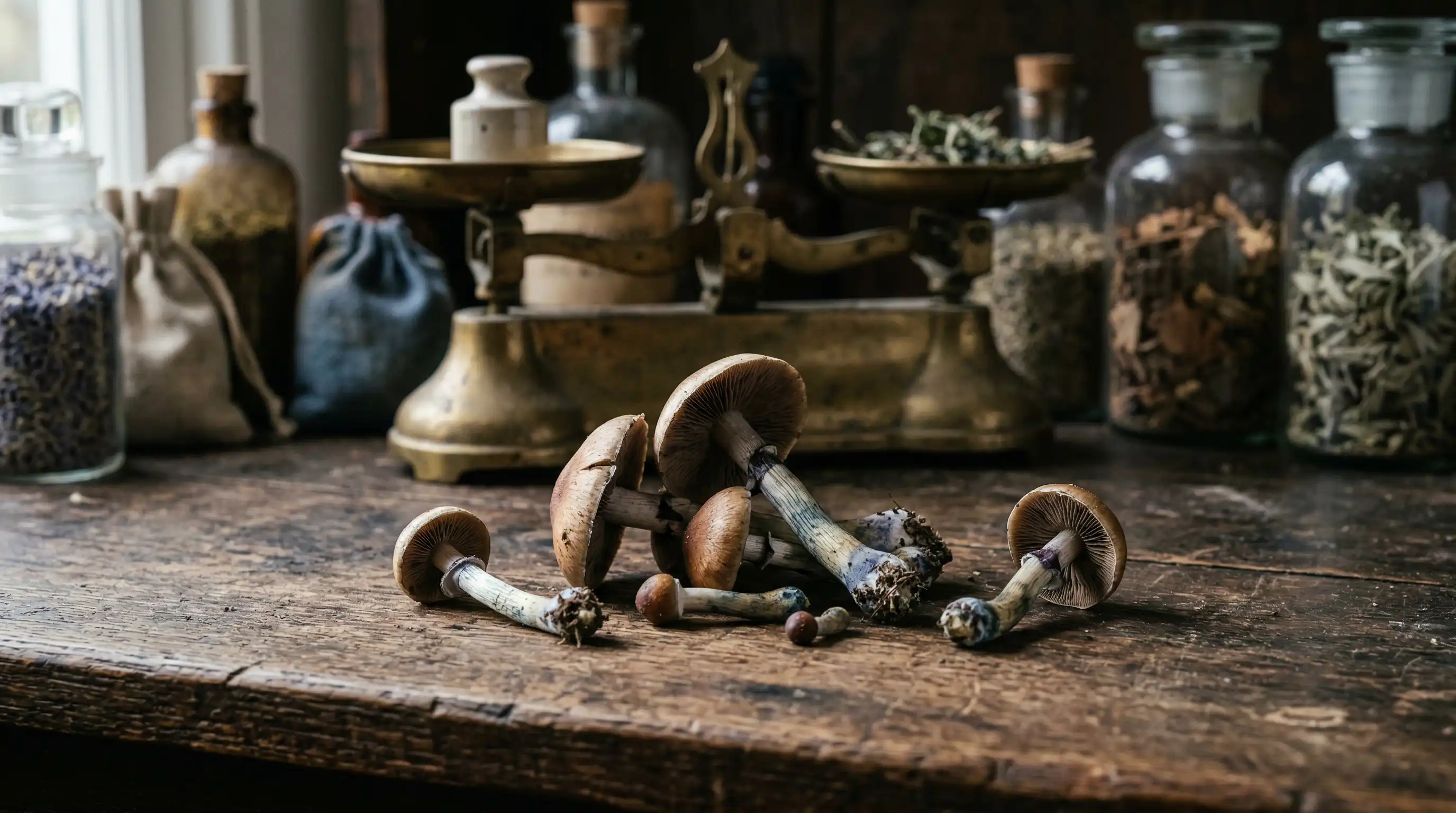
Fresh magic mushrooms vary considerably in appearance depending on the species, with Psilocybe cubensis being among the most common varieties. These mushrooms typically feature caps ranging from 1-8 centimeters in diameter, often displaying a distinctive golden-brown to caramel coloration that may fade to lighter tones as they dry. The caps frequently exhibit a characteristic blue bruising when damaged, indicating the presence of psilocybin compounds. The stems are usually white to pale yellow, becoming hollow as the mushroom matures, and may also show blue discoloration when handled.
Magic truffles, the legal alternative available in Dutch smart shops, appear quite different from their above-ground counterparts. These sclerotia resemble small, irregularly shaped nuggets or stones, typically ranging from pea-sized to walnut-sized. They possess a firm, dense texture and earthy brown coloration, often with a slightly wrinkled or bumpy surface. Fresh truffles should feel solid and dry to the touch, without signs of mold or excessive moisture.
Commercial packaging in smart shops typically involves vacuum-sealed plastic containers or bags, clearly labeled with species information, weight, and potency details. Reputable vendors provide detailed information about cultivation methods, harvest dates, and storage recommendations. The packaging should be professional and include safety warnings and dosage guidelines.
When identifying authentic magic mushrooms or truffles, the blue bruising reaction serves as a key indicator of psilocybin content. However, this characteristic alone isn't definitive, as some non-psychoactive species may also bruise blue. Potential adulterants or dangerous look-alikes include toxic mushroom species that could cause serious poisoning. This risk underscores the importance of purchasing from licensed, reputable sources rather than foraging wild mushrooms, which requires extensive mycological expertise to do safely.
What to Expect
The magic mushroom experience unfolds in distinct phases, creating a journey that can be profoundly transformative or simply enjoyable, depending on dosage, individual sensitivity, and environmental factors. The onset typically begins 20-60 minutes after consumption, initially manifesting as subtle changes in perception and mood. Users often report a gentle shift in awareness, with colors appearing more vibrant, sounds becoming more nuanced, and a growing sense of anticipation or excitement.
As the experience develops into the come-up phase, visual distortions become more pronounced. Surfaces may appear to breathe or ripple, patterns might emerge in textures, and peripheral vision often becomes enhanced. Many users describe a heightened appreciation for music, with sounds taking on new dimensions and emotional resonance. Physical sensations may include tingling, warmth, or a sense of energy flowing through the body. Some individuals experience mild nausea during this phase, which typically subsides as the peak approaches.
The peak experience, occurring roughly 2-4 hours after consumption, represents the most intense portion of the journey. At moderate doses, users commonly report profound introspection, emotional insights, and a sense of interconnectedness with their environment. Visual hallucinations may include geometric patterns, morphing objects, or enhanced appreciation of natural beauty. Thought patterns often become more fluid and creative, with users making novel connections between ideas or experiencing sudden moments of clarity about personal issues.
Higher doses can produce more dramatic effects, including ego dissolution, mystical experiences, and complete alterations in the perception of time and space. Some users report encountering archetypal imagery, feeling unity with the universe, or experiencing what they describe as spiritual revelations. These intense experiences can be deeply meaningful but also potentially overwhelming for unprepared individuals.
The descent phase involves a gradual return to baseline consciousness over 2-4 hours. Many users find this period particularly valuable for integration, as insights gained during the peak become more accessible to rational analysis. Mood often remains elevated, with many reporting feelings of peace, gratitude, and renewed perspective on life challenges. The afterglow can persist for days or weeks, with some users experiencing lasting improvements in mood, creativity, and overall life satisfaction.
Preparation & Consumption
Proper preparation for a magic mushroom experience extends far beyond simply consuming the substance, encompassing careful attention to dosage, environment, mindset, and safety protocols. The most common method of consumption involves eating fresh or dried mushrooms directly, though many users prefer to mask the earthy, sometimes unpleasant taste by incorporating them into food or beverages. Popular preparation methods include brewing mushroom tea, which may reduce nausea and provide faster onset, or mixing ground mushrooms into chocolate, honey, or fruit smoothies.
Dosage represents perhaps the most critical preparation consideration, as the difference between a mild, manageable experience and an overwhelming journey can be surprisingly small. For fresh magic truffles, beginners should start with 5-10 grams, while experienced users might consume 15-20 grams or more. Fresh mushrooms typically require slightly different dosing due to varying potency levels. The "start low, go slow" principle cannot be overstated, as individual sensitivity varies dramatically, and tolerance doesn't develop immediately, making redosing within the same session ineffective and potentially dangerous.
Set and setting, concepts popularized by psychedelic researcher Timothy Leary, form the foundation of safe psychedelic use. "Set" refers to the user's mindset, including current emotional state, expectations, and psychological preparation. Approaching the experience with anxiety, unresolved trauma, or unrealistic expectations significantly increases the risk of difficult experiences. "Setting" encompasses the physical and social environment, which should be safe, comfortable, and free from potential stressors or interruptions.
Ideal settings include familiar indoor spaces with comfortable seating, access to nature if desired, and the presence of a trusted, sober trip-sitter for inexperienced users. The environment should be prepared in advance with appropriate music, art supplies, journals, or other items that might enhance the experience. Electronic devices should be minimized, and responsibilities or commitments for the following day should be cleared. Fasting for 2-4 hours before consumption can reduce nausea and improve absorption, though some users prefer light, easily digestible foods to maintain energy levels throughout the experience.
Safety First
Magic mushroom use, while generally considered physically safe compared to many other psychoactive substances, requires careful attention to various safety considerations to minimize risks and maximize benefits. The most significant safety concerns relate to psychological rather than physical effects, as psilocybin has an excellent safety profile with no known lethal dose in humans. However, the profound alterations in consciousness can create situations where poor judgment or panic responses lead to dangerous behaviors.
Contraindications for magic mushroom use include personal or family history of psychotic disorders, bipolar disorder, or severe mental health conditions. Individuals with schizophrenia, schizoaffective disorder, or predisposition to psychosis should avoid psychedelics entirely, as they may trigger or exacerbate these conditions. Those taking psychiatric medications, particularly SSRIs, MAOIs, or antipsychotics, should consult healthcare providers before use, as drug interactions can either diminish effects or create unpredictable responses.
Cardiovascular considerations include avoiding use with heart conditions, high blood pressure, or while taking medications affecting blood pressure or heart rhythm. While psilocybin typically causes only mild increases in heart rate and blood pressure, the stress of an intense experience could potentially exacerbate existing conditions. Pregnant or breastfeeding individuals should avoid use due to unknown effects on fetal development.
The concept of "challenging experiences" or "bad trips" represents a significant safety consideration. These difficult experiences, characterized by anxiety, paranoia, confusion, or overwhelming emotions, can be traumatic but are often preventable through proper preparation and harm reduction practices. Risk factors include inappropriate set and setting, excessive dosage, mixing with other substances, and underlying psychological vulnerabilities.
Testing substances from unknown sources remains crucial, as misidentification of mushroom species can result in poisoning from toxic varieties. Reputable smart shops provide lab-tested products with known potency and purity, eliminating this risk. Users should never consume wild-foraged mushrooms without expert identification, as several deadly species can superficially resemble psychoactive varieties.
Emergency preparedness involves having contact information for medical services, poison control, and trusted individuals who can provide support if needed. Trip-sitters should be educated about psychedelic experiences and remain sober throughout the session. Creating a safety plan, including removing potentially dangerous objects and ensuring secure environments, helps prevent accidents during altered states of consciousness.
History & Cultural Context
The relationship between humans and psilocybin-containing mushrooms spans millennia, with archaeological evidence suggesting use dating back over 6,000 years. Indigenous cultures throughout Mesoamerica, particularly in Mexico, developed sophisticated traditions around these sacred fungi, referring to them as "teonanácatl" or "flesh of the gods." The Mazatec, Zapotec, and other indigenous groups incorporated mushrooms into religious ceremonies, healing rituals, and divination practices, viewing them as direct conduits to the divine realm.
Spanish colonization in the 16th century led to systematic suppression of indigenous psychedelic practices, as Catholic missionaries viewed these traditions as demonic or heretical. This persecution drove mushroom use underground, where it persisted in remote communities despite centuries of cultural oppression. The knowledge and practices were carefully guarded and transmitted through generations of curanderos and shamans, preserving ancient wisdom through oral traditions.
The modern Western encounter with magic mushrooms began in 1955 when amateur mycologist R. Gordon Wasson participated in a traditional Mazatec ceremony led by curandera María Sabina. His subsequent article in Life magazine, "Seeking the Magic Mushroom," introduced psychedelic fungi to mainstream Western consciousness for the first time. This publication sparked widespread interest among researchers, artists, and spiritual seekers, contributing to the broader psychedelic movement of the 1960s.
Scientific research flourished briefly in the 1960s and early 1970s, with researchers like Timothy Leary, Richard Alpert (Ram Dass), and others conducting studies on psilocybin's therapeutic potential. However, the association with counterculture movements and concerns about recreational abuse led to prohibition under the 1970 Controlled Substances Act in the United States, effectively ending legal research for decades.
The Netherlands maintained a more liberal approach, with fresh magic mushrooms remaining legal in smart shops until 2008. This policy reflected Dutch harm reduction philosophy and recognition that prohibition often creates more problems than the substances themselves. The 2008 ban on fresh mushrooms, prompted by isolated incidents involving tourists, led to the current situation where magic truffles remain legal as they were not specifically included in the prohibition.
Recent years have witnessed a remarkable renaissance in psychedelic research, with institutions like Johns Hopkins, Imperial College London, and others conducting groundbreaking studies on psilocybin's therapeutic applications. This research has contributed to changing public perceptions and growing acceptance of psychedelics as legitimate medical tools rather than merely recreational drugs.
Emergency Guidance
Recognizing and responding appropriately to psychedelic emergencies requires understanding the difference between challenging experiences that can be managed with proper support and genuine medical emergencies requiring professional intervention. Most difficulties during magic mushroom experiences are psychological rather than medical, involving anxiety, panic, confusion, or overwhelming emotions that can be addressed through calm, supportive presence and basic harm reduction techniques.
Signs of a challenging but manageable experience include anxiety, fearfulness, repetitive thoughts or behaviors, mild confusion, or emotional distress. In these situations, the primary goal is providing reassurance and creating a safe, calming environment. Effective support techniques include speaking in calm, soothing tones, offering physical comfort like blankets or gentle touch if welcomed, and reminding the person that they are safe and that the effects are temporary. Encouraging slow, deep breathing can help manage anxiety, while gentle guidance toward comfortable positions or peaceful environments can reduce distress.
The "TRIP" protocol provides a useful framework for supporting someone through difficulties: Talk them through the experience with reassurance, Reassure them that they are safe and the effects will pass, Isolate them from stimulating or stressful environments, and Provide comfort through appropriate physical and emotional support. Avoid attempting to "talk them down" with logic or reasoning, as this often increases anxiety during altered states of consciousness.
More serious warning signs requiring immediate medical attention include persistent vomiting, signs of severe dehydration, hyperthermia (overheating), seizures, loss of consciousness, or behaviors that pose immediate physical danger to themselves or others. Additionally, if someone shows signs of severe psychological distress that doesn't respond to supportive measures, or if there's concern about potential self-harm, professional help should be sought immediately.
When calling emergency services, be honest about substance use, as medical professionals need accurate information to provide appropriate care. In the Netherlands, medical confidentiality protects patients, and seeking help will not result in legal consequences. The emergency number 112 connects to police, fire, and medical services. Many regions also have specialized drug information and crisis lines that can provide guidance specific to psychedelic experiences.
Preparation for potential emergencies should include having emergency contact numbers readily available, ensuring at least one sober person remains present throughout the experience, and creating an environment free from potential hazards. Trip-sitters should be educated about both supportive techniques and warning signs requiring professional intervention, maintaining calm presence while being prepared to act decisively if genuine emergencies arise.
Legal Status in NL
Fresh and dried magic mushrooms have been illegal in the Netherlands since December 2008. However, psilocybin truffles (sclerotia) remain legal and are sold in smartshops. Grow kits containing mushroom spores are also legal, as spores contain no psilocybin.
Available in 160 shops across 61 cities. Most shops in Amsterdam (28), Rotterdam (13), Groningen (9).
Dosage Guide
Experience Timeline
Effect Profile
Positive Effects
Side Effects
Safety & Harm Reduction
Warnings
- Start with low dose
- Have a trip sitter
- Set and setting are crucial
- Do not mix with other substances
- Risk of bad trip at high doses
- Illegal to possess in NL — legal truffles are the alternative
Harm Reduction Tips
- Start with a low dose (0.5-1g dried) especially if inexperienced
- Use in a safe, comfortable environment with trusted trip sitters
- Avoid driving or operating machinery for at least 8 hours after use
- Stay hydrated but don't over-drink water
- Have a benzodiazepine available as a trip killer if needed
- Test your mushrooms with reagent kits to verify identity
- Avoid use if you have a personal or family history of psychotic disorders
- Don't mix with other psychoactive substances, especially MAOIs
- Plan for 6-8 hours of effects with no responsibilities
- Keep a journal to track dosage and effects for future reference
Contraindications
- —Psychotic disorders
- —Lithium
- —SSRIs (reduced effect)
- —Pregnancy
- —Under 18
Emergency Information
If experiencing severe anxiety or panic, move to a calm, safe environment with trusted friends and focus on breathing exercises. Remember that effects are temporary and will pass. Seek medical attention for persistent high body temperature, seizures, or if the person becomes unresponsive or shows signs of serious distress.
Interactions
MAOIsDangerous
LithiumDangerous
SSRIs/SNRIsCaution
TramadolCaution
AlcoholCaution
CannabisCaution
StimulantsCaution
LSDCaution
BenzodiazepinesSafe
Experience Levels
As a first-time user, you'll likely experience gentle visual changes like enhanced colors, subtle patterns, or objects appearing to 'breathe.' Your perception of time may slow down, and you might feel more emotionally open and introspective. Physical sensations can include mild nausea initially, followed by a body high and possible tingling. The experience often comes in waves, with periods of intensity followed by calmer moments. You may find yourself laughing more easily or feeling deeply connected to your surroundings. Thoughts might flow differently, and you could gain new perspectives on familiar topics. Since mushrooms are illegal in the Netherlands, consider legal truffles instead for your first psychedelic experience. Start with the lowest possible dose and ensure you have a trusted trip sitter. The key is remaining relaxed and letting the experience unfold naturally rather than fighting any unusual sensations.
Frequently Asked Questions
Are magic mushrooms legal in the Netherlands?▾
No, fresh magic mushrooms (paddos) have been illegal in the Netherlands since 2008. However, psilocybin truffles (sclerotia) remain legal and are sold in smartshops throughout the country. Truffles contain the same active compounds as mushrooms and produce similar effects.
What's the difference between magic mushrooms and psilocybin truffles?▾
Both contain psilocybin and psilocin, but mushrooms are the above-ground fruiting bodies while truffles are underground sclerotia. Truffles are legal in the Netherlands and readily available in smartshops. The effects are essentially the same, though truffles may have slightly different potency and taste.
What would be a safe starting dose for magic mushrooms?▾
A low dose would be around 0.5g dried mushrooms, though since they're illegal in the Netherlands, consider legal truffles instead. For truffles, start with 5-10g fresh weight. Always start low and wait at least 2 hours before considering taking more, as onset can be delayed.
How long do the effects of magic mushrooms last?▾
The effects typically last 4-6 hours total. You'll usually feel the onset within 20-60 minutes, peak effects occur around 2-3 hours in, and then gradually diminish. Plan for a full day of recovery, as you may feel tired or emotionally sensitive afterward.
What should I expect from a magic mushroom experience?▾
Effects can include visual distortions, altered perception of time, enhanced emotions, and introspective thoughts. You might see patterns, colors appearing more vivid, or objects seeming to breathe. The experience is highly dependent on your mindset, environment, and dose taken.
Is it safe to mix magic mushrooms with other substances?▾
No, avoid mixing with other substances, especially alcohol, cannabis, or prescription medications. SSRIs can reduce effects, while lithium can be dangerous. Always inform your doctor about any psychedelic use if you're on medication.
Where can I buy magic mushrooms in the Netherlands?▾
You cannot legally buy magic mushrooms in the Netherlands as they've been banned since 2008. However, you can purchase legal psilocybin truffles from licensed smartshops throughout the country. These provide similar experiences and are readily available.
Can I travel with magic mushrooms from the Netherlands?▾
No, magic mushrooms are illegal in the Netherlands and most other countries. Even legal Dutch truffles become illegal when crossing borders. Never attempt to travel internationally with any psilocybin-containing substances, as this can result in serious legal consequences.
What is 'set and setting' and why is it important?▾
Set refers to your mindset and emotional state, while setting is your physical environment. Both are crucial for a positive experience. Choose a safe, comfortable location with trusted people, and ensure you're in a good mental space before using any psychedelic substance.
Should I have a trip sitter when using magic mushrooms?▾
Yes, especially for first-time users or higher doses. A sober, experienced trip sitter can provide reassurance, ensure your safety, and help if you become anxious or confused. They should be someone you trust completely and who understands psychedelic experiences.
What are the risks of using magic mushrooms?▾
Risks include anxiety, panic attacks, challenging psychological experiences, and potential for accidents due to altered perception. People with mental health conditions, particularly psychotic disorders, should avoid use. The illegal status in the Netherlands also carries legal risks.
How do magic mushrooms compare to other legal psychedelics in the Netherlands?▾
Compared to legal alternatives like truffles (similar effects), LSA (longer duration, more body load), or Salvia (much shorter, more intense), mushrooms offer a moderate-length, well-rounded psychedelic experience. Since mushrooms are illegal, truffles are the closest legal equivalent.
What should I do if I have a bad trip on magic mushrooms?▾
Stay calm, remember the effects are temporary, and change your environment if possible. Having a trip sitter is invaluable in these situations. Focus on breathing, listen to calming music, or try gentle activities. If you're in serious distress, don't hesitate to seek medical help.
Who should avoid using magic mushrooms?▾
People with psychotic disorders, those under 18, pregnant women, and anyone taking lithium should avoid use. Those on SSRIs may experience reduced effects. If you have a family history of mental illness or are in an unstable life situation, consider waiting for a better time.
How can I test if magic mushrooms are genuine and safe?▾
Since magic mushrooms are illegal in the Netherlands, there's no regulated market ensuring quality. This is another reason to choose legal truffles from licensed smartshops instead, where products are regulated and tested. Never consume unidentified mushrooms found in nature.
How It Compares — Magic Mushrooms (Paddos)
| Dimension | Magic Mushrooms (Paddos) | Psilocybin Truffles | Salvia Divinorum | LSA (Morning Glory Seeds) |
|---|---|---|---|---|
| Legal Status NL | Illegal since 2008 | Legal and regulated | Legal | Legal |
| Duration | 4-6 hours | 4-6 hours | 5-30 minutes | 6-10 hours |
| Onset Time | 20-60 minutes | 30-60 minutes | 30 seconds (smoked) | 1-2 hours |
| Active Compounds | Psilocybin, psilocin | Psilocybin, psilocin | — | — |
| Availability | Illegal market only | Licensed smartshops | — | Seeds legally available |
| Risk Profile | Legal + quality risks | Regulated, safer | High intensity risk | — |
| Best For | Not recommended | Legal psilocybin experience | Experienced users only | Long introspective journeys |
Related Searches
References
- Griffiths RR, Johnson MW, Carducci MA, Umbricht A, Richards WA, Richards BD, Cosimano MP, Klinedinst MA. Psilocybin produces substantial and sustained decreases in depression and anxiety in patients with life-threatening cancer: A randomized double-blind trial · Journal of Psychopharmacology · 2016doi:10.1177/0269881116675513
- Carhart-Harris RL, Bolstridge M, Rucker J, Day CM, Erritzoe D, Kaelen M, Bloomfield M, Rickard JA, Forbes B, Feilding A, Taylor D, Pilling S, Curran VH, Nutt DJ. Psilocybin with psychological support for treatment-resistant depression: an open-label feasibility study · The Lancet Psychiatry · 2016doi:10.1016/S2215-0366(16)30065-7
- Carhart-Harris RL, Erritzoe D, Williams T, Stone JM, Reed LJ, Colasanti A, Tyacke RJ, Leech R, Malizia AL, Murphy K, Hobden P, Evans J, Feilding A, Wise RG, Nutt DJ. Neural correlates of the psychedelic state as determined by fMRI studies with psilocybin · Proceedings of the National Academy of Sciences · 2012doi:10.1073/pnas.1119598109
- Carhart-Harris RL, Roseman L, Bolstridge M, Demetriou L, Pannekoek JN, Wall MB, Tanner M, Kaelen M, McGonigle J, Murphy K, Leech R, Curran HV, Nutt DJ. Psilocybin for treatment-resistant depression: fMRI-measured brain mechanisms · Scientific Reports · 2017doi:10.1038/s41598-017-13282-7
- Goodwin GM, Aaronson ST, Alvarez O, Bahji A, Barth C, Bickel WK, Brennan W, Budman C, Buntrock C, Carhart-Harris RL, Caroff S, Ceban F, Chandler GM, Chen G, Cleary J, Close J, Colasanti A, Correll CU, Cosci F, Cowen PJ, Crippa JA, De Berardis D, Den Boer JA, Deshauer D, Downar J, Dunn RT, Ebert D, Feifel D, Fieve RR, Fleck DE, Flewelling L, Forbes M, Fournier JC, Frye MA, Ghaemi SN, Goldberg JF, Goodman WK, Grunze H, Guo RX, Harrison-Read P, Henter ID, Hobart M, Howland RH, Husain MI, Jann MW, Kasper S, Kato M, Ketter TA, Kocsis JH, Kornstein SG, Krystal JH, Lam RW, Lattanzi L, Lenze EJ, Leucht S, Lewis CM, Li CT, Lipsitz O, Loebel A, Lopez-Jaramillo C, MacQueen GM, Malhi GS, Marangell LB, Mathew SJ, McAllister-Williams RH, McIntyre RS, Meesters Y, Meltzer HY, Menza M, Michelson D, Milev R, Miller AH, Morrissette DA, Mulsant BH, Nierenberg AA, Nunes EV, Oquendo MA, Pae CU, Papakostas GI, Parikh SV, Pariante CM, Patkar AA, Peet M, Pilkington N, Pompili M, Post RM, Raison CL, Reardon JJ, Reif A, Remington G, Riedel M, Ritter P, Rosenblat JD, Ruberto VL, Rudolph RL, Rush AJ, Rybakowski JK, Schatzberg AF, Shelton RC, Shillington A, Silverstone T, Singh JB, Soares JC, Stein DJ, Suppes T, Swann AC, Szegedi A, Thase ME, Tohen M, Tondo L, Trivedi MH, Turecki G, Vasudev A, Vieta E, Weisler RH, Widge AS, Yatham LN, Young AH, Zarate CA, Zorumski CF. Psilocybin therapy for major depression effective for up to a year for most patients, study shows · New England Journal of Medicine · 2023doi:10.1056/NEJMoa2206443
- National Institute on Drug Abuse. Psilocybin mushrooms fact sheet · NIDA Drug Facts · 2021
- Bogenschutz MP, Johnson MW. Classic hallucinogens in the treatment of addictions · Progress in Neuro-Psychopharmacology and Biological Psychiatry · 2016doi:10.1016/j.pnpbp.2015.03.002
- Raison CL, Sanacora G, Woolley J, Heinzerling K, Dunlop BW, Brown RT, Kakar R, Hassman M, Trivedi MH, Robison R, Gukasyan N, Nayak SM, Hu X, O'Donnell KC, Kelmendi B, Slifstein M, Heifets BD, Stern ER, Raymont V, Kamlet AS, Nock MK, Mischoulon D, Iosifescu DV, Henter ID, Zarate CA Jr, Krystal JH. Psilocybin-assisted therapy for depression: How do we advance the field? · Neuropsychopharmacology · 2022doi:10.1038/s41386-022-01314-y
Disclaimer: This information is for educational purposes only and does not constitute medical advice. Always consult a qualified healthcare professional before using any substance. If you experience adverse effects, contact your doctor or call 112 (Netherlands emergency).