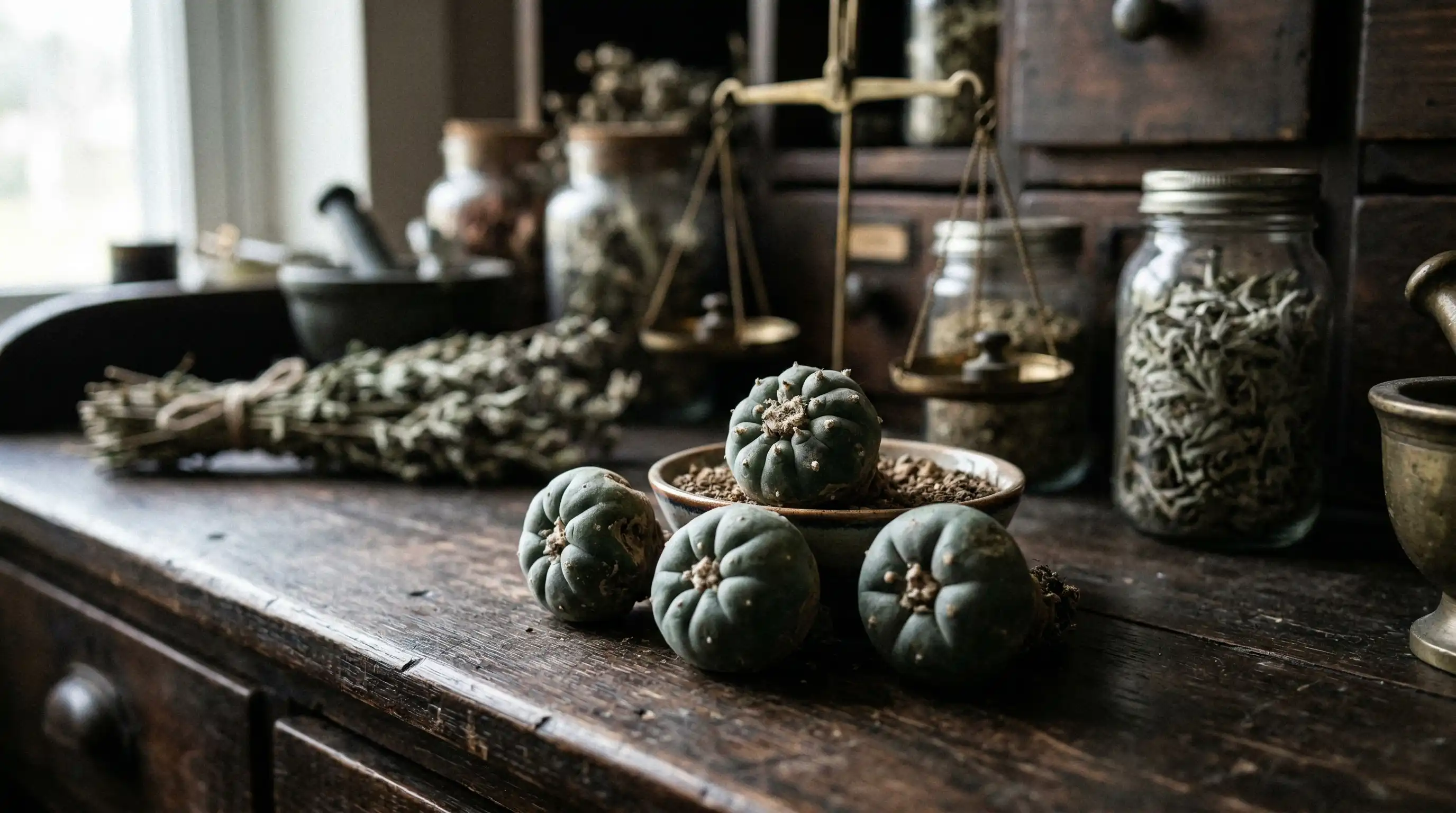
Mescaline Cacti
Always start with a low dose and read our safety guidelines before use.
San Pedro (Echinopsis pachanoi) and Peyote (Lophophora williamsii) are mescaline-containing cacti. Mescaline is a phenethylamine psychedelic producing visual, emotional, and spiritual experiences. San Pedro cacti are legally sold in Dutch smartshops as ornamental plants.

Overview
Mescaline cacti represent a fascinating intersection of botany, pharmacology, and human consciousness exploration. These remarkable plants, primarily consisting of Peyote (Lophophora williamsii), San Pedro (Trichocereus pachanoi), and Peruvian Torch (Trichocereus peruvianus), contain the naturally occurring psychedelic compound mescaline. Unlike synthetic psychedelics, mescaline cacti offer a plant-based psychedelic experience that has been utilized by indigenous cultures for thousands of years, particularly in the Americas where these cacti naturally grow in desert regions.
The primary psychoactive compound, mescaline (3,4,5-trimethoxyphenethylamine), belongs to the phenethylamine class of psychedelics, making it chemically distinct from tryptamine-based substances like psilocybin or DMT. This difference in chemical structure contributes to mescaline's unique experiential profile, which users often describe as more grounded and earthy compared to other classical psychedelics. The experience typically involves profound visual alterations, enhanced emotional sensitivity, and deep introspective states that can last between eight to twelve hours.
People seek out mescaline cacti for various reasons, including spiritual exploration, personal growth, creative inspiration, and therapeutic self-work. The plant's long history of traditional use in religious and healing contexts has contributed to its reputation as a teacher plant, with many users reporting insights into their personal lives, relationships, and place in the natural world. The relatively gentle onset and the plant's connection to nature appeal to those seeking a more organic psychedelic experience. However, it's crucial to understand that despite its natural origin, mescaline is a powerful psychoactive substance that requires careful consideration, proper preparation, and respect for its potent effects on consciousness and perception.
How It Works
Mescaline's psychoactive effects result from its interaction with various neurotransmitter systems in the brain, most notably the serotonergic system. As a phenethylamine derivative, mescaline primarily acts as a partial agonist at serotonin 2A (5-HT2A) receptors, which are heavily concentrated in the prefrontal cortex and other brain regions associated with perception, cognition, and consciousness. This receptor activation is considered the primary mechanism underlying mescaline's hallucinogenic properties, similar to other classical psychedelics like LSD and psilocybin, though the specific binding profile and resulting effects differ due to mescaline's unique molecular structure.
The activation of 5-HT2A receptors leads to increased neural activity and altered communication patterns between different brain regions. This disruption of normal neural networks, particularly the default mode network responsible for self-referential thinking and ego maintenance, contributes to the characteristic ego dissolution and altered sense of self that users experience. Additionally, mescaline shows affinity for other serotonin receptor subtypes, including 5-HT2B and 5-HT2C receptors, which may contribute to its distinct experiential qualities and longer duration compared to other psychedelics.
Beyond serotonin receptors, mescaline also interacts with dopaminergic and noradrenergic systems, though to a lesser extent. These interactions may contribute to the stimulating aspects of the mescaline experience and its effects on mood and energy levels. The compound also shows some activity at trace amine-associated receptors (TAARs), which are involved in modulating neurotransmitter systems and may play a role in the substance's overall psychoactive profile.
The pharmacokinetics of mescaline involve relatively slow absorption when consumed orally, typically taking one to three hours to reach peak plasma concentrations. The compound is metabolized primarily in the liver through various enzymatic pathways, with a significant portion excreted unchanged in urine. This slow metabolism contributes to mescaline's extended duration of action, with effects lasting eight to twelve hours or more. The gradual onset and extended duration distinguish mescaline from faster-acting psychedelics and require users to commit to a full day of altered consciousness.
What It Looks Like
Mescaline-containing cacti present in several distinct forms, each with characteristic physical features that help identify authentic specimens. Peyote (Lophophora williamsii) appears as small, spineless, button-shaped cacti with a distinctive blue-green to gray-green coloration. These "buttons" typically measure two to five centimeters in diameter and have a flattened, disc-like appearance with pronounced ribs radiating from the center. Fresh peyote buttons have a somewhat soft, fleshy texture, while dried specimens become hard and significantly darker, often appearing brown or black with a wrinkled surface.
San Pedro cactus (Trichocereus pachanoi) presents as tall, columnar cacti with a distinctive blue-green color and typically six to eight ribs running vertically along the stem. The cactus can grow several meters tall in its natural habitat, but commercially available specimens are usually sold as smaller sections or "logs" ranging from fifteen to sixty centimeters in length. The surface is relatively smooth with small areoles (spine-bearing structures) spaced along the ribs, though San Pedro typically has fewer and smaller spines compared to other columnar cacti.
Peruvian Torch (Trichocereus peruvianus) shares similarities with San Pedro but typically displays a darker green coloration and more pronounced spination. The ribs are often more defined and angular, and the cactus generally appears more robust and spiny than its San Pedro cousin. Both columnar species may be sold fresh, dried, or powdered, with dried material appearing significantly darker and more concentrated.
When purchasing mescaline cacti, buyers should be aware of potential misidentification or substitution with non-psychoactive species. Many columnar cacti look similar to untrained eyes, and some vendors may unknowingly or deliberately sell inactive species. Authentic specimens should come from reputable sources with proper botanical identification. Powdered cactus material should appear as a green to brown powder with a characteristic bitter, somewhat acrid taste. Buyers should be cautious of any products claiming unusually high potency or those that appear to have been adulterated with synthetic compounds.
What to Expect
The mescaline experience unfolds gradually over an extended period, typically beginning with subtle changes in perception and mood that slowly intensify over the first two to three hours. Users often report initial feelings of nausea or gastrointestinal discomfort during the onset phase, which is considered normal due to the plant material's natural compounds and alkaloids. This initial discomfort usually subsides as the primary effects develop, though some individuals may experience intermittent nausea throughout the experience.
As the effects intensify, users commonly report enhanced visual perception characterized by increased color saturation, geometric patterns, and flowing or breathing movements in stationary objects. Unlike the often intense and rapidly changing visuals associated with other psychedelics, mescaline's visual effects tend to be more stable and contemplative, allowing for sustained observation and appreciation. Many users describe seeing intricate patterns in natural textures, enhanced appreciation for art and beauty, and a sense that the visual world has become more alive and meaningful.
The emotional and psychological aspects of the mescaline experience are often described as warm, empathetic, and introspective. Users frequently report increased emotional sensitivity, enhanced empathy for others, and a deep sense of connection to nature and the environment. The experience often facilitates profound self-reflection and can bring suppressed emotions or memories to the surface for processing. Many individuals describe gaining new perspectives on personal relationships, life challenges, and their place in the world.
Cognitive effects include altered thought patterns, enhanced creativity, and changes in time perception. Users often report that time seems to slow down or become less relevant, allowing for deep contemplation and exploration of ideas. The thinking process may become more associative and less linear, leading to novel insights and creative solutions to problems. Some users experience what they describe as telepathic or mystical experiences, though these should be understood within the context of altered brain chemistry rather than supernatural phenomena.
The peak effects typically last four to six hours, followed by a gradual decline over several additional hours. Many users report feeling emotionally open and psychologically sensitive for up to twenty-four hours after the primary effects subside. The integration period following a mescaline experience is often considered as important as the experience itself, as users process insights and attempt to incorporate new perspectives into their daily lives.
Dosage significantly influences the intensity and character of the experience. Lower doses may produce subtle mood enhancement and mild visual changes, while higher doses can result in profound alterations of consciousness, intense visuals, and deep psychological exploration. Individual sensitivity varies considerably, and factors such as body weight, previous psychedelic experience, and personal biochemistry all influence the response to mescaline.
Preparation & Consumption
Proper preparation of mescaline cacti requires careful attention to both the physical processing of the plant material and the psychological and environmental preparation for the experience. The most common method of consumption involves creating a tea or extract from the cactus material, which requires several hours of preparation time. For San Pedro or Peruvian Torch, the outer waxy skin and spines must be carefully removed, leaving the green flesh that contains the highest concentration of mescaline. This material is then chopped into small pieces and simmered in water for several hours, often with the addition of acidic substances like lemon juice or vinegar to improve alkaloid extraction.
The resulting tea is typically bitter and unpalatable, leading many users to strain the liquid and consume it quickly or mix it with other flavors to mask the taste. Some individuals prefer to dry and powder the cactus material, which can then be encapsulated or mixed with food, though this method may result in more pronounced gastrointestinal effects. Peyote buttons are traditionally consumed fresh or dried, either chewed thoroughly or ground into powder. The bitter taste and potential for nausea make consumption challenging regardless of the preparation method.
Dosage guidelines for mescaline cacti are inherently imprecise due to natural variation in alkaloid content between individual plants and even different parts of the same plant. For San Pedro, a typical dose ranges from twenty to fifty grams of fresh material or five to fifteen grams of dried material, though potency can vary significantly. Peyote buttons are generally more potent, with one to five buttons representing a typical dose range. New users should always start with lower amounts to assess individual sensitivity and tolerance.
Set and setting considerations are crucial for a positive mescaline experience. The extended duration requires a full day commitment in a safe, comfortable environment where users won't be disturbed or need to interact with the outside world. Many people prefer natural outdoor settings when weather and circumstances permit, as the connection to nature is often an important aspect of the mescaline experience. Indoor environments should be comfortable and familiar, with access to soft lighting, comfortable seating, and calming music or nature sounds.
Mental preparation involves approaching the experience with respect and clear intentions. Users should be in a stable emotional state and free from major life stressors or psychological crises. Having an experienced, sober trip sitter present is highly recommended, especially for first-time users or those taking higher doses. The trip sitter should be familiar with psychedelic experiences and capable of providing reassurance and assistance if needed.
Physical preparation includes fasting for several hours before consumption to reduce nausea and improve absorption. Having light, easily digestible foods available for later in the experience is advisable, as appetite often returns during the comedown phase. Staying hydrated is important, though users should avoid excessive water consumption during the peak effects.
Safety First
Mescaline cacti, while naturally occurring, carry significant safety considerations that all users must understand before consumption. The most immediate contraindications involve individuals with cardiovascular conditions, as mescaline can increase heart rate and blood pressure. People with heart disease, hypertension, or a family history of cardiac problems should avoid mescaline entirely. Similarly, individuals with a personal or family history of psychotic disorders, schizophrenia, or bipolar disorder face increased risks of triggering or exacerbating these conditions and should not use mescaline.
Drug interactions present serious safety concerns, particularly with psychiatric medications. Monoamine oxidase inhibitors (MAOIs) can dangerously potentiate mescaline's effects and should never be combined with mescaline cacti. Selective serotonin reuptake inhibitors (SSRIs) and other antidepressants may reduce mescaline's effects or create unpredictable interactions. Users taking any psychiatric medications should consult with knowledgeable healthcare providers before considering mescaline use, though finding medical professionals comfortable discussing psychedelic use can be challenging.
The extended duration of mescaline experiences creates unique safety challenges. Users must ensure they have a full day available without responsibilities or obligations that could create dangerous situations. Driving or operating machinery is absolutely prohibited during and for at least twelve hours after consumption. The altered perception and judgment associated with mescaline make normal activities potentially hazardous.
Pregnancy and breastfeeding represent absolute contraindications for mescaline use, as the effects on fetal development and infant health are unknown and potentially harmful. Young people under eighteen should avoid mescaline, as their developing brains may be more susceptible to adverse effects, and they may lack the emotional maturity to handle intense psychedelic experiences safely.
Environmental safety considerations include ensuring access to clean water, appropriate shelter, and emergency communication methods. Users should inform trusted individuals about their plans and expected timeline, establishing check-in procedures for safety monitoring. Having emergency contact information readily available is essential, including local emergency services and poison control centers.
The risk of psychological trauma or difficult experiences requires careful consideration of mental health status and current life circumstances. Individuals dealing with recent trauma, grief, relationship problems, or major life transitions may be more vulnerable to challenging experiences that could worsen their psychological state. While some people find mescaline helpful for processing difficult emotions, this should only be attempted with appropriate support and preparation.
Adulteration risks, while less common with whole cactus material, can occur with powdered or processed products. Users should source materials from reputable suppliers and be aware that some products may contain synthetic additives or may be misidentified plant species with different effects or toxicity profiles.
History & Cultural Context
The history of mescaline cacti use stretches back thousands of years, with archaeological evidence suggesting that indigenous peoples of the Americas have utilized these plants for religious, medicinal, and spiritual purposes for at least 5,000 years. Peyote holds particular significance among Native American tribes of Mexico and the southwestern United States, where it remains central to traditional religious practices. The Huichol people of Mexico consider peyote sacred and incorporate it into elaborate pilgrimage ceremonies that connect participants with their ancestral spirits and the natural world.
The Native American Church, established in the late 19th century, legally protects the religious use of peyote among enrolled Native Americans in the United States, representing one of the few legal frameworks for psychedelic use in North America. This religious protection acknowledges the deep cultural significance and traditional knowledge surrounding peyote use, though it remains restricted to individuals with documented Native American heritage.
San Pedro cactus has an equally rich history in South American cultures, particularly among indigenous peoples of Peru, Ecuador, and Bolivia. Archaeological evidence from the Chavín culture (900-200 BCE) includes stone carvings depicting figures holding San Pedro cacti, indicating its ceremonial importance in pre-Columbian civilizations. Traditional curanderos (healers) continue to use San Pedro in healing ceremonies throughout the Andes, often combining it with other medicinal plants and ritual practices.
The scientific isolation of mescaline occurred in 1897 by German chemist Arthur Heffter, marking the beginning of Western scientific interest in the compound. Early 20th-century researchers, including Heinrich Klüver and later Aldous Huxley, conducted systematic studies of mescaline's effects on consciousness and perception. Huxley's famous account in "The Doors of Perception" (1954) brought mescaline to broader public attention and influenced the emerging counterculture movement of the 1960s.
During the mid-20th century, mescaline research contributed to the development of psychedelic therapy and consciousness research. Psychiatrists and psychologists explored its potential for treating various mental health conditions and understanding the nature of consciousness itself. However, the political backlash against psychedelics in the late 1960s led to restrictive legislation that largely ended legitimate research for several decades.
The contemporary renaissance in psychedelic research has renewed scientific interest in mescaline, though it remains less studied than psilocybin or LSD due to its longer duration and more complex preparation requirements. Modern research focuses on understanding mescaline's therapeutic potential, its unique pharmacological profile, and its role in traditional healing practices.
Cultural perceptions of mescaline cacti vary significantly across different societies and legal frameworks. While indigenous communities maintain traditional relationships with these plants based on centuries of accumulated knowledge, Western approaches often emphasize individual exploration and therapeutic applications. This cultural divide highlights important questions about cultural appropriation, intellectual property rights, and the respectful integration of traditional plant knowledge into modern contexts.
Emergency Guidance
Recognizing and responding to mescaline-related emergencies requires understanding both the psychological and physical signs that indicate serious problems requiring immediate intervention. Psychological emergencies typically manifest as extreme anxiety, panic attacks, paranoid thinking, or complete loss of contact with reality. Signs include uncontrollable crying or screaming, aggressive or self-destructive behavior, complete disorientation, or statements indicating intent to harm oneself or others. Physical emergency signs include severe hyperthermia (overheating), rapid or irregular heartbeat, difficulty breathing, seizures, loss of consciousness, or persistent vomiting that could lead to dehydration.
When someone experiences a difficult psychological reaction, the first priority is ensuring their physical safety and providing calm, reassuring support. Move the person to a quiet, comfortable environment away from stimulating lights, sounds, or crowds. Speak in a calm, gentle voice and remind them that they have taken a substance and that the effects will pass. Avoid arguing with their perceptions or trying to convince them that their experience isn't real, as this can increase anxiety and resistance. Instead, acknowledge their feelings while providing gentle reality anchoring through simple, factual statements about their safety and the temporary nature of
Legal Status in NL
San Pedro cacti are legal to sell as ornamental plants. Extracting mescaline is illegal. Peyote is specifically regulated.
Available in 159 shops across 61 cities. Most shops in Amsterdam (28), Rotterdam (13), Groningen (9).
Dosage Guide
Experience Timeline
Effect Profile
Positive Effects
Side Effects
Safety & Harm Reduction
Warnings
- Long duration — plan accordingly
- Nausea is very common
- Have a trip sitter
- Stay hydrated
Harm Reduction Tips
- Start with a low dose to assess individual sensitivity
- Have a trusted, sober trip sitter present
- Use in a safe, comfortable, familiar environment
- Fast for 6-8 hours before consumption to reduce nausea
- Stay hydrated but avoid excessive water intake
- Prepare anti-nausea remedies like ginger tea
- Clear your schedule for 12-16 hours
- Have benzodiazepines available for emergency trip termination
- Avoid driving or operating machinery for 24 hours
- Test cactus identification with experts before consumption
Contraindications
- —Heart conditions
- —Psychotic disorders
- —Pregnancy
Emergency Information
If experiencing severe anxiety or panic, move to a calm, safe environment with trusted individuals and practice slow, deep breathing. Seek immediate medical attention for symptoms like chest pain, difficulty breathing, hyperthermia, or signs of serotonin syndrome. Remember that the effects are temporary and will pass with time.
Interactions
MAOIsDangerous
LithiumDangerous
TramadolDangerous
SSRIs/SNRIsCaution
StimulantsCaution
AlcoholCaution
CannabisCaution
Other PsychedelicsCaution
BenzodiazepinesSafe
Frequently Asked Questions
Can I buy San Pedro cactus in the Netherlands?▾
Yes, San Pedro cacti are legally sold in smartshops and garden centers as ornamental plants.
Where to Buy Mescaline Cacti
Related Searches
References
- Jay M. Mescaline: a global history of the first psychedelic · Yale University Press · 2019
- Shulgin AT, Shulgin A. Pharmacology of mescaline-related compounds · Transform Press · 1991
- Nichols DE. The phenethylamine psychedelics: chemical, pharmacological and cultural perspective · Journal of Psychopharmacology · 2021doi:10.1177/02698811211013583
- Ogunbodede O, McCombs D, Trout K, Daley P, Terry M. Mescaline and the San Pedro cactus: psychoactive phenethylamines from Echinopsis pachanoi · Journal of Ethnopharmacology · 2010doi:10.1016/j.jep.2010.04.033
- Pardanani JH, McLaughlin JL, Kondrat RW, Cooks RG. Alkaloid content of Trichocereus species · Lloydia · 1977
- Johansen PO, Krebs TS. Psychedelics and mental health: a population study · PLoS One · 2015doi:10.1371/journal.pone.0063972
- Ly C, Greb AC, Cameron LP, Wong JM, Barragan EV, Wilson PC, Burbach KF, Soltanzadeh Zarandi S, Sood A, Paddy MR, Duim WC, Dennis MY, McAllister AK, Ori-McKenney KM, Gray JA, Olson DE. Classic hallucinogens as psychoplastogens · Cell Reports · 2018doi:10.1016/j.celrep.2018.05.022
- Carhart-Harris RL, Nutt DJ. Serotonin 2A receptors are a stress response system: implications for post-traumatic stress disorder · Behavioural Pharmacology · 2017doi:10.1097/FBP.0000000000000363
Disclaimer: This information is for educational purposes only and does not constitute medical advice. Always consult a qualified healthcare professional before using any substance. If you experience adverse effects, contact your doctor or call 112 (Netherlands emergency).