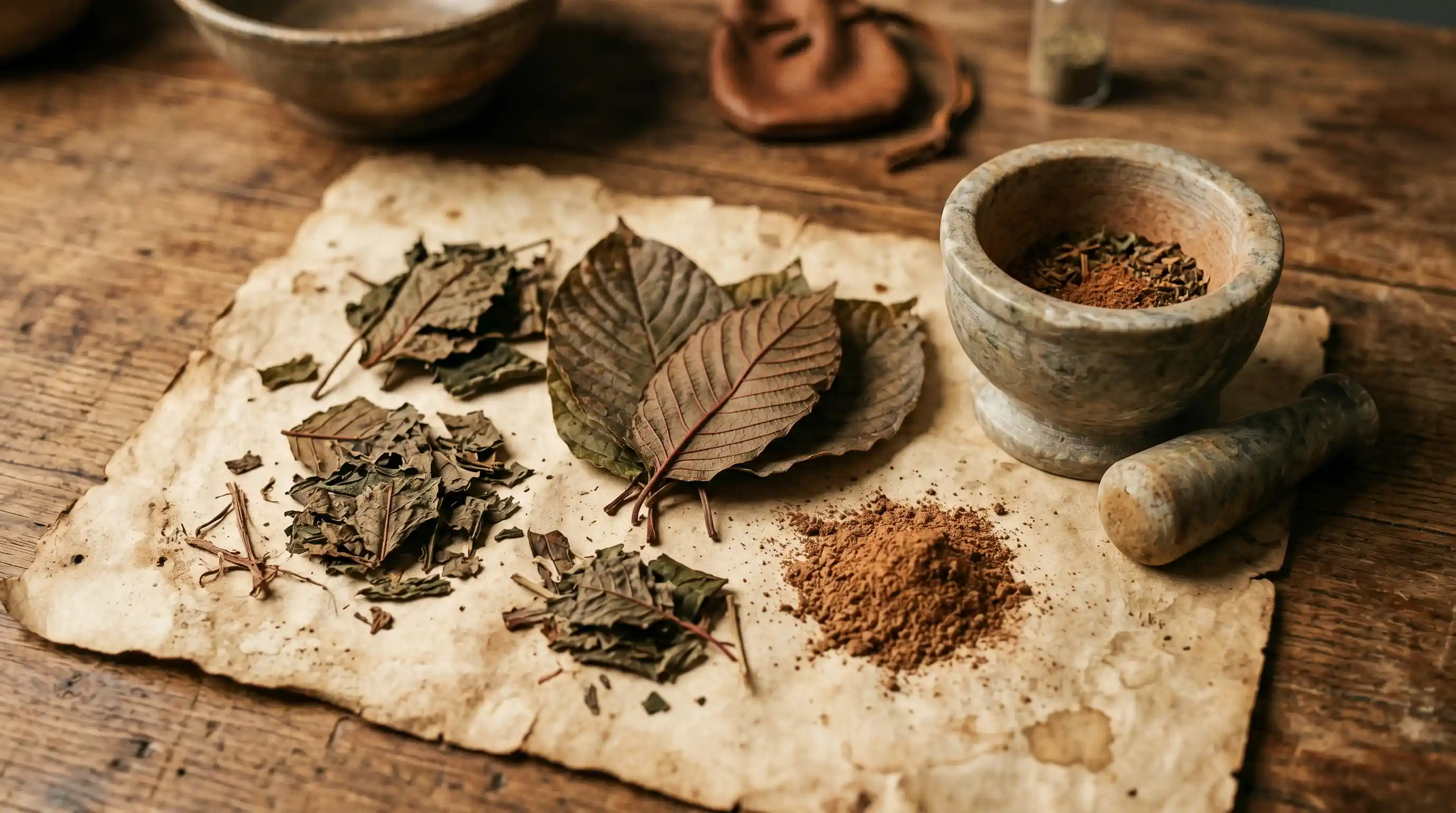
Kratom Red Vein Borneo
Always start with a low dose and read our safety guidelines before use.
Red Vein Borneo kratom is known for its sedating and pain-relieving properties due to high 7-hydroxymitragynine content. It produces relaxation, mood enhancement, and analgesic effects lasting 4-6 hours. Popular in Dutch smartshops as a natural alternative for stress relief and sleep support.

Overview
Kratom Red Vein Borneo (Mitragyna speciosa) represents one of the most sought-after strains within the kratom family, distinguished by its characteristic red-veined leaves and origins from the island of Borneo. This tropical evergreen tree, native to Southeast Asia, produces leaves that have been traditionally harvested and processed for their psychoactive properties. The "red vein" designation refers to the color of the leaf's central vein and stems, which indicates a specific alkaloid profile that develops as the leaves mature on the tree before harvesting.
Red Vein Borneo is particularly valued for its sedating and analgesic properties, making it distinct from its white and green vein counterparts. Users typically report that this strain provides more pronounced relaxation, pain relief, and mood enhancement compared to other kratom varieties. The alkaloid composition, dominated by mitragynine and 7-hydroxymitragynine, creates effects that many describe as calming and euphoric, with less stimulation than other strains.
People commonly use Red Vein Borneo for various purposes including managing chronic pain, reducing anxiety, improving sleep quality, and addressing symptoms of opioid withdrawal. The strain's reputation for providing sustained relief without excessive stimulation has made it popular among individuals seeking natural alternatives to pharmaceutical interventions. However, it's crucial to understand that kratom exists in a complex legal landscape across different jurisdictions, and its safety profile requires careful consideration. The effects can vary significantly between individuals due to factors including body weight, tolerance, metabolism, and the specific alkaloid content of the particular batch consumed.
How It Works
Kratom Red Vein Borneo exerts its effects through a complex interaction with multiple neurotransmitter systems in the brain and body. The primary active compounds are indole alkaloids, with mitragynine comprising approximately 66% of the total alkaloid content and 7-hydroxymitragynine making up a smaller but significant portion. These alkaloids function as partial agonists at mu-opioid receptors, which explains kratom's analgesic and mood-altering properties. Unlike full opioid agonists such as morphine or fentanyl, kratom's partial agonism creates a "ceiling effect" that may reduce the risk of respiratory depression, though this protective mechanism is not absolute.
The pharmacological activity extends beyond opioid receptors. Mitragynine also interacts with alpha-2 adrenergic receptors, contributing to sedative effects, and demonstrates activity at serotonin and dopamine receptors, influencing mood and motivation. The 7-hydroxymitragynine metabolite, formed when mitragynine is processed by the liver, shows significantly higher potency at opioid receptors and contributes substantially to the overall effects experienced by users.
Red Vein Borneo's specific alkaloid profile, influenced by factors including soil composition, climate, harvesting timing, and processing methods, tends to favor compounds that promote relaxation and analgesia. The red vein varieties typically contain higher concentrations of 7-hydroxymitragynine compared to white or green strains, contributing to their more sedating character. Additionally, compounds like speciogynine and paynantheine present in red vein strains may contribute to muscle relaxation and anti-inflammatory effects.
The onset of effects typically occurs within 30-60 minutes of oral consumption, as the alkaloids must be absorbed through the digestive system and metabolized by the liver. Peak effects generally occur 2-4 hours after consumption, with the total duration lasting 4-6 hours depending on dose and individual factors. The metabolism involves cytochrome P450 enzymes, particularly CYP3A4, which can be influenced by other substances and medications, potentially altering kratom's effects and duration.
What It Looks Like
Kratom Red Vein Borneo typically appears as a fine, powdery substance with a characteristic green to brownish-green coloration, despite the "red vein" designation referring to the fresh leaf's vein color rather than the processed powder. The powder should have a consistent, flour-like texture without visible stems, large leaf fragments, or foreign materials. High-quality Red Vein Borneo powder exhibits a fresh, earthy aroma reminiscent of green tea or dried herbs, without musty, moldy, or chemical odors that might indicate poor storage or contamination.
The powder is commonly packaged in sealed plastic bags, glass jars, or foil pouches, often labeled with strain name, batch information, and vendor details. Reputable vendors typically provide packaging that protects against moisture and light exposure, which can degrade the alkaloid content over time. Some suppliers offer kratom in capsule form, where the powder is encased in gelatin or vegetarian capsules for easier consumption and precise dosing.
When examining kratom powder, consumers should be aware of potential adulterants or quality issues. Pure kratom should not contain visible foreign materials, unusual colors, or synthetic additives. Some unscrupulous vendors may mix kratom with other plant materials, synthetic compounds, or even dangerous substances to increase weight or alter effects. Signs of adulteration include unusual coloration, synthetic chemical odors, or effects that seem inconsistent with typical kratom experiences.
Crushed leaf kratom, less common than powder, appears as small, dried leaf fragments with visible red veining on higher-quality specimens. This form allows for better verification of authenticity but requires additional preparation for consumption. Some vendors also offer kratom extracts, which appear as dark, resinous substances or concentrated powders with significantly higher potency than standard leaf powder.
What to Expect
The Red Vein Borneo experience typically unfolds in distinct phases, beginning with a subtle onset period where users may notice initial relaxation and mood improvement. At lower doses (2-4 grams), effects often manifest as mild euphoria, reduced anxiety, and gentle pain relief without significant sedation. Users frequently report feeling more sociable and optimistic, with enhanced appreciation for music, conversation, or creative activities. Physical sensations may include warmth, muscle relaxation, and a general sense of well-being.
As doses increase to moderate levels (4-6 grams), the sedating properties become more pronounced. Users typically experience deeper relaxation, more substantial pain relief, and increased drowsiness. This dose range often produces what many describe as a "nodding" effect, where users feel pleasantly drowsy and may drift in and out of light sleep while remaining conscious. Anxiety and stress tend to diminish significantly, replaced by feelings of contentment and tranquility. Some users report enhanced introspection and emotional processing during this phase.
Higher doses (6-8 grams or more) tend to produce predominantly sedating effects, with strong analgesic properties and significant drowsiness. Users often experience what's described as "couch-lock," where physical movement becomes less appealing and the desire to remain stationary increases substantially. Pain relief at these doses can be quite pronounced, leading some individuals to use Red Vein Borneo as an alternative to prescription pain medications. However, higher doses also increase the risk of adverse effects including nausea, dizziness, and respiratory depression.
The duration of effects typically spans 4-6 hours, with peak intensity occurring 2-3 hours after consumption. The comedown is generally gradual and gentle, though some users report mild fatigue or mood changes as effects subside. Individual responses vary considerably based on factors including body weight, metabolism, food intake, tolerance level, and the specific alkaloid content of the particular batch consumed. First-time users often find the effects more pronounced and longer-lasting than experienced users who have developed tolerance.
Preparation & Consumption
The most common method of consuming Kratom Red Vein Borneo involves mixing the powder with liquid, typically water, juice, or tea. The traditional "toss and wash" method involves placing the measured powder directly in the mouth and washing it down with liquid, though this technique requires practice to avoid choking or experiencing the bitter taste. Many users prefer mixing kratom powder into orange juice, chocolate milk, or smoothies to mask the naturally bitter flavor. Stirring thoroughly is essential, as kratom powder tends to clump and float on liquid surfaces.
Tea preparation represents another popular consumption method, involving steeping kratom powder in hot (not boiling) water for 15-20 minutes before straining. Some users add lemon juice or other acidic components, believing this enhances alkaloid extraction, though scientific evidence for this practice remains limited. The resulting tea can be consumed hot or cold and may be flavored with honey, sugar, or other additives to improve palatability.
Capsule consumption offers precise dosing and eliminates taste concerns but may result in delayed onset due to the time required for capsule dissolution. Users should account for this delayed onset to avoid accidental overdosing through impatience. Some individuals prefer making their own capsules using empty gelatin or vegetarian capsules and a small scale for accurate measurement.
Dosing guidelines for Red Vein Borneo typically start at 2-3 grams for beginners, with experienced users sometimes consuming 6-8 grams or more. However, kratom exhibits a dose-response curve where higher doses don't necessarily produce proportionally stronger effects and may instead increase adverse reactions. Starting with lower doses and gradually increasing allows users to find their optimal range while minimizing risks.
Set and setting considerations include consuming kratom in comfortable, safe environments, particularly for first-time users or when trying higher doses. Having a trusted, sober companion present can provide additional safety. Users should avoid driving or operating machinery while under kratom's influence and should not combine kratom with alcohol or other depressant substances.
Safety First
Kratom Red Vein Borneo carries several important safety considerations that users must understand before consumption. The substance can cause physical dependence with regular use, leading to withdrawal symptoms including irritability, anxiety, muscle aches, and sleep disturbances when discontinuing. Tolerance develops relatively quickly, requiring increasingly larger doses to achieve the same effects, which escalates both dependence risk and potential for adverse reactions.
Respiratory depression, while less common than with traditional opioids, remains a serious risk, particularly at higher doses or when combined with other depressant substances. Users with respiratory conditions, sleep apnea, or other breathing disorders face elevated risks and should consult healthcare providers before using kratom. The combination of kratom with alcohol, benzodiazepines, or other central nervous system depressants significantly increases the risk of dangerous respiratory depression and should be strictly avoided.
Drug interactions present another critical safety concern. Kratom is metabolized by cytochrome P450 enzymes, particularly CYP3A4, which also processes many common medications including certain antidepressants, blood thinners, and heart medications. These interactions can either increase kratom's effects to dangerous levels or reduce the effectiveness of prescribed medications. Individuals taking any prescription medications should consult healthcare providers before using kratom.
Contraindications include pregnancy and breastfeeding, as kratom's effects on fetal development and infant health remain unknown. Individuals with liver disease, kidney problems, heart conditions, or mental health disorders should exercise extreme caution or avoid kratom entirely. The substance may exacerbate certain psychiatric conditions or interfere with prescribed treatments.
Quality and purity concerns represent ongoing safety challenges in the kratom market. Unregulated production can result in contamination with heavy metals, bacteria, or adulterants. Users should source kratom only from reputable vendors who provide third-party testing results and avoid products with unusual appearances, odors, or effects. Some kratom products have been found to contain synthetic opioids or other dangerous adulterants.
History & Cultural Context
Kratom's history spans centuries within Southeast Asian cultures, where indigenous communities have traditionally used the leaves for their medicinal and psychoactive properties. In Thailand, Malaysia, and other regional countries, kratom (known locally as "ketum," "thom," or "biak") has been consumed by laborers and farmers to combat fatigue, manage pain, and enhance work productivity. Traditional preparation methods included chewing fresh leaves or brewing them into teas, practices that continue in rural communities today.
The specific Red Vein Borneo strain originates from the island of Borneo, shared by Indonesia, Malaysia, and Brunei, where unique soil conditions and climate contribute to its distinctive alkaloid profile. Indigenous Dayak peoples and other ethnic groups have incorporated kratom into traditional medicine systems, using different strains and preparations for various ailments including diarrhea, pain, fever, and mood disorders.
Western awareness of kratom began in the 19th century when Dutch colonial botanist Pieter Willem Korthals first scientifically described Mitragyna speciosa in 1839. However, widespread Western interest didn't emerge until the late 20th and early 21st centuries, coinciding with increased global communication and the rise of internet-based commerce. The opioid crisis in Western countries has significantly increased interest in kratom as a potential alternative for pain management and addiction treatment.
Legal status varies dramatically across jurisdictions and continues evolving. Several Southeast Asian countries, including Thailand and Malaysia, have historically banned kratom despite its traditional use, though some are reconsidering these policies. In the United States, kratom remains federally legal but faces ongoing regulatory scrutiny from the DEA and FDA, with several states implementing their own restrictions. European countries show mixed approaches, with some allowing kratom sales while others have implemented bans.
The cultural perception of kratom has shifted from a traditional medicine to a controversial substance caught between advocates promoting its therapeutic potential and regulators concerned about safety and abuse potential. This tension reflects broader debates about drug policy, traditional medicine validation, and individual autonomy in health decisions.
Emergency Guidance
Recognizing kratom-related emergencies requires understanding both common adverse effects and serious warning signs that demand immediate medical attention. Mild adverse reactions include nausea, vomiting, dizziness, and constipation, which typically resolve without intervention. However, severe symptoms including difficulty breathing, chest pain, rapid or irregular heartbeat, severe confusion, loss of consciousness, or seizures require immediate emergency medical care.
If someone experiences a kratom-related emergency, call emergency services immediately (112 in the Netherlands, 911 in North America) and provide clear information about kratom consumption, including the amount consumed, timing, and any other substances involved. Be honest with medical personnel about kratom use, as this information is crucial for proper treatment and is protected by medical confidentiality.
While waiting for emergency services, keep the affected person awake and responsive if possible. If they're unconscious but breathing, place them in the recovery position to prevent choking on vomit. Monitor breathing and pulse continuously, and be prepared to perform CPR if breathing stops. Do not induce vomiting unless specifically instructed by emergency personnel, as this can cause additional complications.
For less severe adverse reactions, supportive care may be sufficient. Encourage the person to remain calm and in a safe environment. Provide water to prevent dehydration, but avoid large amounts if nausea is present. Fresh air and cool temperatures may help with dizziness or overheating. If symptoms persist or worsen, seek medical attention even if they don't seem immediately life-threatening.
Prevention remains the best approach to avoiding kratom emergencies. This includes starting with low doses, avoiding combinations with other substances, using kratom only in safe environments, and having a sober companion present when trying new doses or strains. Users should also be aware of their personal risk factors and avoid kratom if they have conditions that increase their vulnerability to adverse effects.
Keep emergency contact information readily available, including local emergency services, poison control centers, and trusted healthcare providers. Consider informing a trusted friend or family member about kratom use so they can provide assistance if needed. Remember that seeking medical help for drug-related emergencies is always the right choice, and healthcare providers are focused on treatment rather than judgment.
Legal Status in NL
Legal
Available in 164 shops across 61 cities. Most shops in Amsterdam (31), Rotterdam (13), Groningen (9).
Dosage Guide
Experience Timeline
Effect Profile
Positive Effects
Side Effects
Safety & Harm Reduction
Harm Reduction Tips
- Start with lowest possible dose (1-2g) and wait at least 45 minutes before redosing
- Avoid daily use to prevent tolerance and dependence development
- Stay well hydrated as kratom can cause dehydration
- Use a precise scale to measure doses rather than estimating
- Avoid driving or operating machinery due to sedating effects
- Take breaks between usage periods to prevent tolerance buildup
- Be aware that kratom can cause physical dependence with regular use
- Source from reputable vendors who test for contaminants
- Keep a usage log to monitor frequency and effects
- Avoid mixing with other depressants or medications without medical consultation
Emergency Information
If experiencing severe nausea, vomiting, or respiratory depression, seek immediate medical attention and inform healthcare providers about kratom use. For mild adverse effects, stay hydrated, rest in a comfortable environment, and consider activated charcoal if recently ingested. Contact poison control or emergency services if symptoms worsen or include difficulty breathing.
Interactions
Opioids⚠️Deadly
AlcoholDangerous
BenzodiazepinesDangerous
MAOIsDangerous
TramadolDangerous
SSRIs/SNRIsCaution
StimulantsCaution
CannabisCaution
Experience Levels
As a first-time user, expect Red Vein Borneo to provide gentle, gradual relaxation beginning 30-45 minutes after consumption. Starting with 1-2 grams, you'll likely notice stress melting away and a sense of calm settling over you. The experience is typically described as warm and comforting, with mild euphoria and noticeable pain relief if you have any discomfort. Physical sensations include muscle relaxation and possible drowsiness - this strain is particularly sedating compared to other kratom varieties. Mental effects often include reduced anxiety, improved mood, and a peaceful mindset. Some beginners report slight nausea initially, which usually subsides as the main effects develop. The sedating nature makes this ideal for evening use or when you have no responsibilities requiring alertness. Duration is typically 4-5 hours for beginners, with effects gradually tapering off. You may feel slightly tired the next day, similar to after taking a strong sleep aid. Keep water nearby and avoid any activities requiring coordination or mental sharpness during your experience.
Frequently Asked Questions
Is Kratom Red Vein Borneo legal in the Netherlands?▾
Yes, Kratom Red Vein Borneo is completely legal in the Netherlands. It can be purchased, possessed, and consumed without legal restrictions. However, always verify current regulations as laws can change, and be aware that kratom's legal status varies significantly between countries.
What's the recommended dosage for beginners?▾
Beginners should start with 1-2 grams to assess tolerance and sensitivity. This low dose allows you to gauge your body's response without overwhelming effects. Wait at least 45-60 minutes before considering additional doses, as kratom's onset can be gradual and effects may intensify unexpectedly.
How long do the effects of Red Vein Borneo last?▾
Effects typically last 4-6 hours, with peak intensity occurring 1-2 hours after consumption. The duration can vary based on individual metabolism, body weight, food intake, and dosage. Higher doses generally produce longer-lasting effects, while lower doses may wear off sooner.
What should I expect from my first Red Vein Borneo experience?▾
First-time users typically experience mild relaxation, stress relief, and a sense of calm within 30-45 minutes. Red Vein Borneo is known for its sedating properties, so you may feel drowsy or peaceful. Some users report mild euphoria and pain relief, making it popular for evening use or stress management.
Are there any safety risks or side effects?▾
Common side effects include nausea, dizziness, constipation, and drowsiness, especially at higher doses. More serious risks include potential dependency with regular use and possible interactions with medications. Always start with low doses and avoid combining with alcohol, sedatives, or other depressants.
Can Red Vein Borneo interact with medications?▾
Yes, kratom can interact with various medications, particularly those affecting the liver's cytochrome P450 enzymes. It may enhance the effects of sedatives, pain medications, and antidepressants. Always consult with a healthcare provider before using kratom if you take prescription medications or have underlying health conditions.
Where can I buy Red Vein Borneo in the Netherlands?▾
Red Vein Borneo is available at licensed smartshops throughout the Netherlands, both in physical stores and online retailers. Look for reputable vendors who provide lab-tested products and clear dosage information. Avoid purchasing from unverified sources to ensure product quality and safety.
Can I travel with kratom within or outside the Netherlands?▾
Within the Netherlands, traveling with kratom is legal. However, kratom is illegal in many countries including several EU nations, the UK, and various US states. Never travel internationally with kratom without thoroughly researching the destination's laws, as penalties can be severe in countries where it's prohibited.
How does Red Vein Borneo differ from other kratom strains?▾
Red Vein Borneo is particularly high in 7-hydroxymitragynine, making it more sedating and analgesic compared to white or green vein strains. It's considered one of the most relaxing kratom varieties, ideal for evening use, sleep support, and pain management rather than energy or focus enhancement.
What's the best way to consume Red Vein Borneo?▾
The most common method is the 'toss and wash' technique - placing powder in your mouth and washing it down with liquid. Alternatively, mix it into juice, smoothies, or make tea. Some prefer capsules for convenience and taste masking, though they may have slower onset times.
How often can I safely use Red Vein Borneo?▾
To minimize dependency risk, limit use to 2-3 times per week maximum with at least one day between doses. Daily use significantly increases tolerance and withdrawal potential. Many experienced users recommend taking regular breaks of several days to weeks to maintain effectiveness and prevent habituation.
What should I avoid when using Red Vein Borneo?▾
Avoid alcohol, benzodiazepines, opioids, and other central nervous system depressants as combinations can be dangerous. Don't drive or operate machinery due to sedating effects. Avoid use if pregnant, breastfeeding, or if you have liver problems, respiratory issues, or a history of substance abuse.
Is Red Vein Borneo suitable for pain management?▾
Many users report significant pain relief from Red Vein Borneo due to its high 7-hydroxymitragynine content, which has opioid-like analgesic properties. However, it should not replace proper medical treatment for chronic pain conditions. Always consult healthcare providers for persistent pain issues and discuss kratom use openly.
How do I know if I've taken too much?▾
Signs of excessive dosage include severe nausea, vomiting, dizziness, extreme sedation, or difficulty staying awake. If you experience these symptoms, stop use immediately, stay hydrated, and seek medical attention if symptoms are severe. Having a sober friend present during first experiences is advisable.
Can I build tolerance to Red Vein Borneo?▾
Yes, regular use leads to tolerance, requiring higher doses for the same effects. This increases both cost and risk of side effects or dependency. To prevent tolerance, use sparingly, take regular breaks, and rotate between different strains if you choose to use kratom regularly.
How It Compares — Kratom Red Vein Borneo
| Dimension | Kratom Red Vein Borneo | Kratom (General) | Kanna | Blue Lotus |
|---|---|---|---|---|
| Intensity | 6/10 | 4/10 | 4/10 | 2/10 |
| Duration | 4-6 hours | 3-5 hours | 2-4 hours | 2-3 hours |
| Onset Time | 30-45 minutes | 15-30 minutes | 15-30 minutes | 20-40 minutes |
| Legal Status NL | Legal | Legal | Legal | Legal |
| Sedation Level | High | Variable | — | Mild |
| Best For | Pain relief, sleep | Various purposes | Mood, anxiety | Relaxation, dreams |
| Risk Profile | Moderate dependency risk | Moderate dependency risk | — | — |
Related Searches
References
- Kruegel AC, Gassaway MM, Kapoor A, Váradi A, Majumdar S, Filizola M, Javitch JA, Sames D. Mitragynine/Corynantheidine Pseudoindoxyls As Opioid Analgesics with Mu Agonism and Delta Antagonism, Which Do Not Recruit β-Arrestin-2 · Proceedings of the National Academy of Sciences · 2016doi:10.1073/pnas.1521825113
- Swogger MT, Walsh Z. The therapeutic potential of kratom · Current Opinion in Psychology · 2018doi:10.1016/j.copsyc.2017.12.001
- Prozialeck WC, Jivan JK, Andurkar SV. Pharmacology of kratom: an emerging botanical agent with stimulant, analgesic and opioid-like effects · Journal of the American Osteopathic Association · 2012doi:10.7556/jaoa.2012.112.12.792
- Idayu NF, Hidayat MT, Moklas MA, Sharida F, Raudzah AR, Shamima AR, Apryani E. Mitragyna speciosa korth: insight on its pharmacological activities and toxicological evaluations · Journal of Ethnopharmacology · 2011doi:10.1016/j.jep.2011.08.053
- Grundmann O. Kratom (Mitragyna speciosa): User demographics, use patterns, and implications for the clinical laboratory · Journal of Clinical Laboratory Analysis · 2017doi:10.1002/jcla.22260
- Trakulsrichai S, Sathirakul K, Auparakkitanon S, Krongvorakul J, Sueajai J, Noumjad N, Sukasem C, Wananukul W. Pharmacokinetics of mitragynine in man · Drug Design, Development and Therapy · 2015doi:10.2147/DDDT.S79658
- Obeng S, Kamble SH, Reeves ME, Restrepo LF, Patel A, Behnke M, Chear NJ, Ramanathan S, Sharma A, León F, Hiranita T, Avery BA, McMahon LR, McCurdy CR. Kratom alkaloids: interactions with enzymes, receptors, and cellular pathways · Frontiers in Pharmacology · 2020doi:10.3389/fphar.2020.598598
- Singh D, Müller CP, Vicknasingam BK. Kratom (Mitragyna speciosa) dependence, withdrawal symptoms and craving in regular users · Drug and Alcohol Dependence · 2014doi:10.1016/j.drugalcdep.2014.01.025
Disclaimer: This information is for educational purposes only and does not constitute medical advice. Always consult a qualified healthcare professional before using any substance. If you experience adverse effects, contact your doctor or call 112 (Netherlands emergency).