Kratom
Always start with a low dose and read our safety guidelines before use.
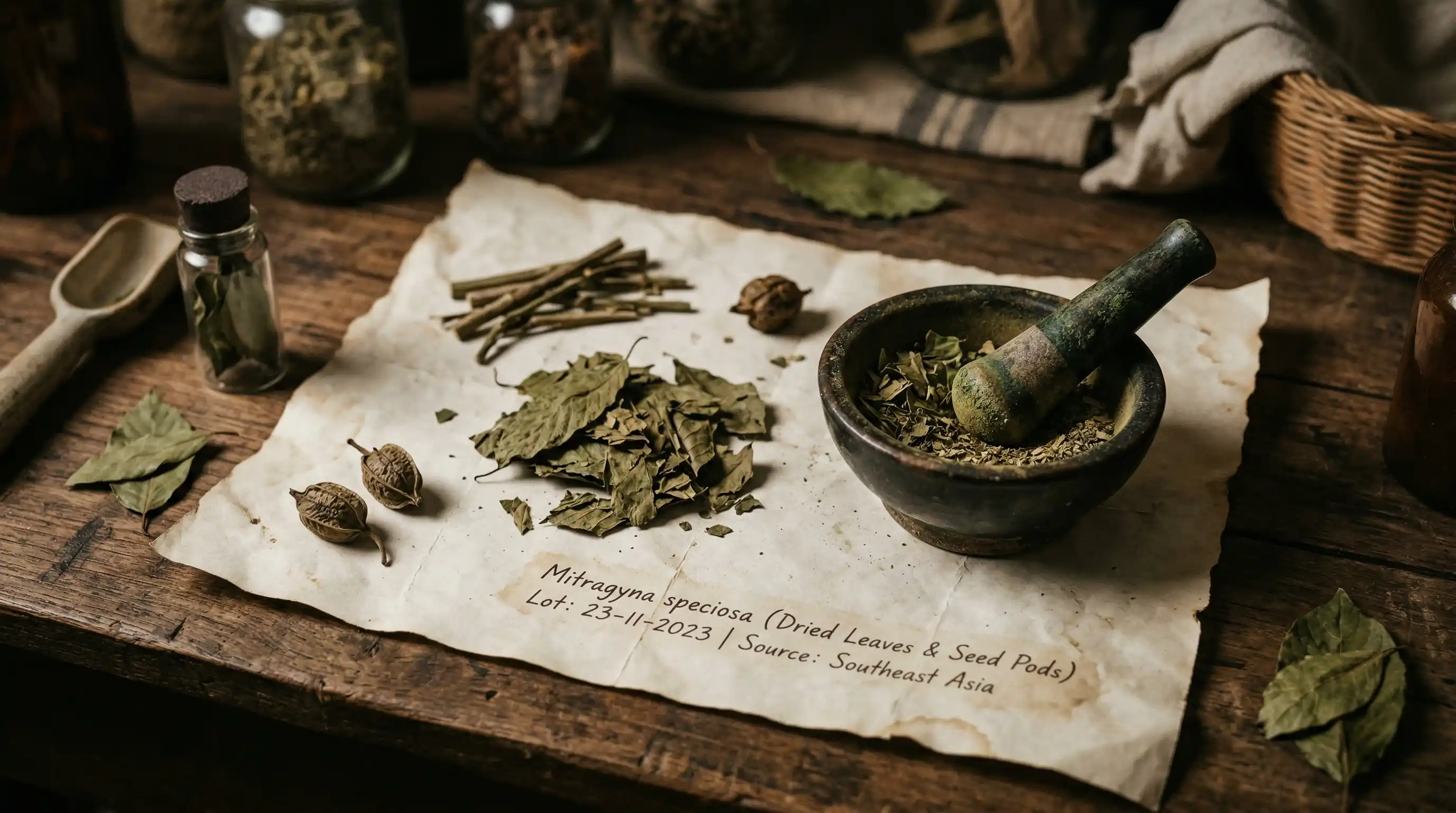
Kratom (Mitragyna speciosa) is a tropical tree native to Southeast Asia. Its leaves contain mitragynine and 7-hydroxymitragynine, which interact with opioid receptors. At low doses, kratom acts as a stimulant; at higher doses, it has sedative and pain-relieving effects. It is widely available in Dutch smartshops and online shops.

Overview
Kratom (Mitragyna speciosa) is a tropical evergreen tree native to Southeast Asia, belonging to the coffee family Rubiaceae. The leaves of this tree have been used for centuries in traditional medicine and cultural practices throughout Thailand, Malaysia, Indonesia, and Myanmar. In recent decades, kratom has gained significant attention in Western countries as an herbal supplement, with users seeking its reported effects for pain management, mood enhancement, energy boost, and assistance with opioid withdrawal.
The active compounds in kratom leaves, primarily mitragynine and 7-hydroxymitragynine, interact with opioid receptors in the brain, producing effects that can range from stimulating at lower doses to sedating at higher doses. This dual nature makes kratom unique among psychoactive substances, as it can function as both a stimulant and a depressant depending on the amount consumed and individual physiology.
People use kratom for various reasons, including managing chronic pain, reducing anxiety and depression symptoms, increasing energy and focus for work or study, and as a potential aid in overcoming dependence on other substances, particularly opioids. Some users also report using kratom recreationally for its mood-enhancing properties and sense of well-being it can provide.
The legal status of kratom varies significantly worldwide. In its native regions, some countries have banned its use, while others maintain traditional acceptance. In Europe, including the Netherlands, kratom exists in a complex legal landscape where it may be available in smart shops but faces ongoing regulatory scrutiny. Users should always verify current local laws before purchasing or consuming kratom, as regulations continue to evolve as governments assess its safety profile and potential for abuse.
How It Works
Kratom's pharmacological effects stem from its complex alkaloid profile, with over 40 different alkaloids identified in the plant. The two most significant compounds are mitragynine, which comprises roughly 66% of the total alkaloid content, and 7-hydroxymitragynine, a more potent but less abundant alkaloid that accounts for approximately 2% of the total alkaloids. These compounds interact with multiple receptor systems in the brain, creating kratom's unique and dose-dependent effects.
The primary mechanism of action involves interaction with opioid receptors, particularly the mu-opioid receptors that are also targeted by traditional opioids like morphine and heroin. However, kratom alkaloids act as partial agonists rather than full agonists at these receptors, meaning they activate the receptors but with a ceiling effect that may reduce the risk of respiratory depression compared to full opioid agonists. This partial agonism is thought to contribute to kratom's relatively safer profile regarding overdose risk.
At lower doses, kratom's stimulating effects appear to result from interactions with adrenergic receptors and dopamine systems. Mitragynine can block certain potassium channels and activate norepinephrine and serotonin receptors, contributing to increased alertness, energy, and mood enhancement. The stimulant effects may also involve antagonism of adenosine receptors, similar to caffeine's mechanism of action.
As doses increase, the opioid receptor activity becomes more pronounced, leading to analgesic and sedating effects. The 7-hydroxymitragynine compound is particularly potent at mu-opioid receptors and is largely responsible for the pain-relieving and euphoric effects experienced at higher doses. Additionally, kratom alkaloids interact with alpha-2 adrenergic receptors, which may contribute to sedation and muscle relaxation.
The metabolism of kratom alkaloids occurs primarily in the liver through cytochrome P450 enzymes, particularly CYP3A4 and CYP2D6. This metabolic pathway can lead to drug interactions with other substances that use the same enzymes, potentially altering the effects or duration of either kratom or co-administered medications.
What It Looks Like
Kratom is most commonly encountered as a fine, powdered material with a distinctive green color that can range from bright emerald to darker olive tones, depending on the strain and processing method. The powder has a characteristic earthy, bitter smell that some describe as reminiscent of green tea or dried grass. When fresh, kratom leaves are large, glossy, and dark green with prominent veining, but consumers rarely encounter the plant in this form outside of its native regions.
Commercial kratom products come in several forms. The most prevalent is finely ground powder, which should have a consistent texture without visible stems, large leaf fragments, or foreign materials. Quality kratom powder typically has a smooth, almost flour-like consistency. Crushed leaf kratom appears as small, irregular pieces of dried leaf material in various shades of green and brown. Some vendors offer kratom in capsule form, containing pre-measured amounts of powder in standard gelatin or vegetarian capsules.
Kratom extracts and enhanced products represent more concentrated forms, often appearing as dark, resinous powders or thick pastes. These products may be significantly darker than regular leaf powder, ranging from deep brown to nearly black. Some extracts are standardized to specific alkaloid concentrations and may be mixed with regular leaf powder to create enhanced blends.
Packaging varies widely among vendors, from simple plastic bags to professionally labeled containers with detailed product information. Legitimate vendors typically provide information about the strain, origin, and harvest date. Be cautious of products with unclear labeling, unusual colors, or foreign odors that might indicate contamination or adulteration.
Common adulterants include other plant materials, synthetic compounds, or even dangerous substances like synthetic opioids. Pure kratom should not contain any artificial colors, unusual crystalline substances, or materials that don't match the expected appearance of processed kratom leaves. Always purchase from reputable sources that provide third-party testing results when possible.
What to Expect
The kratom experience varies significantly based on dosage, individual physiology, tolerance, strain type, and consumption method. Understanding these variables is crucial for predicting and managing the effects safely. The onset of effects typically occurs within 15-30 minutes when consumed on an empty stomach, with peak effects reached within 1-2 hours and total duration lasting 4-6 hours for most users.
At low doses, typically ranging from 1-3 grams for most users, kratom produces primarily stimulating effects. Users commonly report increased energy, enhanced focus and concentration, improved mood, and greater sociability. Many describe feeling more motivated and productive, with some comparing the experience to a strong cup of coffee but with additional mood-enhancing properties. Physical effects may include slight increases in heart rate and blood pressure, reduced appetite, and increased talkativeness. The stimulating effects can be particularly pronounced with white and green vein strains.
Moderate doses, generally between 3-6 grams, tend to produce a more balanced experience combining both stimulating and relaxing effects. Users often report a sense of well-being, mild euphoria, and enhanced emotional stability. Pain relief becomes more noticeable at this dosage range, making it popular among those using kratom for chronic pain management. Social anxiety may decrease, and users often feel more confident and outgoing. Physical sensations may include mild muscle relaxation and a general sense of physical comfort.
Higher doses, typically 6-10 grams or more, shift the experience toward sedation and strong analgesic effects. Users report significant pain relief, deep relaxation, and sometimes euphoric feelings. At these doses, kratom's opioid-like effects become most apparent, with some users experiencing nausea, especially during initial use. The sedating effects can be quite pronounced, leading to drowsiness and a desire to rest or sleep. Red vein strains are particularly associated with these higher-dose effects.
The subjective experience also varies considerably between different kratom strains. White vein varieties are generally more energizing and mood-lifting, green veins offer balanced effects suitable for both energy and relaxation, and red veins tend toward sedation and pain relief. However, individual responses can vary significantly, and these generalizations don't apply universally.
Some users report experiencing mild visual changes at higher doses, such as slight enhancement of colors or patterns, though these effects are generally subtle compared to classical psychedelics. Cognitive effects may include mild alterations in time perception and a sense of mental clarity or, conversely, mental fog depending on the dose and individual response.
Preparation & Consumption
Kratom consumption methods vary in effectiveness, onset time, and user preference. The most common method involves mixing kratom powder with liquid, typically water, fruit juice, or smoothies. The powder can be stirred directly into the liquid, though it doesn't dissolve completely and tends to settle, requiring frequent stirring. Many users prefer citrus juices, as the acidity may help extract alkaloids and the strong flavor helps mask kratom's bitter taste. Some prepare kratom tea by simmering the powder in water for 15-20 minutes, then straining out the plant material, though this method may reduce potency as some alkaloids can be destroyed by heat.
The "toss and wash" method involves placing kratom powder directly in the mouth and washing it down with liquid. While efficient, this technique requires practice to avoid choking or experiencing the intensely bitter taste. Capsules offer a convenient, tasteless option but may have delayed onset due to the time required for capsule dissolution. Some users open capsules and consume the contents directly to avoid this delay.
Dosing kratom requires careful consideration of multiple factors. New users should always start with the lowest possible dose, typically 1-2 grams, and wait at least 45-60 minutes before considering additional consumption. Individual sensitivity varies dramatically, and what constitutes a moderate dose for one person may be overwhelming for another. Body weight, tolerance, stomach contents, and individual metabolism all influence appropriate dosing.
For pain relief, users typically require higher doses than those seeking energy or mood enhancement. However, it's crucial to find the minimum effective dose, as kratom exhibits a ceiling effect where increasing doses beyond a certain point may actually diminish desired effects while increasing side effects. Many experienced users report that less is often more with kratom.
Timing of consumption significantly affects the experience. Taking kratom on an empty stomach increases absorption and intensity but may also increase the likelihood of nausea. Consuming kratom with food delays onset and may reduce intensity but can help minimize gastrointestinal discomfort. Many users find that consuming kratom 2-3 hours after a light meal provides an optimal balance.
Set and setting principles apply to kratom use, particularly at higher doses. Users should be in a comfortable, safe environment, especially when trying new doses or strains. Having responsibilities requiring alertness or coordination should be avoided, particularly when experimenting with higher doses that may cause sedation.
Safety First
Kratom safety considerations encompass multiple areas requiring careful attention. While generally considered safer than many traditional opioids, kratom is not without risks, and responsible use requires understanding potential dangers and contraindications. The most significant safety concern involves the potential for dependence and withdrawal symptoms with regular use. Kratom acts on opioid receptors, and daily use can lead to physical dependence characterized by withdrawal symptoms including irritability, anxiety, muscle aches, and sleep disturbances when discontinuing use.
Drug interactions represent another critical safety consideration. Kratom is metabolized by liver enzymes that also process many common medications, potentially leading to dangerous interactions. Particular caution is required when combining kratom with other central nervous system depressants, including alcohol, benzodiazepines, or prescription opioids, as this combination may increase the risk of respiratory depression. Users taking medications for heart conditions, blood pressure, or psychiatric disorders should consult healthcare providers before using kratom, as interactions may affect medication efficacy or safety.
Certain populations face elevated risks and should avoid kratom use entirely. Pregnant and breastfeeding women should not use kratom, as its effects on fetal development and infant health remain unknown. Individuals with liver disease, kidney problems, or heart conditions should exercise extreme caution or avoid use completely. Those with a history of substance abuse may be at increased risk for developing problematic kratom use patterns.
Quality and contamination issues pose significant safety risks. Unregulated kratom products may contain harmful contaminants including heavy metals, pesticides, bacteria, or adulterants. Some products have been found to contain synthetic compounds or other undisclosed substances. Purchasing from reputable vendors who provide third-party testing results helps minimize these risks, though complete safety cannot be guaranteed without regulation.
Overdose symptoms, while less common than with traditional opioids, can occur with very high doses. Signs include severe nausea and vomiting, extreme sedation, confusion, and in rare cases, respiratory depression. Unlike traditional opioids, kratom overdoses rarely result in death when kratom is used alone, but the risk increases significantly when combined with other substances.
Regular users should monitor for signs of problematic use, including increasing tolerance requiring higher doses, inability to function normally without kratom, neglecting responsibilities due to kratom use, or experiencing significant distress when unable to access kratom. These may indicate developing dependence requiring professional intervention.
Users should also be aware of legal risks, as kratom's legal status continues to evolve. Possession or use may result in legal consequences in jurisdictions where kratom is prohibited, and international travel with kratom can lead to serious legal problems in countries with strict drug laws.
History & Cultural Context
Kratom's history spans centuries in Southeast Asian cultures, where it has been deeply integrated into traditional medicine, labor practices, and social customs. Indigenous communities in Thailand, Malaysia, and surrounding regions have used kratom leaves for generations, primarily as a natural remedy for pain, fatigue, and various ailments. Traditional preparation methods included chewing fresh leaves, brewing them into teas, or smoking dried leaves, with usage patterns often tied to agricultural work and manual labor.
In Thailand, kratom was traditionally used by laborers and farmers to combat fatigue and increase productivity during long working days. The practice became so common that kratom trees were often planted around homes and workplaces for easy access. Traditional Thai medicine incorporated kratom for treating diarrhea, pain, and as a substitute for opium among those seeking to reduce their dependence on the more potent substance.
Malaysian traditional medicine similarly embraced kratom, known locally as "ketum," for its analgesic and stimulating properties. Indigenous healers used kratom preparations to treat various conditions, and the plant held cultural significance in certain ceremonial contexts. The knowledge of kratom's effects and proper usage was typically passed down through generations within communities.
The colonial period brought increased documentation of kratom use by Western observers, though it remained largely unknown outside Southeast Asia. Dutch colonial administrators in Indonesia noted local kratom use, and British officials in Malaysia documented its prevalence among workers and its role in traditional medicine systems.
Kratom's introduction to Western markets began in the late 20th and early 21st centuries, initially through ethnobotanical enthusiasts and researchers interested in traditional plant medicines. The internet facilitated wider distribution and knowledge sharing, leading to growing awareness among those seeking alternatives to conventional pain management or assistance with opioid withdrawal.
The cultural perception of kratom has undergone significant changes as it gained international attention. In some Southeast Asian countries, governments have implemented restrictions or bans, often citing concerns about abuse potential and public health. Conversely, Western interest has often focused on kratom's potential therapeutic applications and its role as a harm reduction tool for opioid users.
This cultural shift has created tension between traditional use patterns, which were generally well-integrated into social structures with natural limitations, and modern consumption patterns that may lack traditional safeguards and cultural context. The commercialization of kratom has also led to the development of more potent extracts and preparations that differ significantly from traditional forms.
Emergency Guidance
Recognizing and responding to kratom-related emergencies requires understanding the signs of overdose, adverse reactions, and when professional medical intervention is necessary. While serious kratom emergencies are relatively rare compared to other substances, they can occur, particularly when kratom is combined with other drugs or consumed in very large quantities.
Signs of kratom overdose or severe adverse reaction include persistent vomiting that prevents keeping fluids down, extreme sedation where the person cannot be roused or responds only to painful stimuli, difficulty breathing or unusually slow breathing, severe confusion or disorientation, seizures, or loss of consciousness. Additionally, signs of severe dehydration such as dry mouth, dizziness, rapid heartbeat, or decreased urination warrant immediate attention.
If someone exhibits these symptoms, call emergency services immediately. While waiting for help, keep the person awake if possible by talking to them or gentle physical stimulation. If they're unconscious, place them in the recovery position on their side to prevent choking if vomiting occurs. Do not attempt to induce vomiting or give anything by mouth to an unconscious person. Monitor breathing and be prepared to perform CPR if necessary.
For less severe but concerning symptoms such as persistent nausea, severe anxiety, or uncomfortable agitation, supportive care may be sufficient. Encourage small sips of water if the person can keep fluids down, provide a calm environment, and stay with them until symptoms resolve. However, if symptoms worsen or persist for several hours, seek medical attention.
When calling for emergency help, be honest about kratom use with medical professionals. While there may be legal concerns in some jurisdictions, medical personnel need accurate information to provide appropriate care. Most emergency responders are primarily concerned with health and safety rather than legal issues.
For ongoing problematic kratom use or withdrawal symptoms, various resources can provide assistance. Healthcare providers experienced with substance use disorders can offer guidance on safe discontinuation and withdrawal management. Some users find support through online communities or support groups, though professional medical advice should be prioritized for serious withdrawal symptoms or underlying health conditions.
Keep emergency contact numbers readily available, including local emergency services, poison control centers, and trusted healthcare providers. Having a plan for emergencies, including identifying responsible friends or family members who can assist, is particularly important for regular kratom users or those experimenting with higher doses.
Legal Status in NL
Kratom is currently legal in the Netherlands. It is sold in smartshops and online. However, there have been discussions about potential regulation.
Available in 162 shops across 61 cities. Most shops in Amsterdam (30), Rotterdam (13), Groningen (9).
Dosage Guide
Experience Timeline
Effect Profile
Positive Effects
Side Effects
Safety & Harm Reduction
Warnings
- Can be habit-forming with regular use
- Do not combine with other sedatives or opioids
- Start with low doses
- Stay hydrated
- Not recommended for daily long-term use
Harm Reduction Tips
- Start with the lowest possible dose (1-2 grams) and wait at least 45 minutes before redosing
- Avoid daily use to prevent tolerance and physical dependence
- Stay well hydrated as kratom can cause dehydration
- Don't mix with alcohol, opioids, or other depressants
- Purchase from reputable vendors who test for contaminants and adulterants
- Keep a dosage log to track tolerance and prevent escalation
- Take regular tolerance breaks to maintain effectiveness
- Be aware that kratom can be habit-forming and cause withdrawal symptoms
- Avoid driving or operating machinery while under the influence
- If using for pain management, consult with a healthcare provider about safer alternatives
Contraindications
- —Liver disease
- —Opioid dependence
- —Pregnancy
- —Heart conditions
Emergency Information
If someone experiences severe respiratory depression, loss of consciousness, or seizures, call emergency services immediately. For nausea or vomiting, ensure the person stays hydrated and in a safe position to prevent choking. Kratom withdrawal can cause significant discomfort but is rarely life-threatening.
Interactions
AlcoholDangerous
OpioidsDangerous
BenzodiazepinesDangerous
TramadolDangerous
MAOIsCaution
SSRIs/SNRIsCaution
StimulantsCaution
CannabisCaution
Experience Levels
As a kratom newcomer, your first experiences will likely be quite mild but noticeable. Start with 1-2 grams and expect subtle mood enhancement and gentle energy similar to strong coffee, but with a warmer, more euphoric quality. You might notice increased sociability, motivation to complete tasks, and a general sense of well-being. Some beginners experience mild nausea, especially if they haven't eaten recently or take too much initially. The effects build gradually over 30-45 minutes, so patience is key. Many first-time users are surprised by kratom's dual nature - energizing at low doses but potentially sedating at higher amounts. Keep detailed notes about your experiences, including timing, dosage, and effects, as individual responses vary significantly. Don't be discouraged if your first attempt doesn't meet expectations; finding your optimal dose takes experimentation. Focus on understanding how your body responds before exploring different strains or higher doses. Remember that less is often more with kratom, and building up slowly leads to better experiences.
Frequently Asked Questions
Is kratom legal in the Netherlands?▾
Yes, kratom is completely legal in the Netherlands. You can purchase it from smartshops, online retailers, and specialized herb shops without any restrictions. The Dutch government has not scheduled kratom as a controlled substance, making it freely available for adult consumers.
What's the right dosage for a beginner?▾
Start with 1-2 grams of dried kratom leaf powder on an empty stomach. Wait at least 45 minutes before considering taking more, as effects can be delayed. Many beginners make the mistake of redosing too quickly, which can lead to nausea and unpleasant side effects.
How long do kratom effects last?▾
Kratom effects typically begin within 15-30 minutes and last 3-5 hours. The peak effects usually occur 1-2 hours after consumption. Duration can vary based on dosage, individual metabolism, and whether you've eaten recently.
What should I expect from my first kratom experience?▾
At low doses (1-2g), expect mild stimulation, improved mood, and increased focus similar to strong coffee. Higher doses (3-5g) tend to produce relaxation, pain relief, and mild euphoria. Some people experience nausea on their first try, which is normal and usually subsides.
Can kratom be addictive?▾
Yes, kratom can be habit-forming with regular daily use. While generally considered less addictive than traditional opioids, some users develop tolerance and experience withdrawal symptoms when stopping. Use kratom responsibly and avoid daily consumption to minimize dependency risk.
What are the main side effects?▾
Common side effects include nausea, constipation, dizziness, dry mouth, and loss of appetite. These are more likely at higher doses or when combining with other substances. Starting with low doses and staying hydrated can help minimize these effects.
Can I combine kratom with alcohol or other drugs?▾
No, avoid combining kratom with alcohol, benzodiazepines, or other sedatives as this increases the risk of dangerous respiratory depression. Also avoid mixing with other opioids or stimulants. If you're taking prescription medications, consult a healthcare provider first.
Where can I buy kratom in the Netherlands?▾
Kratom is widely available in Dutch smartshops, online herb retailers, and specialized botanical shops. Look for reputable vendors who provide lab-tested products and clear strain information. Many Amsterdam and other major city smartshops stock various kratom varieties.
Can I travel with kratom from the Netherlands?▾
Kratom's legal status varies significantly between countries. While legal in the Netherlands, it's banned in many EU countries, the UK, and several US states. Always research the destination country's laws before traveling with kratom to avoid legal issues.
What's the difference between kratom strains?▾
Kratom strains are typically categorized by vein color: red (more sedating), white (more stimulating), and green (balanced effects). However, these distinctions are often marketing-based, and effects can vary significantly between batches and individual responses.
How does kratom compare to cannabis?▾
Kratom and cannabis work through different mechanisms and produce distinct effects. Kratom acts on opioid receptors providing pain relief and mood enhancement, while cannabis affects the endocannabinoid system. Kratom is generally more stimulating at low doses and doesn't impair coordination like cannabis can.
Should I take kratom on an empty stomach?▾
Yes, kratom is most effective on an empty stomach, typically 2-3 hours after eating. Food can significantly delay and reduce absorption. If you experience nausea, try taking it with a small snack or ginger tea.
What should I do if I take too much kratom?▾
If you've taken too much kratom, expect increased nausea, dizziness, and sedation. Lie down in a comfortable position, stay hydrated, and avoid taking anything else. The effects will pass within a few hours. Seek medical attention if you experience severe symptoms or difficulty breathing.
How often can I safely use kratom?▾
To minimize tolerance and dependency risk, limit kratom use to 2-3 times per week maximum. Daily use significantly increases the likelihood of developing tolerance and withdrawal symptoms. Take regular breaks of several days to weeks between usage periods.
Who should avoid kratom?▾
Avoid kratom if you're pregnant, breastfeeding, have liver disease, heart conditions, or a history of substance abuse. People taking prescription medications, especially antidepressants or blood thinners, should consult a healthcare provider before using kratom.
How It Compares — Kratom
Where to Buy Kratom
Related Searches
References
- Kruegel AC, Gassaway MM, Kapoor A, Váradi A, Majumdar S, Filizola M, Javitch JA, Sames D. Mitragynine/Corynantheidine Pseudoindoxyls As Opioid Analgesics with Mu Agonism and Delta Antagonism, Which Do Not Recruit β-Arrestin-2 · Proceedings of the National Academy of Sciences · 2016doi:10.1073/pnas.1521825113
- Swogger MT, Walsh Z. The Medicinal Chemistry and Neuropharmacology of Kratom: A Preliminary Discussion of a Promising Medicinal Plant and Analysis of Its Potential for Abuse · Neuropharmacology · 2018doi:10.1016/j.neuropharm.2017.08.026
- Grundmann O. Kratom (Mitragyna speciosa): User Demographics, Use Patterns, and Implications for the User Community · Journal of Psychoactive Drugs · 2017doi:10.1080/02791072.2017.1279729
- Váradi A, Marrone GF, Palmer TC, Narayan A, Szabó MR, Le Rouzic V, Grinnell SG, Subrath JJ, Warner E, Kalra S, Hunkele A, Pagirsky J, Eans SO, Medina JM, Xu J, Pan YX, Borics A, Pasternak GW, McLaughlin JP, Majumdar S. Mitragynine, the Most Abundant Alkaloid in Mitragyna speciosa, Activates μ-Opioid Receptors with Lower Intrinsic Activity than Morphine · Journal of Medicinal Chemistry · 2016doi:10.1021/acs.jmedchem.6b00748
- Eastlack SC, Cornett EM, Kaye AD. Kratom Use and Mental Health: A Systematic Review · Addiction Biology · 2020doi:10.1111/adb.12909
- White CM. Pharmacology of Kratom: An Emerging Botanical Agent With Stimulant, Analgesic and Opioid-Like Effects · Journal of the American Osteopathic Association · 2019doi:10.7556/jaoa.2019.009
- Hemby SE, McIntosh S, Leon F, Cutler SJ, McCurdy CR. Kratom Alkaloids as Probes of Opioid Receptor Function · Neuropharmacology · 2019doi:10.1016/j.neuropharm.2018.10.020
- Palamar JJ, Martins SS, Su MK, Ompad DC. Kratom Exposure and Mental Health Treatment History Among Adults in the United States · Journal of Psychoactive Drugs · 2020doi:10.1080/02791072.2019.1686334
Disclaimer: This information is for educational purposes only and does not constitute medical advice. Always consult a qualified healthcare professional before using any substance. If you experience adverse effects, contact your doctor or call 112 (Netherlands emergency).