Kanna
Always start with a low dose and read our safety guidelines before use.
Kanna (Sceletium tortuosum) is a succulent plant from South Africa traditionally used for its mood-enhancing properties. It acts as a serotonin reuptake inhibitor (SRI) and phosphodiesterase 4 inhibitor. Available in smartshops as powder, capsules, or extract.

Overview
Kanna, scientifically known as Sceletium tortuosum, is a succulent plant native to South Africa that has been used for centuries by indigenous Khoikhoi and San peoples as a traditional medicine and mood enhancer. This remarkable herb belongs to the Aizoaceae family and grows naturally in the arid regions of the Western and Eastern Cape provinces. The plant's common names include kougoed, which translates to "something to chew" in Afrikaans, reflecting its traditional method of consumption.
Kanna contains a unique profile of alkaloids, primarily mesembrine, mesembrenone, and mesembrenol, which are responsible for its psychoactive properties. These compounds interact with the brain's serotonin system, producing effects that users describe as mood-lifting, anxiety-reducing, and mildly euphoric. Unlike many other psychoactive substances, kanna is generally considered to have a gentle, manageable effect profile that doesn't typically produce intense hallucinations or dramatic alterations in consciousness.
People seek out kanna for various reasons, including stress relief, mood enhancement, social anxiety reduction, and as a natural alternative to pharmaceutical antidepressants. Some users report that it helps them feel more emotionally open and connected to others, while others appreciate its ability to provide relaxation without sedation. The herb has gained popularity in modern wellness circles as interest in traditional plant medicines and natural mood enhancers has grown.
The effects of kanna are generally described as subtle yet noticeable, making it appealing to those who want to experience mood enhancement without the intensity or unpredictability associated with stronger psychoactive substances. Its legal status in most countries, combined with its relatively mild side effect profile, has contributed to its growing availability in smart shops and online retailers throughout Europe and beyond.
How It Works
Kanna's psychoactive effects stem from its unique alkaloid content, which primarily targets the brain's serotonergic system. The main active compounds—mesembrine, mesembrenone, and mesembrenol—work through several mechanisms, with the most significant being serotonin reuptake inhibition. This means that kanna prevents the rapid removal of serotonin from synapses, allowing this important neurotransmitter to remain active for longer periods and potentially improving mood, reducing anxiety, and promoting feelings of well-being.
Mesembrine, the most abundant alkaloid in kanna, acts as a selective serotonin reuptake inhibitor (SSRI), similar to pharmaceutical antidepressants like fluoxetine or sertraline, but with a different chemical structure and generally milder effects. Research has shown that mesembrine has a high affinity for the serotonin transporter protein, effectively blocking its function and increasing serotonin availability in the brain. This mechanism explains why many users report mood improvement and anxiety reduction after consuming kanna.
Additionally, kanna alkaloids interact with other neurotransmitter systems, including phosphodiesterase-4 (PDE4) inhibition, which can contribute to cognitive enhancement and neuroprotective effects. PDE4 inhibition is associated with improved memory formation and reduced inflammation in the brain. Some research suggests that kanna may also have mild effects on the dopamine system, which could contribute to its mood-enhancing properties and the subtle euphoria some users experience.
The herb also appears to modulate the hypothalamic-pituitary-adrenal (HPA) axis, which is the body's primary stress response system. By potentially reducing cortisol levels and dampening stress responses, kanna may help users feel more relaxed and better able to cope with daily stressors. This multifaceted approach to neurotransmitter modulation makes kanna unique among natural mood enhancers, as it addresses multiple pathways involved in mood regulation, stress response, and cognitive function simultaneously.
What It Looks Like
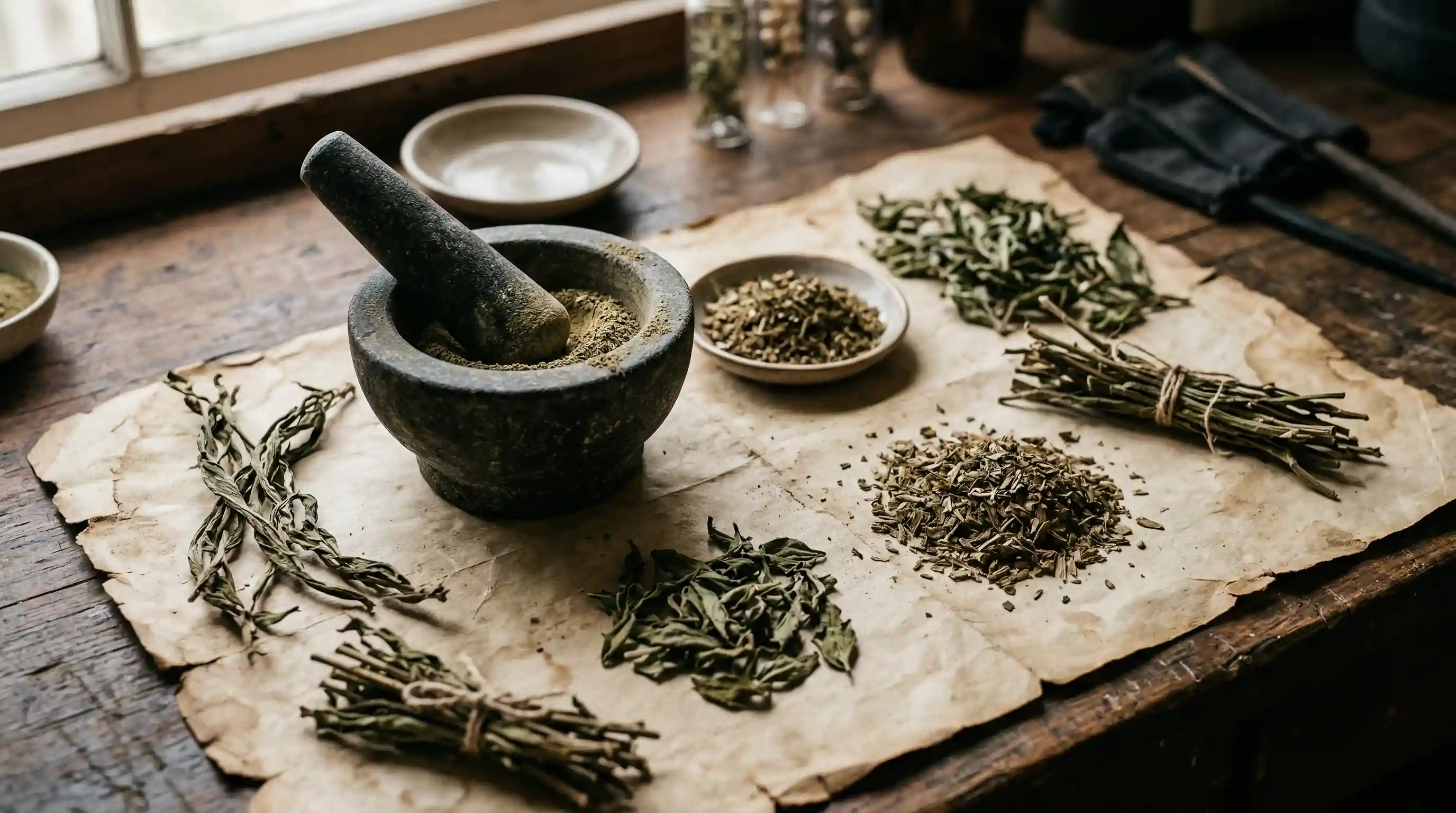
Kanna is available in several distinct forms, each with characteristic appearances that help identify authentic products. The most traditional form is fermented plant material, which appears as brownish-green, fibrous matter with a somewhat hay-like texture. This fermented kanna often comes in small, irregular pieces or as a coarser powder, and it typically has a distinctive earthy, slightly sweet aroma with hints of fermentation. The fermentation process, traditionally carried out by allowing fresh plant material to undergo controlled decomposition, darkens the material and concentrates the active alkaloids.
Dried, unfermented kanna looks quite different, appearing as lighter green to yellowish plant matter that may include recognizable leaf and stem fragments. This form tends to be more brittle and less aromatic than fermented varieties. Some suppliers offer kanna as a fine powder, which can range from light tan to dark brown depending on the processing method and whether it has been fermented. High-quality powdered kanna should be relatively uniform in color and texture, without excessive stems or foreign matter.
Standardized kanna extracts represent the most concentrated form available in smart shops. These typically appear as dark brown to black powders or sometimes as thick, resinous substances. Extract potencies are often labeled as ratios like 10:1 or 20:1, indicating how much raw plant material was used to create the concentrated product. Some suppliers also offer kanna in capsule form, which contains measured doses of powdered herb or extract.
When purchasing kanna, be aware that some unscrupulous vendors may sell adulterated products or substitute other plants. Authentic kanna should have the characteristic alkaloid profile and should come from reputable suppliers who can provide information about the plant's origin and processing methods. Low-quality products might contain excessive plant debris, have an unusual odor, or lack the expected effects, suggesting possible adulteration or degraded alkaloids.
What to Expect
The kanna experience is generally characterized by its gentle onset and subtle but noticeable effects that can vary significantly based on dosage, individual sensitivity, and method of consumption. Most users report that effects begin within 15-30 minutes when taken sublingually or smoked, and within 30-60 minutes when consumed orally. The experience typically lasts 2-4 hours, with some residual mood enhancement potentially persisting for several hours afterward.
At lower doses, typically ranging from 50-200mg of standard plant material, users commonly report a mild mood lift accompanied by reduced anxiety and increased social comfort. Many describe feeling more emotionally open and connected to others, with some noting enhanced empathy and improved communication. The anxiety-reducing effects are often among the first noticed, with users reporting a sense of calm and relaxation without sedation. Some people find that low doses help them feel more present and mindful, with a subtle enhancement of sensory perception that makes colors appear slightly more vivid or music more engaging.
Moderate doses, generally 200-500mg, tend to produce more pronounced effects while remaining manageable for most users. At this level, the mood enhancement becomes more noticeable, with many reporting feelings of contentment, mild euphoria, and increased motivation. Some users describe a gentle energy boost that differs from caffeine stimulation, feeling more natural and less jittery. The social effects often become more prominent at moderate doses, with users reporting increased desire for social interaction and reduced social inhibition.
Higher doses, typically 500mg and above, can produce more intense effects that some users find overwhelming, especially those new to kanna. At these levels, some people report mild visual changes, such as enhanced color perception or subtle visual distortions, though true hallucinations are rare. The mood effects can become quite pronounced, with some users experiencing strong euphoria or emotional release. Physical sensations may include tingling, warmth, or a general sense of bodily relaxation.
Throughout the experience, most users maintain clear thinking and awareness, though some report feeling slightly dreamy or introspective. The comedown is typically gentle, with effects gradually fading without the crash associated with some stimulants. Many users report improved mood and reduced stress that can persist into the following day.
Preparation & Consumption
Kanna can be consumed through several different methods, each offering distinct advantages and onset characteristics. Traditional sublingual administration involves placing powdered or finely ground kanna under the tongue and allowing it to absorb through the mucous membranes for 10-15 minutes before swallowing. This method provides relatively quick onset, typically within 15-30 minutes, and allows for better dose control since effects become apparent before the full dose is absorbed. Start with 50-100mg for sublingual use, as this route can be more potent than oral consumption.
Oral consumption, either by swallowing capsules or mixing powder with food or drink, is perhaps the most common modern method. This approach provides longer-lasting effects but with slower onset, typically 30-60 minutes. Oral doses generally range from 100-500mg for most users, with beginners advised to start at the lower end of this range. Taking kanna on an empty stomach will result in faster onset and potentially stronger effects, while consuming it with food may reduce intensity but extend duration.
Traditional chewing methods involve taking small amounts of fermented plant material and chewing it slowly, allowing the alkaloids to be absorbed through the oral mucosa. This method provides gradual onset and allows for intuitive dosing, as users can gauge effects and adjust accordingly. Some modern users prefer this approach for its traditional authenticity and the ability to fine-tune their experience.
Smoking kanna provides the fastest onset, typically within minutes, but also the shortest duration, usually 30-60 minutes. This method requires careful attention to dosing, as effects can be intense and immediate. Use only small amounts, typically 50-200mg, and avoid mixing with tobacco or other substances initially. Some users prefer vaporization over smoking to avoid combustion byproducts.
Set and setting considerations are important for kanna use, though less critical than with stronger psychoactives. Choose comfortable, familiar environments, especially when first experimenting with the herb. Having trusted companions present can enhance the social aspects of the experience. Avoid using kanna when feeling extremely stressed, depressed, or in unstable emotional states, as it may amplify existing feelings.
Safety First
While kanna is generally considered safe for most healthy adults, several important safety considerations must be observed to minimize risks and ensure positive experiences. The most critical concern involves potential interactions with pharmaceutical medications, particularly antidepressants and other psychiatric medications. Since kanna acts as a serotonin reuptake inhibitor, combining it with SSRIs, SNRIs, MAOIs, or other serotonergic medications can potentially lead to serotonin syndrome, a serious condition characterized by hyperthermia, agitation, confusion, and potentially life-threatening complications.
Individuals taking any psychiatric medications should consult with healthcare providers before using kanna and should never discontinue prescribed medications without medical supervision. The herb may also interact with other substances that affect serotonin levels, including certain supplements like 5-HTP, St. John's Wort, or tryptophan. Additionally, combining kanna with other psychoactive substances, including alcohol, cannabis, or stimulants, can produce unpredictable effects and should be approached with extreme caution.
Certain populations should avoid kanna entirely or use it only under medical guidance. Pregnant and breastfeeding women should not use kanna due to insufficient safety data. Individuals with bipolar disorder, schizophrenia, or other serious mental health conditions should avoid kanna, as it may trigger manic episodes or exacerbate symptoms. People with cardiovascular conditions should exercise caution, as some users report mild changes in heart rate or blood pressure.
Quality and purity represent significant safety concerns in the unregulated kanna market. Purchase only from reputable suppliers who can provide information about their products' origins, processing methods, and alkaloid content. Avoid products that seem unusually cheap or lack proper labeling, as these may be adulterated or of poor quality. Some products marketed as kanna may contain synthetic compounds or other plant materials that could be harmful.
Start with the lowest possible doses and gradually increase as needed, allowing adequate time between doses to assess effects. Keep detailed records of dosing, timing, and effects to identify optimal dosing strategies and avoid tolerance development. Never drive or operate machinery while under the influence of kanna, and avoid making important decisions during the experience. Store kanna products safely away from children and pets, and be aware that some jurisdictions may have restrictions on its sale or possession.
History & Cultural Context
Kanna's history stretches back centuries, deeply rooted in the traditional practices of the indigenous Khoikhoi and San peoples of South Africa. These communities, among the oldest known human populations, developed sophisticated knowledge of their local flora and discovered kanna's mood-enhancing properties through generations of careful observation and experimentation. Archaeological evidence suggests that these groups have been using kanna for at least 1,000 years, though oral traditions indicate potentially much longer usage.
Traditional preparation methods involved harvesting the fresh plant material and allowing it to ferment in sealed containers or wrapped bundles, a process that concentrates the active alkaloids and develops the characteristic flavor profile. The fermented material was then chewed, often mixed with other plants, or prepared as teas for various ceremonial and medicinal purposes. Kanna played important roles in social gatherings, spiritual practices, and as a general wellness tonic, particularly valued for its ability to reduce anxiety and promote social bonding.
European colonization of South Africa brought significant disruption to indigenous practices, including the use of traditional medicines like kanna. Colonial authorities often viewed indigenous plant use with suspicion, leading to suppression of traditional knowledge and practices. However, some early European settlers and explorers documented kanna use, with reports dating back to the 17th and 18th centuries describing its effects and traditional applications.
The modern rediscovery of kanna began in the late 20th century as interest in ethnobotany and traditional medicines grew worldwide. Researchers began investigating the plant's alkaloid content and pharmacological properties, leading to scientific validation of many traditional uses. This research sparked commercial interest, and kanna began appearing in international markets as a legal alternative to pharmaceutical mood enhancers.
Today, kanna occupies a unique position in the global marketplace of natural psychoactives. Its legal status in most countries, combined with growing interest in plant-based wellness solutions, has led to increased cultivation and commercialization. However, this commercialization has raised important questions about cultural appropriation, fair trade practices, and the rights of indigenous communities who developed and preserved knowledge about kanna's properties. Some organizations now work to ensure that commercial kanna operations provide benefits to the traditional communities who stewarded this knowledge for generations.
Emergency Guidance
While serious emergencies involving kanna are rare due to its generally mild effects and good safety profile, it's essential to know how to recognize and respond to potential problems. Most adverse reactions to kanna are mild and resolve on their own, but understanding warning signs and appropriate responses can prevent minor issues from escalating and ensure proper care when needed.
Common signs of kanna overconsumption include nausea, dizziness, headache, anxiety, or feeling overwhelmed by the effects. If someone experiences these symptoms, move them to a calm, comfortable environment away from stimulating influences like loud music or bright lights. Encourage slow, deep breathing and provide reassurance that the effects are temporary and will pass. Offering water can help with mild dehydration, but avoid giving large amounts of fluids if nausea is present.
More concerning symptoms that warrant immediate medical attention include severe agitation, confusion, rapid heartbeat, high fever, excessive sweating, muscle rigidity, or any signs suggesting serotonin syndrome. These symptoms are more likely if kanna has been combined with other serotonergic substances or medications. If someone exhibits these signs, call emergency services immediately and provide clear information about what substances were consumed, when, and in what amounts.
If someone becomes extremely anxious or panicked while using kanna, remain calm and provide gentle, reassuring support. Speak in a soothing voice, remind them that they are safe and that the effects will pass, and help them focus on slow, controlled breathing. Avoid leaving someone alone if they're experiencing significant distress, and consider contacting emergency services if symptoms worsen or if you're unsure about their safety.
Keep emergency contact numbers readily available, including local emergency services, poison control centers, and trusted healthcare providers. When calling for help, be honest about substance use, as this information is crucial for proper medical treatment and is typically protected by medical confidentiality laws. Remember that emergency responders are there to help, not to judge, and providing accurate information can be life-saving.
Prepare for potential emergencies by having a trusted, sober person present when using kanna, especially when trying it for the first time or experimenting with new doses. Ensure that someone knows your plans and can check on you if needed. Keep emergency contact information easily accessible, and consider having basic first aid supplies available.
Legal Status in NL
Kanna is legal in the Netherlands and widely available in smartshops.
Available in 162 shops across 61 cities. Most shops in Amsterdam (30), Rotterdam (13), Groningen (9).
Dosage Guide
Experience Timeline
Effect Profile
Positive Effects
Side Effects
Safety & Harm Reduction
Warnings
- Do not combine with SSRIs or MAOIs
- Start with low doses
- May cause nausea at high doses
Harm Reduction Tips
- Start with very low doses (0.25-0.5g) to assess individual sensitivity
- Avoid daily use to prevent tolerance and potential dependence
- Do not combine with other serotonergic medications or substances
- Use in a comfortable, familiar environment with trusted people
- Stay hydrated but avoid excessive fluid intake
- Avoid driving or operating machinery during effects
- Take breaks between uses to allow tolerance to reset
- Source from reputable vendors with lab-tested products
- Keep a trip journal to track effects and optimal dosing
- Have a sober sitter present, especially for first-time use
Contraindications
- —SSRI/MAOI medication
- —Pregnancy
- —Bipolar disorder
Emergency Information
If experiencing severe anxiety, nausea, or cardiovascular symptoms, move to a calm environment and practice slow, deep breathing. Seek medical attention if symptoms persist or worsen, especially chest pain or difficulty breathing. Have a trusted person present during use.
Interactions
SSRIs/SNRIsDangerous
MAOIsDangerous
TramadolDangerous
AlcoholCaution
CannabisCaution
StimulantsCaution
BenzodiazepinesCaution
LithiumCaution
Experience Levels
As a Kanna newcomer, expect a gentle introduction to this traditional mood enhancer. Start with 50mg of extract and wait the full 30 minutes before considering more - patience is key with Kanna. Your first experience will likely be subtle: a gradual lifting of mood, decreased anxiety, and a sense of calm contentment. Some describe it as feeling like a weight has been lifted from their shoulders. You might notice enhanced appreciation for music, nature, or simple pleasures. Physical sensations are usually minimal - perhaps slight relaxation in your muscles or a warm feeling. Nausea is possible, especially on an empty stomach, so eat lightly beforehand. The experience builds slowly rather than hitting suddenly, making it ideal for beginners. You'll remain fully functional and clear-headed throughout. Many first-time users appreciate Kanna's gentle nature compared to stronger substances. Don't expect dramatic visuals or intense euphoria - Kanna's magic lies in its subtle emotional support. Take time to journal your experience and note how different doses affect you for future reference.
Frequently Asked Questions
Is Kanna legal in the Netherlands?▾
Yes, Kanna (Sceletium tortuosum) is completely legal in the Netherlands. It can be purchased, possessed, and used without any legal restrictions. You can find it in smartshops throughout the country as powder, capsules, or extract forms.
What is the recommended dosage for Kanna?▾
For extract forms, start with 50-100mg (low dose), with medium doses being 100-250mg and high doses 250-500mg. Always begin with the lowest dose to assess your sensitivity. Different preparation methods may require different dosing, so check product-specific guidelines.
How long does Kanna take to work and how long does it last?▾
Kanna typically takes effect within 15-30 minutes of consumption. The experience usually lasts 2-4 hours depending on dosage and individual metabolism. Effects may be subtle at first, so avoid redosing too quickly.
What effects can I expect from Kanna?▾
Kanna is traditionally known for its mood-enhancing properties and may promote feelings of relaxation and well-being. As a serotonin reuptake inhibitor, it may help with stress relief and emotional balance. Effects are generally subtle and calming rather than intense or psychoactive.
Is it safe to combine Kanna with other medications?▾
No, never combine Kanna with SSRIs, MAOIs, or other antidepressants as this can cause dangerous serotonin syndrome. Always consult your doctor before using Kanna if you take any medications. Wait at least two weeks after stopping SSRIs before trying Kanna.
What are the main risks and side effects of Kanna?▾
Common side effects include nausea, especially at higher doses, and potential headaches. Some users may experience mild anxiety or restlessness. Start with low doses to minimize risks and discontinue use if you experience any concerning symptoms.
Where can I buy Kanna in the Netherlands?▾
Kanna is available at licensed smartshops throughout the Netherlands, both in physical stores and online. Look for reputable vendors who provide clear dosage information and quality assurance. Always purchase from established businesses rather than unknown online sources.
Can I travel with Kanna within Europe?▾
While legal in the Netherlands, Kanna's legal status varies across European countries. Research the specific laws of your destination before traveling. When in doubt, leave it at home to avoid potential legal complications at borders.
What should first-time users know about Kanna?▾
Start with the lowest possible dose (50mg of extract) in a comfortable, familiar environment. Don't use it if you're taking antidepressants or have bipolar disorder. Have a sober friend present and avoid driving or operating machinery during your first experience.
How does Kanna compare to other mood-enhancing herbs?▾
Unlike kratom which affects opioid receptors, Kanna works on the serotonin system. It's generally milder and more subtle than most alternatives. Kanna is considered safer for occasional use but still requires careful attention to drug interactions.
Who should avoid using Kanna?▾
Avoid Kanna if you're pregnant, breastfeeding, or have bipolar disorder. Don't use it if you take SSRIs, MAOIs, or other psychiatric medications. People with heart conditions or severe mental health issues should consult a doctor first.
What's the best way to prepare for a Kanna experience?▾
Choose a relaxed day when you have no responsibilities. Eat a light meal beforehand to reduce nausea risk. Prepare a comfortable space with water, snacks, and calming activities. Inform a trusted friend about your plans and expected timeline.
Can Kanna be habit-forming?▾
Kanna has low addiction potential compared to many substances, but psychological dependence is possible with regular use. Use it occasionally rather than daily, and take regular breaks to maintain its effectiveness and avoid developing tolerance.
What should I do if I experience negative effects?▾
If you feel nauseous, try lying down and sipping water slowly. For anxiety or restlessness, practice deep breathing in a calm environment. Seek medical attention if you experience severe symptoms, chest pain, or signs of serotonin syndrome like high fever or muscle rigidity.
How should Kanna be stored?▾
Store Kanna in a cool, dry place away from direct sunlight and moisture. Keep it in its original packaging or an airtight container. Properly stored Kanna can maintain its potency for several years when kept away from heat and humidity.
How It Compares — Kanna
| Dimension | Kanna | Kratom |
|---|---|---|
| Intensity | Mild to moderate | Moderate (4/10) |
| Duration | 2-4 hours | 3-5 hours |
| Onset Time | 15-30 minutes | 15-30 minutes |
| Legal Status NL | Legal | Legal |
| Mechanism | Serotonin reuptake inhibitor | Opioid receptor interaction |
| Risk Profile | Low addiction potential | Moderate addiction potential |
| Best For | Mood enhancement, anxiety relief | Pain relief, energy boost |
Where to Buy Kanna
Related Searches
References
- Gericke N, Viljoen AM. Sceletium tortuosum: A Review of its Traditional Use, Phytochemistry, Pharmacology, and Toxicology · Journal of Ethnopharmacology · 2008doi:10.1016/j.jep.2008.05.027
- Harvey AL, Young LC, Viljoen AM, Gericke NP. Mesembrine alkaloids: a review of their occurrence, chemistry, and pharmacology · Journal of Ethnopharmacology · 2011doi:10.1016/j.jep.2011.04.049
- Chiu S, Gericke N, Farina-Woodbury M, Badmaev V, Raheb H, Terpstra K, Antongiovanni M, Bureau Y, Cernovsky Z, Shan JJ. Acute effects of Sceletium tortuosum (Zembrin), a dual 5-HT reuptake and PDE4 inhibitor, in the methamphetamine-induced hyperactivity model · Metabolic Brain Disease · 2014doi:10.1007/s11011-014-9584-5
- Nell H, Siebert M, Chellan P, Gericke N. A randomized, double-blind, placebo-controlled study of Sceletium tortuosum (Zembrin) in healthy adults · Journal of Alternative and Complementary Medicine · 2013doi:10.1089/acm.2012.0185
- Patnala S, Kanfer I. Mesembrine: a comprehensive review of its analytical determination · Journal of Pharmaceutical and Biomedical Analysis · 2009doi:10.1016/j.jpba.2009.02.019
- Harvey AL, Young LC, Viljoen AM, Gericke NP. The pharmacology of mesembrine and related compounds · Journal of Ethnopharmacology · 2011doi:10.1016/j.jep.2011.04.049
- Smith C. Sceletium tortuosum may delay chronic fatigue syndrome recovery by altering cytokine production and hypothalamic-pituitary-adrenal axis function · Medical Hypotheses · 2011doi:10.1016/j.mehy.2011.01.039
- Chiu S, Terpstra KJ, Bureau Y, Shan JJ, Cernovsky ZZ. Zembrin, a Sceletium tortuosum extract, reduces anxiety and provides cognitive flexibility · Advances in Therapy · 2017doi:10.1007/s12325-017-0508-3
Disclaimer: This information is for educational purposes only and does not constitute medical advice. Always consult a qualified healthcare professional before using any substance. If you experience adverse effects, contact your doctor or call 112 (Netherlands emergency).