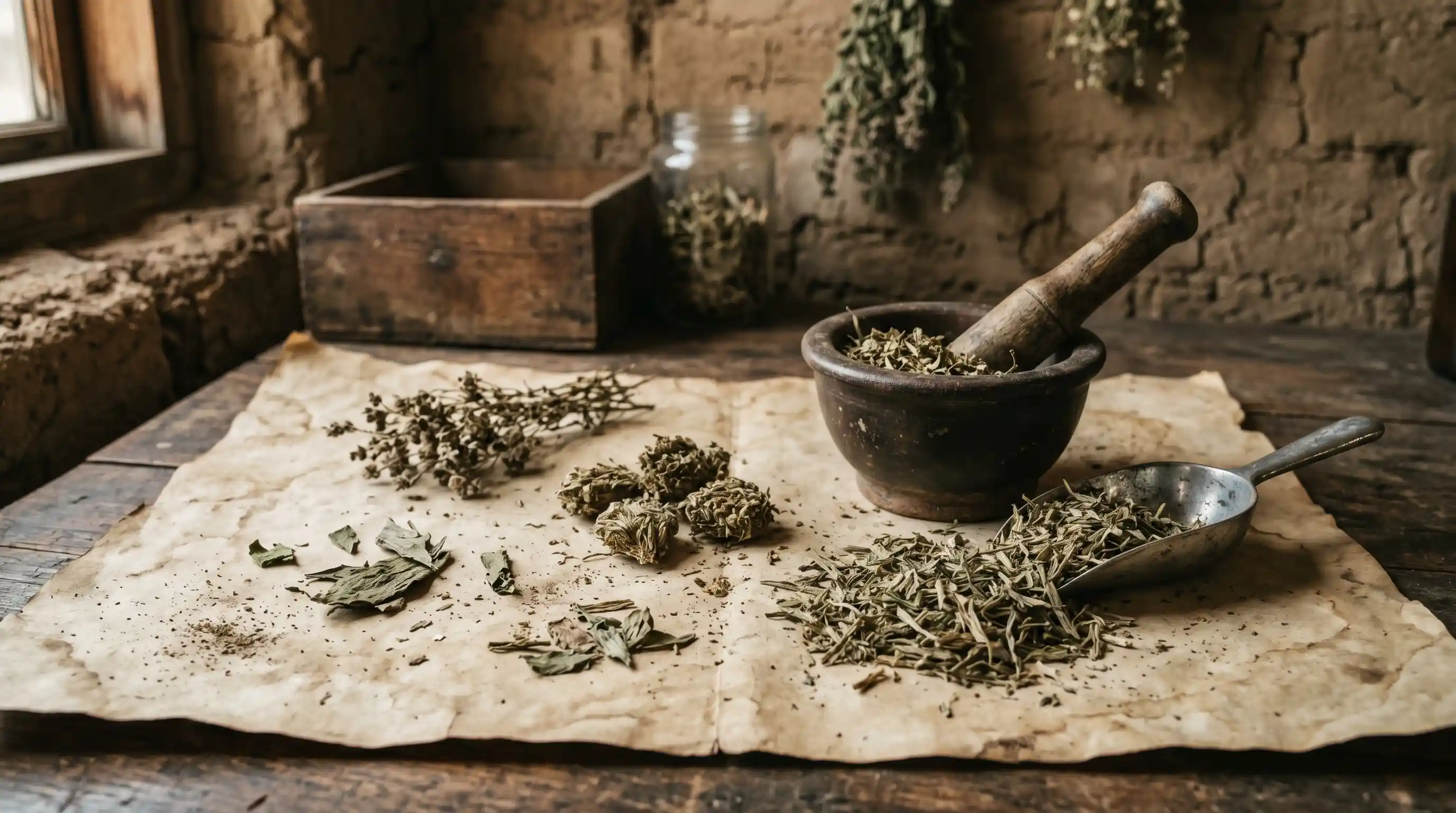
Kanna Smoking Blend
Always start with a low dose and read our safety guidelines before use.
Kanna smoking blends combine Sceletium tortuosum with other herbs for a smokable mixture that provides mild euphoria and relaxation. The alkaloids in kanna act as natural SSRIs, producing mood enhancement and stress relief when smoked. Popular in Dutch smartshops as a legal smoking alternative with psychoactive properties.

Overview
Kanna smoking blend refers to smokable preparations containing Sceletium tortuosum, a succulent plant native to South Africa that has been used traditionally by the Khoikhoi and San peoples for centuries. Also known as Channa or Kougoed, this remarkable plant contains several psychoactive alkaloids that produce mild mood-enhancing and anxiolytic effects when consumed. The smoking blend typically consists of dried, fermented Kanna plant material that has been processed specifically for inhalation, often combined with other complementary herbs to create a smooth smoking experience.
The primary appeal of Kanna smoking blends lies in their ability to promote relaxation, reduce anxiety, and enhance mood without the intense psychoactive effects associated with stronger substances. Users often describe the experience as providing a gentle sense of well-being, increased sociability, and stress relief. Unlike many other psychoactive plants, Kanna is generally considered to have a favorable safety profile when used responsibly, making it an attractive option for those seeking natural alternatives for managing everyday stress and anxiety.
The plant's active compounds work primarily through serotonin reuptake inhibition, similar to some pharmaceutical antidepressants but with a much milder effect profile. This mechanism contributes to its mood-lifting properties and explains why many users report feeling more optimistic and emotionally balanced after use. The smoking route of administration allows for relatively rapid onset of effects, typically within minutes of consumption, making it convenient for those seeking quick relief from acute stress or social anxiety.
Modern Kanna smoking blends are often standardized to contain specific concentrations of active alkaloids, ensuring more predictable effects compared to traditional preparations. These products are legally available in many countries, including the Netherlands, where they are sold in smart shops as ethnobotanical products for adult consumers interested in exploring natural psychoactive substances responsibly.
How It Works
The pharmacological activity of Kanna smoking blends stems from several alkaloids present in Sceletium tortuosum, with mesembrine, mesembranol, mesembrenone, and tortuosamine being the most significant. These compounds interact with multiple neurotransmitter systems in the brain, creating the characteristic effects associated with Kanna consumption. The primary mechanism of action involves the inhibition of serotonin reuptake, effectively increasing the availability of this crucial neurotransmitter in synaptic spaces throughout the central nervous system.
Mesembrine, the most abundant and well-studied alkaloid, acts as a selective serotonin reuptake inhibitor (SSRI) with additional activity at serotonin receptors. This dual action contributes to both the immediate mood-enhancing effects and the longer-term emotional regulation benefits reported by users. Unlike pharmaceutical SSRIs, which can take weeks to show therapeutic effects, Kanna's alkaloids produce noticeable changes within minutes to hours of consumption, likely due to their additional receptor interactions and the rapid absorption achieved through smoking.
The alkaloids also demonstrate activity at phosphodiesterase-4 (PDE4) enzymes, which play important roles in inflammatory responses and cognitive function. PDE4 inhibition may contribute to Kanna's reported anti-anxiety effects and could explain why some users experience enhanced mental clarity and focus. Additionally, some research suggests interactions with adenosine receptors, which could account for the mild stimulating effects some users report, particularly at higher doses.
When smoked, these alkaloids are rapidly absorbed through the lung tissue and enter the bloodstream, crossing the blood-brain barrier efficiently. The onset of effects typically occurs within 5-15 minutes, reaching peak intensity around 30-60 minutes post-consumption. The relatively short duration of action, usually lasting 1-3 hours, makes smoking an attractive route for those seeking controllable, time-limited effects. The pharmacokinetics of smoked Kanna differ significantly from oral consumption, with smoking generally producing more immediate but shorter-lasting effects compared to traditional chewing or tea preparation methods.
What It Looks Like
Kanna smoking blends typically appear as dried, brownish-green plant material with a somewhat coarse, leafy texture. The processed Sceletium tortuosum used in these blends often has a distinctive appearance, with small, irregularly shaped pieces that may include fragments of stems, leaves, and occasionally small pieces of the plant's characteristic succulent tissue. The color can vary from light tan to dark brown, depending on the fermentation and drying processes used during preparation.
High-quality Kanna smoking blends should have a relatively uniform appearance without excessive amounts of dust or powder, which could indicate poor processing or degradation. The material should feel dry to the touch but not crumbly or brittle, as overly dried Kanna may have lost some of its potency. Fresh, properly prepared blends often retain a subtle, earthy aroma that some describe as slightly sweet or hay-like, though this can vary significantly between different preparation methods and suppliers.
Commercial Kanna smoking blends are typically packaged in small, sealed containers or pouches, often ranging from 1-10 grams in weight. Reputable suppliers usually provide clear labeling indicating the botanical name (Sceletium tortuosum), country of origin, and sometimes alkaloid content or standardization information. Some products may include additional herbs like damiana, mullein, or other smoking herbs to improve the burning characteristics and flavor profile.
Consumers should be aware that the appearance of Kanna can vary significantly depending on processing methods. Traditional fermented Kanna may appear darker and more compressed, while modern preparations might look lighter and more uniform. It's important to purchase from reputable sources, as adulteration with other plant materials or synthetic compounds, while uncommon, has been reported. Quality Kanna should not contain any obviously foreign materials, excessive stems or woody parts, or signs of mold or contamination such as unusual colors, odors, or textures.
What to Expect
The subjective experience of smoking Kanna blends is generally characterized by a gentle, progressive onset of effects that many users describe as subtle yet distinctly noticeable. Within the first 5-15 minutes after smoking, most people report an initial sense of relaxation that begins in the body and gradually extends to mental and emotional states. This initial phase often includes a slight warming sensation and a general easing of physical tension, particularly in the shoulders, neck, and jaw areas where stress commonly accumulates.
As the effects develop over the following 15-30 minutes, users typically experience what many describe as a "lifting" of mood and a reduction in anxiety or worry. This emotional shift is often accompanied by increased sociability and a greater sense of connection with others, making Kanna smoking blends popular for social situations or when seeking to enhance interpersonal interactions. Unlike more potent psychoactive substances, Kanna generally allows users to maintain clear thinking and normal cognitive function while experiencing these mood improvements.
At moderate doses, many users report enhanced appreciation for music, art, or natural environments, though these effects are typically subtle compared to classical psychedelics. Some people describe a gentle enhancement of sensory perception, with colors appearing slightly more vivid or sounds seeming more pleasant and engaging. The experience often includes a sense of emotional openness and reduced social inhibition, which can facilitate meaningful conversations and connections with others.
The peak effects of smoked Kanna usually occur between 30-60 minutes after consumption and are characterized by the most pronounced mood elevation and anxiety reduction. During this phase, users often report feeling optimistic, content, and emotionally balanced. Physical sensations may include a pleasant body warmth, reduced muscle tension, and sometimes a mild tingling or buzzing sensation. Some individuals experience slight changes in perception of time, with minutes seeming to pass more slowly or activities feeling more engaging and immersive.
As the experience progresses into the final hour or two, effects gradually diminish, often leaving users with a sense of calm satisfaction and emotional well-being that can persist for several hours beyond the acute effects. Many people report improved sleep quality on nights when they've used Kanna earlier in the day, and some notice residual mood benefits extending into the following day. The comedown is typically smooth and gentle, without the harsh transitions or negative after-effects associated with many other psychoactive substances.
Preparation & Consumption
Smoking Kanna blends requires careful attention to preparation and consumption methods to ensure both safety and optimal effects. The most common approach involves using the dried plant material in a pipe, water pipe, or rolled into cigarettes or joints. When using pipes, it's important to use a fine screen to prevent plant material from being inhaled directly into the lungs. Glass pipes are often preferred as they don't impart additional flavors and allow users to monitor the burning process more effectively.
For those choosing to roll Kanna into cigarettes, mixing it with other smokable herbs like damiana, mullein, or raspberry leaf can improve the burning characteristics and reduce harshness. Pure Kanna can sometimes burn unevenly or too quickly, so these additions serve both practical and comfort purposes. The typical ratio for mixing is approximately 50-70% Kanna to 30-50% supporting herbs, though individual preferences may vary.
Dosage guidelines for smoked Kanna typically range from 200-500mg for beginners, with experienced users sometimes consuming up to 1-2 grams in a session. It's crucial to start with lower doses and gradually increase as needed, as individual sensitivity can vary significantly. The effects of smoking are dose-dependent, with lower doses primarily producing relaxation and mild mood enhancement, while higher doses may result in more pronounced euphoria and sensory changes.
Set and setting considerations are important for optimal Kanna experiences. While generally mild in its effects, Kanna can enhance emotional states, so it's best used when in a positive mindset and comfortable environment. Many users prefer social settings for Kanna consumption due to its sociability-enhancing properties, though it can also be enjoyed alone for relaxation and introspection. Avoiding use during times of significant stress, depression, or emotional instability is advisable.
Temperature control during smoking is essential for maximizing alkaloid extraction while minimizing harsh combustion byproducts. Using a lighter flame briefly to ignite the material and then allowing it to smolder or using a vaporizer set to appropriate temperatures (around 180-200°C) can provide smoother, more effective consumption. Some users prefer vaporization over combustion as it reduces respiratory irritation while maintaining the rapid onset characteristic of inhalation methods.
Safety First
While Kanna smoking blends are generally considered to have a favorable safety profile, several important precautions and contraindications must be carefully considered before use. The most significant safety concern involves potential interactions with pharmaceutical medications, particularly those affecting serotonin levels. Individuals taking selective serotonin reuptake inhibitors (SSRIs), serotonin-norepinephrine reuptake inhibitors (SNRIs), monoamine oxidase inhibitors (MAOIs), or other antidepressants should avoid Kanna use due to the risk of serotonin syndrome, a potentially dangerous condition characterized by excessive serotonin activity.
Respiratory health considerations are paramount when smoking any plant material. Regular smoking of Kanna blends can potentially irritate the respiratory system, and individuals with asthma, chronic obstructive pulmonary disease (COPD), or other respiratory conditions should exercise particular caution or consider alternative consumption methods. The combustion of plant material produces various compounds that may be harmful to lung tissue with repeated exposure, making moderation essential for long-term respiratory health.
Cardiovascular considerations include potential interactions with blood pressure medications and the possibility of mild cardiovascular effects in sensitive individuals. While Kanna is not typically associated with significant cardiovascular risks, people with heart conditions, high blood pressure, or those taking cardiovascular medications should consult healthcare providers before use. The mild stimulating effects reported by some users could theoretically exacerbate certain heart conditions.
Pregnancy and breastfeeding represent absolute contraindications for Kanna use, as the safety of these alkaloids during pregnancy has not been established, and any psychoactive substance poses potential risks to developing fetuses and nursing infants. Additionally, individuals under 18 years of age should not use Kanna products, as the developing brain may be more susceptible to the effects of psychoactive compounds.
Mental health considerations include the potential for Kanna to interact unpredictably with certain psychiatric conditions. While many users report anxiety reduction and mood improvement, individuals with bipolar disorder, schizophrenia, or other serious mental health conditions should approach Kanna use with extreme caution and preferably under medical supervision. The mood-altering effects, while generally mild, could potentially trigger episodes in susceptible individuals.
Quality and purity concerns emphasize the importance of sourcing Kanna products from reputable suppliers who provide third-party testing results when available. Contamination with pesticides, heavy metals, or other adulterants poses additional health risks, making supplier selection crucial for safe consumption. Users should also be aware that the legal status of Kanna varies by jurisdiction, and staying informed about local regulations is essential to avoid legal complications.
History & Cultural Context
The history of Sceletium tortuosum use extends back centuries among the indigenous peoples of South Africa, particularly the Khoikhoi (Hottentots) and San (Bushmen) communities. These groups traditionally used the plant, which they called "Kougoed" meaning "something to chew," as both a recreational substance and a tool for spiritual and social purposes. Historical accounts from Dutch colonists in the 17th and 18th centuries describe observing indigenous peoples chewing the fermented plant material to induce states of euphoria and enhanced social bonding.
Traditional preparation methods involved harvesting the plant during specific seasons, followed by a careful fermentation process where the plant material was crushed, moistened, and left to ferment in sealed containers or buried in the ground for several days to weeks. This fermentation process was crucial for developing the psychoactive properties, as it converted certain alkaloids into their more potent forms. The fermented material was then dried and could be stored for extended periods, making it a valuable trade commodity among different tribal groups.
The cultural significance of Kanna extended beyond recreational use, playing important roles in social rituals, conflict resolution, and spiritual practices. Tribal elders often used Kanna to facilitate difficult conversations, mediate disputes, and create atmospheres conducive to community bonding and decision-making. The plant was also associated with hunting rituals and was believed to enhance courage and endurance during long journeys across the harsh South African landscape.
European colonization significantly disrupted traditional Kanna use patterns, with colonial authorities often viewing indigenous psychoactive plant use with suspicion and implementing various restrictions. However, the plant's use persisted in some communities, and knowledge of its properties was gradually transmitted to European settlers and eventually to the broader world through ethnobotanical research and exploration.
The modern rediscovery of Kanna began in the late 20th century as interest in ethnobotanicals and natural psychoactive substances grew within Western cultures. Researchers began studying the plant's alkaloids and mechanisms of action, leading to increased availability in international markets. The development of standardized extracts and smoking blends represents a significant departure from traditional use methods, adapting ancient knowledge to contemporary consumption preferences and commercial distribution systems.
Today, Kanna occupies a unique position in the global ethnobotanical market, representing both a connection to ancient wisdom and a modern approach to natural mood enhancement. Its legal status in most countries, combined with its relatively mild effects and favorable safety profile, has made it increasingly popular among individuals seeking alternatives to pharmaceutical mood-altering substances or stronger recreational drugs.
Emergency Guidance
While serious emergencies from Kanna smoking blends are rare due to the plant's generally mild effects and favorable safety profile, it's essential to recognize potential signs of distress and know how to respond appropriately. The most concerning emergency scenario involves the possibility of serotonin syndrome, particularly in individuals who may have undisclosed use of serotonergic medications or supplements. Signs of serotonin syndrome include rapid heart rate, high blood pressure, elevated body temperature, excessive sweating, tremors, muscle rigidity, confusion, and agitation. If these symptoms occur, especially in combination, immediate medical attention is necessary, and emergency services should be contacted without delay.
Respiratory distress represents another potential emergency, particularly for individuals with pre-existing respiratory conditions or those who may have consumed excessive amounts of plant material. Signs to watch for include difficulty breathing, persistent coughing, chest tightness, wheezing, or any indication that the person is struggling to get adequate oxygen. If respiratory symptoms are severe or worsening, emergency medical services should be contacted immediately. While waiting for help, ensure the person is in an upright position if conscious and able to maintain their airway.
Anxiety or panic reactions, while uncommon with Kanna, can occasionally occur, particularly in sensitive individuals or those who have consumed higher than recommended doses. Signs include rapid breathing, sweating, trembling, feelings of impending doom, or expressions of intense fear or distress. In these situations, the priority is providing calm, reassuring support while ensuring the person's safety. Move them to a quiet, comfortable environment away from stimulating influences, speak in calm, reassuring tones, and remind them that the effects are temporary and will pass.
If someone becomes unconscious or unresponsive after using Kanna, this should be treated as a medical emergency regardless of the assumed cause. Check for responsiveness by calling their name and gently shaking their shoulders. If they don't respond, check for normal breathing and a pulse. If breathing is absent or abnormal, begin CPR if trained to do so and call emergency services immediately. Place unconscious but breathing individuals in the recovery position to maintain their airway and prevent choking.
For less severe adverse reactions, such as nausea, dizziness, or general discomfort, supportive care is usually sufficient. Ensure the person is in a safe, comfortable environment with fresh air and adequate hydration. Avoid giving additional substances, including alcohol or other drugs, as these could complicate the situation. Stay with the person until they feel better and the effects have completely subsided. If symptoms persist or worsen, don't hesitate to seek medical advice or emergency care.
When contacting emergency services, provide clear, honest information about what substances were consumed, when they were taken, and what symptoms are being experienced. This information is crucial for proper medical treatment and is protected by medical confidentiality. Having the product packaging available can help medical professionals understand exactly what was consumed and provide more targeted care.
Legal Status in NL
Legal
Available in 164 shops across 61 cities. Most shops in Amsterdam (31), Rotterdam (13), Groningen (9).
Dosage Guide
Experience Timeline
Effect Profile
Positive Effects
Side Effects
Safety & Harm Reduction
Harm Reduction Tips
- Start with very small amounts to assess individual sensitivity
- Use a vaporizer instead of combustion to reduce harmful smoke byproducts
- Ensure you have genuine Sceletium tortuosum from reputable sources
- Avoid driving or operating machinery after use
- Stay hydrated but avoid excessive water consumption
- Use in a comfortable, familiar environment
- Don't combine with prescription antidepressants without medical consultation
- Take breaks between sessions to avoid tolerance buildup
- Store in a cool, dry place away from light to preserve potency
- Have a sober friend present if you're inexperienced
Emergency Information
If experiencing anxiety or discomfort, move to a calm environment and practice deep breathing. Kanna is generally well-tolerated, but if severe reactions occur, seek medical attention. Stay hydrated and avoid combining with other substances.
Interactions
SSRIs/SNRIsCaution
MAOIsCaution
AlcoholCaution
StimulantsCaution
BenzodiazepinesCaution
TramadolCaution
CannabisSafe
Experience Levels
As a newcomer to Kanna smoking blends, expect a gentle, subtle experience that's quite different from stronger psychoactive substances. Your first session should feel like a mild mood enhancement – imagine the feeling of a good day becoming slightly better. You might notice reduced anxiety, a soft euphoric feeling, and increased sociability or introspection depending on your setting. The onset is relatively quick when smoked, usually within 5-15 minutes, making it easy to gauge your response. Physical sensations are typically minimal – perhaps slight relaxation in your muscles or a gentle warmth. Some beginners report enhanced appreciation for music or nature, though effects remain grounded and clear-headed. You'll likely maintain full cognitive function and awareness throughout. The experience builds gradually, peaks around 30-60 minutes, then gently fades over 1-3 hours. Don't expect dramatic visuals or intense altered states – Kanna's strength lies in its subtlety and mood-supportive properties. If you don't feel much initially, resist the urge to immediately smoke more. Give your body time to process the alkaloids, and remember that sensitivity varies greatly between individuals.
Frequently Asked Questions
Is Kanna smoking blend legal in the Netherlands?▾
Yes, Kanna smoking blends are completely legal in the Netherlands. Sceletium tortuosum (Kanna) and the herbs commonly blended with it are not controlled substances under Dutch law. You can legally purchase, possess, and use these products throughout the country.
What dosage should I start with for Kanna smoking blend?▾
Start with a small pinch (approximately 0.1-0.2 grams) for your first experience. Take one or two small puffs and wait 10-15 minutes to assess effects before consuming more. The alkaloid concentration can vary between different blends, so always start conservatively with any new product.
What effects can I expect from smoking Kanna blend?▾
Users typically report mild euphoria, relaxation, and mood enhancement within 5-15 minutes of smoking. The experience is generally subtle and calming rather than intense. Effects may include reduced anxiety, gentle uplift in mood, and a sense of mental clarity that can last 1-3 hours.
Are there any safety risks with Kanna smoking blends?▾
Kanna is generally considered safe for most healthy adults when used responsibly. However, smoking any substance carries respiratory risks. Some users may experience mild nausea, headaches, or dizziness, especially with higher doses. Always use in a safe environment and avoid driving or operating machinery.
Can Kanna smoking blend interact with medications?▾
Yes, Kanna can potentially interact with antidepressants, particularly SSRIs, due to its serotonin reuptake inhibition properties. If you're taking any psychiatric medications, blood pressure medications, or other prescription drugs, consult with a healthcare provider before use. Never combine with MAOIs.
Where can I buy Kanna smoking blends in the Netherlands?▾
Kanna smoking blends are available at many Dutch smartshops, both physical stores and online retailers. Look for reputable vendors who provide clear product information and lab testing results. Many head shops and some herbal stores also carry these products.
Can I travel with Kanna smoking blend?▾
While legal in the Netherlands, Kanna's legal status varies internationally. Check the laws of your destination country before traveling, as some nations may classify it as a controlled substance. When in doubt, leave it at home to avoid potential legal complications at customs.
What should first-time users know about Kanna smoking blends?▾
Choose a comfortable, familiar environment for your first experience. Have water available and avoid alcohol or other substances. Start with the smallest possible amount and don't redose for at least 30 minutes. Having a sober friend present is always a good idea for any new psychoactive experience.
How does Kanna smoking blend compare to Blue Lotus?▾
Both are mild, legal smoking herbs, but Kanna tends to be more mood-enhancing due to its SSRI-like activity, while Blue Lotus is primarily relaxing. Kanna may provide more noticeable euphoria, whereas Blue Lotus offers gentle sedation. Both are suitable for relaxation and stress relief.
Is Kanna smoking blend addictive?▾
Kanna has a low addiction potential and is not considered physically addictive. However, like any mood-enhancing substance, psychological dependence is possible with frequent use. Most users find it easy to use occasionally without developing problematic patterns, but moderation is always recommended.
How long do the effects of Kanna smoking blend last?▾
When smoked, Kanna effects typically begin within 5-15 minutes and peak around 30-60 minutes. The total duration is usually 1-3 hours, depending on the amount used and individual sensitivity. The comedown is generally smooth without significant after-effects.
What's the difference between smoking Kanna and other methods?▾
Smoking provides faster onset (5-15 minutes) compared to oral consumption (30-60 minutes) but shorter duration. Smoking may be harsher on the lungs but allows for easier dose control. Sublingual tinctures and teas offer longer-lasting effects with gentler onset.
Should I be concerned about drug tests with Kanna smoking blend?▾
Standard drug tests do not screen for Kanna alkaloids, so it's unlikely to cause positive results on typical employment or legal drug screenings. However, specialized tests could potentially detect its presence. If drug testing is a concern, research the specific test requirements in your situation.
What herbs are commonly mixed with Kanna in smoking blends?▾
Common blend ingredients include damiana, mullein, raspberry leaf, and sometimes blue lotus or lavender. These herbs are chosen for their smooth smoking properties and complementary effects. Mullein acts as a base herb, while damiana may add mild relaxing properties to enhance the overall experience.
Can I make my own Kanna smoking blend at home?▾
Yes, you can create custom blends using dried Kanna and other legal smoking herbs. A typical ratio is 10-30% Kanna mixed with base herbs like mullein or damiana. Ensure all ingredients are properly dried and sourced from reputable suppliers. Start with lower Kanna concentrations and adjust based on preference.
How It Compares — Kanna Smoking Blend
| Dimension | Kanna Smoking Blend | Kratom | Kanna | Blue Lotus |
|---|---|---|---|---|
| Intensity | Mild (2-3/10) | Moderate (4/10) | Moderate (4/10) | Very mild (2/10) |
| Duration | 1-3 hours | 3-5 hours | 2-4 hours (oral) | 2-4 hours |
| Onset Time | 5-15 minutes | 15-30 minutes | 15-30 minutes | 10-20 minutes |
| Legal Status NL | Legal | Legal | Legal | Legal |
| Risk Profile | Low | Moderate | — | — |
| Best For | Mood enhancement, mild relaxation | Pain relief, energy/sedation | Sustained mood support | Sleep aid, meditation |
| Availability | Smartshops, online | Specialized vendors | — | — |
Related Searches
References
- Gericke N, Viljoen AM. Sceletium tortuosum: A Review of its Traditional Use, Phytochemistry, Pharmacology, and Toxicology · Journal of Ethnopharmacology · 2008doi:10.1016/j.jep.2008.05.027
- Harvey AL, Young LC, Viljoen AM, Gericke NP. Mesembrine alkaloids: a review of their occurrence, chemistry, and pharmacology · Journal of Ethnopharmacology · 2011doi:10.1016/j.jep.2011.04.049
- Chiu S, Gericke N, Farina-Woodbury M, Badmaev V, Raheb H, Terpstra K, Antongiovanni M, Bureau Y, Cernovsky Z, Shan JJ. Acute effects of Sceletium tortuosum (Zembrin), a dual 5-HT reuptake and PDE4 inhibitor, in the methamphetamine-sensitized rat model · Metabolic Brain Disease · 2014doi:10.1007/s11011-014-9584-5
- Nell H, Siebert M, Chellan P, Gericke N. A randomized, double-blind, parallel-group, placebo-controlled trial of extract Sceletium tortuosum (Zembrin) in healthy adults · Journal of Alternative and Complementary Medicine · 2013doi:10.1089/acm.2012.0185
- Loria MJ, Ali Z, Abe N, Sufka KJ, Khan IA. Pharmacokinetics of mesembrine alkaloids from a Sceletium tortuosum extract · Planta Medica · 2014doi:10.1055/s-0034-1382824
- Harvey AL, Young LC, Viljoen AM, Gericke NP. Mesembrine and mesembrenone: inhibitors of phosphodiesterase-4 isolated from Sceletium tortuosum · Planta Medica · 2011doi:10.1055/s-0030-1250643
- Smith C. Sceletium tortuosum may delay chronic stress-related changes in the HPA-axis · Journal of Ethnopharmacology · 2011doi:10.1016/j.jep.2011.06.023
- Patnala S, Kanfer I. The traditional use of Sceletium tortuosum as a medicinal plant: a review · Journal of Pharmacy and Pharmacology · 2009doi:10.1211/jpp.61.07.0002
Disclaimer: This information is for educational purposes only and does not constitute medical advice. Always consult a qualified healthcare professional before using any substance. If you experience adverse effects, contact your doctor or call 112 (Netherlands emergency).