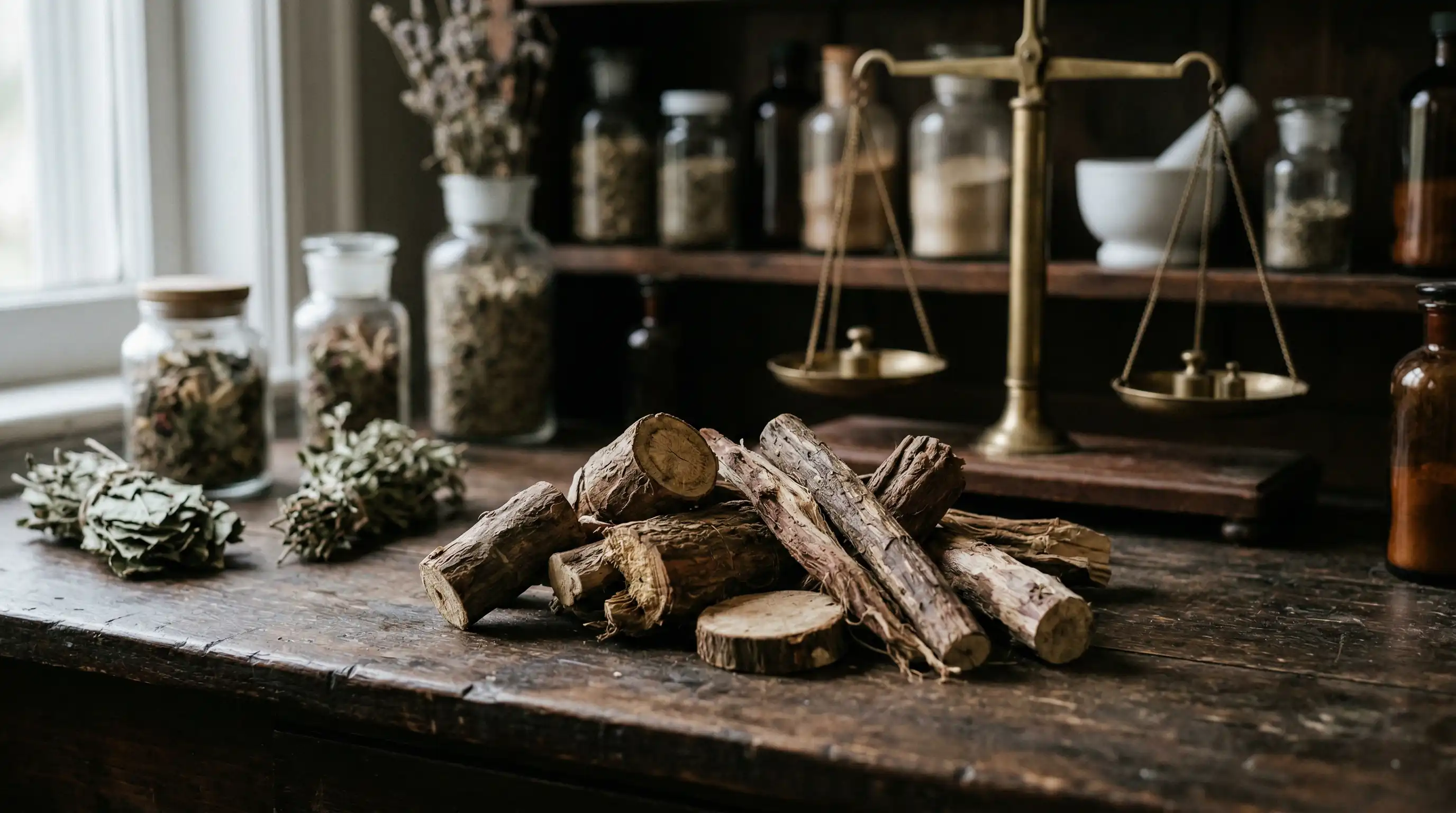
Ayahuasca
Always start with a low dose and read our safety guidelines before use.
Ayahuasca is a powerful psychedelic brew traditionally used in South American shamanic ceremonies. Made from Banisteriopsis caapi vine and Psychotria viridis leaves, it contains DMT and MAO inhibitors that produce intense visionary experiences lasting 4-6 hours.

Overview
Ayahuasca is a powerful psychedelic brew traditionally prepared from two primary plant ingredients: the Banisteriopsis caapi vine (also known as the "ayahuasca vine") and leaves containing N,N-dimethyltryptamine (DMT), most commonly from the Psychotria viridis plant (chacruna) or Diplopterys cabrerana (chaliponga). This sacred medicine has been used for centuries by indigenous communities throughout the Amazon basin for spiritual, healing, and divinatory purposes. The word "ayahuasca" comes from the Quechua language, meaning "vine of the soul" or "vine of the dead," reflecting its profound capacity to induce altered states of consciousness that users often describe as deeply transformative and spiritually significant.
The brew's psychoactive effects result from a unique pharmacological synergy between the two plant components. The Banisteriopsis caapi vine contains harmala alkaloids (primarily harmine, harmaline, and tetrahydroharmine) that act as monoamine oxidase inhibitors (MAOIs), while the DMT-containing leaves provide the primary psychedelic compound. Without the MAOI activity from the vine, orally consumed DMT would be rapidly broken down by enzymes in the digestive system and produce no psychoactive effects. This sophisticated understanding of plant chemistry demonstrates the remarkable botanical knowledge developed by indigenous Amazonian cultures over millennia.
People seek ayahuasca experiences for various reasons, including spiritual exploration, personal healing, psychological insight, creative inspiration, and treatment of mental health conditions such as depression, anxiety, and trauma. The experience is often described as profoundly introspective, with users reporting encounters with archetypal imagery, deceased relatives, plant spirits, and deep insights into their life patterns and relationships. Unlike many other psychedelics, ayahuasca is typically consumed in ceremonial contexts with experienced facilitators or shamans who guide participants through the journey. The brew has gained significant attention in recent years from researchers studying its potential therapeutic applications, particularly for treatment-resistant depression, post-traumatic stress disorder, and substance use disorders.
How It Works
Ayahuasca's psychoactive effects result from a complex interaction between multiple alkaloids that work synergistically to produce profound alterations in consciousness. The primary mechanism involves the combination of DMT (N,N-dimethyltryptamine) with reversible monoamine oxidase inhibitors (MAOIs) found in the Banisteriopsis caapi vine. DMT is structurally similar to serotonin and acts as a powerful agonist at serotonin 2A (5-HT2A) receptors in the brain, which are the primary targets responsible for psychedelic effects. These receptors are particularly concentrated in the prefrontal cortex, visual cortex, and other brain regions associated with perception, cognition, and consciousness.
Under normal circumstances, orally consumed DMT is rapidly metabolized by monoamine oxidase enzymes in the liver and intestinal tract, preventing it from reaching the brain in psychoactive concentrations. The harmala alkaloids in ayahuasca—primarily harmine, harmaline, and tetrahydroharmine—reversibly inhibit these enzymes, allowing DMT to survive first-pass metabolism and cross the blood-brain barrier. This MAOI activity typically lasts several hours, creating a window during which DMT can exert its psychoactive effects when consumed orally.
The harmala alkaloids also contribute directly to the ayahuasca experience through their own pharmacological actions. They act as reversible inhibitors of monoamine oxidase A (MAO-A), which normally breaks down neurotransmitters like serotonin, dopamine, and norepinephrine. This inhibition leads to increased levels of these neurotransmitters in the brain, contributing to mood elevation and altered perception. Additionally, harmine and harmaline have been shown to stimulate neurogenesis and promote the growth of new neural connections, potentially contributing to the lasting psychological changes many users report following ayahuasca experiences.
Recent neuroimaging studies have revealed that ayahuasca significantly alters brain network connectivity, particularly reducing activity in the default mode network (DMN)—a brain network associated with self-referential thinking and ego-consciousness. This decreased DMN activity correlates with the dissolution of ego boundaries and sense of unity that many users experience. Simultaneously, ayahuasca increases connectivity between brain regions that don't normally communicate extensively, potentially facilitating novel insights and perspectives. The brew also affects the visual cortex in ways that may explain the vivid, often geometric visual hallucinations commonly reported during the experience.
What It Looks Like
Traditional ayahuasca appears as a dark brown, thick liquid with a consistency ranging from watery to syrupy, depending on the preparation method and concentration. The brew typically has an earthy, bitter, and often unpleasant taste that many describe as muddy, woody, or metallic. The color can vary from light amber to deep reddish-brown or nearly black, influenced by factors such as the plant materials used, cooking time, and concentration. Authentic ayahuasca often contains visible plant matter, sediment, or particles that settle at the bottom of containers, as traditional preparation methods involve boiling plant materials together rather than extracting pure compounds.
The brew is commonly served in small ceramic cups, shot glasses, or traditional gourds, with typical serving sizes ranging from 50 to 150 milliliters. In ceremonial contexts, the ayahuasca may be stored in large glass bottles or traditional containers and portioned out by the facilitator or shaman. The liquid often has a slightly oily or viscous texture and may produce foam when poured or agitated. Some preparations include additional plant materials that can alter the appearance, such as tobacco (mapacho) or other admixture plants used by specific traditions.
Modern preparations may sometimes appear more refined, with clearer liquid and less visible plant matter, particularly when prepared using more sophisticated filtration methods. However, users should be cautious of preparations that appear too clean or uniform, as this might indicate synthetic compounds or adulterants. Legitimate ayahuasca should always have some degree of plant-like characteristics in its appearance, smell, and taste. The brew typically has a distinctive earthy, vegetal odor that many find off-putting but is characteristic of authentic preparations.
Concerning adulterants, some unscrupulous suppliers may add synthetic compounds to enhance effects or reduce costs. These might include synthetic DMT, other tryptamines, or even dangerous substances like synthetic MAOIs or other psychoactive drugs. Such adulterants can significantly increase risks and may not be detectable through appearance alone. Additionally, some preparations marketed as "ayahuasca" may contain entirely different plants or compounds, particularly in regions where authentic ayahuasca plants are not readily available.
What to Expect
The ayahuasca experience typically unfolds in distinct phases over a period of four to eight hours, with effects beginning 30 to 60 minutes after consumption. The onset is often gradual, starting with subtle changes in perception, mood, and bodily sensations. Many users report initial feelings of nausea, which is considered a normal part of the experience and often referred to as "la purga" (the purge) in traditional contexts. This purging, which may include vomiting or diarrhea, is viewed by many practitioners as a cleansing process that helps prepare the body and mind for deeper states of consciousness.
As the effects intensify, users typically experience profound alterations in visual perception, including closed-eye visuals featuring intricate geometric patterns, vivid colors, and complex imagery. These visuals often evolve into more representational scenes, including encounters with entities, animals, plants, or archetypal figures. Many report feeling as though they're traveling through different realms or dimensions, experiencing past memories with enhanced clarity, or receiving insights about their life purpose and relationships. The visual component is often accompanied by synesthesia, where senses blend together, allowing users to "see" sounds or "hear" colors.
The psychological effects of ayahuasca are typically intense and deeply introspective. Users frequently report experiencing ego dissolution, where the boundaries between self and environment become blurred or disappear entirely. This can lead to profound feelings of unity with nature, the universe, or a divine presence. Many describe receiving guidance or teachings from plant spirits, deceased relatives, or other entities encountered during the journey. The experience often brings suppressed emotions, traumas, or memories to the surface, providing opportunities for processing and healing that many find therapeutically valuable.
Physical sensations during the ayahuasca experience can vary widely but often include changes in body temperature, altered perception of time, and heightened sensitivity to touch, sound, and light. Some users report feeling energy moving through their body, experiencing tingling sensations, or feeling as though their body is dissolving or transforming. Motor coordination is typically impaired, making it important to remain in a safe, controlled environment throughout the experience.
The peak effects usually occur two to four hours after consumption, followed by a gradual return to baseline consciousness. However, many users report feeling altered for several additional hours, with subtle changes in perception and mood that can persist into the following day. Integration of the experience—processing and making meaning of the insights and emotions encountered—is considered crucial and may continue for weeks or months following the ceremony.
Preparation & Consumption
Proper preparation for an ayahuasca experience extends far beyond the immediate pre-consumption period and encompasses physical, mental, and spiritual readiness. Traditional ayahuasca diets, known as "dietas," typically involve dietary restrictions beginning several days to weeks before the ceremony. These restrictions commonly include avoiding red meat, pork, aged cheeses, fermented foods, alcohol, caffeine, salt, sugar, spices, and sexual activity. The purpose of these restrictions is both practical—avoiding potentially dangerous interactions with the MAOI compounds—and spiritual, as many traditions view the diet as a purification process that enhances sensitivity to the plant medicine.
Mental and emotional preparation is equally important and should include honest self-reflection about intentions, expectations, and readiness to confront potentially challenging psychological material. Many experienced practitioners recommend setting clear intentions for the experience while remaining open to whatever unfolds. Meditation, journaling, and other contemplative practices in the weeks leading up to the ceremony can help prepare the mind for the introspective nature of the ayahuasca journey.
The consumption of ayahuasca typically occurs in ceremonial settings led by experienced facilitators, shamans, or trained practitioners. The brew is usually consumed on an empty stomach, with participants having fasted for at least six hours prior to the ceremony. The liquid is typically served in small portions, with participants drinking the entire amount quickly despite its unpleasant taste. Some traditions involve multiple servings throughout the night, with additional doses offered based on individual responses and the facilitator's guidance.
Set and setting are crucial factors that significantly influence the ayahuasca experience. The "set" refers to the participant's mindset, including their mental state, expectations, and emotional condition, while "setting" encompasses the physical and social environment where the experience takes place. Optimal settings are typically quiet, comfortable, and safe spaces where participants can lie down, move freely if needed, and access bathroom facilities easily. Many ceremonies take place in darkness or dim lighting to enhance introspection and visual experiences.
Traditional ceremonies often incorporate additional elements such as icaros (healing songs), tobacco smoke (mapacho), and other plant medicines. These elements are believed to guide and protect participants during their journey while enhancing the therapeutic and spiritual aspects of the experience. Participants are typically advised to bring comfortable clothing, blankets, a water bottle, and a bucket or container in case of purging.
Safety First
Ayahuasca consumption carries significant risks that require careful consideration and preparation. The most serious safety concern involves the MAOI activity of the harmala alkaloids, which can cause dangerous interactions with numerous medications and substances. Participants must discontinue certain medications well in advance of consuming ayahuasca, including selective serotonin reuptake inhibitors (SSRIs), serotonin-norepinephrine reuptake inhibitors (SNRIs), tricyclic antidepressants, and monoamine oxidase inhibitors. These interactions can lead to serotonin syndrome, a potentially life-threatening condition characterized by hyperthermia, rapid heart rate, high blood pressure, and altered mental status.
Dietary restrictions are not merely traditional practices but essential safety measures. Foods high in tyramine, such as aged cheeses, cured meats, fermented products, and certain alcoholic beverages, can cause hypertensive crises when combined with MAOIs. Participants should avoid these foods for at least 24 hours before and after ayahuasca consumption, though many traditions recommend longer periods. Stimulants, including caffeine, amphetamines, and cocaine, should also be avoided as they can interact dangerously with MAOIs.
Certain medical conditions contraindicate ayahuasca use, including cardiovascular disease, hypertension, liver disease, kidney disease, and certain psychiatric conditions. Individuals with a history of psychosis, bipolar disorder, or severe mental illness should exercise extreme caution and consult with medical professionals before considering ayahuasca. Pregnant and breastfeeding women should avoid ayahuasca entirely, as the effects on fetal development are unknown and potentially harmful.
The psychological risks of ayahuasca include the potential for triggering latent mental health conditions, experiencing severe anxiety or panic, or having difficulty integrating challenging experiences. The intense introspective nature of the experience can bring traumatic memories or suppressed emotions to the surface, which may be overwhelming without proper support and preparation. Some individuals may experience persistent anxiety, depression, or other psychological symptoms following ayahuasca use, particularly if they have underlying mental health vulnerabilities.
Physical risks include dehydration from purging, potential injuries due to impaired coordination, and cardiovascular stress from the intense psychological experience. The purging process, while considered normal and beneficial in traditional contexts, can lead to dehydration and electrolyte imbalances if severe. Participants should have access to water and may need medical attention if purging becomes excessive.
Ensuring the authenticity and purity of ayahuasca is crucial for safety. Unregulated preparations may contain adulterants, contaminants, or incorrect plant materials that can increase risks significantly. Participants should only consume ayahuasca from trusted, experienced facilitators who can provide information about the preparation's ingredients and methods. Testing services are available in some regions to verify the contents of plant medicines, though these may not be accessible in all areas.
History & Cultural Context
Ayahuasca has been used for centuries, possibly millennia, by indigenous peoples throughout the Amazon basin, including tribes in Peru, Ecuador, Colombia, Brazil, and Bolivia. Archaeological evidence suggests that psychoactive plant use in South America dates back thousands of years, though specific evidence for ayahuasca use is more recent due to the organic nature of the plant materials involved. The sophisticated understanding of plant chemistry required to create ayahuasca—combining plants containing DMT with those containing MAOIs—represents remarkable botanical and pharmacological knowledge developed through generations of experimentation and spiritual practice.
Different indigenous groups have developed their own traditions and preparation methods for ayahuasca, often incorporating additional plant materials specific to their regions and spiritual practices. The Shipibo people of Peru are particularly renowned for their ayahuasca traditions, including their intricate geometric art that many believe represents visions received during ayahuasca ceremonies. The Shuar people of Ecuador and Peru have their own distinct practices, as do numerous other indigenous groups throughout the Amazon.
The first documented Western encounter with ayahuasca occurred in the mid-19th century when European explorers and botanists began documenting Amazonian plant use. However, it wasn't until the 20th century that scientists began to understand the chemical composition and pharmacology of the brew. The identification of DMT as the primary psychoactive compound and the role of MAOIs in enabling oral activity represented significant breakthroughs in understanding how ayahuasca works.
The modern ayahuasca movement began in Brazil in the early 20th century with the formation of syncretic religious movements that combined indigenous ayahuasca practices with Christian and African spiritual elements. The Santo Daime, União do Vegetal (UDV), and Barquinha churches developed formal religious practices centered around ayahuasca consumption, which they refer to as "Daime," "Hoasca," or "Vegetal." These movements played crucial roles in preserving and legitimizing ayahuasca use while adapting it to modern contexts.
International interest in ayahuasca exploded in the late 20th and early 21st centuries, driven by books like "The Cosmic Serpent" by Jeremy Narby and "The Antipodes of the Mind" by Benny Shanon, as well as increased travel to South America for spiritual tourism. This globalization of ayahuasca has led to both opportunities and challenges, including concerns about cultural appropriation, commercialization, and the sustainability of traditional practices and plant resources.
Contemporary scientific research has validated many traditional claims about ayahuasca's therapeutic potential, with studies showing promising results for treating depression, anxiety, PTSD, and addiction. This research has contributed to changing perceptions of ayahuasca from a primitive superstition to a sophisticated medicine worthy of serious scientific investigation.
Emergency Guidance
Recognizing and responding appropriately to ayahuasca-related emergencies requires understanding both the typical range of experiences and the signs that indicate serious problems requiring intervention. Most challenging experiences during ayahuasca ceremonies are psychological in nature and can be managed through proper support and guidance rather than medical intervention. However, certain situations require immediate medical attention and should not be dismissed as normal parts of the experience.
Signs that indicate a potential medical emergency include severe hyperthermia or hypothermia, extremely rapid or slow heart rate, very high or low blood pressure, difficulty breathing, loss of consciousness, seizures, or signs of serotonin syndrome such as muscle rigidity, excessive sweating, and altered mental status beyond what's expected from the psychedelic effects. Persistent vomiting that leads to severe dehydration, particularly if accompanied by signs like dizziness, confusion, or inability to keep fluids down, may also require medical attention.
For psychological emergencies, signs of concern include extreme agitation that poses a
Legal Status in NL
The plants used to make ayahuasca are legal to possess in the Netherlands. However, the prepared brew contains DMT, which is a controlled substance. Ayahuasca ceremonies operate in a legal grey area and are widely available.
Available in 160 shops across 61 cities. Most shops in Amsterdam (28), Rotterdam (13), Groningen (9).
Dosage Guide
Experience Timeline
Effect Profile
Positive Effects
Side Effects
Safety & Harm Reduction
Warnings
- Never use alone — always with experienced facilitator
- Requires dietary preparation (ayahuasca diet)
- Dangerous with SSRIs and MAOIs
- Can cause intense nausea and vomiting
- Not suitable for those with heart conditions or psychotic disorders
Harm Reduction Tips
- Only participate in ceremonies with experienced, reputable facilitators
- Follow strict dietary restrictions (dieta) for at least 24-48 hours before ceremony
- Avoid tyramine-rich foods and medications that interact with MAOIs
- Have a trusted sober sitter present throughout the experience
- Prepare mentally and emotionally - set clear intentions beforehand
- Stay hydrated but avoid excessive water consumption during the experience
- Create a safe, comfortable environment free from hazards
- Inform facilitators of all medications and health conditions
- Avoid driving or operating machinery for at least 24 hours after use
- Have integration support planned for processing the experience afterward
Contraindications
- —SSRIs
- —MAOIs
- —Heart conditions
- —Schizophrenia
- —Bipolar disorder
- —High blood pressure medication
Emergency Information
If someone experiences severe distress, provide calm reassurance and a safe environment. Monitor breathing and consciousness - seek immediate medical attention if breathing becomes irregular or person becomes unresponsive. Do not leave the person alone and inform medical professionals about ayahuasca consumption.
Interactions
Tramadol⚠️Deadly
SSRIs/SNRIsDangerous
MAOIsDangerous
StimulantsDangerous
LithiumDangerous
AlcoholCaution
CannabisCaution
BenzodiazepinesCaution
Experience Levels
For first-time users, ayahuasca can be overwhelming and transformative beyond anything previously experienced. The onset begins 30-60 minutes after consumption, often starting with nausea and a sense of the medicine 'coming on.' Visual and auditory hallucinations typically follow, ranging from geometric patterns to complex visionary sequences. Many beginners report feeling like they're traveling through different dimensions or communicating with entities. The purging aspect - vomiting or diarrhea - often occurs and can be distressing but is considered cleansing. Emotional content may surface intensely, including childhood memories, fears, or unresolved trauma. Time perception becomes completely altered, with minutes feeling like hours. The experience requires complete surrender and trust in the process. Physical sensations can include body tremors, temperature fluctuations, and heightened sensitivity. Many first-timers describe feeling 'rewired' afterward, with new perspectives on life, relationships, and personal challenges. The intensity can be frightening, but experienced facilitators provide crucial guidance and reassurance throughout the journey.
Frequently Asked Questions
Is ayahuasca legal in the Netherlands?▾
Ayahuasca exists in a legal grey area in the Netherlands. While the individual plants (Banisteriopsis caapi and Psychotria viridis) are legal, preparing and consuming the brew may fall under drug laws due to its DMT content. Religious use by certain churches has been tolerated, but personal preparation and use carries legal risks.
What is the proper dosage for ayahuasca?▾
Ayahuasca dosage varies significantly based on brew strength and preparation method. A typical ceremonial dose ranges from 25-75ml of prepared brew, but potency can vary dramatically. Never attempt to dose yourself - ayahuasca should only be consumed under the guidance of an experienced facilitator who knows the specific brew's strength.
What should I expect during an ayahuasca experience?▾
Ayahuasca produces intense visionary experiences lasting 4-6 hours, often including vivid hallucinations, emotional processing, and spiritual insights. The experience typically includes nausea and purging (vomiting/diarrhea), which is considered part of the cleansing process. Effects can be overwhelming and emotionally challenging, requiring proper preparation and integration.
What are the main safety risks with ayahuasca?▾
Ayahuasca carries significant risks including dangerous interactions with antidepressants (SSRIs/MAOIs), cardiovascular stress, and psychological distress. It can trigger latent mental health conditions and is not suitable for those with heart problems, high blood pressure, or psychiatric disorders. The intense purging can also cause dehydration and electrolyte imbalances.
Can I use ayahuasca if I take antidepressants?▾
No, ayahuasca is extremely dangerous when combined with SSRIs, MAOIs, or other psychiatric medications. The interaction can cause potentially fatal serotonin syndrome. You must discontinue these medications well in advance (weeks to months) under medical supervision before considering ayahuasca, and only with your doctor's approval.
Where can I legally obtain ayahuasca in the Netherlands?▾
Due to the legal grey area, ayahuasca is not openly sold in smartshops. Some religious organizations and retreat centers operate in the Netherlands, but their legal status varies. The individual plant materials may be available from ethnobotanical suppliers, but preparing the brew yourself is not recommended and may be illegal.
What is the ayahuasca diet and why is it important?▾
The ayahuasca diet involves avoiding certain foods and substances for days to weeks before the ceremony. This includes tyramine-rich foods, fermented products, aged cheeses, processed meats, alcohol, and stimulants. The diet prevents dangerous interactions with the MAO inhibitors in ayahuasca and is believed to enhance the spiritual preparation.
Can I travel with ayahuasca or its ingredients?▾
Traveling with ayahuasca or prepared brew is extremely risky and likely illegal in most countries. Even the plant materials may be restricted or banned elsewhere. DMT is internationally controlled, making possession of ayahuasca a serious criminal offense in many jurisdictions. Never attempt to transport ayahuasca across borders.
How should I prepare for my first ayahuasca experience?▾
Preparation should include following the ayahuasca diet, ensuring you're in good physical and mental health, choosing a reputable facilitator or ceremony, and setting clear intentions. Arrange for aftercare support and time for integration. Never use ayahuasca alone or without proper guidance, especially as a first-timer.
How does ayahuasca compare to psilocybin truffles?▾
Ayahuasca is significantly more intense and longer-lasting than psilocybin truffles, with greater physical discomfort and purging. While truffles offer a gentler introduction to psychedelics, ayahuasca is traditionally used for deep spiritual work and healing. Truffles are also more legally accessible in the Netherlands and don't require dietary preparation.
What should I do if I have a difficult ayahuasca experience?▾
During a difficult experience, focus on breathing, surrender to the process, and trust your facilitator's guidance. Remember that challenging experiences often contain important insights. If you're with a qualified facilitator, they should provide support and grounding techniques. Never try to fight or escape the experience with other substances.
How long should I wait between ayahuasca sessions?▾
Most experienced practitioners recommend waiting at least several weeks to months between ayahuasca sessions to properly integrate the experience. The intense nature of ayahuasca requires significant processing time, and frequent use can be psychologically destabilizing. Quality and integration are more important than frequency.
What is the difference between ayahuasca and synthetic DMT?▾
Ayahuasca contains DMT plus MAO inhibitors that allow oral activity and extend the experience to 4-6 hours, while synthetic DMT is typically smoked for intense but brief 15-30 minute experiences. Ayahuasca also includes other plant compounds that may contribute to its unique effects and traditional spiritual context.
Can ayahuasca help with mental health conditions?▾
While some research suggests potential therapeutic benefits, ayahuasca can also trigger or worsen mental health conditions, particularly in vulnerable individuals. It should never be used as self-medication or replacement for professional treatment. Anyone with mental health concerns should consult healthcare providers before considering ayahuasca.
What happens during the integration period after ayahuasca?▾
Integration involves processing and applying insights from the ayahuasca experience to daily life. This period can last weeks to months and may include journaling, therapy, meditation, or lifestyle changes. Proper integration is crucial for maximizing benefits and preventing psychological difficulties from unprocessed experiences.
How It Compares — Ayahuasca
| Dimension | Ayahuasca | Psilocybin Truffles | Salvia Divinorum | LSA (Morning Glory Seeds) |
|---|---|---|---|---|
| Intensity | 9-10/10 | 7/10 | 9/10 | 6/10 |
| Duration | 4-6 hours | 4-6 hours | 5-30 minutes | 6-10 hours |
| Onset Time | 30-60 minutes | 30-60 minutes | 30 seconds | 1-2 hours |
| Legal Status NL | Grey area | Fully legal | Legal | Legal |
| Physical Effects | Intense purging/nausea | Mild nausea possible | — | — |
| Preparation Required | Extensive diet/ceremony | Minimal preparation | — | — |
| Best For | Deep spiritual work | Gentle introduction | — | — |
Related Searches
References
- Domínguez-Clavé E, Soler J, Elices M, Pascual JC, Álvarez E, de la Fuente Revenga M, Friedlander P, Feilding A, Riba J. The Therapeutic Potentials of Ayahuasca: Possible Effects against Various Diseases of Civilization · Frontiers in Pharmacology · 2016doi:10.3389/fphar.2016.00035
- Frecska E, Bokor P, Winkelman M. Ayahuasca: Pharmacology, neuroscience and therapeutic potential · Brain Research Bulletin · 2016doi:10.1016/j.brainresbull.2016.03.002
- Palhano-Fontes F, Barreto D, Onias H, Andrade KC, Novaes MM, Pessoa JA, Mota-Rolim SA, Osório FL, Sanches R, dos Santos RG, Tófoli LF, de Oliveira Silveira G, Yonamine M, Riba J, Santos FR, Silva-Junior AA, Alchieri JC, Galvão-Coelho NL, Lobão-Soares B, Hallak JE, Arcoverde E, Maia-de-Oliveira JP, Araújo DB. Rapid antidepressant effects of the psychedelic ayahuasca in treatment-resistant depression: a randomized placebo-controlled trial · Psychological Medicine · 2019doi:10.1017/S0033291718001356
- Riba J, Valle M, Urbano G, Yritia M, Morte A, Barbanoj MJ. Human pharmacology of ayahuasca: subjective and cardiovascular effects, monoamine metabolite excretion, and pharmacokinetics · Journal of Pharmacology and Experimental Therapeutics · 2003doi:10.1124/jpet.103.049882
- Kuypers KP, Riba J, de la Fuente Revenga M, Barker S, Theunissen EL, Ramaekers JG. Ayahuasca enhances creative divergent thinking while decreasing conventional convergent thinking · Psychopharmacology · 2016doi:10.1007/s00213-016-4377-8
- Riba J, Romero S, Grasa E, Mena E, Carrió I, Barbanoj MJ. Neural correlates of the ayahuasca experience revealed by multimodal EEG-fMRI · Journal of Psychoactive Drugs · 2006doi:10.1080/02791072.2006.10400549
- Doering-Silveira E, Lopez E, Grob CS, Dobkin de Rios M, Alonso LK, Tacla C, Shirakawa I, Bertolucci PH, Da Silveira DX. Ayahuasca in adolescence: a neuropsychological assessment · Journal of Psychoactive Drugs · 2005doi:10.1080/02791072.2005.10399809
- Dos Santos RG, Osório FL, Crippa JA, Riba J, Zuardi AW, Hallak JE. Antidepressive, anxiolytic and antiaddictive effects of ayahuasca, psilocybin and lysergic acid diethylamide (LSD): a systematic review of clinical trials published in the last 25 years · Therapeutic Advances in Psychopharmacology · 2016doi:10.1177/2045125316638008
Disclaimer: This information is for educational purposes only and does not constitute medical advice. Always consult a qualified healthcare professional before using any substance. If you experience adverse effects, contact your doctor or call 112 (Netherlands emergency).