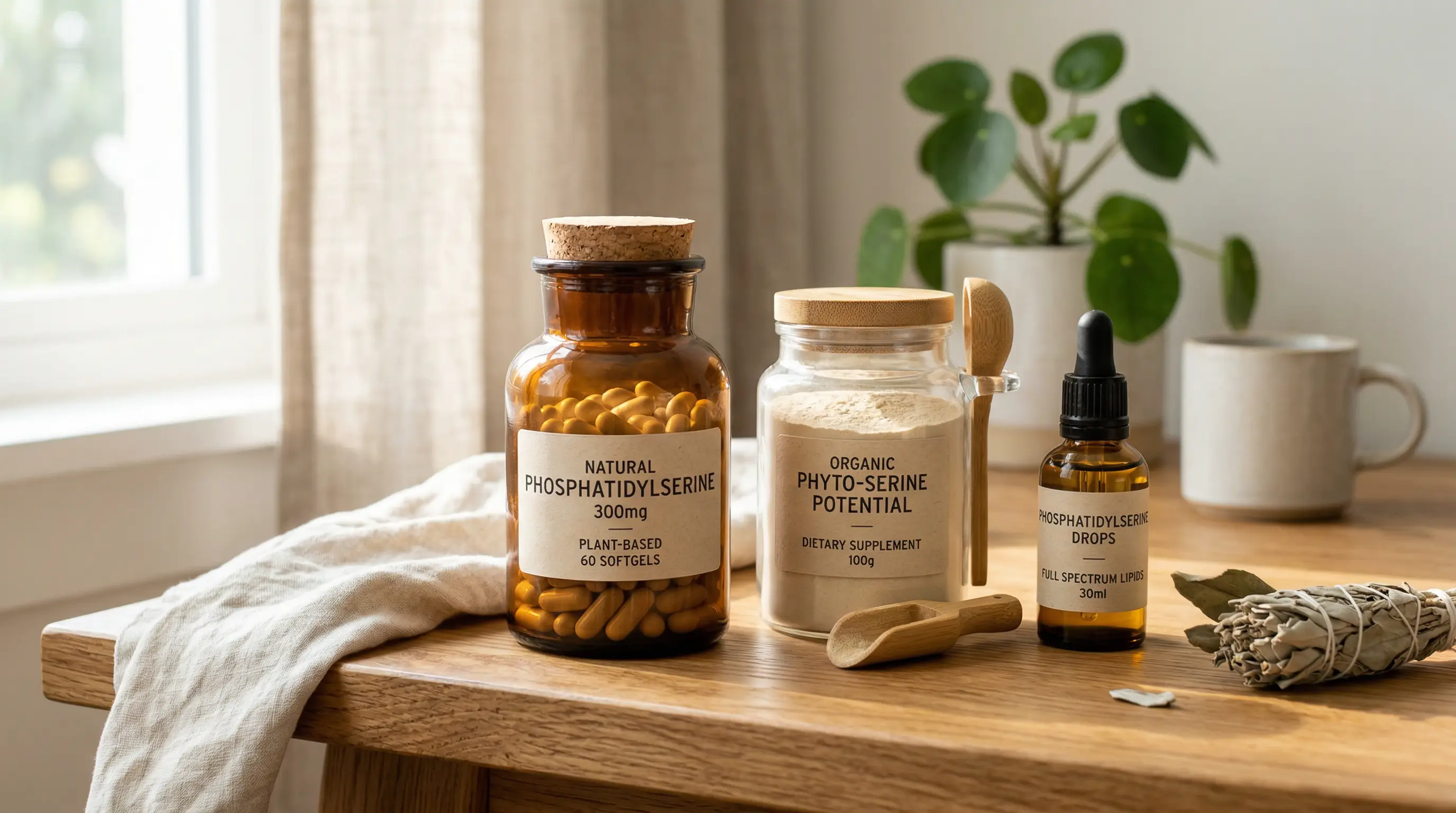
Phosphatidylserine
Always start with a low dose and read our safety guidelines before use.
Phosphatidylserine is a phospholipid that supports brain cell membrane health and cognitive function. It may improve memory, focus, and mental clarity while reducing age-related cognitive decline. Popular in Dutch smartshops as a brain health supplement for students and professionals.

Overview
Phosphatidylserine (PS) is a naturally occurring phospholipid compound that plays a crucial role in cellular membrane structure and function throughout the human body, with particularly high concentrations found in brain tissue. As a nootropic supplement, phosphatidylserine has gained significant attention for its potential cognitive-enhancing properties and neuroprotective effects. Unlike many synthetic nootropics, PS is an endogenous compound that the body produces naturally, though production tends to decline with age, leading many individuals to seek supplementation to maintain optimal cognitive function.
The compound belongs to a class of molecules called phospholipids, which are essential components of cell membranes. In the brain, phosphatidylserine comprises approximately 13-15% of total phospholipids and is particularly concentrated in neuronal membranes, where it facilitates crucial cellular processes including neurotransmitter release, membrane fluidity, and cellular communication. This natural abundance in neural tissue has made PS a subject of extensive research regarding its potential therapeutic applications for cognitive decline, memory enhancement, and overall brain health.
People typically use phosphatidylserine supplements for several primary reasons: improving memory and cognitive performance, supporting healthy aging of the brain, managing stress and cortisol levels, enhancing athletic performance and recovery, and potentially slowing cognitive decline associated with aging or neurodegenerative conditions. The supplement has attracted interest from students seeking academic performance enhancement, older adults concerned about memory decline, athletes looking to optimize recovery and reduce exercise-induced stress, and individuals managing high-stress lifestyles. Research suggests that PS supplementation may be particularly beneficial for those experiencing age-related cognitive changes, as natural PS levels in the brain tend to decrease with advancing years, potentially contributing to memory problems and reduced mental acuity.
How It Works
Phosphatidylserine exerts its effects through multiple interconnected mechanisms that support optimal brain function at the cellular and molecular level. The primary mechanism involves its role as a structural component of neuronal cell membranes, where it maintains membrane fluidity and integrity essential for proper cellular function. When incorporated into neuronal membranes, PS facilitates the optimal functioning of membrane-bound proteins, including ion channels, receptors, and transporters that are crucial for neuronal communication and signal transmission.
One of the most significant ways PS works is through its influence on neurotransmitter systems. The compound enhances the release and activity of several key neurotransmitters, including acetylcholine, dopamine, and norepinephrine. Acetylcholine is particularly important for memory formation and learning processes, while dopamine and norepinephrine play crucial roles in attention, motivation, and mood regulation. PS appears to optimize the function of enzymes involved in neurotransmitter synthesis and release, including acetylcholinesterase and various kinases that regulate synaptic transmission.
The compound also demonstrates significant effects on the hypothalamic-pituitary-adrenal (HPA) axis, which governs the body's stress response. PS supplementation has been shown to blunt the release of cortisol, the primary stress hormone, in response to both physical and psychological stressors. This cortisol-modulating effect is particularly important because chronic elevation of cortisol can impair memory formation, reduce neuroplasticity, and contribute to cognitive decline over time. By helping to maintain healthy cortisol levels, PS may protect against stress-induced cognitive impairment and support overall mental resilience.
At the cellular level, phosphatidylserine supports mitochondrial function and energy metabolism in neurons. The compound helps maintain optimal ATP production, which is essential for the high energy demands of brain tissue. Additionally, PS appears to enhance the activity of various enzymes involved in cellular repair and maintenance processes, potentially contributing to its neuroprotective effects. Research has also indicated that PS may influence gene expression related to neuroplasticity and neuronal survival, suggesting that its benefits may extend beyond immediate functional improvements to include long-term protective effects against age-related cognitive decline.
What It Looks Like
Phosphatidylserine supplements are most commonly available as capsules or softgels containing a white to off-white powder or oil-based formulation. The pure compound itself appears as a waxy, yellowish-white solid at room temperature, though consumers rarely encounter it in this raw form. Commercial PS supplements typically contain the compound dissolved in oil or formulated with other excipients to improve stability and bioavailability. Capsules are usually standard size, similar to other supplement capsules, and may be clear or colored depending on the manufacturer's specifications.
The most common commercial forms include soy-derived phosphatidylserine, sunflower-derived PS, and bovine-derived PS, though bovine sources are less common due to concerns about bovine spongiform encephalopathy (BSE). Soy-derived PS is typically more affordable and widely available, while sunflower-derived PS is often preferred by those with soy allergies or sensitivities. The source material can sometimes be identified on product labels, and different sources may have slightly different appearances in terms of color and consistency of the oil or powder within capsules.
Quality phosphatidylserine supplements should be clearly labeled with the exact amount of PS per serving, the source of the compound, and any additional ingredients. Reputable manufacturers often provide third-party testing certificates or quality assurance information. The packaging should protect the product from light and moisture, as PS can degrade when exposed to these elements. Consumers should be aware that extremely cheap PS products may contain lower concentrations of the active compound or may be adulterated with less expensive phospholipids like phosphatidylcholine. Additionally, some products marketed as PS may actually contain phosphatidylserine complexes or blends that include other compounds, which should be clearly indicated on the label to avoid confusion about dosing and effects.
What to Expect
The subjective experience of phosphatidylserine supplementation differs significantly from many other nootropics in that its effects are generally subtle, gradual, and cumulative rather than immediately noticeable. Unlike stimulant-based cognitive enhancers that produce rapid and obvious changes in alertness or focus, PS typically requires consistent use over several weeks to months before users report meaningful improvements in cognitive function. This delayed onset is consistent with PS's mechanism of action, which involves structural changes to cell membranes and gradual optimization of neuronal function rather than acute neurotransmitter manipulation.
Users commonly report that the first noticeable effects of PS supplementation relate to stress management and mood stability. Within the first few weeks of consistent use, many individuals experience a subtle but meaningful reduction in their perceived stress levels and an improved ability to handle daily stressors without feeling overwhelmed. This effect is often described as feeling more emotionally resilient or having a greater capacity to maintain composure under pressure. Some users also report improvements in sleep quality during this initial period, possibly related to PS's cortisol-modulating effects and its role in supporting healthy circadian rhythms.
Cognitive effects typically become more apparent after 4-8 weeks of consistent supplementation. Users frequently report improvements in working memory, particularly the ability to hold and manipulate information in their minds for short periods. This might manifest as better performance on tasks requiring mental arithmetic, improved ability to follow complex conversations, or enhanced capacity to multitask effectively. Many users also describe enhanced recall of recently learned information and improved ability to form new memories, though these effects are generally subtle and may only become apparent when comparing performance to pre-supplementation baselines.
At standard doses (100-300mg daily), most users do not experience any acute psychoactive effects or noticeable changes in consciousness. The experience is characterized more by a gradual optimization of cognitive function rather than dramatic alterations in mental state. Some individuals report a subtle increase in mental clarity and reduced "brain fog," particularly during periods of high stress or cognitive demand. Higher doses (300-800mg daily) may produce more noticeable effects, but these are still generally subtle and primarily involve enhanced cognitive performance rather than altered states of consciousness. It's important to note that individual responses can vary significantly, and some users may not notice subjective improvements despite potential underlying neurobiological benefits occurring at doses within the therapeutic range.
Preparation & Consumption
Phosphatidylserine is most commonly consumed orally in capsule or softgel form, as this provides the most convenient and reliable method of administration. The compound is fat-soluble, which means it is best absorbed when taken with meals containing some dietary fat. Many users find that taking PS with breakfast or lunch, which typically contain more fats than dinner, optimizes absorption and reduces the likelihood of any mild gastrointestinal discomfort that some individuals may experience when taking PS on an empty stomach.
Standard dosing protocols for cognitive enhancement typically range from 100-300mg daily, with most research supporting doses in the 100-200mg range for healthy adults seeking cognitive benefits. For individuals over 50 or those specifically targeting age-related cognitive decline, doses up to 300mg daily have been used in clinical studies with good safety profiles. Some athletic performance studies have employed higher doses of 400-800mg daily, but these higher doses should be approached with caution and preferably under professional guidance. It's generally recommended to start with the lowest effective dose (100mg daily) and gradually increase if needed and well-tolerated.
Timing of administration can influence both effectiveness and tolerability. Many users prefer to take PS in the morning or early afternoon, as some individuals report that evening doses may interfere with sleep, possibly due to the compound's effects on cortisol rhythms. However, others find that PS actually improves their sleep quality, so individual experimentation may be necessary to determine optimal timing. For stress management purposes, some users divide their daily dose, taking smaller amounts multiple times throughout the day to maintain more consistent effects on cortisol regulation.
When preparing for PS supplementation, it's important to consider potential interactions with other supplements and medications. PS appears to work synergistically with other phospholipids like phosphatidylcholine, and some users combine these compounds for enhanced cognitive benefits. The supplement can also be safely combined with most other nootropics, though it's advisable to introduce new supplements one at a time to assess individual tolerance and effects. Quality considerations are crucial when selecting PS supplements, as the bioavailability and effectiveness can vary significantly between products. Look for supplements that specify the source of PS, provide third-party testing information, and use appropriate packaging to protect against degradation.
Safety First
Phosphatidylserine has an excellent safety profile when used appropriately, with decades of research demonstrating its safety in both healthy individuals and those with various health conditions. However, like all supplements, PS is not without potential risks and considerations that users should be aware of before beginning supplementation. The compound is generally well-tolerated by most individuals, but certain populations should exercise additional caution or avoid PS supplementation entirely.
Individuals taking anticoagulant medications such as warfarin, heparin, or newer direct oral anticoagulants should consult with their healthcare provider before using PS, as the supplement may theoretically enhance the effects of these medications and increase bleeding risk. While this interaction has not been definitively established in clinical studies, the theoretical risk warrants caution. Similarly, individuals scheduled for surgery should discontinue PS supplementation at least two weeks prior to their procedure to minimize any potential bleeding complications.
People with soy allergies should be particularly careful when selecting PS supplements, as many commercial products are derived from soy lecithin. While the purification process typically removes most allergenic proteins, sensitive individuals may still experience reactions. Sunflower-derived PS provides an alternative for those with soy sensitivities. Additionally, individuals with severe dairy allergies should verify that their PS supplement is not derived from bovine sources, though these are less common in modern supplements.
Pregnant and breastfeeding women should avoid PS supplementation due to insufficient safety data in these populations. While PS is a natural compound found in breast milk and is important for fetal brain development, the safety of supplemental doses during pregnancy and lactation has not been established. Children and adolescents should also avoid PS supplementation unless specifically recommended by a healthcare provider, as most safety and efficacy data comes from adult populations.
Common side effects, when they occur, are typically mild and may include gastrointestinal upset, nausea, or headaches, particularly when starting supplementation or taking higher doses. These effects often resolve with continued use or dose reduction. Some individuals may experience changes in sleep patterns, either improved sleep quality or occasional sleep disturbances, depending on individual sensitivity and timing of administration. Rarely, some users report mood changes or increased anxiety, though PS more commonly has mood-stabilizing effects. If any concerning side effects occur, discontinuation of supplementation and consultation with a healthcare provider is recommended. It's also important to purchase PS supplements from reputable manufacturers that provide third-party testing and quality assurance, as the supplement industry is not as strictly regulated as pharmaceuticals, and product quality can vary significantly between brands.
History & Cultural Context
The discovery and development of phosphatidylserine as a therapeutic compound represents a fascinating intersection of biochemistry, neuroscience, and nutritional medicine that spans several decades of scientific research. PS was first identified and isolated from brain tissue in the 1940s by researchers investigating the lipid composition of cellular membranes. However, its potential therapeutic applications didn't become apparent until the 1980s and 1990s, when advancing analytical techniques allowed scientists to better understand the relationship between membrane phospholipids and cognitive function.
The initial research into PS supplementation began in Italy during the 1980s, where researchers conducted some of the first clinical trials investigating its effects on age-related cognitive decline. These early studies used bovine-derived PS and demonstrated promising results for memory enhancement and cognitive function in elderly populations. The research generated significant interest in the scientific community and led to expanded investigations across Europe and eventually North America. However, the emergence of bovine spongiform encephalopathy (BSE) concerns in the 1990s necessitated a shift away from bovine-derived PS toward plant-based sources, primarily soy and later sunflower.
The transition to plant-derived PS sources marked a crucial turning point in the compound's commercial development and acceptance. Soy-derived PS became the standard, and extensive research was conducted to ensure that plant-derived PS maintained the same therapeutic properties as the original bovine-derived compound. This research confirmed that soy-derived PS was equally effective and significantly safer, leading to its widespread adoption in the supplement industry.
Culturally, phosphatidylserine has occupied a unique position in the nootropics and cognitive enhancement communities. Unlike many synthetic nootropics that emerged from pharmaceutical research or recreational drug use, PS gained acceptance through legitimate scientific research and medical applications. This scientific foundation has contributed to its mainstream acceptance and reduced the stigma often associated with cognitive enhancement substances. The compound has found particular resonance among aging populations concerned about cognitive decline, students seeking academic performance enhancement, and health-conscious individuals interested in preventive approaches to brain health.
The regulatory landscape for PS has also evolved significantly over time. In 2003, the U.S. Food and Drug Administration granted qualified health claims for PS, allowing manufacturers to make specific claims about its potential benefits for cognitive function and dementia risk reduction, albeit with required disclaimers about the limited nature of the supporting evidence. This regulatory recognition further legitimized PS in the eyes of consumers and healthcare providers, distinguishing it from many other nootropic compounds that lack such official recognition.
Emergency Guidance
While phosphatidylserine is generally considered very safe with a low risk of serious adverse effects, it's important to recognize potential signs of problems and know how to respond appropriately. True medical emergencies related to PS supplementation are extremely rare, but users should be aware of warning signs that warrant immediate medical attention and understand how to manage less serious but concerning symptoms.
Signs that require immediate medical attention include severe allergic reactions such as difficulty breathing, swelling of the face, lips, tongue, or throat, severe rash or hives, or rapid pulse accompanied by dizziness or fainting. These symptoms could indicate anaphylaxis, a life-threatening allergic reaction that requires emergency medical treatment. If someone experiences these symptoms after taking PS, call emergency services immediately and, if available, administer epinephrine if the person has a known severe allergy and carries an auto-injector.
More common but less serious concerns that warrant medical consultation include persistent gastrointestinal symptoms such as severe nausea, vomiting, or diarrhea that doesn't resolve within 24-48 hours of discontinuing PS, unusual bleeding or bruising (particularly relevant for those taking anticoagulant medications), significant mood changes including severe anxiety, depression, or agitation that persists after stopping supplementation, or sleep disturbances that significantly impact daily functioning and don't improve after adjusting dosing or timing.
If someone experiences mild to moderate side effects such as headache, mild nausea, or slight sleep changes, the first step should be to discontinue PS supplementation and monitor symptoms. Most mild side effects resolve within 24-72 hours of stopping the supplement. Encourage the person to stay hydrated, rest, and avoid other supplements or medications unless prescribed by a healthcare provider. If symptoms persist beyond 72 hours or worsen, medical consultation is advisable.
For individuals who may have taken an excessive dose of PS, monitor for symptoms of gastrointestinal distress, changes in mental state, or unusual physical symptoms. While PS overdose is not well-documented in the literature due to its generally safe profile, any concerning symptoms following high-dose consumption should prompt medical evaluation. Keep the supplement packaging available to show healthcare providers the exact product and dosage consumed. When seeking medical help, provide clear information about the timing of PS consumption, the dose taken, any other supplements or medications being used, and a detailed description of symptoms. This information will help healthcare providers make appropriate treatment decisions and assess potential interactions or complications.
Legal Status in NL
Legal
Available in 160 shops across 61 cities. Most shops in Amsterdam (28), Rotterdam (13), Groningen (9).
Dosage Guide
Experience Timeline
Effect Profile
Positive Effects
Side Effects
Safety & Harm Reduction
Harm Reduction Tips
- Start with lower doses (100mg) to assess individual tolerance
- Take with meals containing fats to improve absorption
- Maintain consistent dosing schedule for optimal benefits
- Source from reputable suppliers with third-party testing
- Monitor for any digestive upset and adjust timing if needed
- Keep a log of effects to track optimal dosing
- Consult healthcare provider if taking blood-thinning medications
- Store in cool, dry place away from light and moisture
- Consider cycling usage rather than continuous daily use
- Be patient as benefits may take weeks to become apparent
Emergency Information
Phosphatidylserine is generally very safe with minimal acute toxicity risk. If experiencing unusual symptoms, discontinue use and consult a healthcare provider. In case of allergic reaction (rare), seek medical attention if symptoms include difficulty breathing or swelling.
Interactions
Warfarin/blood thinnersCaution
AlcoholSafe
SSRIs/SNRIsSafe
StimulantsSafe
CannabisSafe
BenzodiazepinesSafe
Other nootropicsSafe
Experience Levels
As a first-time user, Phosphatidylserine offers a gentle introduction to cognitive enhancement without overwhelming effects. You'll likely notice very subtle changes initially – perhaps slightly better recall during conversations or improved focus while reading. The experience is markedly different from stimulants; there's no energy rush or heightened alertness. Instead, you may gradually observe enhanced mental clarity and reduced brain fog over several weeks. Some beginners report feeling more mentally resilient during stressful periods, though this develops slowly. Don't expect dramatic cognitive leaps – Phosphatidylserine works on cellular health rather than acute performance. You might notice improved memory consolidation, making it easier to remember names, facts, or where you placed items. Sleep quality may subtly improve as your brain's cellular repair processes optimize. The key is patience and consistency; benefits accumulate over time rather than appearing immediately. Many beginners appreciate that there's no crash, dependency risk, or significant side effects. Start a simple log to track subtle changes in cognitive performance, as the improvements can be so gradual they're easy to miss without deliberate observation.
Frequently Asked Questions
Is Phosphatidylserine legal in the Netherlands?▾
Yes, Phosphatidylserine is completely legal in the Netherlands and is classified as a dietary supplement. It can be purchased without prescription from smartshops, health stores, and online retailers. There are no restrictions on possession, use, or purchase for personal consumption.
What is the recommended dosage for Phosphatidylserine?▾
Typical dosages range from 100-300mg daily, usually taken with meals to improve absorption. Most studies use 100mg three times daily or 300mg once daily. Start with 100mg daily and gradually increase if needed. Always follow the manufacturer's instructions and consult a healthcare provider for personalized advice.
How long does it take for Phosphatidylserine to work?▾
Unlike stimulant nootropics, Phosphatidylserine works gradually through cellular repair and membrane optimization. Some users report subtle improvements within 1-2 weeks, but significant cognitive benefits typically develop over 4-8 weeks of consistent use. The effects are cumulative and require regular supplementation to maintain.
What effects can I expect from Phosphatidylserine?▾
Users commonly report improved memory recall, better focus during mental tasks, and enhanced mental clarity. The effects are subtle rather than immediately noticeable, focusing on long-term brain health rather than acute cognitive enhancement. Some people experience better stress resilience and improved mood stability over time.
Are there any side effects or risks with Phosphatidylserine?▾
Phosphatidylserine is generally well-tolerated with minimal side effects. Some users may experience mild digestive upset, especially when starting or taking higher doses. Very rarely, people report insomnia if taken late in the day. It's considered one of the safest nootropic supplements available.
Can Phosphatidylserine interact with medications?▾
Phosphatidylserine may enhance the effects of blood-thinning medications like warfarin, so medical supervision is recommended if you take anticoagulants. It's generally safe with most other medications, but always consult your doctor before combining with prescription drugs, especially those affecting brain chemistry or blood clotting.
Where can I buy Phosphatidylserine in the Netherlands?▾
Phosphatidylserine is widely available in Dutch smartshops, health food stores (reformwinkels), pharmacies, and online retailers. Popular chains like Holland & Barrett, Etos, and specialized supplement stores stock it. Online platforms like Bol.com and dedicated supplement websites offer competitive prices and convenient delivery.
Can I travel with Phosphatidylserine?▾
Yes, you can travel internationally with Phosphatidylserine as it's a legal dietary supplement in most countries. Keep it in original packaging with labels intact for customs purposes. Check destination country regulations if traveling outside the EU, though it's generally accepted worldwide as a nutritional supplement.
What's the best time to take Phosphatidylserine?▾
Most people take Phosphatidylserine with meals to improve absorption and reduce potential stomach upset. Morning or afternoon dosing is preferred over evening, as some users report mild alertness that could interfere with sleep. Consistency in timing helps maintain steady levels for optimal brain health benefits.
How does Phosphatidylserine compare to other nootropics?▾
Unlike stimulant nootropics that provide immediate effects, Phosphatidylserine works on cellular health for long-term benefits. It's gentler than racetams or modafinil but less immediately noticeable. It complements other nootropics well and is often used as a foundational supplement in nootropic stacks for brain health maintenance.
Is Phosphatidylserine suitable for students?▾
Yes, Phosphatidylserine can benefit students by supporting memory formation and recall, which is crucial for learning. However, effects develop gradually over weeks, so it's not ideal for immediate exam preparation. It's best used as part of a long-term study routine combined with proper sleep, nutrition, and study techniques.
Can I take Phosphatidylserine long-term?▾
Phosphatidylserine is considered safe for long-term use and is often recommended as a daily supplement for brain health maintenance. Studies have used it safely for months to years without significant adverse effects. Many users incorporate it into their daily routine as a preventive measure against age-related cognitive decline.
What should I look for when buying Phosphatidylserine?▾
Choose products from reputable brands that specify the source (soy or sunflower-derived) and provide third-party testing certificates. Look for standardized extracts with clear potency labeling. Sunflower-derived Phosphatidylserine is preferred for those with soy allergies. Avoid products with unnecessary fillers or artificial additives.
Does Phosphatidylserine work for everyone?▾
Individual responses to Phosphatidylserine vary significantly. Some people notice clear improvements in memory and focus, while others may not perceive obvious benefits. Factors like age, baseline cognitive function, diet, and lifestyle influence effectiveness. Those with existing cognitive concerns or older adults often report more noticeable benefits than younger, healthy individuals.
Can I combine Phosphatidylserine with other supplements?▾
Phosphatidylserine combines well with other brain health supplements like omega-3 fatty acids, B-vitamins, and antioxidants. It's often stacked with choline sources, Lion's Mane mushroom, or Bacopa Monnieri for enhanced cognitive benefits. Start with one supplement at a time to assess individual effects before combining multiple nootropics.
How It Compares — Phosphatidylserine
| Dimension | Phosphatidylserine | Lion's Mane | Mucuna Pruriens | Bacopa Monnieri |
|---|---|---|---|---|
| Intensity | Very mild (1/10) | Mild (2/10) | Mild-moderate (3/10) | Mild (2/10) |
| Onset Time | 2-4 weeks | 2-4 weeks | 1-2 hours acute | 4-8 weeks |
| Duration | Ongoing with daily use | Ongoing with daily use | 4-6 hours acute | Ongoing with daily use |
| Legal Status NL | Legal supplement | Legal supplement | Legal supplement | Legal supplement |
| Mechanism | Membrane support | NGF stimulation | Dopamine precursor | — |
| Best For | Memory & brain health | Neuroprotection & focus | Mood & motivation | Learning & recall |
| Side Effects | Minimal | Rare digestive upset | — | — |
Related Searches
References
- Baumeister J, Barthel T, Geiss KR, Weiss M. Phosphatidylserine supplementation in young, healthy individuals: A systematic review and meta-analysis · Journal of the International Society of Sports Nutrition · 2008doi:10.1186/1550-2783-5-4
- Starks MA, Starks SL, Kingsley M, Purpura M, Jäger R. The role of phosphatidylserine in cognitive performance and cortisol when added to phosphatidic acid · Journal of the International Society of Sports Nutrition · 2008doi:10.1186/1550-2783-5-11
- Vance JE. Phosphatidylserine in the brain: metabolism and function · Progress in Lipid Research · 2015doi:10.1016/j.plipres.2015.06.002
- Crook TH, Tinklenberg J, Yesavage J, Petrie W, Nunzi MG, Massari DC. Effects of phosphatidylserine on cognitive capacity during a 14 day trial in elderly people · Aging Clinical and Experimental Research · 1991doi:10.1007/BF03324009
- Glade MJ, Smith K. Phosphatidylserine and the human brain · Nutrition · 2015doi:10.1016/j.nut.2014.10.014
- Delwaide PJ, Gyselynck-Mambourg AM, Hurlet A, Ylieff M. A double-blind, placebo-controlled study of the effects of phosphatidylserine in elderly patients with senile dementia of Alzheimer type (SDAT) · Acta Neurologica Scandinavica · 1986doi:10.1111/j.1600-0404.1986.tb04634.x
- Parnetti L, Amenta F, Gallai V. Cognitive improvement in mild to moderate Alzheimer's dementia after treatment with the acetylcholine precursor choline alfoscerate: a multicenter, double-blind, randomized, placebo-controlled trial · Clinical Therapeutics · 2001doi:10.1016/S0149-2918(01)80005-9
- Jorissen BL, Brouns F, Van Boxtel MP, Ponds RW, Verhey FR, Jolles J, Riedel WJ. Phosphatidylserine administration increases erythrocyte membrane phosphatidylserine content in elderly people · Journal of Nutrition · 2001doi:10.1093/jn/131.11.2951
Disclaimer: This information is for educational purposes only and does not constitute medical advice. Always consult a qualified healthcare professional before using any substance. If you experience adverse effects, contact your doctor or call 112 (Netherlands emergency).