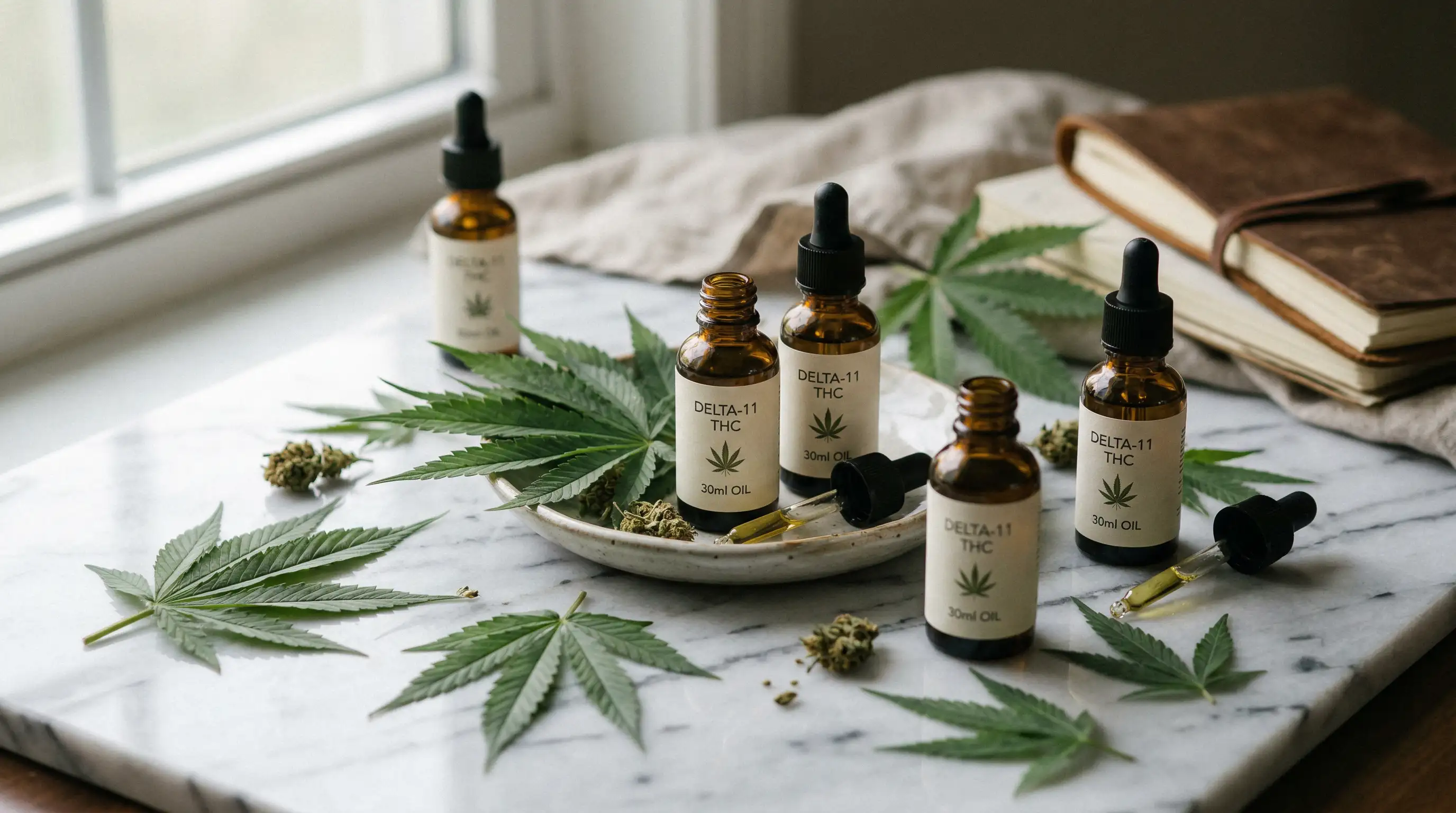
Delta-11 THC
Always start with a low dose and read our safety guidelines before use.
Delta-11 THC is a rare cannabinoid metabolite that occurs when Delta-9 THC is processed by the liver. It provides potent, long-lasting effects with a unique psychoactive profile. Emerging in Dutch smartshops as an exotic cannabinoid for experienced users.

Overview
Delta-11 THC, scientifically known as 11-nor-Δ9-tetrahydrocannabinol, represents one of the lesser-known cannabinoids in the cannabis plant's complex chemical profile. Unlike its more famous cousin Delta-9 THC, which is the primary psychoactive compound in cannabis, Delta-11 THC exists in much smaller concentrations naturally and is primarily encountered as a metabolite rather than a direct plant constituent. This compound has gained attention in recent years as cannabis research has expanded and extraction technologies have become more sophisticated, allowing for the isolation and study of minor cannabinoids that were previously overlooked.
The compound shares structural similarities with Delta-9 THC but differs in its molecular configuration, which significantly impacts its pharmacological properties and effects on the human body. Delta-11 THC is often produced through specific extraction and conversion processes, making it more of a synthetic or semi-synthetic cannabinoid rather than a naturally abundant one. This distinction is important for consumers to understand, as it affects both the availability and the regulatory status of products containing this compound.
People seek out Delta-11 THC for various reasons, including curiosity about novel cannabinoids, desire for different psychoactive experiences, and potential therapeutic applications that may differ from traditional cannabis products. Some users report that Delta-11 THC provides a unique combination of mental clarity and physical relaxation that distinguishes it from other cannabinoids. However, due to its relative novelty and limited research, much of what is known about Delta-11 THC comes from anecdotal reports rather than comprehensive scientific studies.
The legal landscape surrounding Delta-11 THC varies significantly by jurisdiction, with some areas treating it similarly to Delta-9 THC while others may have specific regulations or lack clear guidelines altogether. This regulatory uncertainty, combined with the compound's synthetic nature, creates additional considerations for both consumers and retailers in the cannabis and hemp industries.
How It Works
Delta-11 THC interacts with the human endocannabinoid system, a complex network of receptors, enzymes, and endogenous compounds that plays a crucial role in maintaining physiological balance. The primary targets for Delta-11 THC are the CB1 and CB2 cannabinoid receptors, though its binding affinity and activation patterns differ from those of Delta-9 THC. CB1 receptors are predominantly found in the central nervous system, particularly in areas of the brain responsible for cognition, memory, motor coordination, and pain perception. CB2 receptors are more abundant in peripheral tissues and immune cells, influencing inflammation and immune responses.
When Delta-11 THC binds to CB1 receptors, it acts as a partial agonist, meaning it activates these receptors but not to their full capacity. This partial activation is thought to contribute to the compound's unique effects profile, potentially offering psychoactive benefits while reducing some of the adverse effects associated with full CB1 receptor activation. The binding process triggers a cascade of intracellular events, including the inhibition of adenylyl cyclase, which reduces cyclic adenosine monophosphate levels and affects various downstream signaling pathways.
The compound's interaction with neurotransmitter systems extends beyond the endocannabinoid system. Delta-11 THC can influence dopamine release in reward pathways, though typically to a lesser extent than Delta-9 THC, which may explain reports of reduced anxiety and paranoia among some users. It also affects GABA and glutamate neurotransmission, the brain's primary inhibitory and excitatory systems, respectively. This modulation can contribute to the compound's reported effects on mood, perception, and cognitive function.
The metabolism of Delta-11 THC involves hepatic enzymes, particularly those in the cytochrome P450 family, which break down the compound into various metabolites. Some of these metabolites may retain psychoactive properties, potentially contributing to the duration and character of the overall experience. The metabolic pathway can be influenced by individual genetic variations, concurrent medications, and other factors, leading to significant variability in how different people respond to the same dose.
What It Looks Like
Delta-11 THC products typically appear in several distinct forms, each with characteristic visual and physical properties that can help consumers identify authentic products and avoid potentially harmful adulterants. In its pure form, Delta-11 THC is usually a viscous, amber to golden-colored oil or a crystalline solid, depending on the extraction and purification methods used. The consistency can range from a thick, honey-like liquid to a more solid, wax-like substance at room temperature.
Most commonly, consumers encounter Delta-11 THC in vape cartridges, where the oil appears as a clear to amber liquid with varying degrees of viscosity. Legitimate products should have consistent color throughout, without separation, cloudiness, or unusual particles floating in the liquid. The oil should move slowly when the cartridge is tilted, indicating proper consistency. Cartridges should be properly sealed with professional-grade hardware and clear labeling indicating the contents, concentration, and manufacturer information.
Edible products containing Delta-11 THC can take many forms, including gummies, chocolates, beverages, and baked goods. These products should have uniform appearance and consistency, with no signs of mold, unusual discoloration, or separation of ingredients. Professional edible products typically feature precise dosing information and ingredient lists, along with proper packaging that protects the product from light and moisture.
Tinctures and oils containing Delta-11 THC usually appear as clear to amber liquids in dark glass bottles with graduated droppers for precise dosing. The liquid should be homogeneous without separation or precipitation, and the bottle should be properly labeled with concentration information and usage instructions.
Potential adulterants or contaminants to watch for include synthetic cannabinoids that may be added to increase potency or reduce costs, residual solvents from extraction processes, pesticides, heavy metals, and microbial contaminants. Products that seem unusually cheap, lack proper labeling, or come from unverified sources carry higher risks of containing these harmful substances. Legitimate products should come with certificates of analysis from third-party laboratories confirming purity and potency.
What to Expect
The subjective experience of Delta-11 THC varies considerably based on dosage, individual tolerance, consumption method, and environmental factors, but users generally report a distinctive profile that differs from other cannabinoids. The onset of effects depends significantly on the route of administration, with inhalation methods producing effects within minutes, while oral consumption can take anywhere from thirty minutes to two hours to manifest fully.
At lower doses, typically ranging from 2.5 to 10 milligrams when consumed orally, users often report a subtle shift in perception characterized by mild euphoria, enhanced sensory awareness, and a gentle relaxation that doesn't impair cognitive function significantly. Many describe this as a "clear-headed high" that allows for continued productivity while providing stress relief and mood enhancement. Physical sensations may include a light tingling or warmth throughout the body, reduced muscle tension, and a general sense of well-being.
Moderate doses, generally between 10 to 25 milligrams, tend to produce more pronounced psychoactive effects while maintaining the compound's reputation for mental clarity. Users frequently report enhanced creativity, deeper appreciation for music and visual stimuli, and a pleasant body high that promotes relaxation without sedation. Time perception may become altered, with minutes feeling longer or shorter than usual, and some users experience mild visual enhancements such as increased color saturation or slight visual distortions.
Higher doses, exceeding 25 milligrams, can produce more intense psychoactive experiences that may include significant alterations in perception, stronger euphoria, and more pronounced physical effects. Some users report experiences similar to moderate doses of Delta-9 THC, including potential anxiety or paranoia in sensitive individuals or those in unsuitable environments. At these levels, cognitive impairment becomes more likely, affecting memory, concentration, and motor coordination.
The duration of effects varies by consumption method, with inhaled Delta-11 THC typically lasting two to four hours, while oral consumption can produce effects lasting four to eight hours or longer. The experience generally follows a predictable arc, beginning with onset, reaching peak effects, and then gradually diminishing. Many users report that the comedown from Delta-11 THC is smoother and less abrupt than with other cannabinoids, with fewer reports of grogginess or mental fog afterward.
Individual responses can vary dramatically based on factors including body weight, metabolism, tolerance to cannabinoids, concurrent medications, and psychological state. First-time users or those with low tolerance should expect potentially stronger effects than experienced cannabis consumers, as cross-tolerance between different cannabinoids is not always complete.
Preparation & Consumption
Proper preparation and consumption of Delta-11 THC requires careful attention to dosing, method selection, and environmental considerations to ensure a safe and positive experience. The most common consumption methods include inhalation through vaporization, oral ingestion via edibles or tinctures, and sublingual administration, each offering distinct advantages and considerations.
Vaporization represents one of the most controllable methods for consuming Delta-11 THC, allowing users to titrate their dose by taking small inhalations and waiting for effects before consuming more. When using vape cartridges, start with one small puff and wait at least five to ten minutes before taking additional doses. The vaporization temperature should be set between 315-440°F (157-227°C) to avoid combustion while effectively vaporizing the cannabinoid. Ensure the vaping device is clean and functioning properly, as malfunctioning equipment can produce harmful byproducts or deliver inconsistent doses.
Oral consumption through edibles or capsules provides longer-lasting effects but requires more careful dosing due to the delayed onset and potential for overconsumption. Start with the lowest possible dose, typically 2.5 milligrams or less for beginners, and wait at least two hours before considering additional consumption. The effects of oral Delta-11 THC can be significantly influenced by stomach contents, with consumption on an empty stomach leading to faster onset but potentially stronger effects. Taking Delta-11 THC with fatty foods may enhance absorption and bioavailability.
Sublingual tinctures offer a middle ground between inhalation and oral consumption, with effects typically beginning within 15-30 minutes and lasting 3-6 hours. Place the recommended dose under the tongue and hold for 30-60 seconds before swallowing. This method allows for relatively precise dosing while avoiding the delayed onset associated with digestive absorption.
Set and setting play crucial roles in the Delta-11 THC experience, particularly for new users or those taking higher doses. Choose a comfortable, familiar environment where you feel safe and relaxed. Avoid consuming Delta-11 THC before driving, operating machinery, or engaging in activities requiring full cognitive function. Having a trusted, sober friend present can provide reassurance and assistance if needed.
Preparation should include ensuring adequate hydration, having healthy snacks available, and creating a pleasant atmosphere with comfortable seating, appropriate lighting, and access to entertainment or relaxation activities. Remove or minimize potential stressors from the environment, and ensure you have several hours available without obligations or responsibilities.
Safety First
Understanding and implementing proper safety measures is essential when using Delta-11 THC, as with any psychoactive substance. The relative novelty of this cannabinoid means that comprehensive safety data is limited, making conservative approaches and careful monitoring particularly important for users.
Contraindications for Delta-11 THC use include pregnancy and breastfeeding, as cannabinoids can cross the placental barrier and appear in breast milk, potentially affecting fetal or infant development. Individuals with a history of psychotic disorders, severe anxiety disorders, or substance abuse should exercise extreme caution or avoid use entirely, as cannabinoids can potentially exacerbate these conditions. Those with cardiovascular conditions should consult healthcare providers before use, as cannabinoids can affect heart rate and blood pressure.
Drug interactions represent a significant safety concern, particularly with medications metabolized by the same liver enzymes that process Delta-11 THC. Blood thinners, seizure medications, and certain antidepressants may have altered effectiveness or increased side effects when combined with cannabinoids. Always consult with healthcare providers about potential interactions before combining Delta-11 THC with prescription medications.
Age restrictions are crucial, as the developing brain is particularly vulnerable to cannabinoid effects. Use should be restricted to adults over 21, and even young adults should exercise additional caution due to ongoing brain development into the mid-twenties. Elderly users may be more sensitive to cannabinoid effects and should start with lower doses while monitoring for increased fall risk or cognitive impairment.
Quality assurance through third-party testing is essential for safety, as unregulated products may contain harmful contaminants including pesticides, heavy metals, residual solvents, or synthetic additives. Only purchase products from reputable sources that provide certificates of analysis confirming purity and potency. Be wary of products with unusually low prices or those lacking proper labeling and testing documentation.
Tolerance and dependence considerations include the potential for developing tolerance with regular use, requiring higher doses to achieve the same effects. While physical dependence on cannabinoids is generally less severe than with other substances, psychological dependence can develop, particularly in individuals using cannabis products to cope with underlying mental health issues.
Storage safety involves keeping all Delta-11 THC products in child-resistant containers, away from heat, light, and moisture, and clearly labeled to prevent accidental consumption. Never leave products accessible to children, pets, or individuals who have not consented to use them.
History & Cultural Context
The discovery and understanding of Delta-11 THC emerged from the broader scientific exploration of cannabis chemistry that began in earnest during the mid-20th century. While Delta-9 THC was first isolated and synthesized by Raphael Mechoulam and his colleagues in Israel during the 1960s, the identification of minor cannabinoids like Delta-11 THC came later as analytical techniques became more sophisticated and researchers began to map the full spectrum of compounds present in cannabis plants.
Delta-11 THC's recognition as a distinct compound grew from metabolic studies of Delta-9 THC, where researchers discovered that the liver converts Delta-9 THC into various metabolites, including 11-hydroxy-THC and eventually Delta-11 THC. This metabolic pathway research was crucial for understanding how cannabis affects the body and for developing drug testing methods, but it also revealed the existence of these secondary compounds that might have their own unique properties.
The cultural context surrounding Delta-11 THC is intrinsically linked to the broader cannabis legalization movement and the growing interest in minor cannabinoids that has emerged in the 21st century. As legal cannabis markets developed in various jurisdictions, consumers and researchers alike became interested in exploring the effects of individual cannabinoids beyond the well-known Delta-9 THC and CBD. This curiosity was fueled by anecdotal reports suggesting that different cannabinoids might offer unique therapeutic benefits or recreational experiences.
The hemp industry's growth following the 2018 Farm Bill in the United States created additional interest in Delta-11 THC and similar compounds, as manufacturers sought to develop products that could provide psychoactive effects while remaining within legal frameworks that often focused specifically on Delta-9 THC content. This led to increased research and development of extraction and conversion techniques to produce various cannabinoids from legal hemp sources.
Cultural perceptions of Delta-11 THC have been shaped by the broader evolution of cannabis acceptance, moving from prohibition-era stigmatization to increasing recognition of potential therapeutic applications and acceptance of recreational use. The compound exists within a cultural moment where consumers are increasingly sophisticated about cannabis chemistry and seek specific effects rather than simply pursuing intoxication.
The scientific community's approach to Delta-11 THC reflects broader changes in cannabis research, with increasing funding and institutional support for studying previously overlooked compounds. This research renaissance has been driven by both medical interest in potential therapeutic applications and commercial interest in developing new products for legal cannabis markets.
Emergency Guidance
Recognizing and responding appropriately to adverse reactions or emergencies involving Delta-11 THC requires understanding the signs of overconsumption and knowing when professional medical intervention is necessary. While serious medical emergencies from cannabinoids alone are rare, they can occur, particularly when combined with other substances or in individuals with underlying health conditions.
Signs of Delta-11 THC overconsumption include severe anxiety or panic attacks, paranoia, confusion, disorientation, rapid heart rate, nausea and vomiting, extreme dizziness, and difficulty speaking or coordinating movements. In severe cases, individuals may experience hallucinations, loss of consciousness, or symptoms resembling psychosis. These symptoms are more likely with high doses, particularly when consumed orally, as the delayed onset can lead to accidental overconsumption.
Immediate response measures for someone experiencing adverse effects should focus on ensuring their safety and comfort while monitoring for signs that require professional medical attention. Move the person to a quiet, comfortable environment away from stimulation. Encourage slow, deep breathing and provide reassurance that the effects are temporary and will pass. Keep the person hydrated with water, but avoid alcohol or other substances that might complicate the situation.
If the person is experiencing severe anxiety or panic, grounding techniques can be helpful, such as encouraging them to focus on their breathing, describing their immediate surroundings, or engaging in simple, repetitive tasks. Physical comfort measures like comfortable positioning, appropriate temperature, and soft lighting can also help reduce distress.
Call emergency services immediately if the person loses consciousness, has difficulty breathing, experiences chest pain, shows signs of severe dehydration, has a seizure, or exhibits symptoms of psychosis that include threats of self-harm or harm to others. Also seek immediate medical attention if the person has consumed Delta-11 THC in combination with alcohol or other drugs, as interactions can be unpredictable and potentially dangerous.
When speaking with emergency responders or medical professionals, be honest about what substances were consumed, including the estimated dose and timing of consumption. This information is crucial for proper treatment and is protected by medical confidentiality. Bring any product packaging or labeling if available, as this can help medical professionals understand exactly what was consumed.
Prevention remains the best approach to avoiding emergencies, emphasizing the importance of starting with low doses, avoiding mixing substances, using products from reputable sources, and consuming in safe environments with trusted individuals present.
Legal Status in NL
Legal
Available in 181 shops across 67 cities. Most shops in Amsterdam (32), Rotterdam (13), Online (11).
Dosage Guide
Experience Timeline
Effect Profile
Positive Effects
Side Effects
Safety & Harm Reduction
Harm Reduction Tips
- Start with very low doses due to unknown potency and limited research
- Avoid driving or operating machinery for at least 6-8 hours after use
- Use in a safe, familiar environment with trusted people present
- Stay hydrated but avoid excessive water consumption
- Have CBD available as it may help counteract negative effects
- Avoid mixing with alcohol or other substances
- Wait at least 2 hours before redosing to assess full effects
- Keep a trip journal to track dosage and effects for future reference
- Ensure products are from reputable sources with lab testing when possible
- Have a sober friend available who can assist if needed
Emergency Information
If experiencing severe anxiety, panic, or paranoia, move to a calm, safe environment and practice deep breathing. Stay hydrated and avoid additional substances. Seek medical attention if experiencing chest pain, difficulty breathing, or persistent severe symptoms that don't improve with time and supportive care.
Interactions
AlcoholCaution
CannabisCaution
CNS DepressantsCaution
StimulantsCaution
SSRIs/SNRIsCaution
BenzodiazepinesCaution
MAOIsCaution
Experience Levels
As a cannabinoid newcomer, Delta-11 THC is not recommended for your first experience. This rare metabolite has unknown potency and effects that could be overwhelming without prior cannabinoid experience. If you're determined to try it despite recommendations, understand that you're essentially participating in self-experimentation with limited safety data. The effects may be significantly stronger and longer-lasting than expected, potentially causing anxiety or discomfort. Start with an extremely small amount - much less than typical cannabis doses. Expect unpredictable onset times and duration that could extend well beyond normal THC experiences. Have an experienced, sober friend present throughout the experience. Prepare for potential side effects like increased heart rate, anxiety, or disorientation. The unique psychoactive profile means you can't predict effects based on other substance experiences. Consider this a serious commitment requiring careful planning and risk acceptance. Most harm reduction experts would strongly advise gaining experience with traditional cannabis or CBD first, as these provide more predictable and researched experiences that better prepare you for novel cannabinoids.
Frequently Asked Questions
Is Delta-11 THC legal in the Netherlands?▾
Yes, Delta-11 THC is currently legal in the Netherlands. However, cannabinoid regulations can change rapidly, so always verify current legal status before purchasing. It's sold in licensed smartshops as a novel cannabinoid product.
What dosage should I start with for Delta-11 THC?▾
Since Delta-11 THC is a rare and potent cannabinoid with limited research, start with the lowest possible dose available. Begin with a micro-dose and wait at least 2-3 hours before considering more. The effects may be stronger and longer-lasting than Delta-9 THC.
How does Delta-11 THC compare to regular cannabis?▾
Delta-11 THC is a metabolite of Delta-9 THC that's typically more potent and longer-lasting. While regular cannabis provides familiar effects, Delta-11 offers a unique psychoactive profile that may feel different from traditional THC. It's considered more suitable for experienced cannabinoid users.
What should I expect from a Delta-11 THC experience?▾
Due to limited research, effects are not well-documented. As a THC metabolite, it may produce psychoactive effects similar to but potentially stronger than Delta-9 THC. Expect possible euphoria, altered perception, and relaxation, but with potentially longer duration and different intensity patterns.
Are there any safety risks with Delta-11 THC?▾
As a novel cannabinoid with limited research, safety profiles are not well-established. General cannabinoid precautions apply: avoid driving, don't mix with alcohol or other substances, and be cautious if you have heart conditions or mental health concerns. Start very low due to unknown potency.
Can Delta-11 THC interact with medications?▾
Like other cannabinoids, Delta-11 THC may interact with medications metabolized by liver enzymes. Consult your healthcare provider before use if you take prescription medications, especially blood thinners, seizure medications, or psychiatric drugs.
Where can I buy Delta-11 THC in the Netherlands?▾
Delta-11 THC is available at licensed smartshops throughout the Netherlands. Purchase only from reputable retailers who provide lab-tested products with clear labeling. Avoid online vendors of unknown origin or products without proper documentation.
Can I travel with Delta-11 THC within or outside the Netherlands?▾
While legal in the Netherlands, Delta-11 THC may be illegal in other countries. Never travel internationally with cannabinoid products without researching destination laws. Even within the EU, regulations vary significantly between countries.
What's the best setting for trying Delta-11 THC?▾
Choose a comfortable, familiar environment with trusted people present. Avoid public spaces or situations requiring focus or responsibility. Have water, snacks, and entertainment available. Ensure you have no obligations for the following day due to unknown duration.
How long do Delta-11 THC effects last?▾
Duration is not well-established due to limited research. As a liver metabolite of THC, effects may be longer-lasting than traditional cannabis. Plan for potentially extended effects and avoid time-sensitive activities for at least 12-24 hours after use.
Should beginners try Delta-11 THC?▾
Delta-11 THC is generally recommended for experienced cannabinoid users due to its unknown potency and effects profile. Beginners should first gain experience with well-researched cannabinoids like CBD or traditional cannabis before exploring novel compounds.
What if I take too much Delta-11 THC?▾
If you feel overwhelmed, stay calm and remember the effects are temporary. Move to a quiet, comfortable space, practice deep breathing, and stay hydrated. Contact emergency services if you experience severe anxiety, panic, or concerning physical symptoms.
How is Delta-11 THC different from other synthetic cannabinoids?▾
Delta-11 THC is actually a natural metabolite produced when your liver processes Delta-9 THC, not a synthetic compound. This makes it potentially safer than fully synthetic cannabinoids, though research is still limited on its specific effects and safety profile.
Can Delta-11 THC show up on drug tests?▾
Drug tests typically screen for THC metabolites, and Delta-11 THC may trigger positive results. If you're subject to drug testing for work or legal reasons, avoid all THC-containing products including Delta-11 THC.
What quality standards should I look for when buying Delta-11 THC?▾
Look for products with third-party lab testing, clear potency labeling, and certificates of analysis. Reputable smartshops should provide information about purity, contaminants, and exact cannabinoid content. Avoid products with vague labeling or unknown origins.
How It Compares — Delta-11 THC
| Dimension | Delta-11 THC | CBD | Cannabis | HHC-O |
|---|---|---|---|---|
| Psychoactive Effects | Strong psychoactive | Non-psychoactive | — | — |
| Legal Status NL | Legal | Legal | Tolerated (gedoogbeleid) | Grey area |
| Research Level | Minimal research | Extensive research | Extensive | — |
| Onset Time | Unknown | 15-45 minutes | Immediate-90 minutes | — |
| Duration | Unknown (likely extended) | 4-8 hours | 2-8 hours | Unknown |
| Best For | Experienced users seeking novel effects | Wellness, anxiety relief, beginners | — | — |
| Safety Profile | Unknown/experimental | Well-established, very safe | — | Uncertain |
Related Searches
References
- Nagarkatti P, Pandey R, Rieder SA, Hegde VL, Nagarkatti M. The endocannabinoid system: an emerging key player in inflammation · Nature Reviews Immunology · 2009doi:10.1038/nri2653
- Pertwee RG. Cannabinoid pharmacology: the first 66 years · British Journal of Pharmacology · 2006doi:10.1038/sj.bjp.0706406
- Raja SN, Carr DB, Cohen M, Finnerup NB, Flor H, Gibson S, Keefe FJ, Mogil JS, Ringkamp M, Sluka KA, Song XJ, Stevens B, Sullivan MD, Tutelman PR, Ushida T, Vader K. International Association for the Study of Pain Terminology · Pain · 2020doi:10.1097/j.pain.0000000000001939
- Benito C, Núñez E, Tolón RM, Carrier EJ, Rábano A, Hillard CJ, Romero J. Cannabinoid CB1 and CB2 receptors and their fatty acid amide hydrolase are specific markers of plaque cell subtypes in human multiple sclerosis · Journal of Neuroscience · 2003doi:10.1523/JNEUROSCI.23-07-02510.2003
- Grotenhermen F, Müller-Vahl K. The therapeutic potential of cannabis and cannabinoids · Deutsches Ärzteblatt International · 2012doi:10.3238/arztebl.2012.0495
- Huestis MA. Pharmacokinetics and pharmacodynamics of cannabinoids · Clinical Pharmacokinetics · 2007doi:10.2165/00003088-200746120-00004
- ElSohly MA, Radwan MM, Gul W, Chandra S, Galal A. Cannabis and cannabinoid research: from backlash to acceptance · Journal of Natural Products · 2017doi:10.1021/acs.jnatprod.6b00964
- Wang T, Collet JP, Shapiro S, Ware MA. Adverse effects of medical cannabinoids: a systematic review · CMAJ · 2008doi:10.1503/cmaj.071178
Disclaimer: This information is for educational purposes only and does not constitute medical advice. Always consult a qualified healthcare professional before using any substance. If you experience adverse effects, contact your doctor or call 112 (Netherlands emergency).