CBD
Always start with a low dose and read our safety guidelines before use.
Cannabidiol (CBD) is a non-psychoactive cannabinoid found in cannabis plants. It has gained popularity for its potential therapeutic benefits including anxiety relief, pain management, and anti-inflammatory properties. CBD products are widely available in the Netherlands in various forms including oils, capsules, edibles, and topicals.

Overview
Cannabidiol, commonly known as CBD, is one of over 100 naturally occurring compounds called cannabinoids found in the Cannabis sativa plant. Unlike its more famous cousin tetrahydrocannabinol (THC), CBD is non-psychoactive, meaning it does not produce the characteristic "high" associated with cannabis use. This fundamental difference has made CBD increasingly popular among individuals seeking potential therapeutic benefits without the intoxicating effects of traditional cannabis products.
CBD has gained significant attention in recent years due to its potential therapeutic properties and favorable safety profile. Research suggests it may possess anti-inflammatory, anxiolytic, anticonvulsant, and neuroprotective properties, though much of the scientific evidence remains preliminary. The compound has been studied for its potential applications in treating various conditions including epilepsy, anxiety disorders, chronic pain, and sleep disturbances. The World Health Organization has stated that CBD exhibits no effects indicative of abuse or dependence potential and is generally well-tolerated in humans.
People use CBD for a wide variety of reasons, ranging from managing everyday stress and promoting better sleep to addressing specific medical conditions. Some users report that CBD helps them feel more relaxed and centered without impairing their cognitive function or daily activities. Others use it as part of their wellness routine, similar to how one might take vitamins or supplements. The versatility of CBD products, available in forms ranging from oils and capsules to topical creams and edibles, has contributed to its widespread adoption across diverse demographics. In the Netherlands, CBD products containing less than 0.05% THC are legal and widely available in smart shops, pharmacies, and health stores, reflecting the compound's acceptance as a wellness product rather than a controlled substance.
How It Works
CBD exerts its effects through a complex interaction with the body's endocannabinoid system (ECS), a sophisticated biological network that plays a crucial role in maintaining homeostasis. The ECS consists of endogenous cannabinoids (endocannabinoids), cannabinoid receptors, and enzymes responsible for synthesizing and breaking down these compounds. Unlike THC, which directly binds to CB1 and CB2 receptors, CBD has a more indirect and nuanced mechanism of action.
CBD acts as a negative allosteric modulator of CB1 receptors, meaning it can influence how other compounds bind to these receptors without directly activating them. This interaction can modulate the effects of THC and endocannabinoids like anandamide. Additionally, CBD inhibits the enzyme fatty acid amide hydrolase (FAAH), which breaks down anandamide, potentially leading to increased levels of this "bliss molecule" in the brain. This mechanism may contribute to CBD's anxiolytic and mood-stabilizing effects.
Beyond the endocannabinoid system, CBD interacts with numerous other receptor systems throughout the body. It acts as an agonist at serotonin 5-HT1A receptors, which may explain its anti-anxiety and antidepressant-like effects. CBD also interacts with TRPV1 receptors (vanilloid receptors), which are involved in pain perception and inflammation. The compound can modulate calcium channels and has been shown to influence adenosine signaling, which plays a role in sleep-wake cycles and neuroprotection.
CBD's anti-inflammatory properties appear to stem from its ability to suppress cytokine production and modulate immune cell function. It can influence the release of inflammatory mediators and may help regulate the immune system's response to various stimuli. The compound also demonstrates antioxidant properties, potentially protecting cells from oxidative stress and damage. These diverse mechanisms of action help explain why CBD appears to have such a wide range of potential therapeutic applications, though researchers are still working to fully understand all the pathways through which CBD exerts its effects on human physiology.
What It Looks Like
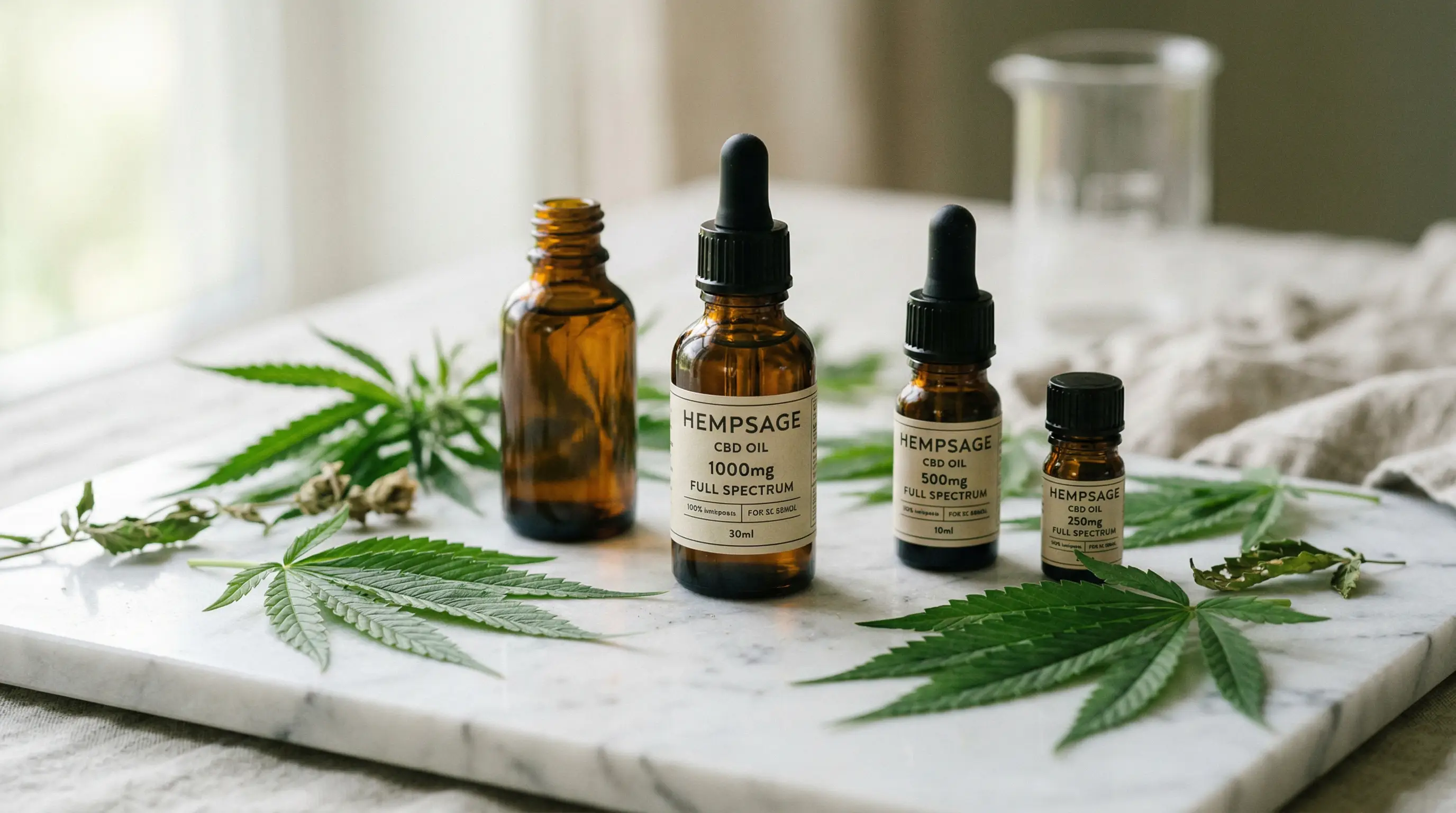
CBD products come in numerous forms, each with distinct visual characteristics that can help consumers identify authentic products. Pure CBD isolate appears as a white, crystalline powder that resembles powdered sugar or fine salt. This form is typically 99% pure CBD and has no taste or odor. Full-spectrum CBD extracts, which contain other cannabinoids and terpenes, often appear as thick, viscous oils ranging in color from light amber to dark brown or even black, depending on the extraction method and plant material used.
CBD oils and tinctures are among the most common forms available in Dutch smart shops. These products typically come in small glass bottles with dropper caps, allowing for precise dosing. The oil itself can vary significantly in color and consistency, from light golden yellow to deep amber or green, depending on whether it's made from CBD isolate, broad-spectrum, or full-spectrum extract. High-quality CBD oils should be clear and free from particulates or separation, though some cloudiness may occur at lower temperatures.
CBD capsules and softgels look similar to standard dietary supplements, usually containing either CBD oil or powder in gelatin or vegetarian capsules. Edible CBD products, such as gummies, chocolates, or beverages, appear much like their non-CBD counterparts but should be clearly labeled with CBD content and dosing information. Topical CBD products include creams, balms, and lotions that typically have a standard cosmetic appearance but may have a slightly greenish tint if they contain full-spectrum extracts.
When purchasing CBD products, consumers should be aware of potential adulterants or mislabeled products. Synthetic cannabinoids, which can be dangerous, are sometimes sold as CBD but typically appear as powders or liquids with unusual colors or chemical odors. Legitimate CBD products should always come with proper labeling indicating CBD content, batch numbers, and third-party lab testing results. Products lacking this information or sold at suspiciously low prices may be of questionable quality or contain harmful contaminants.
What to Expect
The subjective experience of CBD differs significantly from psychoactive substances, as it typically produces subtle effects that many users describe as a gentle sense of calm or relaxation without any intoxicating properties. Unlike THC, CBD does not alter perception, cognition, or consciousness in noticeable ways. Instead, users often report a gradual reduction in feelings of stress, anxiety, or physical tension that may develop over the course of 30 minutes to two hours, depending on the method of consumption.
At lower doses, typically ranging from 5-20 milligrams, many users report minimal noticeable effects, though some may experience a slight sense of relaxation or improved mood. These subtle effects are often described as feeling more "centered" or "balanced" rather than experiencing any dramatic change in mental state. Some users find that low doses help them feel more focused during the day or slightly more relaxed in the evening, though these effects can be so mild that they're only noticed in retrospect.
Moderate doses, generally considered to be between 20-50 milligrams, tend to produce more noticeable effects. Users commonly report feeling calmer, less anxious, and more physically relaxed. Some describe a gentle "taking the edge off" sensation, where daily stresses feel more manageable. Physical tension, particularly in the shoulders, neck, and jaw, may noticeably decrease. Sleep quality often improves, with users reporting easier time falling asleep and more restful sleep, though CBD is not typically sedating in the way that sleep medications might be.
Higher doses, ranging from 50-200 milligrams or more, may produce more pronounced relaxation effects. Some users report feeling notably calmer and more physically relaxed, though still maintaining full cognitive function and awareness. At these doses, some individuals may experience mild drowsiness, particularly if they are sensitive to CBD or taking it in the evening. However, even at higher doses, CBD should not produce euphoria, altered perception, or impairment of motor function.
The onset and duration of effects vary significantly based on the consumption method. Sublingual oils typically begin working within 15-45 minutes and may last 4-6 hours. Edibles can take 1-2 hours to take effect but may provide longer-lasting benefits, potentially up to 8 hours. Topical applications generally work locally and may provide relief for several hours without systemic effects. Individual responses to CBD can vary considerably based on factors including body weight, metabolism, tolerance, and the specific product formulation used.
Preparation & Consumption
CBD can be consumed through various routes of administration, each offering different onset times, duration of effects, and bioavailability. Understanding these differences is crucial for achieving desired outcomes and avoiding overconsumption. Sublingual administration, where CBD oil is held under the tongue for 60-90 seconds before swallowing, is one of the most popular methods due to its relatively quick onset and good bioavailability. This method allows CBD to be absorbed directly into the bloodstream through the mucous membranes, bypassing first-pass metabolism in the liver.
When using sublingual CBD oils, start with a low dose, typically 2.5-5 milligrams, and wait at least two hours before taking additional doses to assess effects. The oil should be held under the tongue for at least one minute to maximize absorption. Many products come with graduated droppers or syringes to facilitate accurate dosing, though it's worth noting that dropper measurements can vary between products and manufacturers.
Oral consumption through capsules, edibles, or beverages offers convenience and precise dosing but results in lower bioavailability due to first-pass metabolism. Effects typically take 1-2 hours to manifest and may last 6-8 hours. When using edibles, it's particularly important to start with low doses (2.5-10 milligrams) and wait at least two hours before consuming more, as the delayed onset can lead to accidental overconsumption. Taking CBD with fatty foods may increase absorption, as cannabinoids are fat-soluble compounds.
Vaporization of CBD flower or concentrates provides rapid onset, typically within minutes, but effects may be shorter-lived, lasting 2-4 hours. This method offers good bioavailability and allows for easy dose titration, as effects are felt quickly. However, vaporization requires specialized equipment and may not be suitable for all users, particularly those with respiratory sensitivities.
Topical application of CBD creams, balms, or lotions allows for localized effects without systemic absorption. These products are applied directly to the skin over areas of discomfort or tension and may provide relief for several hours. Topical CBD products are particularly useful for addressing localized pain, inflammation, or skin conditions.
Set and setting, while less critical for CBD than for psychoactive substances, can still influence the experience. Taking CBD in a comfortable, relaxed environment may enhance its calming effects. Consistency in timing and dosing can help users better understand their individual response to CBD and optimize their regimen accordingly.
Safety First
CBD is generally considered safe and well-tolerated, with the World Health Organization stating that it exhibits no effects indicative of abuse or dependence potential. However, like any bioactive compound, CBD can interact with other medications and may cause side effects in some individuals. The most commonly reported side effects include drowsiness, dry mouth, reduced appetite, diarrhea, and fatigue, though these are typically mild and dose-dependent.
One of the most significant safety considerations involves drug interactions. CBD can inhibit certain cytochrome P450 enzymes, particularly CYP3A4 and CYP2D6, which are responsible for metabolizing many prescription medications. This inhibition can potentially increase blood levels of certain drugs, including blood thinners like warfarin, anti-seizure medications, and some heart medications. Individuals taking prescription medications should consult with healthcare providers before using CBD products, particularly if they take medications with narrow therapeutic windows or those that carry black box warnings.
CBD may also interact with other supplements and over-the-counter medications. Combining CBD with other sedating substances, including alcohol, benzodiazepines, or sleep aids, may increase drowsiness and should be approached with caution. The compound may also interact with herbs and supplements that affect liver enzymes or have sedating properties.
Certain populations should exercise particular caution when considering CBD use. Pregnant and breastfeeding women should avoid CBD products, as there is insufficient research on safety during pregnancy and lactation. Individuals with liver disease should consult healthcare providers before using CBD, as the compound is metabolized by the liver and may affect liver function tests. People with low blood pressure should monitor their response carefully, as CBD may cause mild decreases in blood pressure.
Quality and purity of CBD products represent another crucial safety consideration. The CBD market remains largely unregulated in many jurisdictions, leading to significant variability in product quality. Third-party laboratory testing is essential for verifying CBD content, checking for pesticides, heavy metals, residual solvents, and microbial contaminants. Reputable manufacturers provide certificates of analysis (COAs) for their products, which should be readily available to consumers.
When purchasing CBD products, consumers should look for products that provide clear labeling of CBD content, batch numbers, and expiration dates. Products should be stored properly, typically in cool, dark places, to maintain potency and prevent degradation. Starting with low doses and gradually increasing allows users to assess their individual tolerance and response while minimizing the risk of adverse effects.
History & Cultural Context
The history of CBD is intrinsically linked to the broader history of cannabis, though the specific identification and isolation of CBD is a relatively recent development in the plant's long relationship with humanity. Cannabis has been used medicinally and recreationally for thousands of years, with evidence of its use dating back to ancient civilizations in China, India, and the Middle East. However, the individual compounds responsible for cannabis's effects remained unknown until the 20th century.
CBD was first isolated and identified in 1940 by American chemist Roger Adams and his team at the University of Illinois. However, Adams did not fully understand the compound's structure or properties at the time. It wasn't until 1963 that Israeli chemist Raphael Mechoulam successfully determined CBD's chemical structure, followed by his synthesis of the compound in 1965. Mechoulam's work laid the foundation for modern cannabinoid research and earned him recognition as the "father of cannabis research."
The discovery of the endocannabinoid system in the 1990s revolutionized understanding of how cannabinoids interact with the human body. The identification of CB1 and CB2 receptors, along with endogenous cannabinoids like anandamide, provided a scientific framework for understanding cannabis's effects and opened new avenues for therapeutic research.
Cultural perceptions of CBD have evolved dramatically over the past several decades. Initially, CBD research was hampered by cannabis prohibition and the stigma surrounding the plant. However, growing awareness of CBD's non-psychoactive properties and potential therapeutic benefits began to shift public opinion. The turning point came with high-profile cases of children with severe epilepsy who experienced dramatic improvements with CBD-rich cannabis extracts, leading to increased advocacy and research funding.
The 2018 Farm Bill in the United States legalized hemp-derived CBD products containing less than 0.3% THC, catalyzing a massive expansion of the CBD market. In the Netherlands, CBD products have been legal since 2015, provided they contain less than 0.05% THC. This legal framework has allowed for the development of a robust CBD industry and increased consumer access to these products.
Today, CBD is increasingly viewed as a wellness product rather than a drug, with mainstream acceptance growing across diverse demographics. The compound has shed much of the stigma associated with cannabis, partly due to its non-intoxicating nature and endorsements from medical professionals and researchers. This cultural shift has facilitated increased research funding and regulatory acceptance, though the scientific understanding of CBD's full therapeutic potential continues to evolve.
Emergency Guidance
While CBD is generally considered very safe with a low risk of serious adverse effects, users should be aware of potential issues and know how to respond appropriately. True medical emergencies from CBD alone are extremely rare, but certain situations may require attention or intervention. The most common issues users might encounter include excessive drowsiness, gastrointestinal upset, or interactions with other medications.
If someone experiences severe drowsiness after taking CBD, ensure they are in a safe environment where they cannot fall or injure themselves. Allow them to rest in a comfortable position and monitor their breathing and responsiveness. While CBD-induced drowsiness is typically not dangerous, it's important to ensure the person remains responsive and their breathing remains normal. If someone becomes unresponsive or shows signs of respiratory depression, this may indicate an interaction with other substances or medications, and emergency medical services should be contacted immediately.
Gastrointestinal symptoms such as nausea, vomiting, or diarrhea may occur, particularly with higher doses or in sensitive individuals. These symptoms are usually mild and self-limiting. Encourage fluid intake to prevent dehydration and consider discontinuing CBD use until symptoms resolve. If symptoms are severe, persistent, or accompanied by signs of dehydration such as dizziness, rapid heartbeat, or decreased urination, medical attention may be warranted.
For individuals taking prescription medications, particularly blood thinners, anti-seizure medications, or heart medications, any unusual symptoms after starting CBD should be taken seriously. Signs that might indicate a drug interaction include unusual bleeding or bruising, changes in seizure patterns, irregular heartbeat, or significant changes in blood pressure. These situations require immediate consultation with a healthcare provider or emergency medical services.
If someone experiences an allergic reaction to CBD products, which might manifest as skin rash, hives, difficulty breathing, or swelling of the face, lips, or throat, this constitutes a medical emergency requiring immediate attention. Call emergency services and be prepared to provide information about the specific product consumed, including the brand, dosage, and time of consumption.
In any emergency situation, it's helpful to have the CBD product packaging available to provide accurate information to medical professionals about what was consumed. Keep emergency contact numbers readily available, including local emergency services, poison control centers, and healthcare providers. If someone has consumed an extremely large amount of CBD, contact a poison control center for guidance, though serious toxicity from CBD alone is unlikely. Remember that honesty with medical professionals about substance use is crucial for proper treatment and care.
Legal Status in NL
CBD products with less than 0.2% THC are legal in the Netherlands. Widely available in CBD shops, smartshops, and online.
Available in 180 shops across 67 cities. Most shops in Amsterdam (32), Rotterdam (13), Groningen (10).
Dosage Guide
Experience Timeline
Effect Profile
Positive Effects
Side Effects
Safety & Harm Reduction
Warnings
- May interact with certain medications
- Start with low doses
- Check THC content
- Buy from reputable sources
Harm Reduction Tips
- Start with low doses (2.5-5mg) and increase gradually over several days
- Choose products from reputable sources with third-party lab testing
- Be aware that CBD can affect liver enzyme function and medication metabolism
- Avoid driving or operating machinery until you know how CBD affects you
- Store products properly away from heat, light, and children
- Keep a dosing journal to track effects and optimal amounts
- Consult healthcare providers before use if taking other medications
- Be aware that full-spectrum products may contain trace amounts of THC
- Stay hydrated and maintain regular eating patterns
- Allow adequate time between doses to assess effects before redosing
Contraindications
- —May interact with blood thinners
- —Consult doctor if on medication
Emergency Information
CBD has an excellent safety profile with no known fatal overdose potential. If experiencing unwanted effects like drowsiness or digestive upset, discontinue use and rest in a comfortable environment. Seek medical attention if severe allergic reactions occur or if combining with medications causes concerning symptoms.
Interactions
WarfarinCaution
ClobazamCaution
AlcoholCaution
SSRIs/SNRIsCaution
BenzodiazepinesCaution
OpioidsCaution
THCSafe
StimulantsSafe
Experience Levels
As a CBD beginner, expect subtle rather than dramatic effects. Your first experiences will likely be gentle - perhaps a slight sense of calm, reduced edge to anxiety, or improved sleep quality. Unlike other substances, CBD doesn't produce an obvious 'onset' feeling; instead, you might simply notice feeling more balanced throughout the day. Start with 10-15mg and maintain this dose for at least a week before adjusting. Many beginners make the mistake of increasing too quickly when effects aren't immediately obvious. CBD works best with consistency - daily use often produces better results than sporadic dosing. You might experience mild drowsiness initially, which typically diminishes with regular use. Some beginners notice improved sleep quality before other benefits become apparent. Don't be discouraged if effects seem minimal at first; CBD's therapeutic benefits often develop gradually. Pay attention to subtle changes in stress levels, sleep patterns, and overall mood rather than expecting dramatic shifts. Keep a simple daily log to track patterns you might otherwise miss. Remember that individual responses vary significantly - what works for others may not be your optimal dose or timing.
Frequently Asked Questions
Is CBD legal in the Netherlands?▾
Yes, CBD is completely legal in the Netherlands as long as it contains less than 0.05% THC. CBD products are widely available in smartshops, health stores, and online retailers throughout the country. You can purchase and possess CBD without any legal concerns.
What's the right CBD dosage for beginners?▾
Start with 10-20mg daily and gradually increase if needed. Most beginners find relief with doses between 10-25mg taken once or twice daily. It's better to start low and increase slowly over several days rather than taking too much initially.
How long does CBD take to work and how long does it last?▾
CBD oil taken sublingually (under the tongue) typically takes 15-45 minutes to take effect and lasts 4-8 hours. Edibles may take 1-2 hours to work but can last longer. Topical applications work locally within 15-30 minutes.
What effects can I expect from CBD?▾
CBD is non-psychoactive, so you won't feel 'high' or intoxicated. Many users report feeling more relaxed, experiencing reduced anxiety, better sleep quality, and relief from minor aches and pains. Effects are subtle and build up over time with regular use.
Can CBD interact with my medications?▾
Yes, CBD can interact with certain medications, particularly blood thinners like warfarin. It may also affect how your liver processes other drugs. Always consult your doctor before using CBD if you take prescription medications.
Where can I buy quality CBD in the Netherlands?▾
CBD is available at licensed smartshops, health food stores, pharmacies, and reputable online retailers. Look for products with third-party lab testing, clear labeling, and organic certification. Avoid products without proper documentation or suspiciously cheap prices.
Can I travel with CBD within the EU?▾
While CBD is legal in the Netherlands, laws vary across EU countries. Some nations have stricter regulations or different THC limits. Research destination laws before traveling and carry original packaging with lab certificates to avoid customs issues.
What should first-time CBD users know?▾
Start with a low dose (10-15mg), choose a reputable brand, and be patient as effects may take time to notice. Keep a journal to track dosage and effects. Don't drive or operate machinery until you know how CBD affects you personally.
Are there any side effects of CBD?▾
CBD is generally well-tolerated, but some people may experience mild drowsiness, dry mouth, or digestive upset. These effects are typically dose-dependent and diminish with regular use. Serious side effects are rare when using quality products.
How is CBD different from THC?▾
Unlike THC, CBD doesn't cause psychoactive effects or a 'high.' CBD is legal in the Netherlands while THC remains controlled. CBD may actually counteract some of THC's psychoactive effects and is often used for therapeutic rather than recreational purposes.
What's the difference between CBD oil, capsules, and edibles?▾
CBD oil offers flexible dosing and faster onset when taken sublingually. Capsules provide consistent dosing but slower onset. Edibles taste better but have the slowest onset and longest duration. Choose based on your preferences and needs.
How do I know if CBD is working?▾
CBD effects are often subtle and cumulative. You might notice improved sleep, reduced anxiety, or less discomfort over days or weeks rather than immediately. Keep a daily log of symptoms and dosage to track improvements objectively.
Can I use CBD daily long-term?▾
Current research suggests CBD is safe for daily, long-term use in most people. However, it's wise to take occasional breaks to assess whether you still need it. Regular users should monitor for any changes and consult healthcare providers periodically.
What should I look for when buying CBD products?▾
Choose products with third-party lab testing, clear CBD content labeling, and THC levels below 0.05%. Look for organic hemp sources, CO2 extraction methods, and reputable brands. Avoid products making unrealistic health claims or lacking proper documentation.
Is it safe to drive after taking CBD?▾
While CBD doesn't cause intoxication like THC, it may cause drowsiness in some people, especially at higher doses. Start with CBD at home to understand your reaction before driving. If you feel any impairment, avoid driving until effects subside.
Where to Buy CBD
Related Searches
References
- Devinsky O, Cilio MR, Cross H, Fernandez-Ruiz J, French J, Hill C, Katz R, Di Marzo V, Jutras-Aswad D, Notcutt WG, Martinez-Orgado J, Robson PJ, Rohrback BG, Thiele E, Whalley B, Friedman D. Cannabidiol: pharmacology and potential therapeutic role in epilepsy and other neuropsychiatric disorders · Epilepsia · 2014doi:10.1111/epi.12631
- Bergamaschi MM, Queiroz RH, Chagas MH, de Oliveira DC, De Martinis BS, Kapczinski F, Quevedo J, Roesler R, Schröder N, Nardi AE, Martín-Santos R, Hallak JE, Zuardi AW, Crippa JA. Cannabidiol reduces the anxiety induced by simulated public speaking in treatment-naïve social phobia patients · Neuropsychopharmacology · 2011doi:10.1038/npp.2011.6
- Devinsky O, Cross JH, Laux L, Marsh E, Miller I, Nabbout R, Scheffer IE, Thiele EA, Wright S. Trial of cannabidiol for drug-resistant seizures in the Dravet syndrome · New England Journal of Medicine · 2017doi:10.1056/NEJMoa1611618
- Nagarkatti P, Pandey R, Rieder SA, Hegde VL, Nagarkatti M. The endocannabinoid system: an emerging key player in inflammation · Journal of Neuroimmune Pharmacology · 2009doi:10.1007/s11481-009-9177-x
- Blessing EM, Steenkamp MM, Manzanares J, Marmar CR. Cannabidiol as a potential treatment for anxiety disorders · Neurotherapeutics · 2015doi:10.1007/s13311-015-0387-1
- Zuardi AW, Crippa JA, Hallak JE, Pinto JP, Chagas MH, Rodrigues GG, Dursun SM, Tumas V. Cannabidiol for the treatment of psychosis in Parkinson's disease · Journal of Psychopharmacology · 2009doi:10.1177/0269881108096519
- Pisanti S, Malfitano AM, Ciaglia E, Lamberti A, Ranieri R, Cuomo G, Abate M, Faggiana G, Proto MC, Fiore D, Laezza C, Bifulco M. Cannabidiol: State of the art and new challenges for therapeutic applications · Pharmacology & Therapeutics · 2017doi:10.1016/j.pharmthera.2017.02.041
- Mechoulam R, Parker LA, Gallily R. Cannabidiol in humans—the quest for therapeutic targets · Pharmaceuticals · 2002doi:10.3390/ph15050529
Disclaimer: This information is for educational purposes only and does not constitute medical advice. Always consult a qualified healthcare professional before using any substance. If you experience adverse effects, contact your doctor or call 112 (Netherlands emergency).