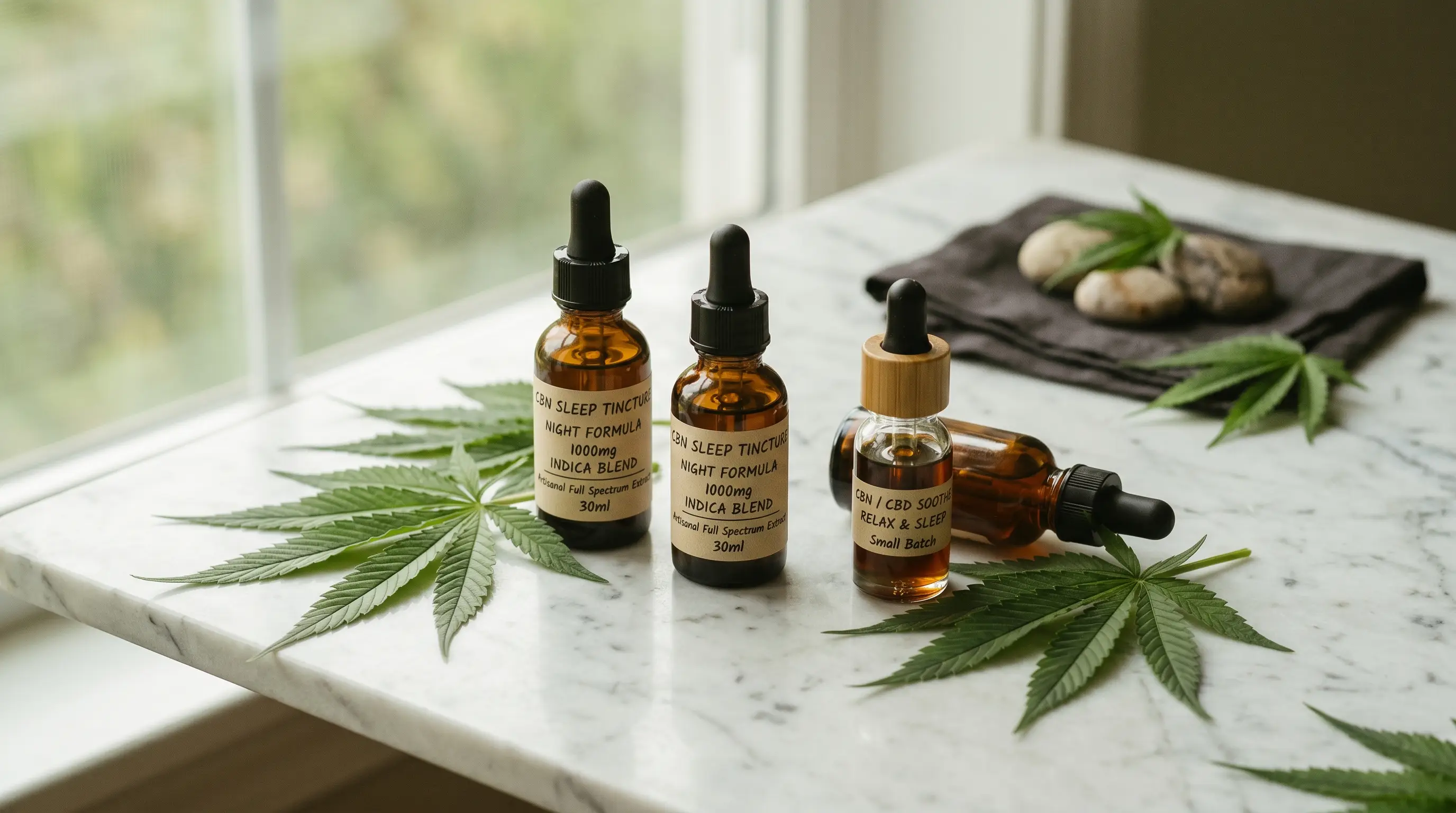
CBN Sleep Tincture
Always start with a low dose and read our safety guidelines before use.
CBN Sleep Tincture contains cannabinol, a mildly psychoactive cannabinoid known for its sedating properties. Often called 'nature's sleeping pill,' CBN is particularly effective when combined with other sleep-promoting terpenes. Popular in Dutch smartshops among customers seeking natural sleep aids without prescription medications.

Overview
CBN (Cannabinol) Sleep Tincture represents a specialized cannabinoid product designed to harness the sedating properties of one of cannabis's lesser-known compounds. Unlike its more famous cousins THC and CBD, CBN is primarily formed through the degradation of THC when exposed to heat, light, and oxygen over time. This natural aging process transforms the psychoactive THC into CBN, which exhibits markedly different effects, particularly its pronounced sedative qualities that have earned it recognition as "nature's sleeping pill."
CBN sleep tinctures are liquid formulations that concentrate this cannabinoid into an easily administered format, typically suspended in carrier oils like MCT oil, hemp seed oil, or olive oil. These products are specifically marketed and formulated for sleep support, often containing higher concentrations of CBN than would naturally occur in fresh cannabis material. The tincture format allows for precise dosing and sublingual administration, which provides faster onset compared to edible products while maintaining the longer duration that makes CBN particularly suitable for sleep applications.
Users turn to CBN sleep tinctures for various reasons, primarily to address sleep difficulties including trouble falling asleep, staying asleep, or achieving restful sleep quality. Unlike pharmaceutical sleep aids, CBN tinctures offer a plant-based alternative that many users report provides gentle sedation without the harsh side effects or dependency concerns associated with traditional sleep medications. The appeal extends beyond simple sedation, as many users report that CBN helps them achieve deeper, more restorative sleep cycles without the grogginess often experienced with other sleep aids.
The growing interest in CBN sleep tinctures reflects broader trends toward natural wellness solutions and the increasing sophistication of cannabinoid science. As research continues to unveil the specific mechanisms through which CBN promotes sleep, these products have gained credibility among both recreational users seeking better rest and medical patients dealing with chronic insomnia or sleep disorders related to other health conditions.
How It Works
CBN's sleep-promoting effects operate through a complex interaction with the body's endocannabinoid system, though its mechanisms differ significantly from other cannabinoids. Unlike THC, which binds readily to CB1 receptors in the brain, CBN shows relatively weak affinity for both CB1 and CB2 receptors. However, this weak binding doesn't diminish its effectiveness; rather, it contributes to CBN's unique pharmacological profile that emphasizes sedation over psychoactivity.
The primary mechanism through which CBN promotes sleep appears to involve its interaction with the TRPV2 (vanilloid receptor 2) channels and its influence on adenosine signaling. Adenosine is a naturally occurring compound that accumulates in the brain during waking hours and promotes sleepiness by binding to adenosine receptors. CBN appears to enhance this natural sleep pressure by modulating adenosine receptor activity, effectively amplifying the body's natural sleep drive. This mechanism explains why CBN tends to work synergistically with natural circadian rhythms rather than forcing sleep through more aggressive pharmacological intervention.
Additionally, CBN demonstrates significant interaction with the GABA neurotransmitter system, which is the brain's primary inhibitory network responsible for calming neural activity. By enhancing GABAergic signaling, CBN helps quiet the mental chatter and physical tension that often prevent restful sleep. This GABAergic activity occurs through indirect mechanisms, as CBN doesn't directly bind to GABA receptors but rather influences the availability and effectiveness of naturally occurring GABA.
The sedative effects of CBN are also attributed to its ability to modulate histamine release and interact with serotonin pathways involved in sleep regulation. Research suggests that CBN may influence the production and release of melatonin, the body's primary sleep hormone, though this relationship requires further investigation. The compound's anti-inflammatory properties may also contribute to its sleep benefits, as chronic inflammation is increasingly recognized as a factor in sleep disorders.
When administered sublingually through tinctures, CBN bypasses first-pass liver metabolism, allowing for more predictable bioavailability and onset times. The compound's lipophilic nature means it's readily absorbed through mucous membranes and can cross the blood-brain barrier efficiently, typically producing noticeable effects within 15-45 minutes of sublingual administration.
What It Looks Like
CBN sleep tinctures typically appear as amber to dark golden liquids, reflecting both the natural color of CBN extract and the carrier oils commonly used in formulation. The color intensity can vary significantly depending on the extraction method, concentration, and specific carrier oil employed. Products using MCT oil tend to be lighter in color, appearing pale amber or golden yellow, while those formulated with hemp seed oil or olive oil may display deeper amber or even light brown hues.
The consistency of CBN tinctures is generally similar to other oil-based tinctures, flowing freely at room temperature with a viscosity comparable to light cooking oil. Some products may appear slightly thicker, particularly those using coconut oil-based carriers or containing additional botanical extracts. The liquid should appear clear or translucent rather than cloudy, though some natural settling of plant compounds may occur, requiring gentle shaking before use.
Legitimate CBN sleep tinctures are typically packaged in dark glass bottles, usually amber or cobalt blue, to protect the cannabinoids from light degradation. Bottles commonly range from 15ml to 60ml in size, equipped with graduated droppers or spray mechanisms for precise dosing. Professional products feature clear labeling indicating CBN content per serving, total cannabinoid profile, batch numbers, and third-party testing information.
Quality tinctures should have minimal odor, perhaps carrying subtle earthy or nutty notes from the carrier oil or hemp-derived terpenes. Strong, unpleasant odors may indicate degradation or contamination. The taste varies depending on formulation but generally ranges from neutral to mildly earthy, with some products incorporating natural flavoring agents like mint or citrus to improve palatability.
Consumers should be wary of products that appear unusually dark or contain visible particles, as these may indicate poor processing or contamination. Similarly, tinctures that separate into distinct layers or develop crystallization may have quality issues. Reputable products include certificates of analysis (COAs) from third-party laboratories, confirming cannabinoid content and testing for pesticides, heavy metals, and microbial contaminants.
What to Expect
The CBN tincture experience unfolds gradually, beginning with subtle relaxation that deepens into pronounced sedation over the course of 30-90 minutes. Users typically report the initial effects as a gentle unwinding of physical tension, starting with a softening of muscle tightness and a gradual release of the day's accumulated stress. This physical relaxation often begins in the shoulders and neck, spreading throughout the body as the compound takes effect.
Mental effects emerge alongside physical relaxation, characterized by a quieting of racing thoughts and a natural drift toward drowsiness. Unlike THC-induced sedation, which may include psychoactive effects or altered perception, CBN's mental influence feels more like an amplification of natural tiredness. Users describe a gentle dimming of mental activity, where concerns and worries naturally fade into the background without the forced suppression that characterizes some pharmaceutical sleep aids.
At lower doses (2.5-5mg), users typically experience mild relaxation and enhanced natural sleepiness without overwhelming sedation. This dosage range often proves sufficient for individuals with minor sleep difficulties or those seeking to improve sleep quality rather than address severe insomnia. The effects at this level feel subtle and natural, allowing users to maintain normal evening activities while gradually preparing for sleep.
Moderate doses (5-10mg) produce more pronounced sedative effects, with most users reporting strong drowsiness within 45-60 minutes of administration. At this level, CBN becomes noticeably sleep-promoting, making it difficult to resist the urge to rest. Physical relaxation deepens significantly, and many users report a pleasant heavy feeling in their limbs that makes lying down particularly appealing.
Higher doses (10-20mg) deliver powerful sedative effects that most users find irresistible. At these levels, CBN produces profound drowsiness accompanied by significant physical and mental relaxation. Users often report feeling "pulled" toward sleep, with the compound's effects becoming the dominant influence on their consciousness. Some individuals may experience mild cognitive impairment at higher doses, including difficulty concentrating or slight confusion, though these effects typically resolve upon waking.
The duration of CBN's effects varies considerably among individuals but generally ranges from 6-8 hours, making it well-suited for full-night sleep support. Many users report not only falling asleep more easily but also experiencing fewer nighttime awakenings and more restful sleep overall. Morning grogginess, while possible at higher doses, is generally less pronounced than with pharmaceutical sleep aids, though some individuals may experience residual drowsiness, particularly when first beginning use or after taking higher doses.
Preparation & Consumption
CBN sleep tinctures offer several administration methods, with sublingual (under-the-tongue) delivery being the most common and effective approach. For sublingual administration, users should place the desired number of drops under the tongue using the provided dropper, holding the liquid there for 60-90 seconds before swallowing. This method allows for direct absorption through the mucous membranes, bypassing digestive processes and providing faster onset times typically ranging from 15-45 minutes.
Dosing CBN tinctures requires careful consideration of individual factors including body weight, tolerance to cannabinoids, severity of sleep issues, and personal sensitivity. Beginners should start with the lowest possible dose, typically 1-2.5mg, taken 30-60 minutes before desired sleep time. This conservative approach allows users to assess their individual response and avoid excessive sedation that might interfere with morning activities.
The "start low, go slow" principle is particularly important with CBN due to its potent sedative effects and the significant individual variation in response. Users should maintain the same dose for at least 3-5 nights before considering increases, as cannabinoid effects can be cumulative and individual sensitivity may change with regular use. Dose increases should be gradual, adding 1-2.5mg increments until the desired sleep support is achieved.
Timing of administration plays a crucial role in CBN effectiveness. Most users find optimal results when taking their dose 30-60 minutes before their intended bedtime, allowing sufficient time for absorption and onset while ensuring peak effects align with sleep initiation. Taking CBN too early may result in premature drowsiness, while administration too close to bedtime might delay onset beyond the desired sleep window.
Set and setting considerations for CBN use focus primarily on creating an environment conducive to sleep. Users should prepare their sleep environment before taking CBN, ensuring comfortable temperature, minimal light exposure, and reduced noise levels. Having completed evening routines and responsibilities before administration helps prevent the need for complex tasks once sedation begins.
Some users prefer to mix their CBN tincture with a small amount of food or beverage to mask any unpleasant taste, though this may slightly delay onset times. Fatty foods can enhance absorption due to CBN's lipophilic properties, but large meals should be avoided as they may interfere with sleep quality regardless of CBN use.
Safety First
CBN sleep tinctures, while generally considered safe for most adults, require careful attention to several important safety considerations. The most significant concern involves the compound's potent sedative effects, which can impair motor coordination, reaction times, and cognitive function for several hours after administration. Users should never drive, operate machinery, or engage in activities requiring alertness after taking CBN, and should ensure they have adequate time for sleep before needing to perform complex tasks.
Drug interactions represent a critical safety consideration, particularly with other central nervous system depressants. CBN can potentiate the effects of alcohol, benzodiazepines, opioids, antihistamines, and other sedating medications, potentially leading to dangerous levels of sedation or respiratory depression. Users taking any prescription medications should consult healthcare providers before incorporating CBN tinctures into their routine, as cannabinoids can also affect the metabolism of certain drugs through interactions with liver enzymes.
Individuals with certain medical conditions should exercise particular caution with CBN use. Those with sleep apnea or other breathing disorders should avoid CBN without medical supervision, as increased sedation could worsen respiratory issues during sleep. People with liver disease may experience altered cannabinoid metabolism, requiring dose adjustments or complete avoidance. Cardiovascular conditions, particularly those involving blood pressure medications, warrant medical consultation due to potential interactions.
Pregnancy and breastfeeding represent absolute contraindications for CBN use, as cannabinoids can cross the placental barrier and appear in breast milk, potentially affecting fetal or infant development. Similarly, individuals under 25 years of age should use CBN with extreme caution, as the developing brain may be more susceptible to cannabinoid effects.
Quality and purity concerns necessitate careful product selection from reputable manufacturers who provide third-party testing results. Contaminated products may contain pesticides, heavy metals, residual solvents, or microbial contaminants that pose additional health risks. Users should verify that products include certificates of analysis (COAs) confirming both cannabinoid content and safety testing.
Tolerance development, while less pronounced with CBN than with THC, can occur with regular use. Users may find they need increasing doses to achieve the same effects, potentially leading to dependence or withdrawal symptoms upon discontinuation. Taking periodic breaks from CBN use can help maintain effectiveness and prevent tolerance buildup.
Storage safety requires keeping CBN tinctures in cool, dark places away from children and pets. The dropper bottles should be properly sealed to prevent degradation and accidental ingestion. Users should be aware that CBN products may trigger positive results on drug tests, as many screening methods cannot distinguish between different cannabinoids.
History & Cultural Context
CBN's discovery traces back to the early days of cannabis research, when scientists first began isolating and identifying individual cannabinoids in the 1940s. British chemist Robert S. Cahn first isolated CBN in 1940, making it one of the earliest cannabinoids to be identified and studied. However, unlike THC and CBD, which garnered immediate research attention, CBN remained relatively obscure for decades, primarily viewed as a degradation product rather than a compound with distinct therapeutic potential.
The understanding of CBN's formation through THC oxidation led early researchers to consider it merely a byproduct of cannabis aging, with little therapeutic value. This perspective dominated scientific thinking for much of the 20th century, as research focused on the more abundant and apparently active compounds like THC and CBD. Traditional cannabis cultures, however, had long recognized that aged cannabis produced different effects, often describing older material as more sedating and relaxing, though they lacked the scientific framework to understand CBN's role in these effects.
The modern renaissance of CBN research began in the early 2000s as the endocannabinoid system became better understood and researchers began investigating minor cannabinoids for specific therapeutic applications. Sleep research, in particular, began focusing on CBN as scientists recognized the growing need for effective, non-addictive sleep aids in response to the widespread sleep disorders plaguing modern society.
Cultural attitudes toward CBN have evolved significantly alongside changing cannabis perceptions. Where aged cannabis was once considered inferior or "degraded," the recognition of CBN's unique properties has led to intentional production methods designed to maximize CBN content. This shift represents a broader trend in cannabis culture toward appreciating the diverse effects of different cannabinoids rather than focusing solely on THC potency.
The commercialization of CBN products, particularly sleep tinctures, reflects contemporary wellness culture's emphasis on natural, plant-based solutions to health concerns. As sleep disorders have reached epidemic proportions in developed nations, CBN has emerged as a compelling alternative to pharmaceutical sleep aids, appealing to consumers seeking effective solutions without the side effects or dependency risks associated with traditional medications.
Legal frameworks have generally treated CBN similarly to other minor cannabinoids, with hemp-derived CBN products gaining legal status in many jurisdictions following hemp legalization. This legal accessibility has accelerated research and product development, leading to the sophisticated CBN tinctures available today.
Emergency Guidance
While CBN overdose is extremely rare and generally not life-threatening, excessive consumption can lead to uncomfortable experiences requiring appropriate response measures. The primary concern with CBN overconsumption involves prolonged, excessive sedation that may interfere with normal functioning or create anxiety about the inability to wake up properly.
Signs of CBN overconsumption include extreme drowsiness lasting longer than expected, difficulty waking or staying awake when necessary, confusion or disorientation, impaired motor coordination, and in rare cases, mild respiratory depression. Unlike THC overconsumption, CBN excess rarely produces anxiety or paranoia, but the profound sedation can be distressing for unprepared users.
If someone has taken too much CBN, the first priority is ensuring their safety and comfort. Move the person to a safe, comfortable environment where they can rest without risk of injury from falls or accidents. Stay with them to monitor their condition and provide reassurance. Most CBN effects will resolve naturally within 8-12 hours, but the person should not be left alone if they're experiencing significant impairment.
For mild overconsumption, encourage the person to rest in a comfortable position and provide reassurance that the effects are temporary. Hydration with water can be helpful, but avoid alcohol or other depressants that might worsen sedation. Light snacks may help some individuals feel more grounded, though forcing food isn't necessary.
Seek immediate medical attention if the person experiences difficulty breathing, becomes unresponsive, shows signs of severe confusion or agitation, or if you're concerned about potential interactions with other substances or medications. Call emergency services (112 in the Netherlands) if breathing becomes labored or if the person cannot be roused with gentle stimulation.
When calling for medical help, provide clear information about what was consumed, including the estimated CBN dose, timing of consumption, and any other substances that may have been used. Be honest with medical professionals about cannabinoid use, as this information is crucial for proper treatment and is protected by medical confidentiality.
Prevention remains the best approach to avoiding CBN-related emergencies. Users should always start with low doses, avoid combining CBN with alcohol or other depressants, and ensure they have adequate time and safe space for sleep before consuming any amount. Keeping a record of doses and effects can help users identify their optimal dosing range and avoid accidental overconsumption.
Legal Status in NL
Legal
Available in 181 shops across 67 cities. Most shops in Amsterdam (32), Rotterdam (13), Online (11).
Dosage Guide
Experience Timeline
Effect Profile
Positive Effects
Side Effects
Safety & Harm Reduction
Harm Reduction Tips
- Start with the lowest recommended dose and increase gradually over several days
- Take 1-2 hours before intended bedtime to allow for onset
- Avoid driving or operating machinery for at least 8 hours after use
- Store tincture in a cool, dark place away from children and pets
- Keep a sleep diary to track effectiveness and optimal dosing
- Avoid alcohol and other sedating substances when using CBN
- Ensure you have 7-9 hours available for sleep after dosing
- Consult a healthcare provider if taking other medications
- Purchase from licensed, tested sources to ensure purity and potency
- Don't exceed manufacturer's maximum recommended daily dose
Emergency Information
CBN overdose is extremely rare but may cause excessive sedation, dizziness, or anxiety in sensitive individuals. If experiencing severe drowsiness, ensure the person is in a safe environment and monitor breathing. Contact emergency services if breathing becomes shallow or if the person cannot be roused.
Interactions
alcoholCaution
benzodiazepinesCaution
opioidsCaution
THC cannabisCaution
stimulantsCaution
sleep medicationsCaution
CBDSafe
SSRIs/SNRIsSafe
Experience Levels
As a CBN newcomer, expect a gentle introduction to cannabinoid-assisted sleep. Your first experience will likely involve subtle relaxation beginning 30-60 minutes after dosing, followed by natural drowsiness that feels different from pharmaceutical sleep aids. You may notice your thoughts becoming quieter and your body feeling heavier in a pleasant way. Sleep onset typically becomes easier, with many beginners reporting they fall asleep faster than usual. The experience is generally mild and manageable, though some sensitivity to the compound may cause slight dizziness or enhanced relaxation. Morning effects are usually minimal with proper dosing, though you might feel slightly more rested than usual. Some beginners experience vivid or memorable dreams, which is normal and typically enjoyable. The key is starting with conservative doses and allowing your body to adjust over several nights. Unlike stronger sleep medications, CBN rarely causes dramatic sedation or disorientation, making it an accessible option for those new to sleep aids. Focus on creating optimal sleep conditions and maintaining consistent timing to maximize benefits while minimizing any adjustment period discomfort.
Frequently Asked Questions
Is CBN Sleep Tincture legal in the Netherlands?▾
Yes, CBN Sleep Tincture is completely legal in the Netherlands. CBN (cannabinol) is not a controlled substance under Dutch law, making it freely available for purchase and use. You can buy it from licensed smartshops and online retailers without any legal concerns.
What's the recommended dosage for CBN Sleep Tincture?▾
Start with 2.5-5mg of CBN, typically 0.25-0.5ml of most tinctures, taken 30-60 minutes before bedtime. Begin with the lowest dose and gradually increase every few nights until you find your optimal amount. Most users find effective sleep support between 5-15mg of CBN.
How long does CBN Sleep Tincture take to work?▾
CBN tinctures typically take 30-90 minutes to take effect when taken sublingually (under the tongue). Hold the tincture under your tongue for 60-90 seconds before swallowing for faster absorption. Effects can last 6-8 hours, making it ideal for a full night's sleep.
Will CBN Sleep Tincture make me feel high?▾
CBN is mildly psychoactive but much less intoxicating than THC. Most users experience relaxation and drowsiness rather than a traditional 'high.' Some may notice slight euphoria or altered perception, but the primary effect is sedation and improved sleep quality.
Can I drive after using CBN Sleep Tincture?▾
No, you should not drive or operate machinery after taking CBN Sleep Tincture. CBN causes drowsiness and can impair reaction times and coordination. Plan to use it only when you can dedicate 8+ hours to sleep and recovery.
Are there any drug interactions with CBN?▾
CBN may enhance the effects of other sedatives, including alcohol, benzodiazepines, and sleep medications. Consult your healthcare provider before combining CBN with prescription medications. It may also interact with blood thinners and certain antidepressants.
Where can I buy CBN Sleep Tincture in the Netherlands?▾
CBN Sleep Tincture is available at licensed smartshops throughout the Netherlands and from reputable online retailers. Look for products with third-party lab testing and clear CBN content labeling. Avoid purchasing from unlicensed sources to ensure product quality and safety.
Can I travel with CBN Sleep Tincture?▾
While legal in the Netherlands, CBN's legal status varies internationally. Check destination country laws before traveling with CBN products. For EU travel, most countries allow hemp-derived cannabinoids, but always verify current regulations to avoid legal issues.
What should I expect on my first time using CBN?▾
First-time users typically experience gradual relaxation, heavy eyelids, and natural sleepiness within 30-90 minutes. You may notice improved sleep quality and reduced nighttime awakenings. Start with a low dose on a night when you don't have morning commitments.
How does CBN compare to CBD for sleep?▾
CBN is generally more sedating than CBD and specifically targets sleep, while CBD offers broader wellness benefits with milder sleep effects. CBN is often called 'nature's sleeping pill' due to its pronounced drowsiness-inducing properties compared to CBD's more subtle relaxation effects.
Can I build tolerance to CBN Sleep Tincture?▾
Some users may develop mild tolerance to CBN with regular use, requiring slightly higher doses over time. To prevent tolerance, consider taking occasional breaks or cycling your usage. Most people maintain effectiveness with consistent dosing without significant tolerance issues.
Are there any side effects of CBN Sleep Tincture?▾
Common side effects include morning grogginess, dry mouth, and mild dizziness. Some users report vivid dreams or slight next-day fatigue. These effects are typically mild and diminish as your body adjusts to regular use.
Should I take CBN Sleep Tincture with food?▾
Taking CBN with a small amount of healthy fats can improve absorption, but avoid large meals close to bedtime. For sublingual tinctures, take on a relatively empty stomach for faster onset, then have a light snack if needed.
How long can I safely use CBN Sleep Tincture?▾
CBN appears safe for long-term use based on current research, but more studies are needed. Many users take it nightly without issues, while others prefer intermittent use. Consult a healthcare provider for personalized guidance on extended use.
What's the difference between CBN and cannabis for sleep?▾
CBN provides targeted sleep benefits without the intense psychoactive effects of THC-rich cannabis. While cannabis can cause grogginess and impair REM sleep, CBN typically allows for more natural sleep cycles with less morning impairment and no risk of overconsumption.
How It Compares — CBN Sleep Tincture
| Dimension | CBN Sleep Tincture | CBD | Cannabis | HHC-O |
|---|---|---|---|---|
| Intensity | Mild sedation | Very mild relaxation | Moderate psychoactive | Strong psychoactive |
| Duration | 6-8 hours | 4-8 hours | 2-8 hours | 4-8 hours |
| Onset Time | 30-90 minutes | 15-45 minutes | Immediate-90 minutes | 30-120 minutes |
| Legal Status NL | Legal | Legal | Tolerated | Grey area |
| Risk Profile | Very low | Very low | Low-moderate | Moderate |
| Best For | Sleep induction | General wellness | Recreation/medicine | Strong effects |
| Availability | Smartshops | Widespread | Coffeeshops | Limited |
Related Searches
References
- Corroon J, Sexton M, Bradley R. Cannabinol and Sleep: Separating Fact from Fiction · Cannabis and Cannabinoid Research · 2022doi:10.1089/can.2021.0006
- Babson KA, Sottile J, Morabito D. The endocannabinoid system and sleep · Current Psychiatry Reports · 2017doi:10.1007/s11920-017-0775-9
- Kogan NM, Mechoulam R. Cannabinol (CBN) and its potential therapeutic applications: A systematic review · Pharmacological Research · 2021doi:10.1016/j.phrs.2021.105773
- Suraev AS, Marshall NS, Vandrey R, McCartney D, Benson MJ, McGregor IS, Grunstein RR, Hoyos CM. Effects of cannabinol on sleep and pain in patients with chronic pain: a randomized controlled trial · Sleep Medicine · 2020doi:10.1016/j.sleep.2020.07.003
- Nagarkatti P, Pandey R, Rieder SA, Hegde VL, Nagarkatti M. The endocannabinoid system: an emerging key player in inflammation · Journal of Neuroimmune Pharmacology · 2009doi:10.1007/s11481-009-9177-x
- Kesner AJ, Lovinger DM. Cannabis, cannabinoids, and sleep: a review of the literature · Neuropsychopharmacology · 2020doi:10.1038/s41386-020-0672-9
- Huestis MA. Pharmacokinetics and pharmacodynamics of cannabinoids · Clinical Pharmacokinetics · 2007doi:10.2165/00003088-200746110-00001
- Pertwee RG. Cannabinoid CB1 and CB2 receptor pharmacology · British Journal of Pharmacology · 2008doi:10.1038/bjp.2008.24
Disclaimer: This information is for educational purposes only and does not constitute medical advice. Always consult a qualified healthcare professional before using any substance. If you experience adverse effects, contact your doctor or call 112 (Netherlands emergency).