Microdosing

Definition
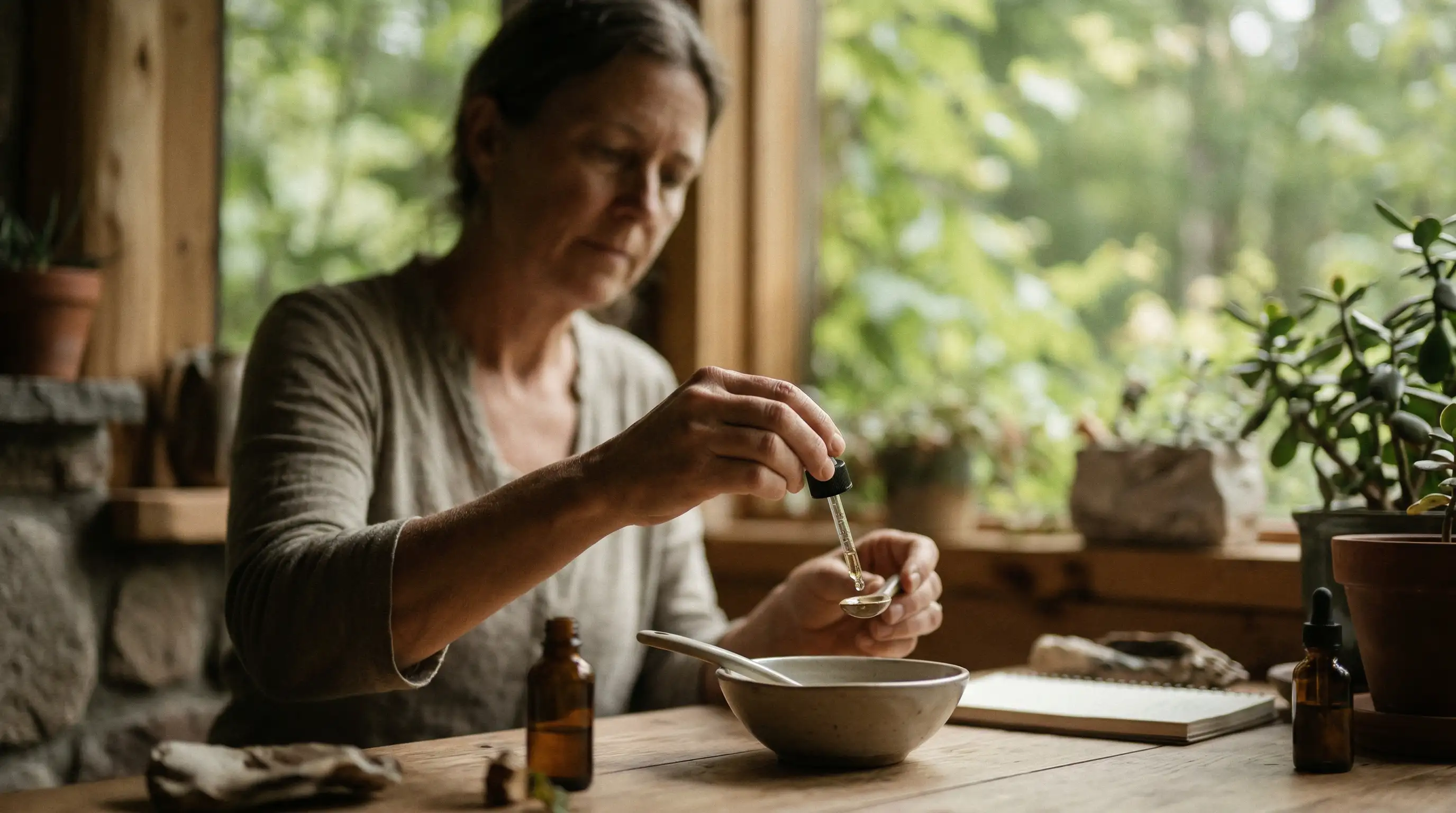
The practice of taking sub-perceptual doses of psychedelic substances (typically 1/10th to 1/20th of a full dose) on a regular schedule. Popularized for claimed benefits to creativity, focus, and mood.
In Depth
Microdosing refers to the practice of consuming sub-perceptual amounts of psychedelic substances, typically ranging from 1/10th to 1/20th of a standard recreational dose, following a structured schedule over an extended period. This technique has gained significant traction in the Netherlands' progressive smartshop culture, where legal psilocybin truffles provide accessible entry points for those interested in exploring the potential cognitive and emotional benefits of psychedelics without experiencing full psychoactive effects. The practice emerged from Silicon Valley's tech culture in the early 2010s but has since evolved into a global phenomenon embraced by professionals, students, and wellness enthusiasts seeking enhanced creativity, improved focus, elevated mood, and increased emotional resilience. In the Dutch context, microdosing represents a unique intersection of the country's liberal drug policies and its thriving smartshop ecosystem, where knowledgeable staff can provide guidance on dosing protocols, substance selection, and harm reduction practices. The typical microdosing regimen follows protocols such as the Fadiman Protocol, involving dosing every third day, or the Stamets Stack, which combines psilocybin with lion's mane mushroom and niacin. Dutch smartshops have become epicenters for microdosing education, offering pre-measured truffle portions, detailed dosing guides, and comprehensive information about set and setting considerations. The practice extends beyond psilocybin to include other substances like LSD analogues, mescaline-containing cacti, and even non-psychedelic compounds like lion's mane mushrooms for cognitive enhancement. What distinguishes microdosing from traditional psychedelic use is its integration into daily life routines, with practitioners maintaining normal activities while potentially experiencing subtle improvements in cognitive function, emotional regulation, and creative problem-solving. The Netherlands' unique legal landscape, where psilocybin truffles remain legal while dried mushrooms are prohibited, has created an ideal environment for responsible microdosing exploration. Dutch smartshops emphasize the importance of quality control, proper storage, and gradual dose titration to help customers find their optimal sub-perceptual threshold. The practice has also sparked interest in complementary approaches, with many Dutch shops offering combination products that pair microdoses with adaptogenic herbs, nootropics, and other wellness supplements to enhance the overall experience and potential benefits.
Etymology
The term 'microdosing' combines the prefix 'micro-' meaning extremely small, with 'dosing' referring to the administration of measured amounts of a substance. It was popularized in the early 2010s by psychedelic researcher Dr. James Fadiman.
Examples
“Many professionals visiting Amsterdam's smartshops inquire about microdosing psilocybin truffles to enhance their work performance.”
“The smartshop provided detailed microdosing guidelines, recommending a three-day cycle with 0.5-gram truffle portions.”
“After three months of microdosing, she reported improved creativity and reduced anxiety levels.”
“Dutch smartshops have become international destinations for those seeking quality microdosing products and education.”
“The microdosing community in the Netherlands emphasizes responsible use and proper integration practices.”
Common Misconceptions
Microdosing will produce immediate, noticeable psychedelic effects during the dosing day
All psychedelic substances are equally suitable and legal for microdosing in the Netherlands
Microdosing requires no preparation, planning, or consideration of set and setting
The benefits of microdosing are guaranteed and scientifically proven for everyone
Practical Tips
Start with the smallest possible dose (0.2-0.3g of truffles) and gradually increase until you find your sub-perceptual threshold
Maintain a detailed journal tracking mood, productivity, and any effects to optimize your protocol
Choose dosing days when you have minimal responsibilities to assess your individual response safely
Store truffles properly in the refrigerator and consume fresh portions for consistent potency
Consult with experienced smartshop staff about dosing protocols and substance interactions before beginning
Frequently Asked Questions
Is microdosing legal in the Netherlands?▾
Microdosing with psilocybin truffles is legal in the Netherlands, as truffles remain unscheduled substances. However, other psychedelics like LSD and dried psilocybin mushrooms are illegal, making truffles the primary legal option for microdosing.
How often should I microdose?▾
Most protocols recommend dosing every 2-3 days to prevent tolerance buildup. Popular schedules include the Fadiman Protocol (dose, two days off, repeat) or dosing twice weekly with at least two days between doses.
What dose should I start with for microdosing truffles?▾
Beginners should start with 0.2-0.5 grams of fresh truffles, as individual sensitivity varies significantly. The goal is to find the largest dose that produces no noticeable psychoactive effects during daily activities.
Can I microdose while taking prescription medications?▾
Psychedelics can interact with various medications, particularly antidepressants and mood stabilizers. Always consult with a healthcare provider before combining microdosing with any prescription medications to avoid potentially dangerous interactions.
How long does it take to notice benefits from microdosing?▾
Some people report subtle improvements within days, while others may need 2-4 weeks of consistent practice to notice changes. Benefits are typically cumulative and may include enhanced mood, creativity, and focus over time.
Where can I buy microdosing supplies in the Netherlands?▾
Licensed smartshops throughout the Netherlands legally sell psilocybin truffles suitable for microdosing. Many shops offer pre-portioned doses, scales, and educational materials to support safe microdosing practices.
What's the difference between microdosing and taking a full dose?▾
Microdosing involves sub-perceptual amounts that don't produce noticeable psychedelic effects, allowing normal daily functioning. Full doses create significant altered states of consciousness that require dedicated time and appropriate settings for safe experiences.
Are there any risks associated with microdosing?▾
While generally considered low-risk, potential concerns include developing tolerance, possible interactions with medications, and the lack of long-term studies. Some individuals may experience increased anxiety or other unwanted effects even at low doses.