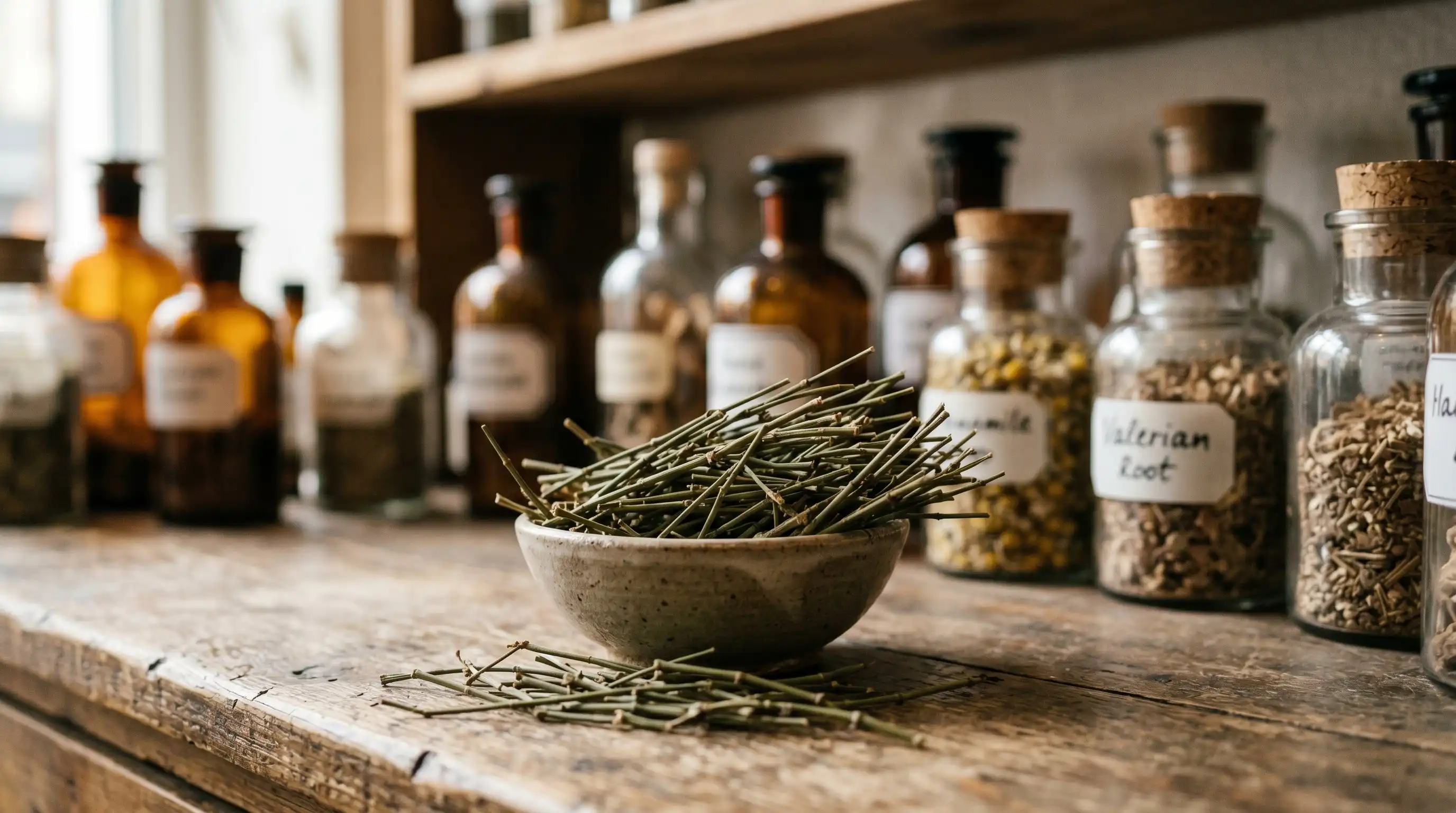
Ephedra

Definition
A genus of plants containing ephedrine alkaloids, historically sold in Dutch smartshops as a natural stimulant and energy booster. While ephedrine-containing products are now restricted in the Netherlands, ephedra remains relevant in discussions of herbal stimulants and legal alternatives.
In Depth
Ephedra is a genus of gymnosperm shrubs containing over 60 species, commonly known as joint fir or Mormon tea, that naturally produces ephedrine alkaloids including ephedrine and pseudoephedrine. These plants have been used for thousands of years in traditional Chinese medicine, where Ephedra sinica is known as Ma Huang, and by various indigenous cultures for their stimulant and bronchodilator properties. In the context of Dutch smartshops, ephedra gained significant popularity during the 1990s and early 2000s as a legal alternative to synthetic stimulants, marketed as natural energy boosters, weight loss aids, and pre-workout supplements. The plant's active compounds work by stimulating the sympathetic nervous system, increasing heart rate, blood pressure, and metabolic rate while providing enhanced alertness and energy. However, the Dutch regulatory landscape changed dramatically following safety concerns and international pressure. In 2004, the Netherlands implemented strict regulations on ephedrine-containing products, effectively removing most ephedra supplements from smartshop shelves. This regulatory shift reflected growing awareness of potential cardiovascular risks, particularly when ephedra was combined with caffeine or used in high doses. The ban was part of a broader European Union directive that classified ephedrine as a controlled substance due to its potential for abuse and its use in manufacturing illegal stimulants. Despite these restrictions, ephedra remains culturally significant in the Dutch smartshop scene as it represents an important chapter in the evolution of legal highs and natural stimulants. Many smartshop enthusiasts remember ephedra products as some of the most effective legal stimulants available before the regulatory crackdown. Today, while pure ephedrine-containing ephedra is no longer legally available in Dutch smartshops, the term continues to appear in discussions about herbal alternatives and the historical development of the smartshop industry. Some ephedra species with lower alkaloid content may still be found in specialized herbshops, though these are typically marketed for traditional medicinal purposes rather than as recreational stimulants. The legacy of ephedra has influenced the current market for legal stimulant alternatives, with many modern products attempting to replicate its energizing effects through combinations of caffeine, guarana, and other plant-based stimulants. Understanding ephedra's history helps contextualize current harm reduction practices and the importance of regulatory oversight in the smartshop industry.
Etymology
The name 'ephedra' derives from the Greek word 'ephedron,' meaning 'sitting upon,' referring to the plant's jointed stems where branches appear to sit upon each other. The genus was formally named by Carl Linnaeus in 1753.
Examples
“Before 2004, many Dutch smartshops sold ephedra-based energy pills that were popular among students and fitness enthusiasts.”
“The regulation of ephedra marked a turning point in how Dutch authorities approached natural stimulants in smartshops.”
“Traditional Chinese medicine practitioners have used ephedra for over 5,000 years to treat respiratory conditions.”
“Many former ephedra users now turn to kratom or kanna as legal alternatives for natural energy enhancement.”
“The ephedra ban led smartshops to diversify their product ranges toward other herbal supplements and psychoactive plants.”
Common Misconceptions
All ephedra species contain the same levels of active alkaloids, when in fact alkaloid content varies significantly between species.
Ephedra is completely banned in the Netherlands, while some low-alkaloid species may still be legally available in certain contexts.
Natural ephedra is always safer than synthetic stimulants, ignoring the fact that natural compounds can still pose serious health risks.
Ephedra and ephedrine are the same thing, when ephedra is the plant and ephedrine is one of several alkaloids it contains.
Practical Tips
Research the legal status of any ephedra-containing products before purchasing, as regulations vary by country and alkaloid content.
If seeking energy-boosting alternatives, consider legal options like kratom, kanna, or caffeine-based supplements available in modern smartshops.
Always consult healthcare providers before using any stimulant substances, especially if you have cardiovascular conditions.
When discussing ephedra with smartshop staff, be clear about whether you're interested in historical information or current legal alternatives.
Keep informed about changing regulations, as the legal status of herbal stimulants continues to evolve in the Netherlands and EU.
Frequently Asked Questions
Is ephedra still legal in Dutch smartshops?▾
Ephedrine-containing ephedra products are heavily restricted in the Netherlands since 2004. While some low-alkaloid ephedra species may be available in specialized herbshops, traditional stimulant ephedra supplements are no longer legally sold in smartshops.
What are the best legal alternatives to ephedra in Netherlands?▾
Popular legal alternatives include kratom for energy and mood enhancement, kanna for mild stimulation, and various caffeine-based herbal blends. Many smartshops now offer specialized energy formulations using guarana, yerba mate, and other natural stimulants.
Why was ephedra banned in Dutch smartshops?▾
Ephedra was restricted due to safety concerns including cardiovascular risks, potential for abuse, and its use in manufacturing illegal drugs. The 2004 EU directive classified ephedrine as a controlled substance, leading to its removal from smartshop shelves.
Can I still buy ephedra online and import it to Netherlands?▾
Importing ephedrine-containing ephedra products into the Netherlands is illegal and can result in customs seizure and legal consequences. It's important to respect local drug laws and seek legal alternatives instead.
What was ephedra used for in traditional medicine?▾
Traditional Chinese medicine used ephedra (Ma Huang) primarily for treating asthma, bronchitis, and other respiratory conditions. It was also used for fever reduction and as a general stimulant, with documented use spanning over 5,000 years.
How did ephedra affect the Dutch smartshop industry?▾
Ephedra's popularity and subsequent ban significantly shaped the smartshop industry, leading to increased regulatory scrutiny and forcing shops to diversify into other herbal products. It marked the beginning of stricter oversight of natural stimulants in the Netherlands.
Are there any ephedra species that don't contain ephedrine?▾
Yes, some ephedra species contain little to no ephedrine alkaloids. However, most commercially significant species used in traditional medicine and former smartshop products do contain varying levels of active alkaloids.
What should I know about ephedra's side effects?▾
Ephedra can cause increased heart rate, elevated blood pressure, anxiety, insomnia, and in severe cases, heart problems or stroke. These risks increase when combined with caffeine or used by individuals with pre-existing health conditions.