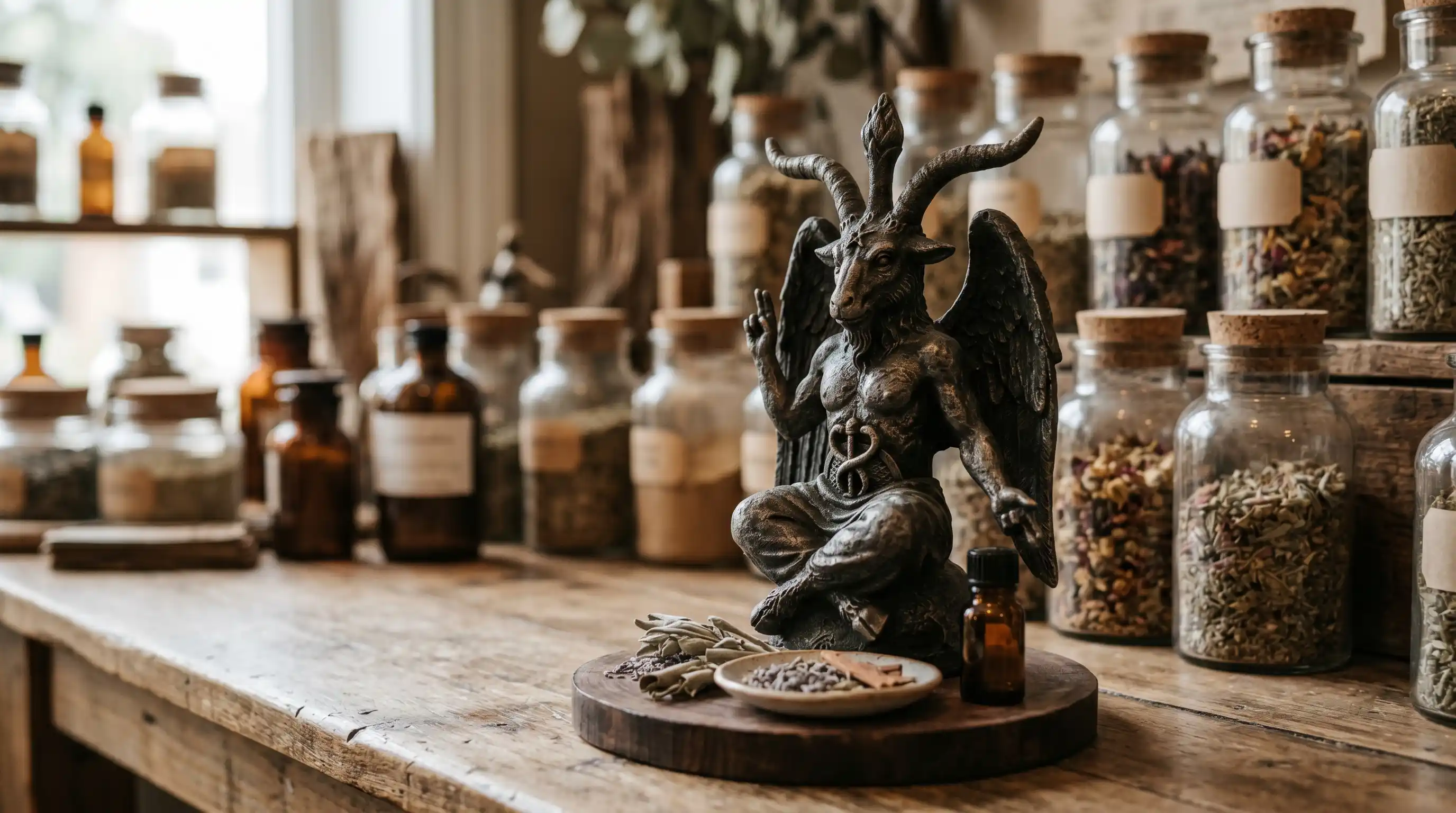
Bafomet

Definition
A synthetic tryptamine compound (5-MeO-DMT) that was legally sold in Dutch smartshops before being banned. Known for its intense, short-duration psychedelic effects and spiritual experiences, it was popular among experienced psychonauts seeking breakthrough experiences.
In Depth
Bafomet was a synthetic tryptamine compound, specifically 5-MeO-DMT (5-methoxy-N,N-dimethyltryptamine), that gained significant popularity in Dutch smartshops during the early 2000s before being classified as a controlled substance. This powerful psychedelic compound belongs to the tryptamine family, sharing structural similarities with naturally occurring compounds like DMT and psilocybin, but with distinctly different effects and potency profiles. The substance was legally available in Dutch smartshops for several years, making the Netherlands a unique destination for psychonauts seeking legal access to this profound psychedelic experience. Bafomet was renowned for producing intense, short-duration psychedelic experiences typically lasting 15-45 minutes when vaporized or smoked, though effects could extend longer with oral administration. Users frequently reported breakthrough experiences characterized by complete dissolution of ego boundaries, encounters with perceived entities or divine presences, and profound spiritual or mystical states that many described as life-changing. The compound was particularly sought after by experienced psychonauts due to its reputation for facilitating what many considered to be the most intense psychedelic experience available in a legal context. Unlike longer-acting psychedelics such as LSD or psilocybin mushrooms, Bafomet's brief duration made it appealing to those seeking powerful experiences without extended time commitments. The Dutch smartshop scene embraced Bafomet as a premium product, often marketing it to serious psychedelic explorers rather than casual users. Smartshops typically provided detailed information about proper dosing, set and setting considerations, and harm reduction practices, recognizing the compound's potency and potential for overwhelming experiences. The substance was usually sold in small quantities, reflecting both its potency and the legal framework that allowed its distribution. Many Dutch smartshops developed specialized protocols for selling Bafomet, including customer education sessions and screening processes to ensure buyers understood the intensity of the experience they were purchasing. The compound's legal status in the Netherlands during its availability period made it a significant draw for international visitors, contributing to the country's reputation as a progressive destination for psychedelic exploration. However, as with many synthetic psychedelics, regulatory changes eventually led to its prohibition, marking the end of an era in Dutch smartshop culture. The legacy of Bafomet continues to influence discussions about psychedelic policy, harm reduction practices, and the role of legal frameworks in facilitating safe access to consciousness-altering substances. Its brief period of legal availability provided valuable insights into how regulated markets for powerful psychedelics might function, offering lessons for contemporary policy discussions about psychedelic legalization and regulation.
Etymology
The name 'Bafomet' is derived from Baphomet, a deity figure associated with occultism and esoteric traditions, reflecting the substance's reputation for facilitating profound spiritual and mystical experiences. The choice of this name emphasized the compound's association with transcendent and otherworldly experiences reported by users.
Examples
“The experienced psychonaut traveled to Amsterdam specifically to purchase Bafomet from a reputable smartshop before the substance was banned.”
“Dutch smartshops that sold Bafomet typically required customers to demonstrate knowledge of psychedelic harm reduction practices.”
“Many users reported that their Bafomet experience was the most intense psychedelic journey they had ever undertaken.”
“The legal availability of Bafomet in Dutch smartshops attracted international visitors seeking breakthrough psychedelic experiences.”
“Smartshop staff would often spend considerable time educating customers about proper Bafomet dosing and safety protocols.”
Common Misconceptions
Bafomet was a natural plant extract rather than a synthetic compound
The substance was widely available in all types of shops rather than specifically regulated smartshops
Bafomet effects lasted for many hours like other psychedelics rather than its characteristic short duration
The compound was safe for inexperienced users rather than being recommended primarily for seasoned psychonauts
Practical Tips
Always research the current legal status of any substance before traveling, as regulations change frequently
If interested in similar experiences, consult with knowledgeable smartshop staff about currently legal alternatives
Study harm reduction practices and set-and-setting principles before considering any powerful psychedelic experience
Connect with experienced psychedelic communities to learn about historical substances and their effects
Consider starting with milder, currently legal psychedelics like psilocybin truffles to build experience gradually
Frequently Asked Questions
Is Bafomet still legal in Dutch smartshops?▾
No, Bafomet (5-MeO-DMT) is no longer legal in the Netherlands and cannot be purchased in smartshops. It was classified as a controlled substance, ending its period of legal availability that made Dutch smartshops popular destinations for this compound.
What made Bafomet different from other psychedelics available in smartshops?▾
Bafomet was uniquely potent and short-acting compared to other smartshop psychedelics, producing intense breakthrough experiences in 15-45 minutes rather than the hours-long journeys of substances like psilocybin truffles. Its synthetic nature and extreme potency set it apart from plant-based alternatives.
Why did Dutch smartshops stop selling Bafomet?▾
Dutch smartshops stopped selling Bafomet because it was reclassified as a controlled substance under Dutch drug laws. This regulatory change made its sale illegal, forcing smartshops to remove it from their inventory despite its previous legal status.
What safety measures did smartshops implement for Bafomet sales?▾
Reputable Dutch smartshops implemented strict safety protocols including customer education sessions, experience level screening, detailed dosing information, and harm reduction guidance. Many required proof of psychedelic experience before selling this potent compound.
Are there legal alternatives to Bafomet available in Dutch smartshops today?▾
While no direct equivalent to Bafomet's intensity exists legally, Dutch smartshops offer various psychedelic alternatives like psilocybin truffles, salvia divinorum, and other consciousness-altering substances. Each has different effects and legal status, so consultation with knowledgeable staff is recommended.
How did Bafomet influence Dutch smartshop culture?▾
Bafomet significantly shaped Dutch smartshop culture by establishing protocols for selling powerful psychedelics, emphasizing harm reduction education, and attracting international psychedelic tourism. Its availability demonstrated how legal frameworks could facilitate access to intense psychedelic experiences while maintaining safety standards.
What should someone know about Bafomet's historical significance?▾
Bafomet represents a unique period in psychedelic history when a extremely potent synthetic compound was legally available through regulated retail channels. Its brief legal availability in Dutch smartshops provided valuable insights into psychedelic commerce, harm reduction practices, and the challenges of regulating powerful consciousness-altering substances.