Skullcap Extract
Always start with a low dose and read our safety guidelines before use.
Skullcap (Scutellaria lateriflora) extract is a traditional nervine herb known for its calming and anti-anxiety properties. It contains flavonoids that promote relaxation without drowsiness, making it popular for stress relief. Available in Dutch smartshops as tinctures or capsules.

Overview
Skullcap extract, derived from the herb Scutellaria lateriflora (American skullcap) or Scutellaria baicalensis (Chinese skullcap), represents one of nature's most gentle yet effective sedative botanicals. This perennial herb, belonging to the mint family Lamiaceae, has earned its reputation as a reliable nervine and anxiolytic agent through centuries of traditional use and modern scientific validation. The extract concentrates the plant's active compounds, primarily flavonoids like baicalin, baicalein, and wogonin, along with various other bioactive constituents that work synergistically to produce calming effects.
People turn to skullcap extract for numerous reasons, most commonly seeking relief from anxiety, stress, insomnia, and nervous tension. Unlike pharmaceutical sedatives, skullcap offers a more subtle approach to relaxation, providing mental clarity alongside its calming properties rather than the heavy sedation or cognitive impairment often associated with synthetic alternatives. Many users appreciate its ability to ease racing thoughts and promote restful sleep without next-day grogginess or dependency concerns.
The extract's appeal extends beyond simple relaxation. Traditional herbalists have long valued skullcap for its ability to support nervous system health, particularly during periods of stress or emotional upheaval. Modern users often incorporate it into their wellness routines as a natural alternative to pharmaceutical anxiolytics, seeking its gentle yet effective action for managing daily stress, supporting meditation practices, or addressing occasional sleeplessness. The herb's reputation for safety and tolerability makes it an attractive option for those exploring natural approaches to mental wellness, though like any bioactive substance, it requires respectful and informed use to maximize benefits while minimizing risks.
How It Works
Skullcap extract exerts its sedative and anxiolytic effects through multiple interconnected mechanisms within the central nervous system, primarily targeting the GABAergic system while also influencing other neurotransmitter pathways. The primary active compounds, particularly baicalin and baicalein, demonstrate significant affinity for GABA-A receptors, the same receptor system targeted by benzodiazepines and barbiturates, though with markedly different binding characteristics and downstream effects.
When these flavonoid compounds bind to GABA-A receptors, they enhance the inhibitory effects of gamma-aminobutyric acid (GABA), the brain's primary inhibitory neurotransmitter. This enhancement increases chloride ion influx into neurons, leading to hyperpolarization and reduced neuronal excitability. However, unlike synthetic GABAergic drugs, skullcap's compounds appear to modulate these receptors more selectively, potentially explaining why users typically experience relaxation without the pronounced sedation, memory impairment, or motor coordination issues common with pharmaceutical alternatives.
Beyond GABAergic modulation, skullcap extract influences several other neurochemical pathways. Research indicates that baicalein and related compounds can modulate serotonin receptors, particularly 5-HT2A and 5-HT7 subtypes, which play crucial roles in mood regulation, anxiety, and sleep-wake cycles. This serotonergic activity may contribute to the herb's mood-stabilizing properties and its ability to promote restful sleep without disrupting natural sleep architecture.
The extract also demonstrates neuroprotective properties through its antioxidant and anti-inflammatory actions. These compounds can cross the blood-brain barrier and scavenge reactive oxygen species while inhibiting inflammatory mediators like nuclear factor-kappa B (NF-κB). This neuroprotective activity may support the herb's traditional use for nervous system health and could contribute to its subjective effects of mental clarity and cognitive support during stressful periods.
What It Looks Like
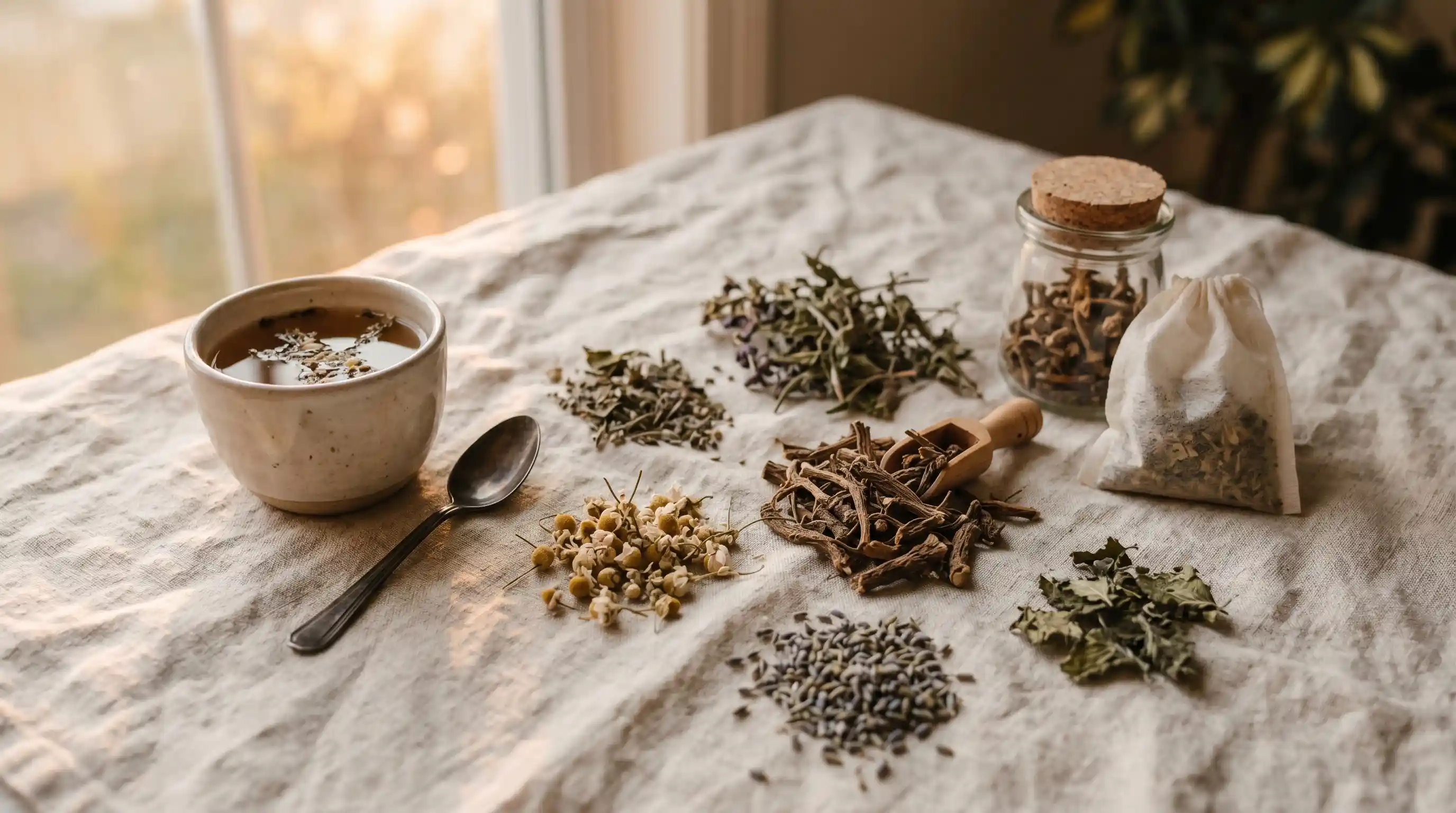
Skullcap extract typically appears as a dark brown to amber-colored liquid when in tincture form, or as a fine, light brown to tan powder when dried and concentrated. Liquid extracts often have a slightly viscous consistency, similar to honey or maple syrup, and may vary in color intensity depending on the extraction method and concentration ratio. The liquid should appear clear without visible particles or sediment, though some natural settling may occur over time.
Powdered skullcap extract usually presents as a fine, uniform powder with a characteristic earthy, slightly bitter aroma reminiscent of dried herbs. High-quality extracts maintain a consistent color and texture without clumping, discoloration, or foreign materials. The powder should flow freely and dissolve relatively easily in warm water or other liquids, though complete dissolution may require stirring due to the presence of plant compounds with varying solubilities.
Commercial packaging varies considerably, from small amber glass bottles for liquid extracts to sealed pouches or containers for powdered forms. Reputable suppliers typically provide detailed labeling including extraction ratios (such as 4:1 or 10:1), standardization information, batch numbers, and expiration dates. Quality products often specify the plant part used (typically aerial parts for American skullcap) and may include certificates of analysis or third-party testing results.
Potential adulterants or substitutions represent a significant concern in the skullcap market. Teucrium canadense (germander) and other Teucrium species have historically been sold as skullcap substitutes, posing serious health risks due to their hepatotoxic properties. Authentic skullcap should never contain these potentially dangerous adulterants. Additionally, some products may be diluted with inactive fillers or mixed with other herbs without proper labeling, emphasizing the importance of sourcing from reputable suppliers who provide proper identification and testing documentation.
What to Expect
The skullcap extract experience typically unfolds as a gentle, progressive relaxation that begins within 20-45 minutes of consumption, depending on the individual's metabolism, stomach contents, and the specific preparation used. Unlike the abrupt onset characteristic of many pharmaceutical sedatives, skullcap's effects tend to emerge gradually, allowing users to maintain awareness of the transition from their baseline state to a more relaxed condition.
At lower doses (equivalent to 1-3 grams of dried herb), users commonly report a subtle easing of mental tension and racing thoughts, often described as a gentle "quieting" of the mind. This initial phase typically involves reduced anxiety and worry without significant changes in cognitive function or alertness. Many people find they can continue with normal activities while experiencing this mild anxiolytic effect, making it suitable for daytime use when managing stress or nervous tension.
Moderate doses (equivalent to 3-6 grams of dried herb) tend to produce more pronounced relaxation effects. Users frequently describe a pleasant sense of calm that extends throughout the body, often accompanied by a reduction in physical tension and muscle tightness. Mental effects at this level may include improved focus on present-moment awareness, reduced rumination, and a general sense of emotional equilibrium. Some individuals report enhanced creativity or introspective capacity, though without the altered perception associated with psychoactive substances.
Higher doses (equivalent to 6+ grams of dried herb) typically produce more sedating effects, making them most appropriate for evening use or when seeking sleep support. At these levels, users often experience significant drowsiness, heavy eyelids, and a strong inclination toward rest. The transition to sleep tends to be smooth and natural, with many reporting improved sleep quality and duration. Dreams may be more vivid or memorable, though this varies considerably among individuals.
Throughout the experience, most users maintain mental clarity and emotional stability, distinguishing skullcap from substances that produce euphoria, dissociation, or significant cognitive impairment. The effects typically peak within 1-2 hours and gradually diminish over 4-6 hours, though some residual relaxation may persist longer. Users rarely report negative aftereffects, and many describe feeling refreshed and emotionally balanced the following day.
Preparation & Consumption
Skullcap extract can be consumed through several methods, each offering different advantages in terms of onset time, duration, and convenience. The most common approach involves oral consumption of liquid tinctures, which typically provide the most predictable and well-documented effects. Liquid extracts should be measured carefully using the dropper or measuring device provided, with doses typically ranging from 1-4 milliliters depending on the concentration ratio and desired effects.
When using liquid tinctures, many experienced users recommend holding the extract under the tongue (sublingual administration) for 30-60 seconds before swallowing to potentially enhance absorption and slightly accelerate onset. The bitter taste can be mitigated by mixing the extract with a small amount of water, juice, or herbal tea, though this may slightly delay absorption compared to direct consumption.
Powdered extracts offer versatility in preparation methods. They can be mixed directly into beverages, incorporated into foods, or encapsulated for convenient dosing. When mixing with liquids, warm (not hot) water or herbal teas often provide the best dissolution, though the powder may not completely dissolve due to varying compound solubilities. Some users prefer to mix the powder with honey or another natural sweetener to mask the bitter taste while creating a more palatable preparation.
Dosing should always begin conservatively, particularly for new users or when trying a new product or extraction ratio. A general guideline suggests starting with doses equivalent to 1-2 grams of dried herb and gradually increasing as needed based on individual response. Extract concentrations vary significantly between products, so careful attention to labeling and manufacturer recommendations is essential for safe and effective use.
Set and setting considerations, while less critical than with psychoactive substances, still play important roles in optimizing the skullcap experience. A calm, comfortable environment free from stressors or obligations allows users to fully appreciate the herb's relaxing properties. Evening use is often preferred when seeking sleep support, while daytime use for anxiety management should account for potential mild sedation that might affect activities requiring high alertness.
Safety First
While skullcap extract enjoys a generally favorable safety profile, several important considerations must guide its responsible use. Individuals with liver conditions or those taking hepatotoxic medications should exercise particular caution, as some historical cases of liver toxicity have been associated with skullcap products, though many of these incidents likely involved adulterated products containing hepatotoxic Teucrium species rather than authentic skullcap.
Pregnancy and breastfeeding represent clear contraindications for skullcap use, as insufficient safety data exists for these populations, and the herb's effects on developing fetuses or nursing infants remain unknown. Similarly, children should not use skullcap extract without explicit medical supervision, as pediatric safety and dosing guidelines have not been established through rigorous clinical research.
Drug interactions present significant safety concerns, particularly with central nervous system depressants including alcohol, benzodiazepines, barbiturates, opioids, and sleep medications. The additive sedative effects could potentially lead to excessive drowsiness, respiratory depression, or other dangerous outcomes. Users taking anticonvulsant medications should consult healthcare providers before using skullcap, as the herb might theoretically interfere with seizure control, though clinical evidence for this interaction remains limited.
Individuals with diabetes should monitor blood glucose levels carefully when using skullcap, as some research suggests the herb might influence blood sugar regulation. Similarly, those scheduled for surgery should discontinue skullcap use at least two weeks prior to the procedure, as its sedative properties might interact unpredictably with anesthetics or other surgical medications.
Quality assurance represents a critical safety consideration given the historical issues with skullcap adulteration. Users should source products exclusively from reputable suppliers who provide certificates of analysis, third-party testing results, and clear identification of plant species and parts used. Products should be stored in cool, dry conditions away from direct sunlight to maintain potency and prevent degradation.
Tolerance and dependence, while uncommon with skullcap, remain theoretical concerns with regular use. Users should consider periodic breaks from supplementation to assess their baseline anxiety levels and prevent potential psychological dependence on the herb for stress management.
History & Cultural Context
Skullcap's medicinal history spans centuries and crosses multiple cultural boundaries, with both American and Chinese varieties contributing to humanity's understanding of this remarkable plant's therapeutic potential. Scutellaria lateriflora, native to North America, earned recognition among indigenous peoples long before European colonization, with various tribes utilizing the herb for nervous conditions, women's health issues, and ceremonial purposes. The Cherokee, in particular, valued skullcap for its calming properties and incorporated it into traditional healing practices for anxiety and sleep disorders.
European settlers quickly adopted skullcap from Native American herbalists, and by the 18th century, it had become a staple in American folk medicine. The herb gained particular prominence during the 19th century when it was widely prescribed by Eclectic physicians—a group of American practitioners who emphasized botanical medicines over the harsh mineral-based treatments common in conventional medicine of that era. These physicians documented skullcap's effectiveness for "nervous exhaustion," hysteria, and various anxiety-related conditions, establishing much of the foundational knowledge that continues to inform modern use.
Simultaneously, Scutellaria baicalensis held an equally revered position in Traditional Chinese Medicine (TCM), where it was known as "huang qin" and classified as a bitter, cold herb capable of clearing heat and drying dampness. Chinese practitioners traditionally used it for conditions involving inflammation, fever, and emotional agitation, often combining it with other herbs in complex formulations designed to restore balance to the body's energetic systems.
The 20th century brought both challenges and validation to skullcap's reputation. The rise of pharmaceutical medicine initially overshadowed herbal treatments, leading to decreased interest in traditional plant medicines among mainstream medical practitioners. However, the latter half of the century witnessed renewed scientific interest in skullcap, with researchers beginning to identify and study its active compounds, particularly the flavonoids responsible for its neurological effects.
Modern perception of skullcap has evolved to embrace both its traditional applications and contemporary scientific understanding, positioning it as a bridge between ancient wisdom and modern phytotherapy in the growing field of integrative medicine.
Emergency Guidance
While serious adverse reactions to skullcap extract are rare, users should remain vigilant for signs of potential problems and know how to respond appropriately. Excessive sedation represents the most common concern, particularly when skullcap is combined with other depressant substances or used in higher-than-recommended doses. Signs of problematic sedation include difficulty staying awake during normal activities, confusion, slurred speech, unsteady movement, or difficulty breathing.
If someone experiences severe drowsiness or sedation after using skullcap, ensure they remain in a safe environment where they cannot fall or injure themselves. Keep the person awake and responsive through gentle stimulation such as talking or light physical contact. If breathing becomes shallow, irregular, or labored, or if the person becomes unresponsive, seek immediate medical attention by calling emergency services.
Allergic reactions, while uncommon, can occur with any botanical product. Watch for signs including skin rash, hives, swelling of the face or throat, difficulty breathing, or rapid heartbeat. Any suspected allergic reaction warrants immediate discontinuation of the product and medical evaluation, with severe reactions requiring emergency medical care.
Liver-related symptoms deserve particular attention given historical concerns about hepatotoxicity in some skullcap products. Seek medical attention if users develop yellowing of the skin or eyes (jaundice), dark urine, light-colored stools, persistent nausea or vomiting, severe fatigue, or abdominal pain, particularly in the upper right area. These symptoms could indicate liver problems requiring immediate medical evaluation.
When seeking medical help, provide healthcare providers with complete information about the skullcap product used, including the manufacturer, concentration, dose taken, and timing of consumption. If possible, bring the product packaging or container to help medical professionals understand exactly what was consumed. Be honest about any other substances used concurrently, as this information is crucial for proper treatment and could be life-saving in emergency situations.
Legal Status in NL
Legal
Available in 164 shops across 61 cities. Most shops in Amsterdam (31), Rotterdam (13), Groningen (9).
Dosage Guide
Experience Timeline
Effect Profile
Positive Effects
Side Effects
Safety & Harm Reduction
Harm Reduction Tips
- Start with the lowest recommended dose to assess individual sensitivity
- Avoid driving or operating machinery due to potential drowsiness
- Do not combine with alcohol or other sedating substances without caution
- Purchase from reputable suppliers with third-party testing for purity
- Consult healthcare providers if taking prescription medications
- Avoid use during pregnancy or breastfeeding without medical supervision
- Stay hydrated and maintain a comfortable environment
- Keep a trip sitter present if using higher doses
- Store extracts properly away from heat and light to maintain potency
- Be aware that effects may be delayed, avoid redosing too quickly
Emergency Information
Skullcap is generally very safe with rare adverse reactions, but excessive doses may cause drowsiness, dizziness, or mild gastrointestinal upset. If severe drowsiness or breathing difficulties occur, seek medical attention immediately. Contact poison control if large quantities have been consumed.
Interactions
AlcoholCaution
BenzodiazepinesCaution
SSRIs/SNRIsCaution
MAOIsCaution
OpioidsCaution
LithiumCaution
StimulantsSafe
CannabisSafe
Experience Levels
As a first-time user, you'll likely find Skullcap Extract refreshingly gentle compared to pharmaceutical anxiety medications. The experience typically begins with a subtle softening of mental tension, like the feeling of taking a deep breath after a stressful day. Your thoughts may feel less racing or scattered, replaced by a calm clarity that allows you to focus without the edge of anxiety. Physical tension in your shoulders, jaw, or stomach often melts away gradually. Unlike stronger sedatives, you'll remain fully functional and alert - many users describe feeling like 'themselves, but calmer.' The effects are cumulative, so don't be discouraged if the first dose feels mild. Some beginners notice the effects more clearly in stressful situations, where they find themselves responding with unusual composure. Sleep quality often improves when taken in the evening, though it won't knock you out like a sleeping pill. The beauty of Skullcap lies in its subtlety - it supports your natural ability to relax rather than forcing sedation.
Frequently Asked Questions
Is Skullcap Extract legal in the Netherlands?▾
Yes, Skullcap Extract is completely legal in the Netherlands. It's classified as a herbal supplement and can be purchased without restrictions from smartshops, health stores, and online retailers. There are no age restrictions or quantity limits for purchasing this traditional herb.
What's the recommended dosage for Skullcap Extract?▾
Dosage varies significantly depending on the extract concentration and form. For tinctures, typically start with 1-2ml (20-40 drops) up to three times daily. For capsules, follow manufacturer guidelines, usually 300-500mg per dose. Always start with the lowest recommended dose to assess your individual sensitivity.
How long does Skullcap Extract take to work?▾
Effects typically begin within 30-60 minutes when taken on an empty stomach, or 1-2 hours with food. Tinctures may work slightly faster than capsules due to better absorption. The calming effects usually last 4-6 hours, making it suitable for daytime stress relief without prolonged sedation.
What effects can I expect from Skullcap Extract?▾
Users typically experience gentle relaxation, reduced anxiety, and mental calmness without drowsiness. Many report feeling more centered and less reactive to stress. Unlike stronger sedatives, Skullcap allows you to remain alert and functional while feeling more relaxed and peaceful.
Are there any side effects or risks with Skullcap Extract?▾
Skullcap is generally well-tolerated with minimal side effects. Some people may experience mild drowsiness, especially at higher doses or when combined with other sedatives. Rarely, digestive upset or headaches may occur. Quality matters - ensure you're purchasing from reputable sources to avoid adulterated products.
Can Skullcap Extract interact with medications?▾
Skullcap may enhance the effects of sedative medications, anticonvulsants, and blood pressure medications. If you're taking prescription medications, especially for anxiety, depression, or seizures, consult your healthcare provider before use. Avoid combining with alcohol or other depressants as effects may be amplified.
Where can I buy Skullcap Extract in the Netherlands?▾
Skullcap Extract is available at most Dutch smartshops, health food stores (reformhuizen), and online retailers. Popular chains like Holland & Barrett often stock it, as do specialized herbal suppliers. Always verify the Latin name (Scutellaria lateriflora) to ensure you're getting the correct species.
Can I travel with Skullcap Extract?▾
Within the EU, traveling with Skullcap Extract is generally not problematic as it's a legal herbal supplement. Keep products in original packaging with labels. For international travel, check destination country regulations as some nations have restrictions on herbal supplements, even if they're legal in the Netherlands.
Is Skullcap Extract suitable for daily use?▾
Many people use Skullcap Extract daily for ongoing stress management without developing tolerance or dependence. However, it's wise to take occasional breaks to assess your baseline stress levels. If you find yourself increasingly reliant on it, consider addressing underlying stress factors or consulting a healthcare professional.
How does Skullcap Extract compare to Kava?▾
Skullcap is generally milder and less sedating than Kava, making it better for daytime use. Kava has stronger anxiolytic effects but may cause drowsiness and has potential liver concerns with heavy use. Skullcap is considered safer for regular use and doesn't impair cognitive function as much as Kava can.
What's the difference between American and Chinese Skullcap?▾
American Skullcap (Scutellaria lateriflora) is the species typically used for anxiety and nervous tension. Chinese Skullcap (Scutellaria baicalensis) has different properties and is used more for inflammation and infections. Ensure you're purchasing American Skullcap for the calming effects described here.
Can I combine Skullcap Extract with other herbs?▾
Skullcap combines well with other calming herbs like chamomile, lemon balm, or passionflower for enhanced relaxation. Many commercial blends include these combinations. However, avoid combining with stronger sedatives or multiple GABAergic herbs simultaneously, as effects may become too pronounced.
Is Skullcap Extract safe during pregnancy or breastfeeding?▾
There's insufficient research on Skullcap's safety during pregnancy and breastfeeding. As with most herbal supplements, it's generally recommended to avoid use during these periods unless specifically advised by a healthcare provider. Pregnant or nursing women should explore other stress management techniques instead.
How should I store Skullcap Extract?▾
Store tinctures in a cool, dark place away from direct sunlight - they can last 3-5 years when properly stored. Capsules should be kept in a dry, cool environment and used before the expiration date. Avoid storing in bathrooms or other humid areas as moisture can degrade the active compounds.
What should I do if Skullcap Extract doesn't work for me?▾
Individual responses vary significantly with herbal supplements. Try adjusting the timing (empty stomach vs. with food) or dosage within safe ranges. If no effects after 2-3 weeks of consistent use, consider trying a different brand or extract concentration. Some people may be non-responders to Skullcap's particular mechanisms of action.
How It Compares — Skullcap Extract
| Dimension | Skullcap Extract | Kava | Lactuca Virosa |
|---|---|---|---|
| Intensity | Mild (2-3/10) | Moderate (4/10) | Mild (3/10) |
| Duration | 4-6 hours | 3-6 hours | 3-5 hours |
| Onset Time | 30-60 minutes | 15-30 minutes | 45-90 minutes |
| Legal Status NL | Legal | Legal | Legal |
| Risk Profile | Very Low | Low-Moderate | — |
| Best For | Daily stress, daytime anxiety | Social anxiety, evening relaxation | Sleep aid, minor pain relief |
| Cognitive Impact | Minimal impairment | Mild to moderate impairment | — |
Related Searches
References
- Shieh DE, Liu LT, Lin CC. Baicalein, a component of Scutellaria baicalensis, is a potent antioxidant and anti-inflammatory agent · Anticancer Research · 2000
- Hui KM, Huen MS, Wang HY, Zheng H, Sigel E, Baur R, Ren H, Li ZW, Wong JT, Xue H. Anxiolytic-like effects of baicalein and baicalin in the Vogel conflict test in mice · European Journal of Pharmacology · 2002doi:10.1016/S0014-2999(02)02034-9
- Fernández S, Wasowski C, Paladini AC, Marder M. Sedative and sleep-enhancing properties of linarin, a flavonoid-isolated from Valeriana officinalis · Pharmacology Biochemistry and Behavior · 2004doi:10.1016/j.pbb.2004.04.019
- Jäger AK, Krydsfeldt K, Rasmussen HB. GABA(A) receptor modulation by terpenoids from Sideritis extracts · Biochimica et Biophysica Acta · 2009doi:10.1016/j.bbagen.2009.01.001
- Zhao T, Tang H, Xie L, Zheng Y, Ma Z, Sun Q, Li X. Scutellaria baicalensis, the golden herb from the garden of Chinese medicinal plants · Science Bulletin · 2019doi:10.1016/j.scib.2018.12.006
- Dinda B, Dinda S, DasSharma S, Banik R, Chakraborty A, Dinda M. Baicalin and baicalein as novel compounds for the treatment of inflammatory bowel disease · World Journal of Gastroenterology · 2017doi:10.3748/wjg.v23.i40.7175
- Liao JF, Hung WY, Chen CF. Flavonoids from Scutellaria baicalensis Georgi and their binding affinities to benzodiazepine site of GABA(A) receptor complex · Journal of Ethnopharmacology · 2003doi:10.1016/S0378-8741(03)00061-1
- Savage K, Firth J, Stough C, Sarris J. A systematic review of the anxiolytic-like effects of acute administration of plant extracts · Psychopharmacology · 2018doi:10.1007/s00213-017-4806-2
Disclaimer: This information is for educational purposes only and does not constitute medical advice. Always consult a qualified healthcare professional before using any substance. If you experience adverse effects, contact your doctor or call 112 (Netherlands emergency).