Ephedra Ma Huang
Always start with a low dose and read our safety guidelines before use.
Ma Huang is the traditional Chinese name for Ephedra sinica, containing natural ephedrine alkaloids for powerful stimulation. This herb provides intense energy, appetite suppression, and enhanced athletic performance. Available in Dutch smartshops as dried herb and standardized extracts for experienced users.

Overview
Ephedra Ma Huang, scientifically known as Ephedra sinica, is a powerful stimulant plant that has been used in traditional Chinese medicine for over 5,000 years. The plant belongs to the Ephedraceae family and contains several active alkaloids, with ephedrine being the primary psychoactive compound responsible for its stimulant effects. Ma Huang, which translates to "yellow hemp" in Chinese, grows as a shrub-like plant in arid regions of Asia, particularly in China and Mongolia.
The plant's stems contain approximately 0.5-2.5% total alkaloids, with ephedrine typically comprising 30-90% of this alkaloid content, alongside pseudoephedrine, norephedrine, and methylephedrine. These compounds are structurally similar to amphetamines and produce comparable stimulant effects, though generally milder and shorter-lasting than synthetic alternatives.
People use Ephedra Ma Huang for various purposes, including weight loss, athletic performance enhancement, increased energy and alertness, and respiratory support. In traditional Chinese medicine, it's classified as a "warm" herb used to treat conditions like asthma, bronchitis, and nasal congestion. Modern users often seek it as a natural alternative to synthetic stimulants for cognitive enhancement, pre-workout energy, or appetite suppression.
However, Ephedra's powerful effects come with significant risks. The plant has been associated with serious cardiovascular events, including heart attacks, strokes, and sudden death, particularly when combined with caffeine or used in high doses. Many countries have restricted or banned ephedra-containing products due to these safety concerns, though it remains available in some jurisdictions as a traditional herbal medicine or dietary supplement.
How It Works
Ephedra Ma Huang's stimulant effects primarily result from its alkaloid content, particularly ephedrine and pseudoephedrine, which act as sympathomimetic agents. These compounds work by stimulating the sympathetic nervous system through multiple mechanisms, creating a cascade of physiological and psychological effects throughout the body.
The primary mechanism involves the direct and indirect activation of adrenergic receptors, particularly alpha and beta-adrenergic receptors. Ephedrine acts as a direct agonist at these receptors while also promoting the release of norepinephrine and dopamine from nerve terminals. This dual action amplifies the stimulant effect, as the released neurotransmitters further activate adrenergic receptors throughout the nervous system.
At the cellular level, ephedrine crosses the blood-brain barrier and enters presynaptic nerve terminals, where it displaces stored norepinephrine and dopamine from vesicles. This displacement causes these neurotransmitters to be released into synaptic clefts, where they bind to postsynaptic receptors. Additionally, ephedrine inhibits the reuptake of these neurotransmitters, prolonging their presence in the synaptic space and intensifying their effects.
The activation of beta-1 adrenergic receptors in the heart increases heart rate and contractility, while beta-2 receptor activation in the lungs causes bronchodilation. Alpha-1 receptor stimulation leads to vasoconstriction and increased blood pressure. In the central nervous system, increased dopamine and norepinephrine activity in regions like the prefrontal cortex and striatum contributes to enhanced alertness, focus, and mood elevation.
Ephedrine also affects metabolism by activating beta-3 adrenergic receptors in adipose tissue, promoting lipolysis and thermogenesis. This metabolic stimulation increases energy expenditure and contributes to the compound's appetite-suppressing and weight-loss effects. The overall result is a comprehensive stimulation of the sympathetic nervous system, producing the characteristic effects associated with Ephedra Ma Huang consumption.
What It Looks Like
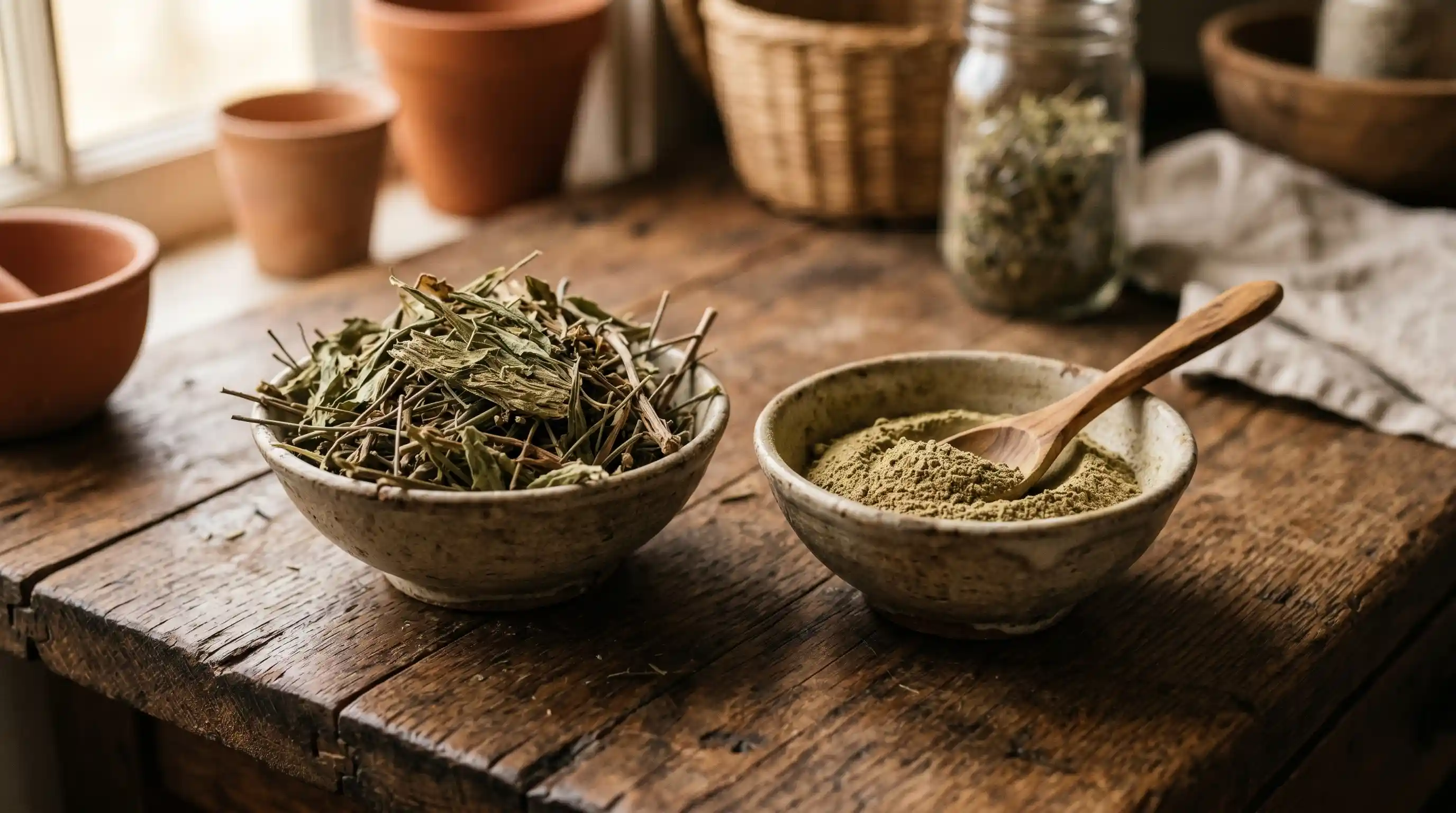
Ephedra Ma Huang typically appears as dried, woody stems that are yellowish-green to brown in color, resembling small twigs or branches. The stems are jointed and segmented, with a distinctive hollow interior when broken. Fresh ephedra stems are more green and flexible, while dried material becomes brittle and lighter in color. The plant's leaves are reduced to small scales at the joints, giving the stems a relatively bare appearance compared to other medicinal plants.
In commercial preparations, Ephedra Ma Huang is most commonly found as coarsely chopped or powdered dried stems. The chopped material maintains the characteristic segmented appearance of the original stems, while powdered forms appear as a fine, tan to brown powder with a slightly bitter taste and minimal odor. Some suppliers offer whole dried stems, which can be several inches long and clearly show the plant's distinctive jointed structure.
Capsulated products containing ephedra extract or powder are widely available, typically appearing as standard gelatin or vegetarian capsules filled with brown to tan powder. Tablet forms also exist, often combined with other ingredients like caffeine or herbal extracts. These processed forms may vary significantly in color and appearance depending on additional ingredients and manufacturing processes.
Quality ephedra material should be relatively uniform in color without excessive moisture, mold, or foreign plant matter. Adulteration is a significant concern in the ephedra market, with some suppliers substituting less potent Ephedra species or mixing in other plant materials to increase volume. Common adulterants include other Ephedra species with lower alkaloid content, such as Ephedra nevadensis (Mormon tea), which contains little to no ephedrine. Some unscrupulous vendors may also add synthetic ephedrine or caffeine to low-quality plant material to enhance potency artificially.
What to Expect
The effects of Ephedra Ma Huang typically begin within 30-60 minutes of consumption and can last 4-8 hours, depending on the dose, individual metabolism, and preparation method. The experience generally follows a predictable arc, beginning with subtle increases in energy and alertness that gradually intensify before plateauing and slowly declining.
At low doses (equivalent to 8-16mg ephedrine), users commonly report mild stimulation characterized by increased alertness, improved focus, and slight mood elevation. Physical sensations may include a gentle increase in heart rate, slight warming sensation, and reduced appetite. Many users describe feeling more motivated and energetic without the jittery sensations associated with high caffeine intake. Cognitive effects at this level are generally subtle but noticeable, with improved concentration and mental clarity being frequently reported.
Moderate doses (equivalent to 16-32mg ephedrine) produce more pronounced stimulant effects. Users typically experience significant increases in energy, alertness, and physical stamina. Heart rate and blood pressure elevation become more noticeable, and some individuals may experience mild anxiety or restlessness. The appetite suppression becomes more pronounced, and users often report feeling unusually warm or experiencing increased perspiration. Cognitive effects intensify, with many users reporting enhanced focus, improved reaction times, and increased confidence in their abilities.
Higher doses (equivalent to 32mg+ ephedrine) can produce intense stimulant effects that may become uncomfortable or concerning for some users. Physical symptoms may include rapid heartbeat, elevated blood pressure, profuse sweating, tremors, and feelings of overheating. Psychological effects can include significant anxiety, agitation, paranoia, or panic attacks in susceptible individuals. Sleep disturbances are common when higher doses are consumed, particularly later in the day.
The comedown from ephedra typically involves a gradual decline in energy and mood, often accompanied by fatigue, mild depression, and increased appetite. This rebound effect is generally less severe than with synthetic stimulants but can still be noticeable, particularly after higher doses or frequent use. Some users report difficulty sleeping even after the primary effects have subsided, as residual stimulation can persist for several hours beyond the peak experience.
Preparation & Consumption
Traditional preparation of Ephedra Ma Huang involves creating a decoction by boiling the dried stems in water for 10-20 minutes. A typical preparation uses 3-9 grams of dried ephedra stems per cup of water, though potency can vary significantly between batches and sources. The resulting tea has a bitter, astringent taste that many users find unpalatable. Adding honey, lemon, or other flavorings can improve palatability without significantly affecting potency.
For tea preparation, users should start with smaller amounts to assess individual sensitivity, as alkaloid content varies considerably between different ephedra sources and preparations. The stems should be simmered rather than steeped to extract the alkaloids effectively, and the liquid should be strained before consumption. Some practitioners recommend multiple short extractions rather than one long boiling period to maximize alkaloid yield while minimizing the extraction of tannins that contribute to bitterness.
Powdered ephedra can be consumed directly in capsules or mixed into foods and beverages. When using powder, accurate dosing becomes more challenging due to variations in alkaloid concentration. Users should start with very small amounts (0.5-1 gram) and gradually increase as needed while monitoring effects carefully. Mixing powder into acidic juices may enhance absorption, though this also increases the risk of stomach irritation.
Commercial ephedra products often provide more consistent dosing, with standardized extracts indicating specific ephedrine content. However, users should be aware that "standardized" doesn't guarantee accuracy, and independent testing may be necessary for precise dosing. When using any ephedra preparation, timing is crucial due to the long duration of effects. Consumption should generally occur early in the day to avoid sleep disruption.
Set and setting considerations are important for ephedra use, as the stimulant effects can amplify anxiety and stress responses. Users should avoid consumption during periods of high stress, in unfamiliar environments, or when dealing with significant life challenges. The stimulant nature of ephedra makes it unsuitable for relaxation or introspective experiences, and users should plan activities that align with increased energy and alertness.
Safety First
Ephedra Ma Huang carries significant health risks that require careful consideration before use. The most serious concerns involve cardiovascular complications, including heart attacks, strokes, arrhythmias, and sudden death. These risks are heightened in individuals with pre-existing heart conditions, high blood pressure, or other cardiovascular risk factors. Anyone with a history of heart disease, stroke, high blood pressure, or irregular heartbeat should avoid ephedra entirely.
Contraindications for ephedra use include pregnancy and breastfeeding, as the stimulant effects can affect fetal development and pass through breast milk. Individuals with anxiety disorders, panic disorder, or other psychiatric conditions may experience severe exacerbation of symptoms. Those with hyperthyroidism, diabetes, prostate enlargement, or glaucoma should also avoid ephedra, as it can worsen these conditions significantly.
Drug interactions present another major safety concern. Ephedra should never be combined with monoamine oxidase inhibitors (MAOIs), as this combination can cause dangerous hypertensive crises. Combining ephedra with other stimulants, including caffeine, significantly increases the risk of adverse effects. Many over-the-counter medications, including decongestants and weight-loss supplements, contain stimulants that can interact dangerously with ephedra.
Prescription medications that may interact include antidepressants, blood pressure medications, diabetes medications, and thyroid hormones. Users taking any prescription medications should consult healthcare providers before using ephedra. The herb can also interfere with anesthesia, so use should be discontinued well before any scheduled surgical procedures.
Dosage-related risks increase dramatically with higher amounts or frequent use. Tolerance can develop quickly, leading users to increase doses to dangerous levels. Signs of overdose include severe headache, chest pain, difficulty breathing, irregular heartbeat, seizures, and loss of consciousness. Any of these symptoms require immediate medical attention.
Quality control issues in the ephedra market pose additional risks. Products may contain varying alkaloid levels, adulterants, or contaminants. Users should source ephedra from reputable suppliers and consider independent testing when possible. Avoiding products that combine ephedra with other stimulants or unknown ingredients is essential for safety.
History & Cultural Context
Ephedra Ma Huang holds one of the longest documented histories of any psychoactive plant, with evidence of its use in traditional Chinese medicine dating back over 5,000 years. The plant first appears in the Shen Nong Ben Cao Jing, one of the earliest Chinese pharmacological texts, where it was classified as a superior herb suitable for long-term use. Ancient Chinese physicians recognized its powerful effects on respiratory conditions and energy levels, incorporating it into complex herbal formulations designed to treat asthma, bronchitis, and other lung ailments.
Traditional Chinese medicine theory categorizes Ma Huang as a warm, acrid herb that opens the pores, promotes sweating, and disperses cold from the body's exterior. Classical formulations like Ma Huang Tang combined ephedra with other herbs to create balanced prescriptions that maximized therapeutic benefits while minimizing side effects. These traditional preparations were typically used for short periods during acute illnesses rather than as long-term stimulants.
The plant's active compounds were first isolated by Japanese chemist Nagai Nagayoshi in 1885, who identified and named ephedrine. This discovery marked the beginning of ephedra's integration into Western medicine, where synthetic ephedrine became widely used as a bronchodilator and decongestant. During the early-to-mid 20th century, ephedrine was commonly prescribed for asthma and incorporated into over-the-counter medications.
The modern history of ephedra as a recreational stimulant and weight-loss aid began in the 1990s when it gained popularity in the bodybuilding and fitness communities. Marketed as "herbal ecstasy" or natural energy supplements, ephedra products proliferated in health food stores and online markets. This period saw widespread misuse, with many products containing high doses of ephedra combined with caffeine and other stimulants.
Growing reports of adverse events, including deaths linked to ephedra use, led to increased regulatory scrutiny. The FDA banned ephedra-containing dietary supplements in 2004 following extensive safety reviews and legal battles with manufacturers. However, the plant remains available for traditional medicine purposes in many jurisdictions, and internet sales continue despite regulatory restrictions.
Emergency Guidance
Recognizing the signs of ephedra overdose or adverse reaction is crucial for user safety and the safety of others. Early warning signs include severe headache, chest pain or tightness, rapid or irregular heartbeat, difficulty breathing, excessive sweating, tremors, severe anxiety or panic, nausea and vomiting, and confusion or disorientation. More serious symptoms that indicate a medical emergency include seizures, loss of consciousness, stroke symptoms such as sudden weakness or speech difficulties, signs of heart attack including crushing chest pain radiating to the arm or jaw, and extremely high body temperature.
If someone experiences serious adverse effects from ephedra, immediate medical attention is essential. Call emergency services without delay, as ephedra-related emergencies can rapidly become life-threatening. While waiting for medical help, keep the affected person calm and seated or lying down in a comfortable position. Loosen tight clothing and ensure adequate ventilation. If the person is conscious and able to swallow, small sips of cool water may help, but avoid giving large amounts of fluids.
Monitor vital signs if possible, including pulse rate and breathing. If the person becomes unconscious but is breathing normally, place them in the recovery position to prevent choking. Be prepared to perform CPR if breathing or heartbeat stops, though this should only be attempted by those trained in these techniques.
When speaking with emergency responders or medical personnel, provide clear information about what was consumed, including the amount, timing, and any other substances that may have been taken concurrently. If possible, bring the ephedra product or packaging to help medical professionals understand the specific preparation and dosage involved.
For less severe reactions such as mild anxiety, restlessness, or discomfort, moving to a calm, cool environment and practicing slow, deep breathing exercises may provide relief. However, users should not hesitate to seek medical attention if symptoms worsen or if there are any concerns about cardiovascular effects. It's always better to err on the side of caution with stimulant-related adverse reactions, as they can escalate quickly and unpredictably.
Legal Status in NL
Restricted (limited quantities)
Available in 160 shops across 61 cities. Most shops in Amsterdam (28), Rotterdam (13), Groningen (9).
Dosage Guide
Experience Timeline
Effect Profile
Positive Effects
Side Effects
Safety & Harm Reduction
Harm Reduction Tips
- Start with very low doses (0.5-1g of plant material) to assess individual sensitivity
- Avoid use if you have heart conditions, high blood pressure, or thyroid disorders
- Stay well-hydrated and avoid overheating during physical activity
- Do not combine with other stimulants or weight-loss supplements
- Avoid daily use to prevent tolerance and cardiovascular strain
- Monitor heart rate and blood pressure if possible during use
- Do not use if pregnant, nursing, or planning to become pregnant
- Avoid use within 6 hours of sleep to prevent insomnia
- Have a sober friend present, especially for first-time use
- Keep emergency contact information readily available
Emergency Information
If experiencing chest pain, rapid heart rate, severe hypertension, or difficulty breathing, seek immediate medical attention. Stay hydrated, move to a cool environment, and avoid additional stimulants. Contact emergency services if symptoms worsen or include signs of heart attack or stroke.
Interactions
MAOIs⚠️Deadly
Other stimulantsDangerous
TramadolDangerous
AlcoholCaution
SSRIs/SNRIsCaution
CannabisCaution
BenzodiazepinesCaution
LithiumCaution
Experience Levels
As a first-time user, your Ma Huang experience will likely feel quite intense compared to typical stimulants. Within 30-60 minutes, you'll notice a surge of energy and heightened alertness that can feel overwhelming initially. Your heart rate will increase noticeably, and you may feel warm or slightly jittery. Mental clarity often improves dramatically, but this can come with anxiety or restlessness if you're sensitive to stimulants. Appetite suppression is common, and you might feel like you don't need food for several hours. The experience builds gradually but peaks within 2-3 hours, maintaining intensity for 4-6 hours total. Physical sensations include increased body temperature, possible sweating, and enhanced physical capability, though you should avoid intense exercise. Some beginners report feeling 'wired' or having difficulty sitting still. The comedown is usually gradual but can leave you feeling depleted. Sleep may be difficult for 8-12 hours after consumption, so timing is crucial. Stay hydrated, avoid additional stimulants, and have a calm environment prepared for when effects become too intense.
Frequently Asked Questions
Is Ephedra Ma Huang legal in the Netherlands?▾
Ephedra Ma Huang has restricted legal status in the Netherlands, meaning it's available in limited quantities through licensed smartshops. The restriction exists due to its potent ephedrine alkaloid content. Always purchase from reputable Dutch smartshops that comply with local regulations.
What is the recommended dosage for beginners?▾
Start with the lowest possible dose, typically 0.5-1 gram of dried herb or follow extract manufacturer guidelines strictly. Never exceed recommended amounts as ephedrine alkaloids are very potent. Wait at least 2-3 hours before considering any additional dose to assess your body's response.
How long do the effects of Ma Huang last?▾
Effects typically begin within 30-60 minutes and can last 4-8 hours depending on dosage and individual metabolism. The stimulating effects may interfere with sleep for up to 12 hours after consumption. Plan your timing accordingly, especially if you have work or sleep commitments.
What should I expect from my first Ma Huang experience?▾
Expect increased energy, alertness, and possible appetite suppression within the first hour. You may experience elevated heart rate, increased body temperature, and heightened focus. Some users report jittery feelings or anxiety, especially at higher doses.
What are the main risks and side effects?▾
Common side effects include increased heart rate, elevated blood pressure, anxiety, insomnia, and digestive upset. More serious risks include cardiovascular complications, especially in those with pre-existing heart conditions. Overheating and dehydration are also concerns during physical activity.
Can Ma Huang interact with medications or other substances?▾
Yes, Ma Huang can interact dangerously with many medications including antidepressants, blood pressure medications, and stimulants. Never combine with caffeine, alcohol, or other stimulants. Consult a healthcare provider if you take any medications before using Ma Huang.
Where can I buy Ma Huang in the Netherlands?▾
Purchase only from licensed Dutch smartshops that comply with local regulations regarding restricted substances. Online smartshop directories like Smartshop.nl can help you locate reputable vendors. Avoid purchasing from unlicensed sources or international vendors.
Can I travel with Ma Huang within or outside the Netherlands?▾
Traveling with Ma Huang can be problematic as ephedrine-containing substances are heavily regulated or banned in many countries. Check destination country laws before traveling. Even within the EU, regulations vary significantly between member states.
Who should avoid using Ma Huang?▾
Avoid if you have heart conditions, high blood pressure, anxiety disorders, thyroid problems, or diabetes. Pregnant and breastfeeding women should not use Ma Huang. Those under 18 or over 65 should also avoid use due to increased sensitivity to stimulants.
How does Ma Huang compare to coffee or energy drinks?▾
Ma Huang is significantly more potent than caffeine-based stimulants, with effects lasting much longer. Unlike coffee, it contains multiple alkaloids that affect the cardiovascular system more intensely. The risk profile is considerably higher than typical caffeinated beverages.
Should I eat before taking Ma Huang?▾
Taking Ma Huang on an empty stomach increases absorption and intensity but may cause nausea. A light meal 1-2 hours before consumption can reduce stomach upset while still allowing effective absorption. Avoid heavy, fatty meals which may delay onset.
What should I do if I experience adverse effects?▾
If you experience chest pain, severe anxiety, rapid heartbeat, or difficulty breathing, seek medical attention immediately. For milder discomfort, move to a cool environment, hydrate with water, and avoid further stimulation. Have someone monitor you if effects are concerning.
How often can I safely use Ma Huang?▾
Ma Huang should not be used daily due to tolerance development and cardiovascular strain. Allow at least 3-7 days between uses to minimize health risks. Regular use can lead to dependence and increased side effects.
Can I exercise while using Ma Huang?▾
Exercise while using Ma Huang significantly increases risks of overheating, dehydration, and cardiovascular complications. If you choose to exercise, start with very light activity, monitor your body temperature, and stay well-hydrated. Many experts recommend avoiding intense exercise entirely.
What's the difference between Ma Huang and synthetic ephedrine?▾
Ma Huang contains natural ephedrine alkaloids along with other plant compounds that may modify effects. Synthetic ephedrine is more standardized but Ma Huang's additional compounds can create different experiences. Both carry similar risks and legal restrictions in the Netherlands.
How It Compares — Ephedra Ma Huang
| Dimension | Ephedra Ma Huang | Cordyceps Militaris | Cordyceps Extract |
|---|---|---|---|
| Intensity | High (8-9/10) | Mild (3/10) | Mild (3/10) |
| Duration | 4-8 hours | 2-4 hours | 3-5 hours |
| Onset Time | 30-60 minutes | 1-2 hours | 45-90 minutes |
| Legal Status NL | Restricted | Legal | Legal |
| Risk Profile | High cardiovascular risk | Very low risk | Very low risk |
| Best For | Intense energy/weight loss | Sustained endurance | Athletic performance support |
| Availability | Limited quantities only | Widely available | Widely available online/shops |
Related Searches
References
- Shekelle PG, Hardy ML, Morton SC, Maglione M, Mojica WA, Suttorp MJ, Rhodes SL, Jungvig L, Gagné J. Ephedra sinica and ephedrine alkaloids: pharmacology, toxicology, and regulation · Evidence Report/Technology Assessment · 2003
- Haller CA, Benowitz NL. Adverse cardiovascular and central nervous system events associated with dietary supplements containing ephedra alkaloids · New England Journal of Medicine · 2000doi:10.1056/NEJM200012213432502
- White LM, Gardner SF, Gurley BJ, Marx MA, Wang PL, Estes M. Pharmacokinetics and cardiovascular effects of ma-huang (Ephedra sinica) in normotensive adults · Journal of Clinical Pharmacology · 1997doi:10.1002/j.1552-4604.1997.tb04356.x
- Cody JT. Ephedrine, pseudoephedrine, and amphetamine in urine samples · Forensic Science International · 2002doi:10.1016/S0379-0738(01)00641-7
- Bent S, Tiedt TN, Odden MC, Shlipak MG. Safety assessment of ephedra and ephedrine-containing dietary supplements · American Journal of Medicine · 2003doi:10.1016/S0002-9343(03)00089-5
- Boozer CN, Daly PA, Homel P, Solomon JL, Blanchard D, Nasser JA, Strauss R, Meredith T. Ephedra-containing dietary supplements: health effects and safety concerns · Obesity Research · 2002doi:10.1038/oby.2002.78
- Weinberger M, Bronsky E. Mechanism of action of ephedrine in asthma · Journal of Allergy and Clinical Immunology · 1982doi:10.1016/0091-6749(82)90175-X
- Abourashed EA, El-Alfy AT, Khan IA, Walker L. Traditional Chinese medicine Ephedra sinica: chemistry, pharmacology, and clinical applications · Phytotherapy Research · 2003doi:10.1002/ptr.1360
Disclaimer: This information is for educational purposes only and does not constitute medical advice. Always consult a qualified healthcare professional before using any substance. If you experience adverse effects, contact your doctor or call 112 (Netherlands emergency).