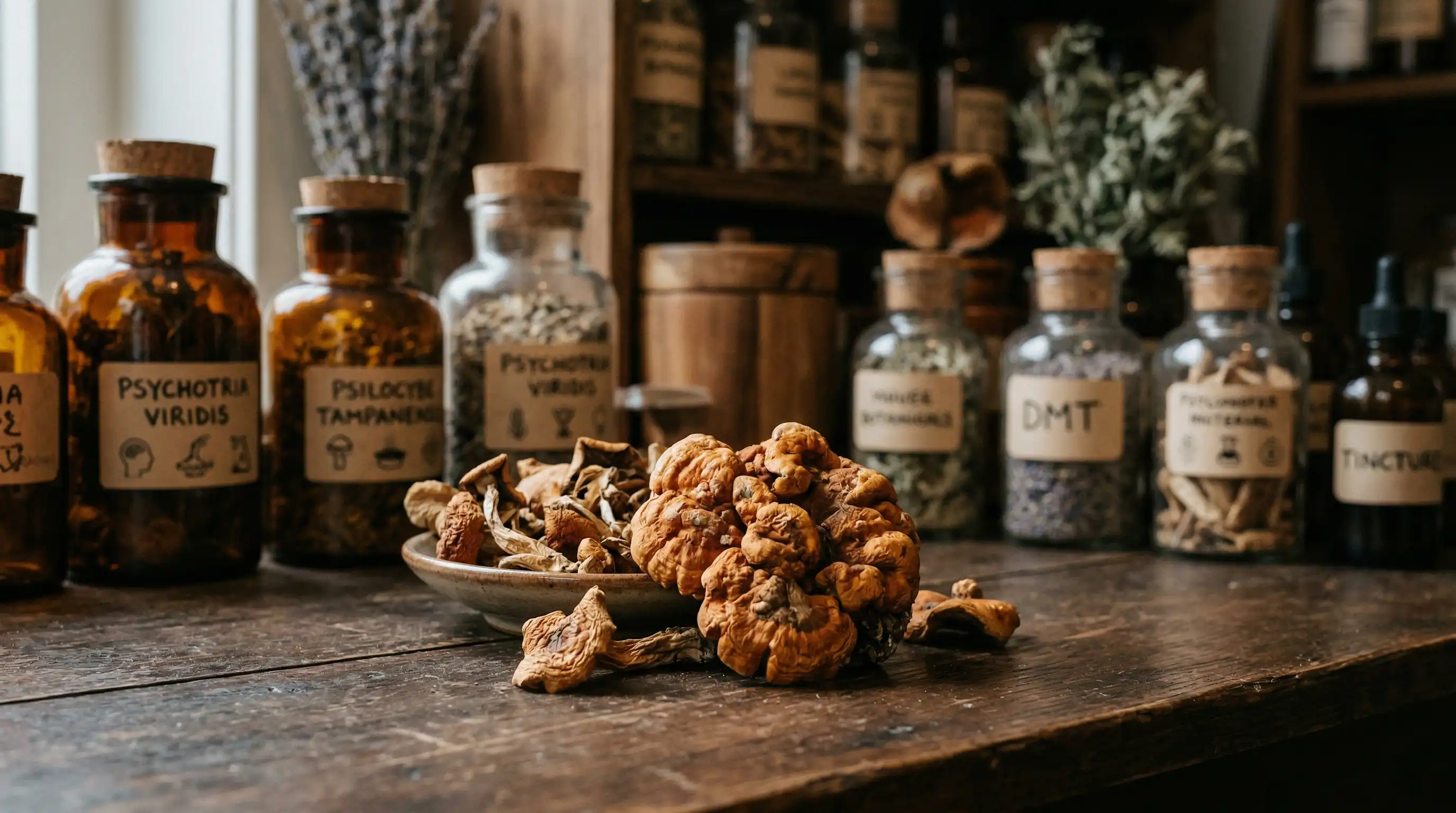
Psilocybe tampanensis

Definition
A species of psychedelic mushroom that produces sclerotia (magic truffles) containing psilocybin and psilocin. This species is commonly cultivated in the Netherlands for legal truffle production since fresh mushrooms were banned in 2008. The sclerotia are sold in Dutch smartshops under names like 'Philosopher's Stones' or 'Tampanensis truffles'.
In Depth
Psilocybe tampanensis is a psychoactive mushroom species that holds particular significance in the Dutch smartshop landscape due to its unique ability to produce sclerotia, commonly known as magic truffles. Originally discovered in Tampa, Florida in 1977, this species has become one of the most important psychedelic fungi in the Netherlands following the 2008 ban on fresh psilocybin mushrooms. Unlike typical mushroom fruiting bodies, P. tampanensis forms dense, underground storage structures called sclerotia that contain the same psychoactive compounds—primarily psilocybin and psilocin—but remain legal for sale in Dutch smartshops. These sclerotia develop as a survival mechanism, allowing the fungus to endure harsh environmental conditions by storing nutrients and genetic material in hardened masses that can remain dormant for extended periods. In the commercial context, P. tampanensis sclerotia are cultivated specifically for their psychoactive properties and are marketed under various names including 'Philosopher's Stones,' 'Tampanensis truffles,' or simply 'magic truffles.' The effects of consuming P. tampanensis are similar to other psilocybin-containing mushrooms, typically including altered perception, enhanced creativity, introspective thoughts, and visual distortions lasting 4-6 hours. The potency is generally considered moderate compared to other psilocybe species, making it popular among both beginners and experienced users. Dutch smartshops have developed sophisticated cultivation and distribution networks for P. tampanensis, with products available in various quantities and preparations. The legal status of these sclerotia has made the Netherlands a unique destination for psychedelic tourism, with visitors specifically seeking authentic P. tampanensis products that cannot be legally obtained elsewhere in Europe. Quality control and standardization have become important factors in the Dutch truffle market, with reputable smartshops providing detailed information about potency, dosage recommendations, and proper storage methods. The cultural impact of P. tampanensis extends beyond recreational use, as it has contributed to ongoing research into psilocybin's therapeutic potential and has influenced harm reduction practices within the Dutch drug policy framework.
Etymology
The name 'tampanensis' derives from Tampa, Florida, where this species was first discovered and collected by mycologist Steven Pollock in 1977. The genus name 'Psilocybe' comes from Greek words meaning 'bare head,' referring to the smooth cap surface characteristic of many species in this group.
Examples
“The smartshop offered several varieties of Psilocybe tampanensis truffles, each with different potency levels for various experience preferences.”
“After the 2008 mushroom ban, many Dutch cultivators shifted their focus to producing Psilocybe tampanensis sclerotia as a legal alternative.”
“Tourists often visit Amsterdam specifically to purchase authentic Psilocybe tampanensis products that aren't available in their home countries.”
“The Philosopher's Stones sold at the local smartshop were actually dried Psilocybe tampanensis sclerotia harvested from controlled cultivation facilities.”
“Experienced psychonauts appreciate Psilocybe tampanensis for its reliable effects and moderate potency compared to stronger truffle varieties.”
Common Misconceptions
Magic truffles are the same as mushroom fruiting bodies - they are actually underground sclerotia with different texture and storage requirements.
All magic truffles contain the same potency - different Psilocybe species and even batches of P. tampanensis can vary significantly in strength.
Psilocybe tampanensis is native to the Netherlands - it was actually discovered in Florida and later cultivated commercially in Dutch facilities.
Truffles are completely legal everywhere in Europe - they are specifically legal in the Netherlands but prohibited in most other European countries.
Practical Tips
Start with a low dose (5-10 grams fresh weight) if you're new to Psilocybe tampanensis, as individual sensitivity varies significantly.
Store fresh truffles in the refrigerator and consume within 2-3 weeks, or dry them for longer-term storage in a cool, dark place.
Choose reputable smartshops that provide detailed product information, including harvest dates, storage instructions, and dosage guidelines.
Plan your experience in a safe, comfortable environment with trusted companions, especially for first-time users of P. tampanensis.
Avoid mixing Psilocybe tampanensis with alcohol or other substances, and ensure you have no responsibilities for at least 8 hours after consumption.
Frequently Asked Questions
What's the difference between Psilocybe tampanensis and other magic truffles?▾
Psilocybe tampanensis typically produces moderate-strength effects and is known for its introspective, philosophical qualities. Compared to stronger varieties like P. hollandia, tampanensis offers a gentler introduction to psychedelic experiences while still providing meaningful effects.
How long do Psilocybe tampanensis effects last?▾
The effects typically begin 30-60 minutes after consumption and last 4-6 hours total. The peak experience usually occurs 2-3 hours after ingestion, followed by a gradual return to baseline over the remaining time.
Can you grow Psilocybe tampanensis at home in the Netherlands?▾
While possession and sale of P. tampanensis sclerotia is legal, cultivation for commercial purposes requires proper licensing. Personal cultivation exists in a legal gray area, and it's advisable to purchase from licensed smartshops rather than attempt home cultivation.
What dosage of Psilocybe tampanensis should beginners take?▾
Beginners should start with 5-10 grams of fresh truffles or 1-2 grams dried. This provides a mild to moderate experience that allows users to gauge their sensitivity before trying higher doses.
Are Psilocybe tampanensis truffles safe to consume?▾
When obtained from reputable sources and used responsibly, P. tampanensis has a good safety profile. However, they should be avoided by people with certain mental health conditions, and users should always research proper dosing and set/setting considerations.
Why are magic truffles legal in the Netherlands but mushrooms aren't?▾
The 2008 Dutch law specifically banned fresh and dried psilocybin mushrooms but did not include sclerotia (truffles) in the prohibition. This legal distinction allows smartshops to continue selling P. tampanensis and other truffle-producing species legally.
How should you prepare Psilocybe tampanensis for consumption?▾
Fresh truffles can be eaten directly, though many people prefer to chew them thoroughly or brew them into tea to improve taste and potentially reduce nausea. Some users blend them into smoothies or consume them with honey to mask the earthy flavor.
What should you expect from a Psilocybe tampanensis experience?▾
Users typically report enhanced creativity, introspective thoughts, mild visual effects, and a sense of connectedness. The experience is often described as more contemplative and less intense than stronger psilocybin varieties, making it suitable for philosophical exploration.