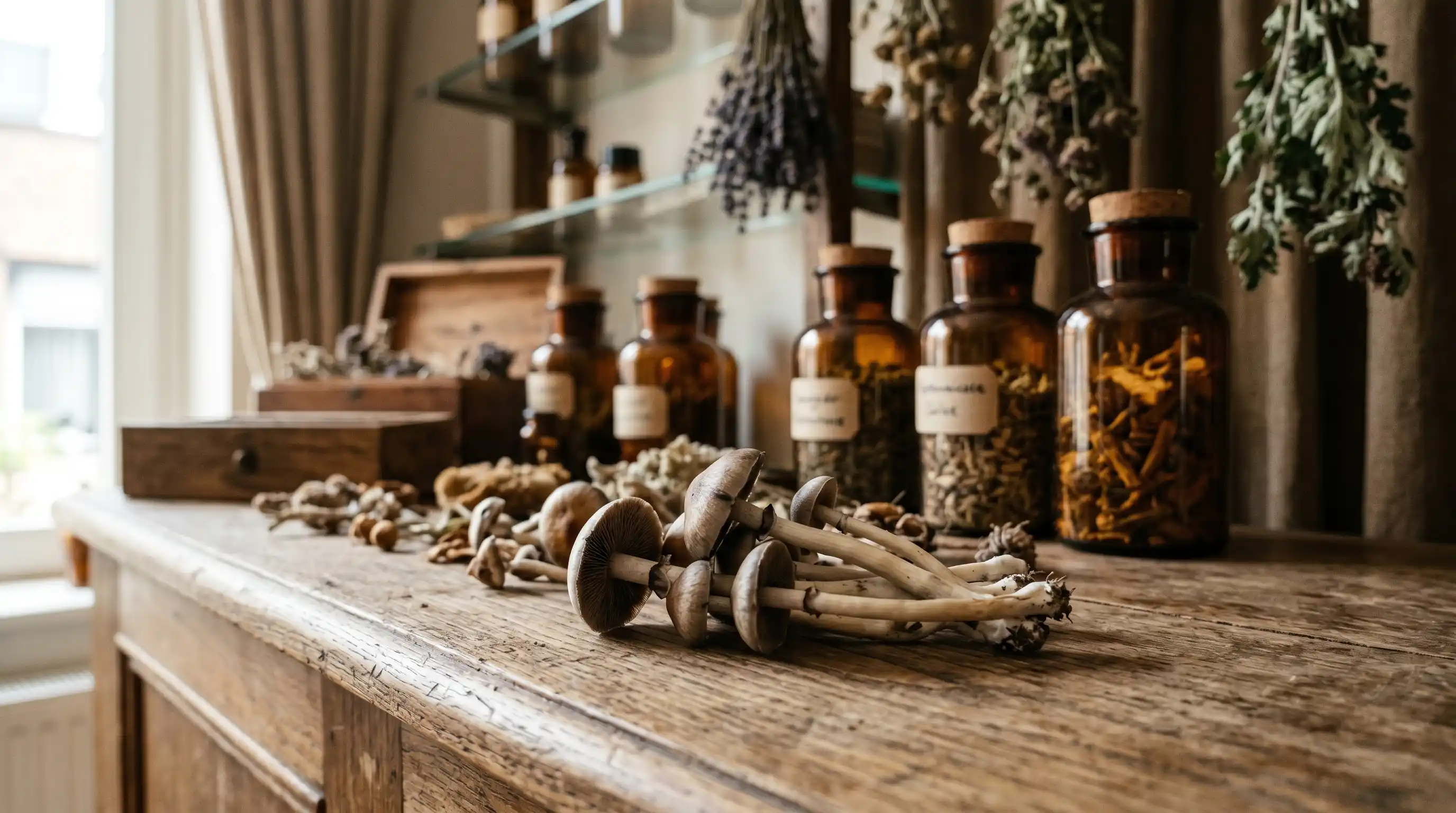
Psilocybe natalensis

Definition
A potent psilocybin-containing mushroom species originally from South Africa, now cultivated for truffle production in Dutch smartshops. Known for producing particularly dense and potent sclerotia with high psilocybin content. Often marketed as one of the stronger truffle varieties available in Netherlands smartshops.
In Depth
Psilocybe natalensis is a species of psilocybin-containing mushroom originally discovered in the Natal region of South Africa, which has become one of the most sought-after varieties in Dutch smartshops for truffle production. This species is particularly renowned for its ability to produce exceptionally dense and potent sclerotia (commonly called magic truffles), making it a cornerstone of the Netherlands' legal psychedelic market. Unlike many other psilocybe species, P. natalensis demonstrates remarkable efficiency in sclerotia formation, producing compact, nutrient-rich underground structures that contain high concentrations of psilocybin and psilocin. In the Dutch smartshop context, P. natalensis truffles are often marketed as premium products due to their consistent potency and reliable effects. The species has adapted well to controlled cultivation environments, allowing Dutch producers to maintain steady supplies for the legal market. These truffles typically appear as small, dark, irregularly shaped masses with a firm texture and earthy aroma. The psilocybin content in P. natalensis sclerotia can vary but generally ranges from 0.6% to 1.2% by dry weight, making them among the more potent varieties available in smartshops. This potency, combined with their relatively stable shelf life and ease of cultivation, has made P. natalensis a favorite among both experienced psychonauts and newcomers to psilocybin experiences. The species' popularity in Dutch smartshops also stems from its predictable effects profile, which users often describe as providing clear, introspective experiences with manageable intensity when dosed appropriately. Dutch regulations permit the sale of fresh sclerotia from various psilocybe species, including P. natalensis, while dried mushrooms remain prohibited, creating a unique market niche that has flourished in the Netherlands' progressive drug policy environment.
Etymology
The name 'Psilocybe natalensis' combines the Greek-derived genus name 'Psilocybe' meaning 'bald head' (referring to the smooth mushroom caps) with 'natalensis,' indicating its origin in the former Natal Province of South Africa. The species was first scientifically described and named based on specimens collected in this South African region.
Examples
“The smartshop offered several truffle varieties, but the Psilocybe natalensis was recommended for experienced users due to its higher potency.”
“After comparing different species, many Dutch cultivators prefer Psilocybe natalensis for commercial truffle production because of its reliable sclerotia formation.”
“The customer asked about the differences between Psilocybe tampanensis and Psilocybe natalensis truffles before making their purchase.”
“Psilocybe natalensis truffles are often sold in 15-gram packages in Dutch smartshops, with clear dosage guidelines for safe consumption.”
“The research facility studied the psilocybin content variations in Psilocybe natalensis sclerotia grown under different environmental conditions.”
Common Misconceptions
That all magic truffles have the same potency regardless of species - P. natalensis is notably stronger than many other varieties
That P. natalensis truffles and mushrooms are legally equivalent in the Netherlands - only fresh sclerotia are legal
That the species originates from the Netherlands - it was actually discovered in South Africa and later cultivated in Dutch facilities
That all sclerotia from P. natalensis will have identical effects - potency can vary based on cultivation conditions and storage
Practical Tips
Start with a lower dose (5-10 grams fresh) if you're new to P. natalensis truffles, as they tend to be more potent than other varieties
Store P. natalensis truffles in the refrigerator and consume within the expiration date for optimal potency and safety
Always purchase from licensed Dutch smartshops to ensure product quality and legal compliance
Prepare for a 4-6 hour experience and ensure you have a safe, comfortable environment before consuming
Consider having an experienced trip sitter present, especially for first-time users or higher doses
Frequently Asked Questions
How potent are Psilocybe natalensis truffles compared to other varieties?▾
Psilocybe natalensis truffles are generally considered among the more potent varieties available in Dutch smartshops, typically containing 0.6-1.2% psilocybin by dry weight. They are often stronger than Psilocybe tampanensis or Psilocybe mexicana truffles, making them better suited for experienced users.
Are Psilocybe natalensis truffles legal in the Netherlands?▾
Yes, fresh Psilocybe natalensis sclerotia (truffles) are legal to purchase and possess in the Netherlands when sold by licensed smartshops. However, dried mushrooms from this species remain illegal, and the truffles cannot be legally exported to most other countries.
What's the recommended dosage for Psilocybe natalensis truffles?▾
For beginners, 5-10 grams of fresh P. natalensis truffles is recommended, while experienced users might consume 10-15 grams. Due to their higher potency, it's crucial to start with lower doses than you might use with other truffle varieties.
How long do Psilocybe natalensis truffle effects last?▾
The effects typically begin within 30-60 minutes of consumption and can last 4-6 hours total. The peak effects usually occur 2-3 hours after ingestion, followed by a gradual decline.
Can you grow Psilocybe natalensis at home in the Netherlands?▾
While possession of fresh truffles is legal, cultivating psilocybin-containing mushrooms at home exists in a legal gray area in the Netherlands. Commercial cultivation requires proper licensing and adherence to strict regulations.
What makes Psilocybe natalensis different from other psilocybe species?▾
P. natalensis is particularly efficient at producing dense, potent sclerotia and adapts well to cultivation environments. It originates from South Africa rather than Central America like many other common species, and tends to produce more consistent and potent truffles.
How should Psilocybe natalensis truffles be stored?▾
Fresh P. natalensis truffles should be stored in the refrigerator in their original packaging and consumed before the expiration date. They should not be frozen, as this can damage the cellular structure and reduce potency.
What are the typical effects of Psilocybe natalensis truffles?▾
Users commonly report introspective experiences, enhanced creativity, visual distortions, and altered perception of time and space. The effects are often described as clear and manageable when properly dosed, though individual responses can vary significantly.