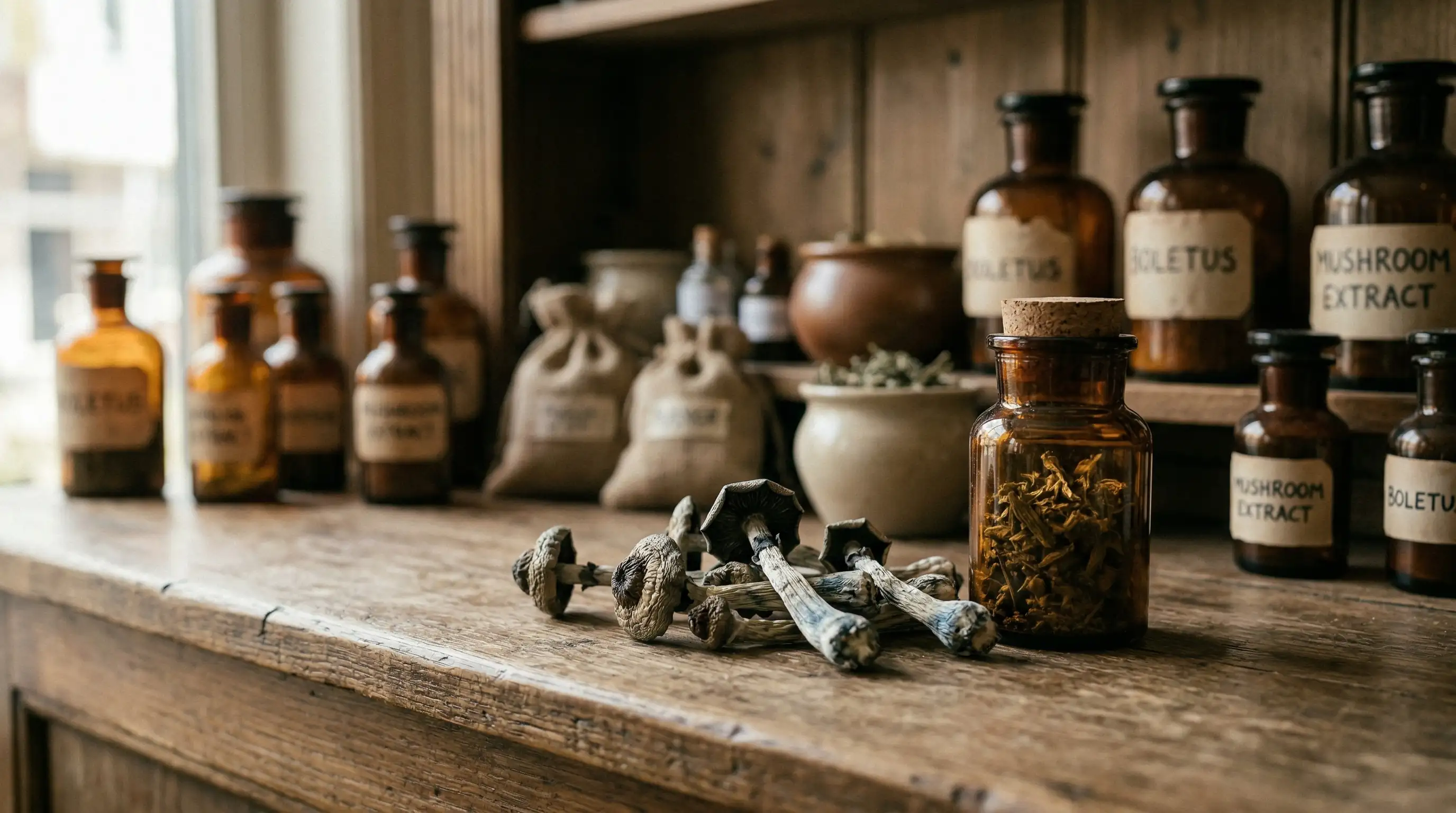
Psilocin

Definition
The pharmacologically active metabolite of psilocybin. It acts primarily on serotonin 5-HT2A receptors to produce psychedelic effects including visual distortions, emotional changes, and altered consciousness.
In Depth
Psilocin, chemically known as 4-hydroxy-N,N-dimethyltryptamine (4-HO-DMT), is the primary psychoactive compound responsible for the effects experienced when consuming psilocybin-containing mushrooms and truffles. While psilocybin itself is a prodrug with minimal direct psychoactive properties, it rapidly converts to psilocin in the human body through dephosphorylation, primarily in the liver and intestinal tract. This conversion process typically occurs within 15-45 minutes of ingestion, making psilocin the true catalyst behind the profound psychological and perceptual changes associated with magic mushroom experiences. Psilocin functions as a partial agonist at serotonin 5-HT2A receptors in the brain, particularly in regions associated with perception, cognition, and consciousness. This receptor binding triggers a cascade of neurochemical changes that result in the characteristic effects of psilocybin experiences: visual and auditory hallucinations, altered perception of time and space, enhanced emotional sensitivity, introspective insights, and shifts in consciousness that can range from subtle mood changes to profound mystical experiences. The compound's molecular structure closely resembles serotonin, allowing it to effectively bind to serotonin receptors and modulate neural activity in ways that temporarily alter normal brain function patterns. In the Dutch smartshop context, understanding psilocin is crucial for both vendors and consumers, as it represents the active principle in legally available psilocybin truffles. The Netherlands maintains a unique legal framework where fresh psilocybin truffles remain legal for sale and consumption, making Dutch smartshops important access points for individuals seeking legal psychedelic experiences. The concentration of psilocin varies significantly between different truffle species and even individual specimens, which explains why dosage recommendations often emphasize starting with smaller amounts and gradually increasing based on individual sensitivity and desired effects. Modern research has renewed scientific interest in psilocin's therapeutic potential, with studies investigating its efficacy in treating depression, PTSD, anxiety, and addiction. This research renaissance has elevated the compound's profile beyond recreational use, positioning it as a subject of serious medical and psychological investigation. The compound's relatively short duration of action, typically lasting 4-6 hours, combined with its generally favorable safety profile when used responsibly, has made it an attractive option for both therapeutic applications and personal exploration. However, psilocin's powerful effects on consciousness demand respect and careful consideration of set, setting, and dosage to ensure safe and beneficial experiences.
Etymology
The name 'psilocin' derives from the Greek words 'psilos' meaning 'bare' or 'bald' and 'kybe' meaning 'head,' referencing the bald appearance of Psilocybe mushrooms. The compound was first isolated and named by Swiss chemist Albert Hofmann in 1958.
Examples
“The psilocin concentration in these truffles determines the intensity of the psychedelic experience.”
“Unlike psilocybin, psilocin is directly active in the brain without requiring metabolic conversion.”
“Research shows that psilocin's effects on 5-HT2A receptors may explain its therapeutic potential for depression.”
“The smartshop staff explained that psilocin levels can vary between different truffle varieties.”
“Understanding psilocin's mechanism of action helps users make informed decisions about dosage and timing.”
Common Misconceptions
Psilocin and psilocybin are the same compound with identical effects
Psilocin is only found in illegal magic mushrooms, not in legal truffles
Higher psilocin content always means a better or more beneficial experience
Psilocin remains active in the body for days after consumption
Practical Tips
Start with lower doses when trying new truffle varieties, as psilocin content can vary significantly between species
Store psilocybin truffles properly to prevent degradation of psilocin content over time
Allow adequate time between experiences, as psilocin tolerance develops quickly but dissipates within 7-14 days
Consider your mental state and environment carefully, as psilocin amplifies both positive and negative emotions
Stay hydrated during experiences, as psilocin can affect normal thirst perception
Frequently Asked Questions
How long does psilocin stay in your system?▾
Psilocin is rapidly metabolized and typically clears from the body within 24 hours. Most drug tests don't screen for psilocin, and when they do, detection windows are usually 1-3 days for urine tests and shorter for blood tests.
What's the difference between psilocin and psilocybin?▾
Psilocybin is a prodrug that converts to psilocin in the body. Psilocin is the actual psychoactive compound that produces the effects, while psilocybin serves as a stable precursor that protects the active molecule during storage.
Can you build tolerance to psilocin?▾
Yes, tolerance to psilocin develops rapidly, often within hours of use. This tolerance typically peaks after 3-4 days and returns to baseline within 7-14 days, which is why spacing experiences is important for consistent effects.
Is psilocin legal in the Netherlands?▾
Psilocin exists naturally in legal psilocybin truffles sold in Dutch smartshops. While pure psilocin is controlled, its presence in fresh truffles falls under the legal framework that permits truffle sales in the Netherlands.
How does psilocin affect the brain?▾
Psilocin primarily binds to serotonin 5-HT2A receptors in the brain, particularly in areas responsible for perception and consciousness. This binding disrupts normal neural patterns and creates new connectivity between brain regions, resulting in altered perception and consciousness.
What factors affect psilocin potency in truffles?▾
Psilocin content varies based on truffle species, growing conditions, harvest timing, storage methods, and individual specimen genetics. Fresh truffles generally contain higher psilocin levels than dried or older specimens.
Can psilocin cause bad trips?▾
Psilocin can amplify existing emotions and thoughts, potentially leading to challenging experiences if used in inappropriate settings or mental states. Proper preparation, dosage control, and supportive environments significantly reduce the risk of difficult experiences.
How quickly does psilocin take effect?▾
When consuming psilocybin truffles, the conversion to psilocin and subsequent effects typically begin within 15-45 minutes. Peak effects usually occur 1-2 hours after ingestion and gradually diminish over 4-6 hours total.