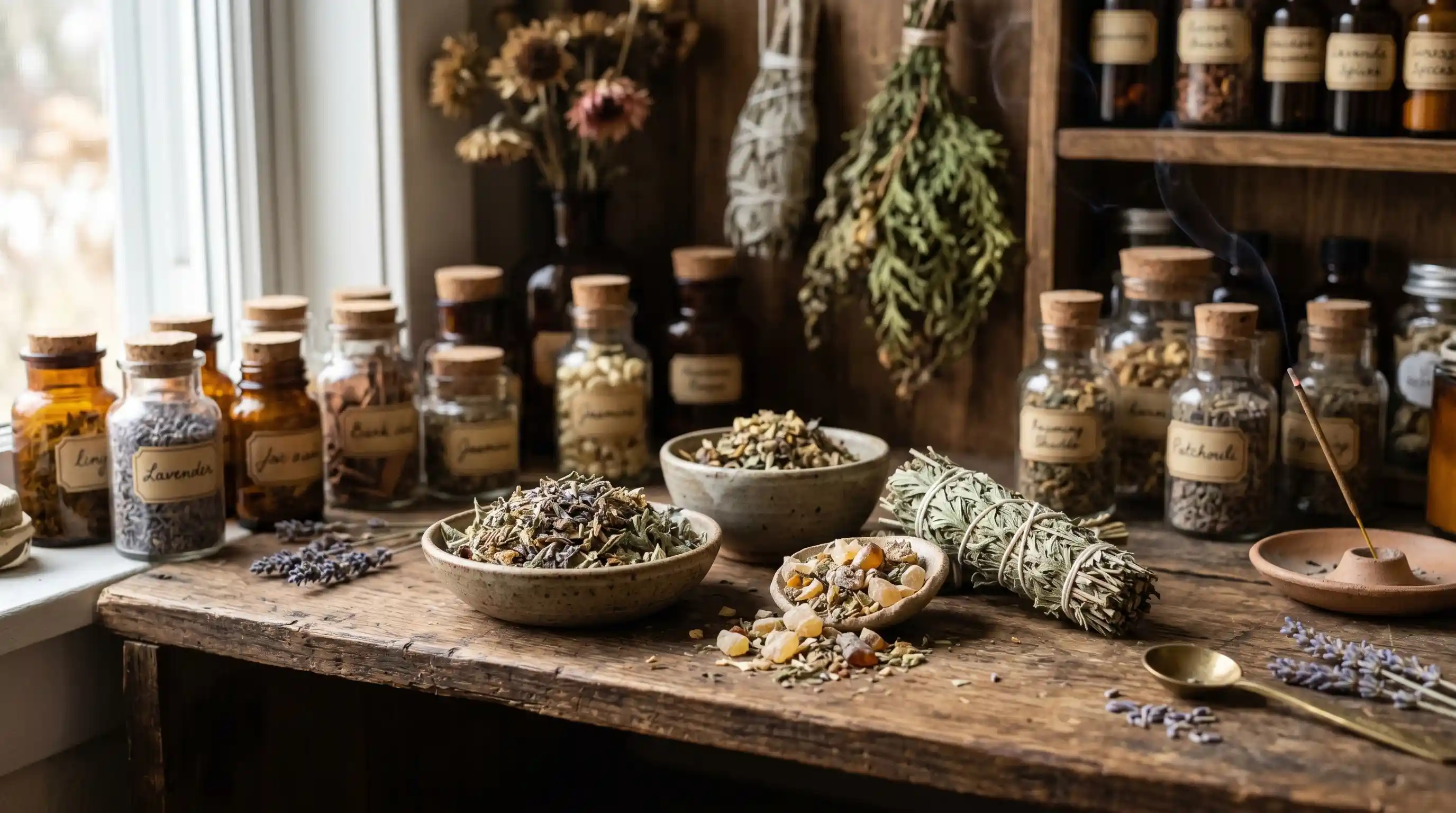
Herbal Incense

Definition
Aromatic plant materials sold in Dutch smartshops for burning or vaporizing, often containing herbs like damiana, mullein, or lavender. These products are marketed for their relaxing or mood-enhancing properties and are popular alternatives to tobacco. Many smartshops offer custom blends designed for specific effects or flavor profiles.
In Depth
Herbal incense refers to aromatic plant materials specifically prepared for burning or vaporizing, commonly sold in Dutch smartshops as natural alternatives to synthetic products or tobacco. These carefully curated blends typically contain a variety of botanical ingredients such as damiana, mullein, lavender, rose petals, chamomile, and other traditional herbs known for their pleasant aromas and potential relaxing properties. In the Netherlands' well-established smartshop culture, herbal incense occupies a unique position as both a practical product and a gateway to exploring natural botanicals. Dutch smartshops have developed sophisticated approaches to herbal incense, often creating custom blends tailored to specific purposes such as relaxation, meditation, or simply enjoying natural fragrances. These products are marketed primarily for their aromatic qualities and the ritual aspects of burning herbs, rather than for any psychoactive effects. The herbs used are typically chosen for their traditional associations with calm, focus, or pleasant scents, drawing from centuries of herbalism and aromatherapy practices. Many Dutch smartshops pride themselves on sourcing high-quality, organic herbs and creating unique proprietary blends that reflect their expertise in botanical products. The preparation methods can vary significantly, from simple dried herb mixtures to more complex formulations that may include essential oils or other natural additives to enhance the burning experience. Customers often appreciate herbal incense as a natural alternative to synthetic air fresheners or as part of meditation and relaxation practices. The Dutch smartshop scene has embraced herbal incense as part of a broader movement toward natural wellness products, with many shops offering educational resources about the traditional uses of various herbs. Quality herbal incense should burn evenly, produce pleasant aromas without harsh smoke, and be free from synthetic additives or unknown substances. The popularity of these products in Dutch smartshops reflects a growing interest in natural alternatives and the country's progressive approach to botanical products, making them accessible to both locals and international visitors seeking authentic herbal experiences.
Etymology
The term combines 'herbal,' derived from the Latin 'herbalis' meaning 'of or relating to herbs,' with 'incense,' from the Latin 'incendere' meaning 'to burn.' The modern usage specifically refers to plant-based aromatic materials prepared for burning.
Examples
“The smartshop offered a custom herbal incense blend containing damiana and lavender for evening relaxation.”
“Many visitors to Dutch smartshops purchase herbal incense as a natural alternative to synthetic air fresheners.”
“The herbalist recommended a mullein-based herbal incense for those seeking a smooth-burning, tobacco-free option.”
“Local smartshops often create signature herbal incense blends that reflect traditional Dutch botanical knowledge.”
“She burned herbal incense during her meditation practice, appreciating the natural chamomile and rose petal aroma.”
Common Misconceptions
All herbal incense products are psychoactive or contain synthetic compounds
Herbal incense is the same as traditional stick incense or synthetic air fresheners
Any dried plant material can be safely burned as herbal incense
Herbal incense products are unregulated and potentially dangerous in Dutch smartshops
Practical Tips
Always purchase herbal incense from reputable Dutch smartshops that provide clear ingredient lists and sourcing information.
Start with small amounts when trying new herbal incense blends to test for any sensitivities or allergic reactions.
Use proper ventilation when burning herbal incense and never leave burning materials unattended.
Ask smartshop staff about the specific herbs in blends and their traditional uses to make informed choices.
Store herbal incense in airtight containers away from moisture to maintain freshness and prevent mold growth.
Frequently Asked Questions
Is herbal incense legal in the Netherlands?▾
Yes, herbal incense made from natural plant materials is legal in the Netherlands when sold by licensed smartshops. These products contain traditional herbs and botanicals that are not controlled substances.
What herbs are commonly found in Dutch smartshop herbal incense?▾
Common ingredients include damiana, mullein, lavender, chamomile, rose petals, and various other aromatic herbs known for their pleasant scents and traditional uses in aromatherapy.
How do I use herbal incense safely?▾
Burn herbal incense in a well-ventilated area using appropriate holders or heat-resistant surfaces. Never leave burning incense unattended and ensure proper extinguishing after use.
Can herbal incense be used as a tobacco substitute?▾
Many people use certain herbal incense blends as tobacco alternatives, particularly those containing mullein or other smooth-burning herbs. However, consult with smartshop staff about specific blends designed for this purpose.
What's the difference between herbal incense and synthetic incense?▾
Herbal incense contains only natural plant materials, while synthetic incense may contain artificial fragrances or chemical compounds. Dutch smartshops typically focus on natural herbal products.
How should I store herbal incense?▾
Store herbal incense in airtight containers in a cool, dry place away from direct sunlight to maintain potency and prevent degradation of the natural materials.
Are there different types of herbal incense for different purposes?▾
Yes, Dutch smartshops often offer blends designed for specific purposes such as relaxation, meditation, or simply enjoying pleasant aromas. Each blend contains different combinations of herbs chosen for their traditional properties.
Can I make my own herbal incense blends?▾
While possible, it's recommended to purchase from experienced Dutch smartshops that understand proper herb combinations and safety considerations. They can also provide guidance on creating custom blends safely.