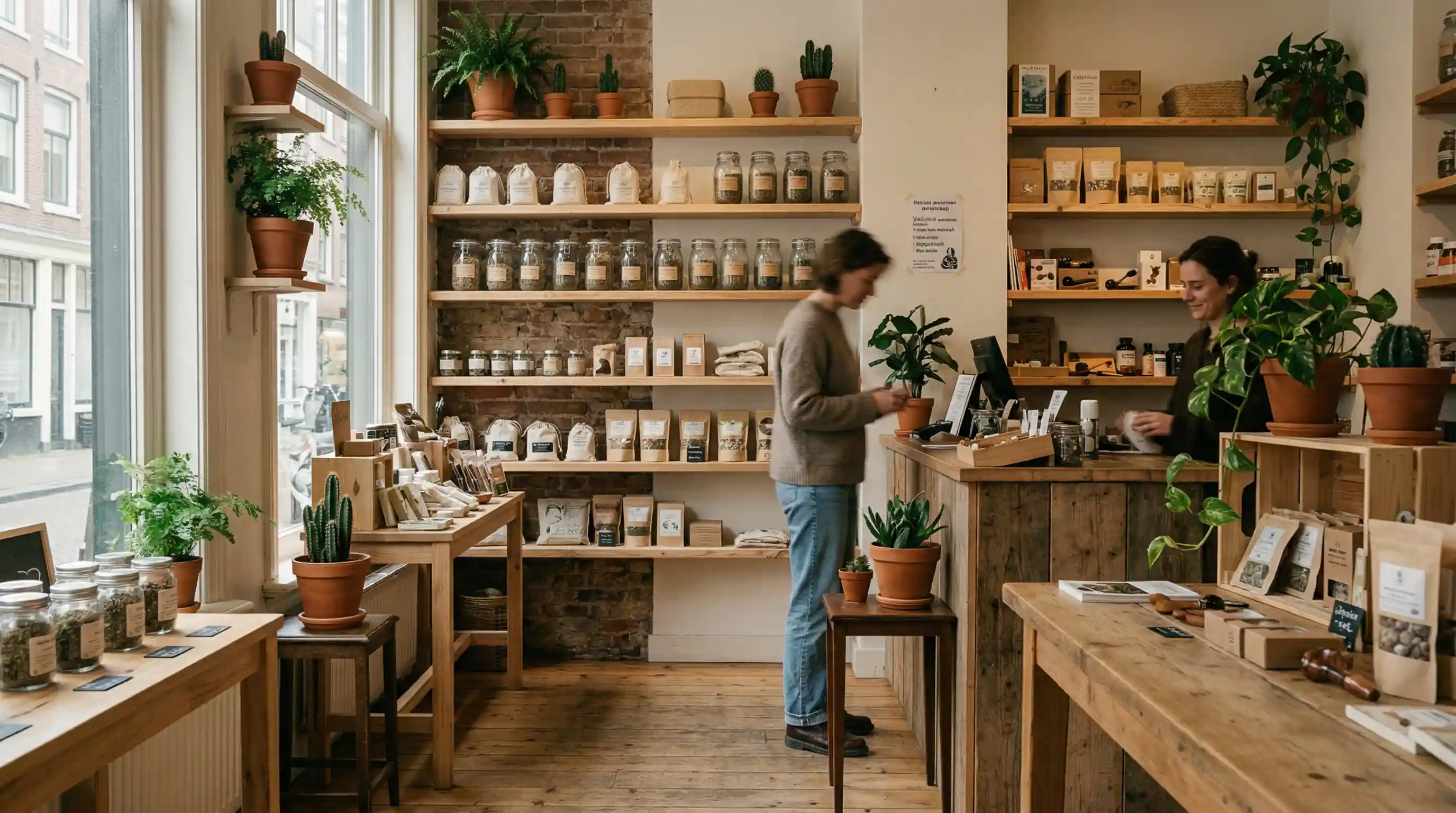
Coffeeshop

Definition
In the Netherlands, a licensed establishment where cannabis can be purchased and consumed. Not to be confused with a coffee shop (café). Coffeeshops operate under the gedoogbeleid tolerance policy.
In Depth
A coffeeshop in the Netherlands is a licensed retail establishment where cannabis products can be legally purchased and consumed on the premises, operating under the country's unique gedoogbeleid (tolerance policy). This distinctly Dutch institution should not be confused with a regular coffee shop or café that serves beverages and food. Coffeeshops represent a cornerstone of the Netherlands' pragmatic approach to drug policy, where cannabis remains technically illegal but is tolerated under strict regulatory conditions. These establishments emerged in the 1970s as part of a progressive harm reduction strategy that sought to separate the markets for soft and hard drugs, reducing criminal involvement and providing safer consumption environments. Coffeeshops must adhere to strict operational guidelines known as the AHOJ-G criteria: no advertising (Afficheren), no hard drugs (Harddrugs), no nuisance (Overlast), no sales to minors under 18 (Jongeren), and no sales exceeding 5 grams per person per day (Grote hoeveelheden). They also cannot sell alcohol or allow non-residents in border municipalities to purchase cannabis. The atmosphere in coffeeshops varies widely, from casual neighborhood spots to tourist-oriented establishments with elaborate interiors and extensive menus. Many feature comfortable seating areas, music, games, and sometimes food service, creating social spaces where cannabis culture can flourish openly. The menu typically includes various strains of cannabis flower, pre-rolled joints, hashish, and sometimes edibles, with knowledgeable staff (budtenders) available to guide customers through their options. While coffeeshops primarily focus on cannabis, they exist within the broader Dutch landscape of alternative consciousness and harm reduction that also encompasses smartshops, which sell legal psychoactive substances like psilocybin truffles and ethnobotanicals. This interconnected culture of tolerance has made the Netherlands a global destination for those interested in exploring consciousness-altering substances in a regulated, safer environment. The coffeeshop system has influenced drug policy discussions worldwide and remains a unique example of how societies can manage controlled substances through regulation rather than prohibition. For visitors to the Netherlands, coffeeshops offer an opportunity to experience cannabis in a legal, social setting while contributing to local businesses that operate transparently within established legal frameworks.
Etymology
The term 'coffeeshop' in this context originated in the 1970s Netherlands as a euphemistic name for cannabis retail establishments, deliberately chosen to sound innocuous and distinguish them from traditional coffee houses. The name stuck as these venues became institutionalized within Dutch drug policy.
Examples
“The famous coffeeshop Bulldog in Amsterdam has been serving customers since 1975 and helped establish the modern coffeeshop culture.”
“Unlike smartshops that sell legal psychedelics, coffeeshops specifically focus on cannabis products under the gedoogbeleid policy.”
“Many tourists visit Amsterdam's coffeeshops to experience legal cannabis consumption in a social setting.”
“Each coffeeshop maintains its own unique atmosphere, from cozy neighborhood spots to elaborate themed establishments.”
“The coffeeshop owner explained the difference between sativa and indica strains to help customers make informed choices.”
Common Misconceptions
Coffeeshops are the same as regular coffee shops or cafés that serve beverages
Cannabis is completely legal in the Netherlands when it's actually tolerated under specific conditions
All coffeeshops are tourist traps when many serve local communities as neighborhood establishments
You can buy unlimited amounts of cannabis when there's actually a 5-gram daily limit per person
Practical Tips
Bring valid ID as coffeeshops are required to check age and some have residency restrictions
Start with small amounts if you're inexperienced, as Dutch cannabis can be quite potent
Ask budtenders for recommendations based on your experience level and desired effects
Respect the no-smoking areas and house rules, as each coffeeshop has its own policies
Consider visiting both tourist-oriented and local neighborhood coffeeshops for different experiences
Frequently Asked Questions
What's the difference between a coffeeshop and a coffee shop in the Netherlands?▾
A coffeeshop sells cannabis products and operates under special licensing, while a coffee shop (or café) serves beverages and food. The terms are completely different despite the similar spelling.
Can tourists buy cannabis in Dutch coffeeshops?▾
Yes, tourists can purchase cannabis in most coffeeshops throughout the Netherlands, except in some border municipalities where local policies restrict sales to residents only. Always bring valid identification.
How much cannabis can you buy at a coffeeshop?▾
Coffeeshops can sell a maximum of 5 grams of cannabis per person per day. This limit is strictly enforced as part of the AHOJ-G criteria that govern coffeeshop operations.
Are coffeeshops legal in the Netherlands?▾
Coffeeshops operate under the gedoogbeleid tolerance policy, meaning cannabis sales are technically illegal but officially tolerated under strict conditions. They must follow specific regulations to maintain their operating licenses.
Can you consume cannabis outside of coffeeshops in the Netherlands?▾
While personal use is tolerated, public consumption is generally discouraged and can result in fines. Most cannabis consumption should occur within coffeeshops or private residences to avoid legal issues.
Do coffeeshops sell other drugs besides cannabis?▾
No, coffeeshops are strictly prohibited from selling hard drugs or any substances other than cannabis products. This separation is a key principle of Dutch drug policy.
What should first-time visitors expect at a Dutch coffeeshop?▾
Expect a casual, social atmosphere with knowledgeable staff who can explain different cannabis strains and products. Most coffeeshops have comfortable seating areas and may offer drinks or snacks alongside cannabis products.
How do coffeeshops relate to smartshops in Dutch culture?▾
Both represent the Netherlands' progressive approach to consciousness-altering substances, with coffeeshops focusing on cannabis under tolerance policies while smartshops sell legal psychoactive substances like psilocybin truffles and ethnobotanicals.