History of Magic Truffles in the Netherlands
Key Takeaways
- ✓Magic mushrooms were legal in the Netherlands until 2008, when they were banned following several high-profile tourist incidents
- ✓Magic truffles (sclerotia) remain legal due to a legislative oversight - they weren't specifically mentioned in the 2008 mushroom ban despite containing identical psychoactive compounds
- ✓The Dutch smartshop industry successfully adapted to the mushroom ban by transitioning to magic truffle sales, maintaining legal access to psilocybin
- ✓The Netherlands has become a global destination for psychedelic tourism, with magic truffles attracting visitors from countries where psilocybin is prohibited
- ✓The current legal status exists within a complex regulatory framework and could potentially change based on future political decisions or incidents
- ✓The Dutch approach to magic truffles exemplifies harm reduction philosophy and serves as a model for progressive drug policy worldwide
Introduction
The Netherlands has long been synonymous with progressive drug policies and a pragmatic approach to psychoactive substances. Among the most fascinating chapters in this story is the legal status of magic truffles, which remain one of the few naturally occurring psychedelics that can be legally purchased and consumed in the country. Understanding this history provides valuable insight into Dutch drug policy and the unique position magic truffles hold today.
The journey of magic truffles from underground fungi to legally available psychedelics represents a perfect storm of botanical technicalities, legislative oversight, and the Dutch commitment to harm reduction. This unique situation has made the Netherlands a global destination for psychedelic tourism and positioned Dutch smartshops at the forefront of the legal psychedelic renaissance.
The Golden Age of Magic Mushrooms (1980s-2008)
The story of magic truffles in the Netherlands begins with their more famous cousins: magic mushrooms. Throughout the 1980s and 1990s, psilocybin-containing mushrooms were legal to purchase and consume in the Netherlands. This period saw the emergence of smartshops across Dutch cities, particularly in Amsterdam, where tourists and locals alike could legally explore psychedelic experiences.
During this golden age of psychedelic tolerance, magic mushrooms were sold fresh in smartshops, headshops, and even some regular stores. The Dutch government's approach was based on their harm reduction philosophy, which prioritized public health and safety over prohibition. This policy framework allowed for the controlled sale of various psychoactive substances under specific conditions.
The smartshop industry flourished during this period, with establishments offering not just magic mushrooms but a wide array of natural psychoactive substances. These shops became cultural hubs where experienced staff could provide guidance on safe usage, dosing, and harm reduction practices. The open availability of psilocybin mushrooms attracted researchers, spiritual seekers, and curious tourists from around the world.
The legal framework during this era was built on the principle of gedoogbeleid, or tolerance policy, which allowed for the controlled distribution of substances that weren't explicitly prohibited. This approach recognized that complete prohibition often led to more harm than regulated availability, a philosophy that extended beyond psychedelics to cannabis and other substances.
The 2008 Ban and Its Aftermath
However, the legal landscape changed dramatically in 2008. Following several high-profile incidents involving tourists who had consumed magic mushrooms, including tragic accidents and erratic behavior, public pressure mounted for stricter regulations. The Dutch government responded by banning the sale of fresh and dried psilocybin mushrooms, effectively ending their legal availability.
The incidents that led to the ban were tragic and well-publicized. A French teenager jumped from a bridge in Amsterdam after consuming magic mushrooms, and several other cases of erratic behavior by tourists made international headlines. These events created a media storm that put pressure on Dutch politicians to take action, despite the relatively low number of incidents compared to the millions of doses consumed safely over the years.
The ban was implemented through an amendment to the Opium Act, which classified psilocybin-containing mushrooms as controlled substances. The legislation was rushed through parliament with relatively little debate about the scientific evidence or the effectiveness of prohibition as a policy tool. Many advocates argued that better education and regulation, rather than outright prohibition, would have been more effective in preventing future incidents.
The immediate aftermath of the ban was significant for the smartshop industry. Many shops that had relied heavily on mushroom sales faced financial difficulties, and some were forced to close. The tourist industry in Amsterdam also felt the impact, as magic mushroom tourism had been a significant draw for visitors from around the world.
The Legal Loophole: Enter Magic Truffles
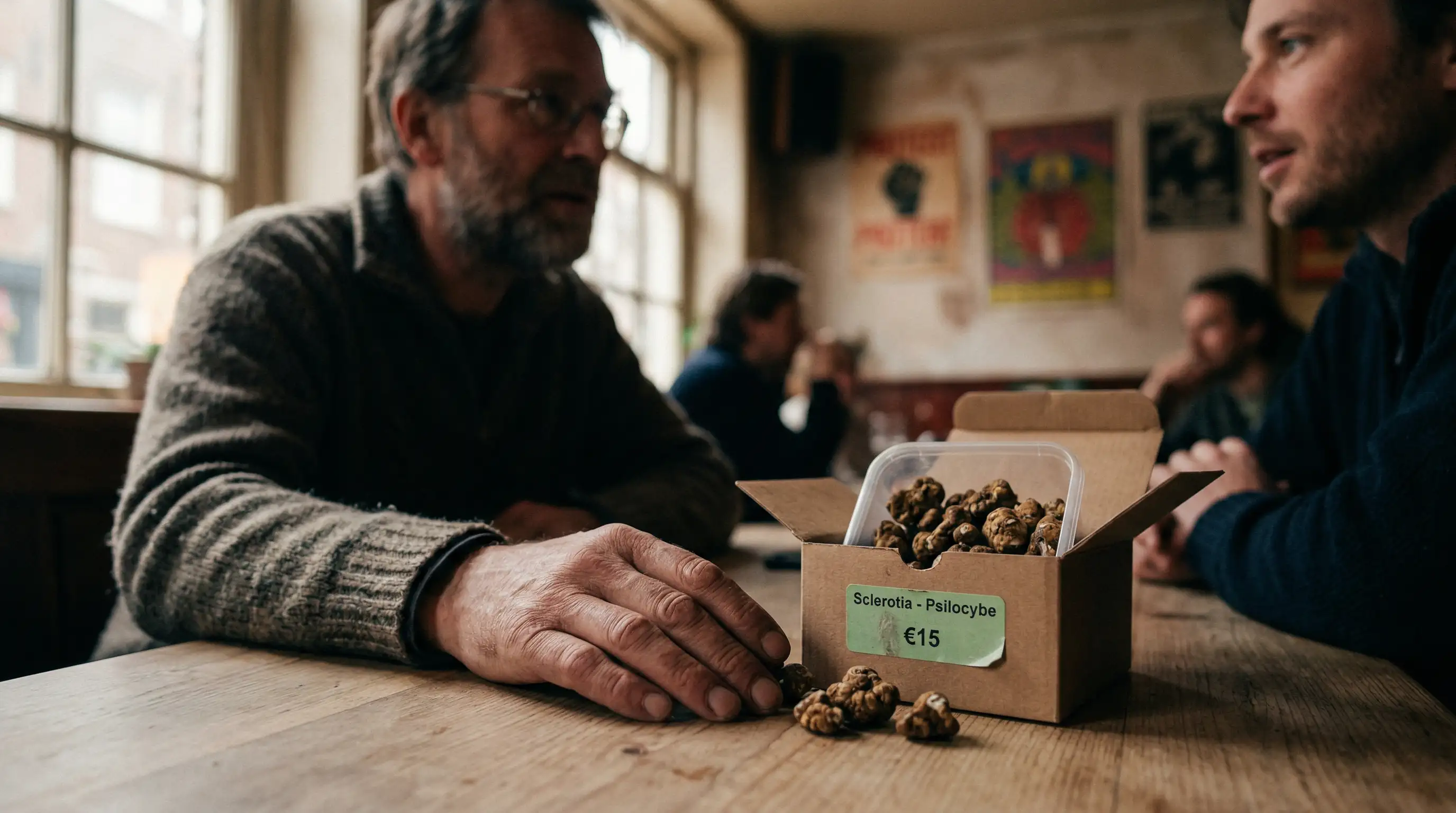
This is where the story takes an interesting botanical turn. While magic mushrooms were banned, lawmakers overlooked a crucial detail: the underground portions of the same fungi, known as sclerotia or magic truffles, were not explicitly mentioned in the legislation. These sclerotia are essentially the same organism as magic mushrooms, containing identical psychoactive compounds, primarily psilocybin and psilocin.
Sclerotia are the hardened masses of mycelium that certain psilocybin-containing fungi produce as a survival mechanism. When environmental conditions become unfavorable, these fungi form these compact, nutrient-rich structures that can remain dormant underground for extended periods. When conditions improve, the sclerotia can give rise to new mushroom fruiting bodies.
The legal distinction between mushrooms and truffles was purely technical and based on botanical classification rather than pharmacological differences. Both contain the same active compounds in similar concentrations, produce identical effects, and carry the same safety profile. However, because the 2008 legislation specifically targeted "mushrooms" and their scientific names, sclerotia fell through the legal cracks.
Smart entrepreneurs and legal experts quickly recognized this loophole. Within months of the mushroom ban, magic truffles began appearing in smartshops across the Netherlands. The transition wasn't seamless – suppliers had to develop new cultivation methods, and consumers had to adapt to a different product form – but the psychedelic market found a way to continue operating within the legal framework.
The Science Behind Magic Truffles
To understand why magic truffles remain legal while mushrooms are banned, it's essential to grasp the biology of psilocybin-containing fungi. These organisms exist primarily as underground networks of thread-like structures called mycelium. Under normal conditions, this mycelium produces mushrooms as reproductive structures designed to spread spores.
However, when faced with stress or unfavorable conditions, many species of psilocybin fungi can form sclerotia. These structures serve as the fungus's insurance policy, storing nutrients and genetic material in a compact, durable form. The sclerotia can survive harsh conditions that would kill the delicate mushroom fruiting bodies, remaining viable for months or even years.
The psilocybin content in magic truffles is typically comparable to that found in mushrooms from the same species, though it can vary based on growing conditions, storage methods, and the specific strain. Popular truffle varieties available in Dutch smartshops include Psilocybe tampanensis (Philosopher's Stones), Psilocybe mexicana (Mexicana), and Psilocybe atlantis (Atlantis), each with slightly different potency levels and effect profiles.
From a pharmacological perspective, consuming magic truffles produces effects virtually identical to those of magic mushrooms. The onset, duration, and intensity of the experience depend on factors such as dosage, individual metabolism, stomach contents, and set and setting – the same variables that influence mushroom experiences.
Modern Smartshop Culture and Magic Truffles
Today's Dutch smartshop scene has evolved significantly since the mushroom ban. Modern smartshops have become sophisticated retail environments that prioritize education, safety, and responsible use. Staff members are typically well-trained in the effects and proper use of various psychoactive substances, including magic truffles.
The presentation and packaging of magic truffles have also evolved. Unlike the informal sales methods of the mushroom era, truffles are now sold in professional packaging with detailed information about dosing, effects, and safety precautions. Many smartshops provide comprehensive guides and even offer consultation services to help customers choose appropriate products and dosages.
The customer base for magic truffles includes both tourists and Dutch residents. While psychedelic tourism remains significant, there's also a growing domestic market of individuals interested in personal development, spiritual exploration, and therapeutic applications. The recent renaissance in psychedelic research has brought new legitimacy to these substances and attracted a more diverse user base.
Smart shops have also diversified their offerings beyond magic truffles. Many now carry a wide range of natural psychoactive substances, including kratom, salvia divinorum, and various ethnobotanicals. This diversification has helped the industry remain resilient and continue serving the community's needs for consciousness-expanding substances.
International Impact and Psychedelic Tourism
The unique legal status of magic truffles in the Netherlands has had significant international implications. The country has become a destination for "psychedelic tourism," attracting visitors from around the world who cannot legally access these substances in their home countries. This has created a thriving industry that extends beyond smartshops to include guided retreat centers, integration services, and specialized accommodation.
Psychedelic tourism has also contributed to the Netherlands' reputation as a progressive, forward-thinking nation. The country's approach to drug policy, exemplified by the legal status of magic truffles, is often cited in international discussions about drug law reform. Researchers, policymakers, and advocates from other countries frequently study the Dutch model as a potential template for their own jurisdictions.
The economic impact of psychedelic tourism is substantial. Visitors don't just purchase truffles; they also spend money on accommodation, food, transportation, and other tourist activities. Amsterdam, in particular, has benefited from this influx of visitors, though it has also created challenges related to overtourism and public order.
However, the concentration of psychedelic tourism in certain areas has also led to some problems. Some neighborhoods in Amsterdam have experienced issues with inexperienced users consuming truffles in inappropriate settings, leading to public disturbances and safety concerns. This has prompted ongoing discussions about how to better manage psychedelic tourism while preserving access to these substances.
Current Legal Framework and Regulation
The current legal status of magic truffles in the Netherlands exists within a complex regulatory framework. While the truffles themselves are legal to possess and consume, their sale is regulated through various mechanisms. Smartshops must obtain proper licenses, follow specific storage and handling requirements, and comply with age restrictions and other consumer protection measures.
The Dutch government has maintained its position that magic truffles remain legal due to the specific wording of the 2008 legislation. However, this status is not guaranteed to continue indefinitely. There have been periodic discussions about potentially extending the mushroom ban to include truffles, particularly following incidents involving tourists or changes in political leadership.
The regulation of magic truffles also intersects with broader European Union drug policy. While individual EU member states maintain sovereignty over their drug laws, there is ongoing pressure for harmonization of drug policies across the union. The Netherlands' unique position on magic truffles sometimes creates tension with other EU countries that maintain stricter prohibition policies.
Local municipalities also play a role in regulating the magic truffle trade. While the substances remain legal at the national level, individual cities can impose additional restrictions on where and how they can be sold. Some tourist-heavy areas have implemented zoning restrictions or additional licensing requirements for smartshops.
The Future of Magic Truffles in Dutch Policy
Looking ahead, the future of magic truffles in the Netherlands remains somewhat uncertain. The current legal status depends on the continued interpretation of the 2008 legislation and the political will to maintain the status quo. Several factors could potentially influence future policy decisions.
The growing body of scientific research on psilocybin's therapeutic potential could strengthen the case for maintaining legal access to magic truffles. Studies showing promising results for treating depression, PTSD, and other mental health conditions have brought new legitimacy to these substances and could influence policy discussions.
Conversely, any high-profile incidents involving magic truffles could potentially trigger policy reviews, similar to what happened with mushrooms in 2008. The smartshop industry and advocacy groups are acutely aware of this risk and have invested heavily in promoting responsible use and harm reduction practices.
The international trend toward psychedelic decriminalization and medicalization could also influence Dutch policy. As other countries begin to reconsider their approaches to psychedelics, the Netherlands may face pressure to either maintain its progressive stance or align more closely with international norms.
Conclusion
The history of magic truffles in the Netherlands represents a fascinating case study in drug policy, legal technicalities, and the unintended consequences of prohibition. What began as a legislative oversight has evolved into a unique legal framework that allows for the continued availability of psilocybin-containing substances in one of the world's most progressive drug policy environments.
This history demonstrates the complexity of drug regulation and the challenges of crafting effective policies around psychoactive substances. The Dutch experience with magic truffles offers valuable lessons for other jurisdictions considering drug law reform and highlights the importance of evidence-based policy making.
As the global conversation around psychedelics continues to evolve, the Netherlands' approach to magic truffles remains a unique experiment in harm reduction and pragmatic drug policy. Whether this status quo will continue depends on various political, social, and scientific factors, but the Dutch experience has already contributed significantly to our understanding of how societies can approach psychoactive substances in more nuanced and effective ways.
Tags
Frequently Asked Questions
Are magic truffles the same as magic mushrooms?▾
Magic truffles and magic mushrooms are different parts of the same organism and contain identical psychoactive compounds (psilocybin and psilocin). Truffles are the underground sclerotia that fungi produce as survival structures, while mushrooms are the above-ground fruiting bodies. The effects are virtually identical.
Why are magic truffles legal in the Netherlands but mushrooms are banned?▾
Magic truffles remain legal due to a legislative oversight in the 2008 law that banned magic mushrooms. The legislation specifically targeted mushrooms and their scientific names but failed to mention sclerotia (truffles), creating a legal loophole that continues today.
Can tourists legally buy magic truffles in Dutch smartshops?▾
Yes, tourists can legally purchase magic truffles from licensed smartshops in the Netherlands. However, they must be 18 or older and should be aware that taking truffles back to their home country may be illegal depending on local laws.
What led to the ban on magic mushrooms in 2008?▾
The ban was implemented following several high-profile incidents involving tourists who had consumed magic mushrooms, including tragic accidents and erratic behavior. Public pressure and media attention prompted the Dutch government to prohibit fresh and dried psilocybin mushrooms.
How do Dutch smartshops ensure safe use of magic truffles?▾
Modern Dutch smartshops prioritize education and harm reduction by providing detailed information about dosing, effects, and safety precautions. Staff are typically well-trained and offer consultation services to help customers choose appropriate products and understand responsible use practices.
Could magic truffles be banned in the future?▾
While currently legal, the status of magic truffles could potentially change through new legislation. The Dutch government could extend the mushroom ban to include truffles, particularly if there are high-profile incidents or significant political pressure.
What types of magic truffles are available in Dutch smartshops?▾
Popular varieties include Psilocybe tampanensis (Philosopher's Stones), Psilocybe mexicana (Mexicana), and Psilocybe atlantis (Atlantis). Each variety has slightly different potency levels and effect profiles, with professional packaging providing detailed information about dosing and effects.
How has the magic truffle industry impacted Dutch tourism?▾
Magic truffles have created a significant psychedelic tourism industry, attracting visitors from around the world to the Netherlands. This has contributed substantially to the economy, particularly in Amsterdam, though it has also created some challenges related to overtourism and public order management.