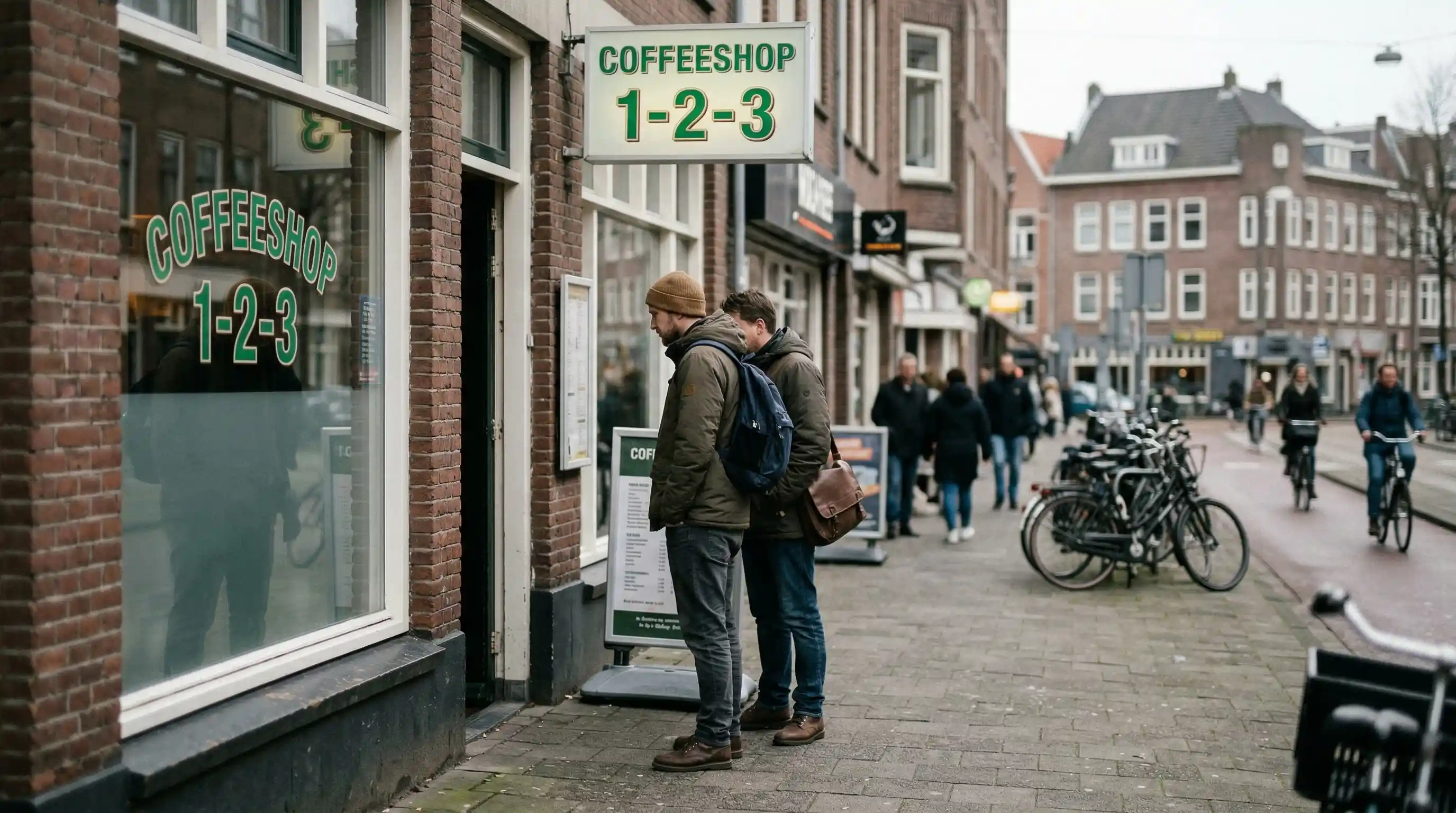
Best Dutch Cities for Cannabis Tourism Beyond Amsterdam
Key Takeaways
- ✓Rotterdam offers modern cannabis culture with world-class architecture, excellent public transport, and less crowded coffeeshops than Amsterdam
- ✓The Hague combines political sophistication with established cannabis culture, plus easy access to Scheveningen beach for seaside relaxation
- ✓Utrecht provides intimate medieval charm with university energy, perfect for walking tours combining history and cannabis culture
- ✓Maastricht's border location creates unique international cannabis culture influenced by Belgian and German visitors
- ✓All Dutch cities operate under the same gedoogbeleid tolerance policy, ensuring consistent quality and legal framework nationwide
- ✓Alternative destinations offer more authentic local experiences, better value accommodation, and insights into everyday Dutch cannabis culture
Introduction
While Amsterdam remains the most famous destination for cannabis tourism in the Netherlands, the country offers numerous other cities where visitors can enjoy a more authentic and less crowded experience. These alternative destinations provide unique insights into Dutch cannabis culture while offering their own distinct charm and attractions, often at more reasonable prices and with a more relaxed atmosphere than the bustling capital.
The Netherlands' tolerant approach to cannabis, known as the gedoogbeleid (tolerance policy), extends throughout the country, making it possible to explore cannabis culture in various Dutch cities. Each location offers its own character, from historic university towns to modern urban centers, providing diverse experiences for cannabis enthusiasts seeking to understand the broader context of Dutch cannabis culture beyond the tourist-heavy coffeeshops of Amsterdam's city center.
Understanding Dutch Cannabis Policy
Before exploring these alternative destinations, it's essential to understand the legal framework that makes cannabis tourism possible throughout the Netherlands. The gedoogbeleid represents a pragmatic approach where cannabis remains technically illegal but is tolerated under specific circumstances. This policy applies nationwide, meaning licensed coffeeshops in any Dutch city operate under the same basic principles: they can sell small quantities of cannabis to adults, maintain certain standards, and operate within designated areas.
This uniform approach means that whether you're in Amsterdam, Rotterdam, or a smaller city like Maastricht, the fundamental experience of visiting a coffeeshop remains consistent. However, each city brings its own cultural context, local regulations, and community atmosphere that significantly influences the overall experience.
Rotterdam: Modern Cannabis Culture
Rotterdam stands out as a modern metropolis with a thriving cannabis scene that reflects the city's innovative spirit. As the Netherlands' second-largest city, Rotterdam offers numerous coffeeshops alongside world-class architecture and cultural attractions. The city's complete reconstruction after World War II has created a unique urban landscape that serves as a contemporary backdrop for cannabis tourism.
The city's Markthal, with its stunning ceiling artwork and diverse food offerings, provides an excellent starting point for cannabis tourists. After visiting a coffeeshop, the covered market offers an ideal place to satisfy any resulting appetite with international cuisine. Popular coffeeshops like The Grass Company and Coffeeshop Rotterdam offer quality products in relaxed environments, often with more space and less crowding than their Amsterdam counterparts.
Rotterdam's excellent public transportation system, including metros, trams, and buses, makes it easy to explore different neighborhoods and their unique coffeeshop offerings. The Kralingen district, known for its parks and student population, offers a more laid-back atmosphere, while the city center provides urban sophistication. The port area, though primarily industrial, showcases Rotterdam's role as Europe's largest port and adds an interesting dimension to cannabis tourism.
The city's commitment to modern architecture means that many coffeeshops occupy interesting spaces, from converted warehouses to purpose-built modern facilities. This architectural diversity reflects Rotterdam's broader character as a city that embraces innovation and change, making it an ideal destination for cannabis tourists seeking a contemporary Dutch experience.
The Hague: Political Capital Meets Cannabis Culture
The Hague presents a fascinating contrast between political formality and cannabis tolerance. As the seat of the Dutch government and home to international courts, this sophisticated city demonstrates how cannabis culture integrates into mainstream Dutch society. The presence of government buildings, embassies, and international organizations alongside functioning coffeeshops illustrates the normalized status of cannabis in Dutch culture.
Several well-established coffeeshops, including Cremers and De Kade, have served locals and tourists for decades, developing loyal customer bases and refined product selections. These establishments often feature more mature clienteles compared to Amsterdam's tourist-focused venues, providing insights into how cannabis fits into everyday Dutch life.
The Hague's proximity to the beach at Scheveningen adds another dimension to the cannabis tourism experience. The seaside resort, just a short tram ride from the city center, allows visitors to combine seaside relaxation with their cannabis activities. The beach's expansive dunes and coastal walks provide natural settings for reflection and enjoyment, particularly during sunset hours.
The city's numerous museums, including the Mauritshuis with its collection of Dutch Golden Age paintings, offer cultural activities that complement cannabis tourism. The combination of world-class art, political significance, and accessible cannabis culture makes The Hague a sophisticated choice for discerning cannabis tourists.
Utrecht: Medieval Charm and University Culture
Utrecht, with its medieval city center and prestigious university, offers a more intimate cannabis experience that combines historical atmosphere with academic energy. The city's compact size makes it perfect for walking tours that combine historical sightseeing with coffeeshop visits, allowing tourists to experience centuries of Dutch history alongside contemporary cannabis culture.
The city's famous Dom Tower, visible from throughout Utrecht, serves as a landmark for navigation between various coffeeshops and attractions. The canal system, unique for its wharf-level terraces, creates atmospheric settings for outdoor cannabis consumption where permitted. These terraces, originally used for loading and unloading goods, now house restaurants, cafes, and cultural venues that complement the cannabis tourism experience.
Utrecht's large student population ensures a vibrant nightlife and cultural scene that extends beyond cannabis tourism. The city's numerous festivals, concerts, and cultural events provide additional attractions for visitors. University areas often feature coffeeshops with younger, more international clienteles, while older parts of the city offer more traditional Dutch cannabis culture experiences.
The city's central location in the Netherlands makes it an excellent base for exploring other destinations, with excellent train connections to Amsterdam, The Hague, and other cities. This connectivity allows cannabis tourists to experience multiple Dutch cities during a single trip.
Maastricht: Border Town Cannabis Culture
Maastricht, located in the far south near the Belgian and German borders, offers a unique perspective on Dutch cannabis culture influenced by its international location. The city's position has created a distinctive atmosphere where Dutch tolerance meets international influences, resulting in a cannabis scene that serves both locals and visitors from neighboring countries.
The historic city center, with its Roman ruins and medieval architecture, provides a dramatic backdrop for cannabis tourism. The contrast between ancient history and modern cannabis culture illustrates the evolution of Dutch society and its approach to drug policy. Several coffeeshops operate within walking distance of major historical attractions, allowing for integrated cultural and cannabis experiences.
Maastricht's role as a border city means its coffeeshops often serve international clienteles, creating multicultural environments where visitors can interact with people from various European countries. This international character extends to the product selections, with some establishments offering varieties and preparations influenced by neighboring countries' preferences.
The city's compact size and pedestrian-friendly center make it ideal for cannabis tourists who prefer walking to public transportation. The Maas River, flowing through the city center, provides scenic routes for post-consumption walks and reflection.
Groningen: Northern Cannabis Culture
Groningen, the largest city in the northern Netherlands, offers cannabis tourism with a distinctly northern Dutch character. The city's large student population, centered around the University of Groningen, creates a youthful, energetic atmosphere that influences the local cannabis scene. Coffeeshops here often cater to younger demographics while maintaining the quality and standards expected throughout the Netherlands.
The city's relative isolation from major tourist routes means visitors experience more authentic local culture. Coffeeshops serve primarily locals and regional visitors rather than international tourists, providing insights into how cannabis integrates into everyday Dutch life outside major tourist centers.
Groningen's compact city center, largely pedestrianized, makes it easy to explore multiple coffeeshops and attractions on foot. The city's numerous parks and green spaces provide natural settings for outdoor activities that complement cannabis tourism.
Practical Considerations for Cannabis Tourism
When exploring Dutch cities for cannabis tourism, several practical considerations enhance the experience. Transportation between cities is excellent, with frequent train services connecting major destinations. The OV-chipkaart (public transport card) works throughout the country, making inter-city travel convenient.
Accommodation options vary significantly between cities, with Amsterdam commanding premium prices while other destinations offer better value. Many hotels and hostels throughout the Netherlands accommodate cannabis tourists, though smoking policies vary by establishment.
Each city's coffeeshops operate under local regulations that may differ slightly from Amsterdam's rules. Some cities have implemented additional restrictions on tourist access or operating hours, making advance research advisable.
Cultural Integration and Respect
Successful cannabis tourism in Dutch cities requires understanding and respecting local cultures and customs. While cannabis is tolerated, public consumption outside designated areas remains problematic. Each city has its own social norms regarding cannabis use, and observing local behavior provides guidance for appropriate conduct.
Interacting respectfully with coffeeshop staff and other customers enhances the experience and contributes to positive perceptions of cannabis tourism. Many establishments appreciate customers who show genuine interest in cannabis culture rather than treating coffeeshops merely as novelties.
Conclusion
Exploring Dutch cities beyond Amsterdam for cannabis tourism reveals the depth and diversity of the Netherlands' cannabis culture. Each destination offers unique perspectives on how cannabis integrates into Dutch society, from Rotterdam's modern urbanity to Utrecht's medieval charm, The Hague's political sophistication, and Maastricht's international character. These alternative destinations provide more authentic, less crowded, and often more affordable experiences while maintaining the quality and tolerance that make the Netherlands a premier cannabis tourism destination.
The key to successful cannabis tourism in these cities lies in approaching each destination with curiosity about local culture, respect for community norms, and appreciation for the unique character each place brings to the broader Dutch cannabis experience. By venturing beyond Amsterdam, cannabis tourists gain deeper insights into Dutch society and discover that the country's famous tolerance extends far beyond its capital city.
Tags
Frequently Asked Questions
Are coffeeshops legal in all Dutch cities or just Amsterdam?▾
Coffeeshops operate legally throughout the Netherlands under the gedoogbeleid (tolerance policy). While Amsterdam is most famous, cities like Rotterdam, The Hague, Utrecht, and Maastricht all have licensed coffeeshops operating under the same national framework.
Which Dutch city has the best coffeeshops outside of Amsterdam?▾
Rotterdam and The Hague are considered top alternatives, offering high-quality coffeeshops with less tourist crowding. Rotterdam provides modern urban culture while The Hague offers sophisticated atmosphere with established venues like Cremers and De Kade.
Can tourists visit coffeeshops in smaller Dutch cities?▾
Yes, tourists can visit coffeeshops in any Dutch city where they operate legally. Some smaller cities may have fewer options, but the same tolerance policy applies nationwide, making cannabis tourism possible throughout the Netherlands.
Are cannabis prices cheaper outside Amsterdam?▾
Generally yes, coffeeshops in cities like Utrecht, Groningen, and Maastricht often offer more competitive prices than Amsterdam's tourist-focused establishments. Local competition and lower overhead costs contribute to better value for cannabis tourists.
What's the best way to travel between Dutch cities for cannabis tourism?▾
The Dutch railway system (NS) provides excellent connections between all major cities, with frequent trains and the convenient OV-chipkaart for seamless travel. Most journeys between cities take 1-3 hours, making multi-city cannabis tourism very feasible.
Do Dutch cities outside Amsterdam have different cannabis laws?▾
The basic legal framework is identical nationwide, but some cities may have additional local regulations regarding operating hours, tourist access, or location restrictions. It's advisable to check local coffeeshop policies when visiting new cities.
Which Dutch city is best for first-time cannabis tourists?▾
Utrecht is excellent for beginners due to its compact size, walkable center, and mix of university culture with historical charm. The city offers a more relaxed introduction to Dutch cannabis culture without Amsterdam's overwhelming tourist atmosphere.
Can you consume cannabis in public spaces in Dutch cities?▾
Public cannabis consumption is generally not permitted in any Dutch city, though enforcement varies. Most coffeeshops provide consumption areas, and some cities have designated outdoor spaces. Always check local regulations and observe local customs.