Guide
Growing Legal Herbs at Home in the Netherlands
April 7, 2026by Smartshop.nl Editorial5 min read
Growing your own legal herbs at home has become increasingly popular among Dutch enthusiasts seeking natural alternatives and sustainable living practices. The Netherlands, with its progressive approach to plant cultivation and favorable climate conditions, offers an ideal environment for cultivating a diverse range of legal botanical specimens. Whether you're a resident of Amsterdam, Rotterdam, or any other Dutch city, this comprehensive guide will help you navigate the world of home herb cultivation while staying within legal boundaries.
Understanding Dutch Regulations for Home Cultivation
Before diving into specific growing techniques, it's crucial to understand the legal framework surrounding plant cultivation in the Netherlands. The Dutch government maintains clear distinctions between legal and controlled substances, and most traditional herbs fall well within legal boundaries for personal cultivation. Cities like Utrecht and The Hague have seen growing communities of urban gardeners embracing legal herb cultivation as both a hobby and a connection to natural wellness practices.
The Dutch climate, characterized by mild summers and moderate rainfall, creates excellent conditions for many herb species. However, indoor cultivation often provides better control over growing conditions, especially during the cooler months from October through March.
Blue Lotus: The Sacred Water Lily
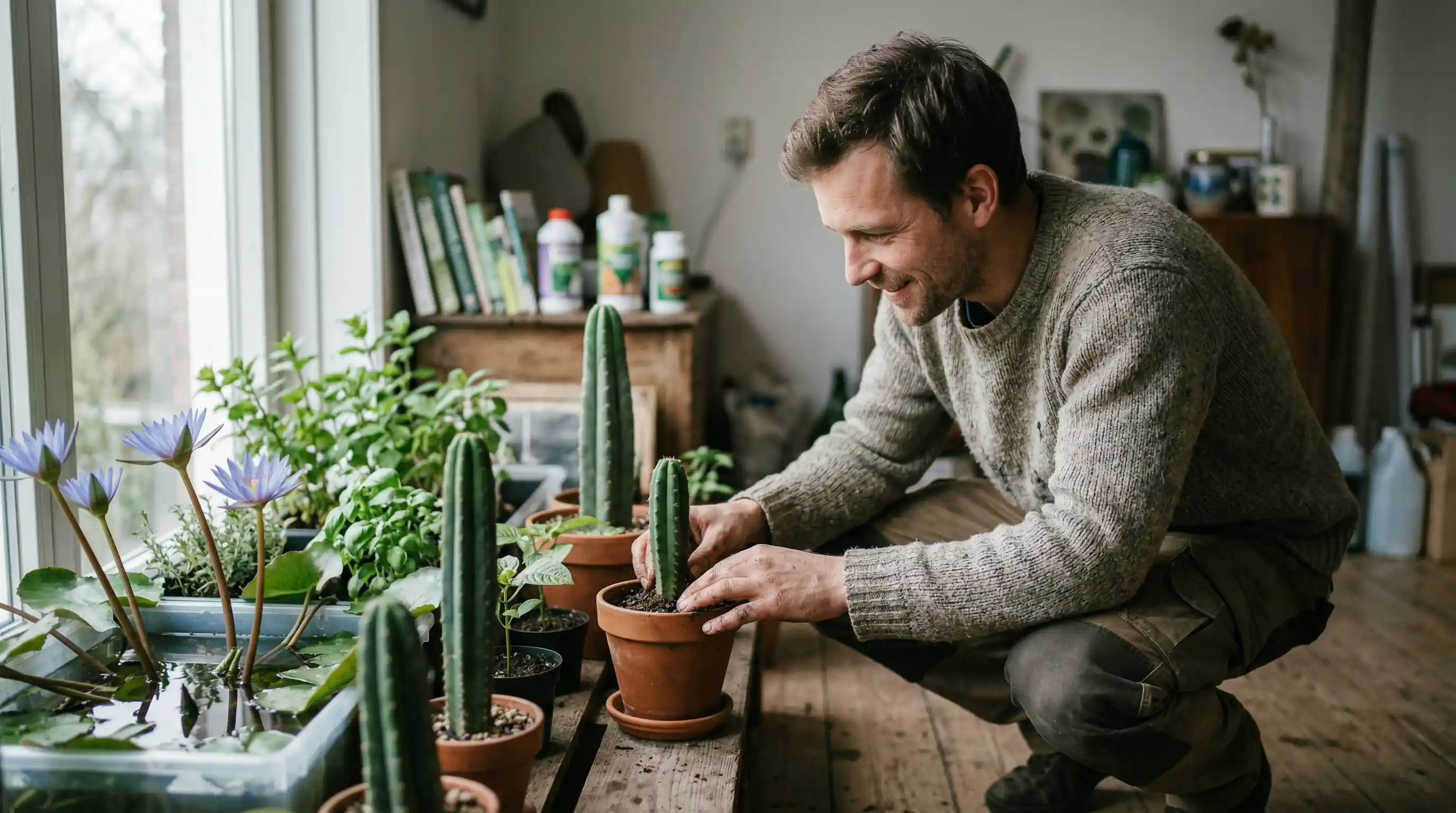
Blue Lotus (Nymphaea caerulea) stands as one of the most sought-after legal herbs for home cultivation. This ancient Egyptian sacred flower thrives in aquatic environments, making it perfect for Dutch water-loving gardeners. To successfully grow Blue Lotus, you'll need a large container or pond setup with at least 30 centimeters of water depth.
Start by placing lotus seeds in warm water for 24-48 hours before planting in aquatic soil. Position containers in areas receiving 6-8 hours of direct sunlight daily. During Dutch winters, consider moving containers indoors or using greenhouse setups. Many Amsterdam-based growers have found success using heated aquariums during colder months.
The flowering period typically occurs from June through September in Dutch conditions, producing the characteristic blue petals prized for their traditional uses. Harvest flowers early in the morning when they're fully opened for optimal potency.
San Pedro Cactus: Desert Beauty in Dutch Homes
San Pedro (Echinopsis pachanoi) represents another fascinating legal specimen that adapts surprisingly well to Dutch indoor conditions. This columnar cactus, native to South American highlands, requires minimal water and thrives in well-draining soil mixtures.
For Dutch growers, San Pedro cultivation works best indoors year-round or in heated greenhouses. Use a soil mixture combining regular potting soil with sand and perlite in equal parts. Place containers near south-facing windows in cities like Eindhoven or Groningen to maximize light exposure during shorter winter days.
Watering should be minimal – approximately once every two weeks during growing season (April-September) and monthly during winter dormancy. San Pedro grows slowly but steadily, often reaching impressive heights over several years. Many Dutch collectors appreciate these cacti as both living sculptures and conversation pieces.
Essential Growing Conditions for Dutch Climates
Successful herb cultivation in the Netherlands requires understanding local climate patterns and adapting growing techniques accordingly. The country's maritime climate brings consistent moisture levels, which benefits some species while requiring careful drainage management for others.
Indoor growing setups work exceptionally well for most legal herbs, especially in urban areas like The Hague where outdoor space may be limited. Invest in quality LED grow lights to supplement natural sunlight during darker months. Full-spectrum lights running 12-16 hours daily can maintain healthy growth throughout winter.
Temperature control becomes crucial for tropical species. Maintain indoor temperatures between 18-24°C for optimal growth. Many Dutch growers use small space heaters or heating mats during colder periods.
Soil and Nutrition Management
Dutch garden centers offer excellent organic soil mixtures suitable for herb cultivation. Look for well-draining potting soils with added perlite or vermiculite. Avoid heavy clay soils that retain too much moisture, as these can lead to root rot in many herb species.
Organic fertilizers work best for legal herb cultivation. Fish emulsion, compost tea, and worm castings provide gentle nutrition without chemical buildup. Apply fertilizers monthly during active growing seasons (April through September) and reduce feeding during winter dormancy.
Water quality matters significantly in Dutch urban areas. Amsterdam and Rotterdam tap water contains chlorine that can stress sensitive plants. Allow water to sit overnight before use, or invest in simple carbon filtration systems.
Harvesting and Processing Techniques
Proper harvesting ensures maximum potency and sustainable plant health. For flowering herbs like Blue Lotus, harvest during peak bloom periods in early morning hours. Cut stems cleanly with sharp scissors, leaving enough plant material for continued growth.
Drying techniques vary by species but generally involve hanging harvested material in well-ventilated, dark spaces. Dutch humidity levels require extra attention to prevent mold development. Use fans or dehumidifiers in drying areas, especially during wet autumn months.
Store dried herbs in airtight containers away from light and moisture. Glass jars with tight-fitting lids work excellently for long-term storage. Label containers with harvest dates and species information for proper rotation.
Building Community Connections
The Netherlands boasts active communities of legal herb enthusiasts, particularly in larger cities. Local gardening clubs, online forums, and specialty shops provide valuable resources for beginning growers. Many Dutch smartshops offer seeds, growing supplies, and expert advice for legal cultivation projects.
Networking with experienced growers can accelerate your learning curve while providing access to rare seeds and cuttings. Consider joining local horticultural societies or online Dutch gardening communities focused on legal herb cultivation.
Growing legal herbs at home in the Netherlands combines horticultural satisfaction with connection to traditional plant wisdom. Whether cultivating Blue Lotus in Amsterdam apartments or nurturing San Pedro cacti in Rotterdam homes, Dutch growers enjoy unique opportunities to explore botanical diversity within legal frameworks. Start small, focus on learning proper techniques, and gradually expand your collection as experience grows. The journey of home herb cultivation offers rewards far beyond the final harvest, creating lasting connections with natural cycles and plant wisdom.
Tags
home-cultivationlegal-herbsgrowing-guidenetherlandsblue-lotussan-pedrodiygardeninglegal-plants
Related Searches
Is it legal to grow San Pedro cactus in the Netherlands?What legal herbs can I grow indoors in Dutch climate?How to grow Blue Lotus flowers in Netherlands weather?Which smartshop herbs are easiest to cultivate at home?Do I need permits to grow psychoactive plants in Holland?What soil works best for legal ethnobotanicals in Netherlands?How long does San Pedro cactus take to grow in Dutch climate?Can I legally sell home-grown herbs to Dutch smartshops?What are the best legal plants for beginner growers in Netherlands?How to harvest and dry legal herbs properly in humid Dutch weather?