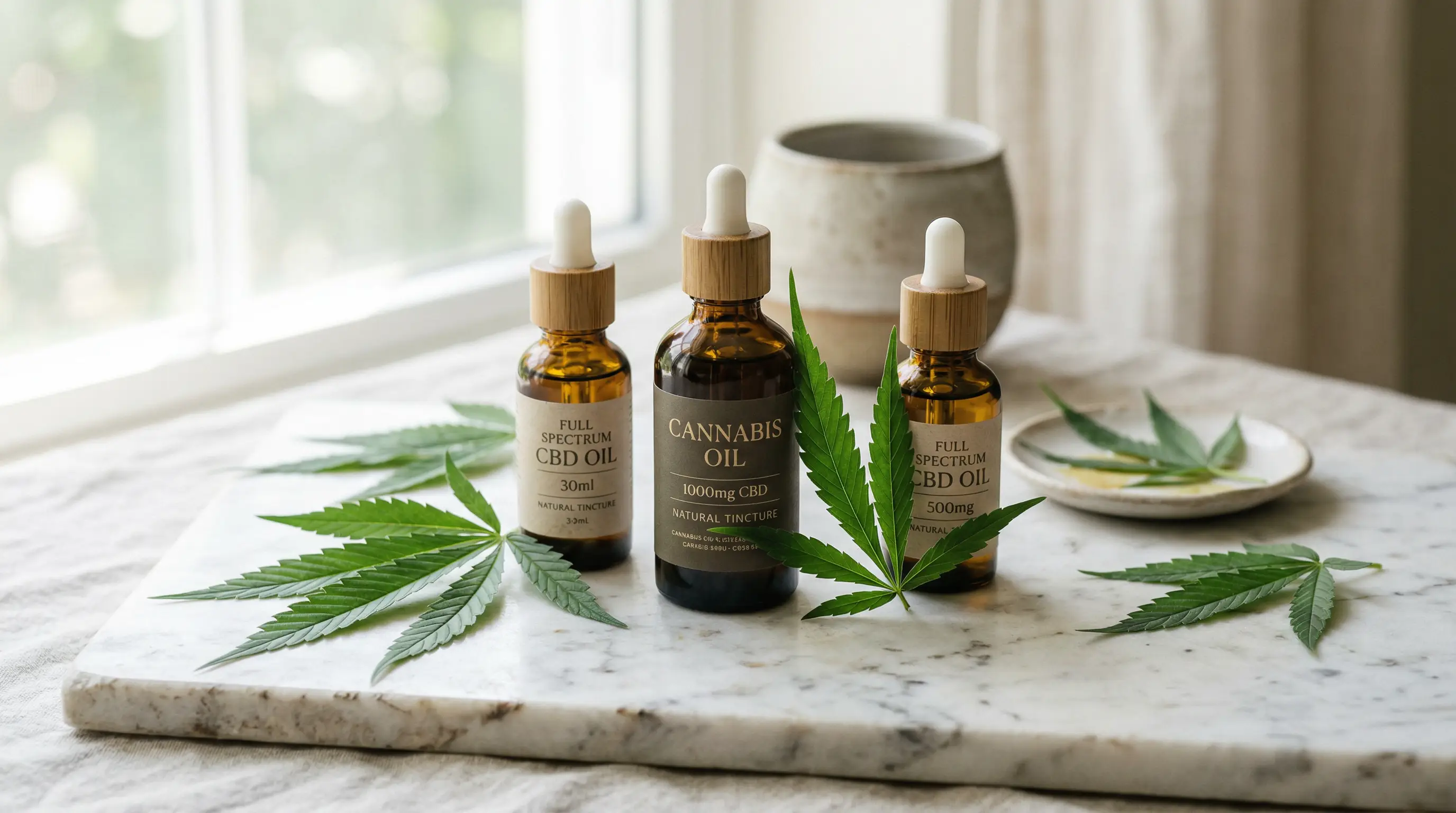
Cannabis
Beginne immer mit einer niedrigen Dosis und lies unsere Sicherheitshinweise vor der Einnahme.
Cannabis is the most widely used recreational substance in the Netherlands, legally available through licensed coffeeshops. It contains THC (tetrahydrocannabinol) and CBD (cannabidiol) and is consumed by smoking, vaping, or in edibles.

Overview
Cannabis, scientifically known as Cannabis sativa, Cannabis indica, and Cannabis ruderalis, is a flowering plant that has been used by humans for thousands of years for medicinal, recreational, and industrial purposes. The plant contains over 100 different cannabinoids, with delta-9-tetrahydrocannabinol (THC) and cannabidiol (CBD) being the most well-known and studied compounds. THC is primarily responsible for the psychoactive effects that cannabis is known for, while CBD is non-intoxicating and has gained attention for its potential therapeutic properties.
People use cannabis for a wide variety of reasons, ranging from recreational enjoyment to medical treatment. Recreational users often seek the euphoric, relaxing, or creativity-enhancing effects that cannabis can provide. The substance can alter perception, enhance sensory experiences, promote social bonding, and provide stress relief. Medical users may turn to cannabis for its potential to alleviate chronic pain, reduce nausea and vomiting associated with chemotherapy, stimulate appetite, manage epileptic seizures, reduce anxiety, and treat various other conditions.
The effects of cannabis can vary dramatically depending on the specific strain, the ratio of THC to CBD, the method of consumption, the dose, and individual factors such as tolerance, body weight, and personal sensitivity. Cannabis exists in numerous forms, from traditional dried flower that can be smoked or vaporized, to concentrated extracts, edibles, tinctures, and topical preparations. The legal status of cannabis has been evolving rapidly across many jurisdictions, with increasing recognition of both its therapeutic potential and the need for evidence-based drug policy approaches that prioritize public health and harm reduction over criminalization.
How It Works
Cannabis exerts its effects primarily through interaction with the endocannabinoid system, a complex cell-signaling system that plays a crucial role in regulating various physiological processes including mood, memory, appetite, pain sensation, and immune function. This system consists of endocannabinoids (naturally occurring compounds produced by the body), cannabinoid receptors, and enzymes that synthesize and break down endocannabinoids.
The two main types of cannabinoid receptors are CB1 and CB2 receptors. CB1 receptors are predominantly found in the brain and central nervous system, particularly in areas responsible for memory, cognition, motor control, and pain perception. CB2 receptors are primarily located in peripheral tissues and immune cells. When THC enters the body, it binds to these receptors, particularly CB1 receptors, mimicking the action of naturally occurring endocannabinoids but often with greater intensity and duration.
THC's binding to CB1 receptors in different brain regions produces various effects. In the hippocampus, it can impair short-term memory formation. In the cerebellum and basal ganglia, it affects coordination and movement. In the limbic system, it influences pleasure, mood, and emotional responses. The activation of CB1 receptors also triggers the release of dopamine in the brain's reward pathways, contributing to the pleasurable effects associated with cannabis use.
CBD works differently, having low affinity for CB1 and CB2 receptors. Instead, it appears to modulate the endocannabinoid system indirectly and interacts with various other receptor systems, including serotonin receptors, vanilloid receptors, and adenosine receptors. CBD can also inhibit the enzyme that breaks down anandamide, one of the body's natural endocannabinoids, potentially enhancing the endocannabinoid system's natural function. This complex pharmacology helps explain why CBD can have therapeutic effects without producing intoxication and why it may actually counteract some of THC's psychoactive effects when the two compounds are consumed together.
What It Looks Like
Cannabis flower, the most recognizable form of the plant, consists of the dried and cured buds of female cannabis plants. These buds typically appear as dense, resinous clusters covered in tiny, crystal-like structures called trichomes, which contain the highest concentrations of cannabinoids. The color can range from light green to deep purple, depending on the strain and growing conditions, with orange, red, or white pistils (hair-like structures) often visible throughout the bud. High-quality cannabis should have a strong, distinctive aroma that can range from earthy and skunky to fruity, citrusy, or piney, depending on the terpene profile.
Cannabis concentrates come in various forms and consistencies. Hash, one of the oldest concentrate forms, appears as a brown, black, or golden compressed block or powder. Modern extracts can range from golden, glass-like shatter to creamy, butter-like consistencies, to crystalline isolates that appear as white or clear crystals. Live resin and rosin tend to have a more sauce-like or budder consistency with rich terpene profiles that preserve the plant's original aroma.
Edible cannabis products are increasingly diverse, appearing as gummies, chocolates, baked goods, beverages, and capsules. These products should be clearly labeled with cannabinoid content and dosing information. Cannabis-infused topicals include creams, balms, and lotions that typically don't produce psychoactive effects when applied to the skin.
When purchasing cannabis, consumers should be aware of potential adulterants or quality issues. Low-quality cannabis may contain seeds, stems, or excessive amounts of leaves. More concerning adulterants can include synthetic cannabinoids, pesticides, heavy metals, or mold. Properly cured cannabis should not feel overly dry and crumbly or excessively moist and spongy. Reputable sources will often provide laboratory testing results showing cannabinoid profiles and screening for contaminants.
What to Expect
The cannabis experience varies significantly based on numerous factors, but there are common patterns that users typically report. The onset, duration, and intensity of effects depend heavily on the method of consumption. When smoking or vaporizing cannabis, effects typically begin within minutes, peak around 30 minutes to an hour, and gradually diminish over 2-4 hours. Edible cannabis has a much different timeline, with effects beginning 30 minutes to 2 hours after consumption, potentially lasting 4-8 hours or longer.
At low doses, users often report subtle changes in perception and mood. Colors may appear more vivid, music might sound richer and more detailed, and there's often an enhanced appreciation for sensory experiences. Many people experience a sense of relaxation and mild euphoria, along with increased sociability and a tendency toward laughter and humor. Creativity and introspective thinking are commonly reported, with some users finding that cannabis helps them approach problems or artistic endeavors from new perspectives.
As doses increase, the psychoactive effects become more pronounced. Users may experience alterations in time perception, where minutes can feel like hours or time seems to pass unusually quickly. Short-term memory can be significantly affected, leading to difficulty following conversations or remembering recent events. Physical effects often include dry mouth, red eyes, increased appetite (often called "the munchies"), and changes in coordination. Some users report feeling more aware of their heartbeat or experiencing mild paranoia, particularly in unfamiliar or stressful environments.
High doses can produce more intense psychological effects, including significant alterations in thought patterns, enhanced introspection that may become overwhelming, and in some cases, anxiety or panic reactions. Visual and auditory perception may be notably altered, though true hallucinations are rare with cannabis alone. Physical effects at higher doses can include significant impairment of motor coordination, dizziness, and in extreme cases, nausea or vomiting.
The specific strain and cannabinoid profile significantly influence the experience. High-THC strains tend to produce more pronounced psychoactive effects, while strains with balanced THC and CBD ratios often provide a more mellow experience with reduced anxiety potential. CBD-dominant strains typically produce minimal psychoactive effects while potentially offering relaxation and therapeutic benefits. Individual tolerance plays a crucial role, with regular users often requiring higher doses to achieve desired effects, while cannabis-naive individuals may find even small amounts quite potent.
Preparation & Consumption
Cannabis can be consumed through various methods, each offering different onset times, durations, and intensity of effects. Smoking remains one of the most common methods, typically involving rolling dried flower into joints or using pipes, bongs, or other smoking devices. While effective for rapid onset and dose control, smoking involves combustion that produces potentially harmful byproducts. Vaporization offers a healthier alternative, heating cannabis to temperatures that release cannabinoids and terpenes without combustion, typically between 180-220°C (356-428°F).
Edible consumption involves ingesting cannabis-infused foods, beverages, or capsules. This method requires careful attention to dosing, as effects are delayed and long-lasting. First-time edible users should start with 2.5-5mg of THC and wait at least two hours before considering additional consumption. The delayed onset often leads to accidental overconsumption when users don't feel immediate effects. Edibles are processed through the digestive system and liver, converting THC into 11-hydroxy-THC, which can produce different and often more intense effects than smoked cannabis.
Sublingual administration involves placing cannabis tinctures or oils under the tongue, allowing for absorption through mucous membranes. This method offers faster onset than edibles (15-45 minutes) while avoiding the respiratory risks of smoking. Topical applications of cannabis-infused creams or balms typically don't produce psychoactive effects but may provide localized relief for pain or inflammation.
Proper set and setting are crucial for a positive cannabis experience. "Set" refers to the user's mindset, including mood, expectations, and mental state, while "setting" encompasses the physical and social environment. Cannabis use is best approached in comfortable, familiar environments with trusted companions when possible. Users should avoid cannabis when feeling anxious, depressed, or stressed, as these states can be amplified. Having water, healthy snacks, and engaging activities available can enhance the experience.
Dosing guidelines vary by consumption method and individual tolerance. New users should always start with the lowest possible dose and gradually increase as needed. For smoking or vaporizing, taking one small inhalation and waiting 15-30 minutes before additional consumption allows for better dose control. Keeping a consumption journal can help users track their responses to different strains, doses, and methods.
Safety First
Cannabis use, while generally considered safer than many other psychoactive substances, still carries important safety considerations that users must understand. Individuals with personal or family histories of psychotic disorders, including schizophrenia or bipolar disorder, should exercise extreme caution or avoid cannabis entirely, as THC can potentially trigger or exacerbate these conditions, particularly in vulnerable individuals or with high-potency products.
Cardiovascular considerations are important, especially for individuals with heart conditions. Cannabis can temporarily increase heart rate and blood pressure, potentially posing risks for those with existing cardiovascular disease. People taking blood-thinning medications should consult healthcare providers, as cannabis may enhance anticoagulant effects. Cannabis can also interact with various medications, including sedatives, seizure medications, and certain antidepressants, potentially altering their effectiveness or increasing side effects.
Respiratory health concerns primarily affect those who smoke cannabis regularly. While occasional use may pose minimal risk, chronic smoking can lead to respiratory irritation, chronic cough, and increased susceptibility to respiratory infections. Vaporization or alternative consumption methods significantly reduce these risks. Pregnant and breastfeeding individuals should avoid cannabis use, as THC can cross the placental barrier and appear in breast milk, potentially affecting fetal and infant development.
Mental health considerations extend beyond psychotic disorders. Cannabis use can temporarily increase anxiety in some individuals, particularly those prone to anxiety disorders or when using high-THC products. Regular, heavy use may contribute to cannabis use disorder, characterized by difficulty controlling use despite negative consequences. Young people are particularly vulnerable to potential negative effects, as the adolescent brain continues developing until the mid-twenties, and regular cannabis use during this period may impact cognitive development and academic performance.
Quality and purity concerns highlight the importance of obtaining cannabis from reputable sources. Unregulated products may contain pesticides, heavy metals, mold, or other contaminants. In legal markets, laboratory testing typically screens for these issues, but consumers should still verify testing results and purchase from licensed dispensaries when possible. Synthetic cannabinoids, sometimes found in unregulated products, can be extremely dangerous and unpredictable.
Impairment and safety considerations are crucial for preventing accidents and legal issues. Cannabis significantly impairs driving ability, reaction times, and coordination for several hours after use. Users should never drive under the influence and should avoid operating machinery or engaging in activities requiring full cognitive function. Legal consequences vary by jurisdiction, but cannabis-impaired driving is illegal in most places and can result in serious penalties.
History & Cultural Context
Cannabis has one of the longest documented relationships with human civilization, with evidence of its use dating back thousands of years across multiple continents. Archaeological evidence suggests that cannabis was cultivated in Central Asia as early as 4000 BCE, initially for its fiber and seeds rather than its psychoactive properties. Ancient Chinese texts from around 2700 BCE describe cannabis as one of the "superior" herbs in traditional medicine, used to treat various ailments including pain, nausea, and seizures.
The plant spread throughout Asia, the Middle East, and Africa through trade routes and cultural exchange. In ancient India, cannabis became deeply integrated into religious and cultural practices, particularly within Hindu traditions where it was considered sacred to the god Shiva. The preparation known as "bhang" remains an important part of certain religious festivals and ceremonies. Islamic cultures also incorporated cannabis into both medical practice and social customs, with detailed descriptions of its effects appearing in medieval Arabic texts.
Cannabis reached Europe through various pathways, including trade with Islamic civilizations and later colonial expansion. European colonists brought cannabis to the Americas primarily for hemp production, as the strong fibers were essential for rope and sail manufacturing. Notable figures including George Washington and Thomas Jefferson grew hemp on their plantations, though primarily for industrial rather than psychoactive purposes.
The 20th century marked a dramatic shift in cannabis perception, particularly in Western societies. The early 1900s saw increasing regulation and eventual prohibition in many countries, often driven by racial prejudice, economic interests, and moral panic rather than scientific evidence. The 1936 film "Reefer Madness" exemplified the propaganda campaigns that portrayed cannabis as a dangerous drug leading to violence and moral decay. This prohibition era lasted for decades and resulted in millions of arrests and incarcerations, disproportionately affecting minority communities.
The counterculture movements of the 1960s began challenging cannabis prohibition, with advocates arguing for personal freedom and questioning the scientific basis for criminalization. Medical cannabis research, largely suppressed during prohibition, began resurging in the 1990s with discoveries about the endocannabinoid system and clinical studies demonstrating therapeutic potential. The Netherlands pioneered more liberal cannabis policies with its coffee shop system, while other countries and states began implementing medical cannabis programs and eventually recreational legalization.
Emergency Guidance
While cannabis overdoses are not typically life-threatening, users can experience uncomfortable or distressing reactions that require appropriate response and support. Recognizing the signs of cannabis overconsumption is important for providing effective assistance. Common symptoms include severe anxiety or panic attacks, paranoid thoughts, nausea and vomiting, dizziness or feeling faint, rapid heartbeat, confusion or disorientation, and in rare cases, temporary psychotic symptoms such as hallucinations or delusions.
When someone is experiencing a difficult cannabis reaction, the primary approach should focus on providing reassurance and creating a calm, safe environment. Move the person to a quiet, comfortable space away from crowds, loud noises, or bright lights. Speak in a calm, reassuring voice and remind them that what they're experiencing is temporary and will pass. Encourage slow, deep breathing exercises to help manage anxiety and panic symptoms. Offering water can help with dry mouth, but avoid giving large amounts if nausea is present.
Physical positioning is important for safety and comfort. If the person is feeling dizzy or faint, have them sit or lie down with their legs elevated to improve blood flow. If vomiting occurs, ensure they're positioned to prevent choking and have a container available. Monitor their breathing and consciousness level, ensuring they remain responsive and alert. Avoid giving them additional substances, including alcohol or other drugs, which could complicate the situation.
Certain symptoms warrant immediate medical attention and emergency services should be contacted without delay. These include loss of consciousness, difficulty breathing, chest pain, severe vomiting that prevents keeping fluids down, signs of severe dehydration, persistent high fever, or any symptoms that suggest a serious medical emergency rather than cannabis overconsumption. Additionally, if someone has consumed cannabis along with other substances, particularly alcohol or unknown drugs, medical evaluation becomes more critical.
For less severe reactions, supportive care and time are usually sufficient. Most acute cannabis effects resolve within a few hours, though edible overconsumption may last longer. Having a trusted, sober person stay with the affected individual provides important emotional support and safety monitoring. Engaging in calming activities like listening to soothing music, gentle conversation, or light physical activity can help distract from uncomfortable symptoms. If symptoms persist beyond expected timeframes or worsen significantly, don't hesitate to seek medical advice or emergency care.
Rechtsstatus in NL
Cannabis is technically illegal in the Netherlands but tolerated under the gedoogbeleid policy. Adults can purchase up to 5 grams per day from licensed coffeeshops. Possession of up to 5 grams for personal use is not prosecuted.
Verfügbar in 181 Shops in 67 Städten. Meiste Shops in Amsterdam (32), Rotterdam (13), Online (11).
Dosierungsanleitung
Erfahrungszeitlinie
Wirkungsprofil
Positive Wirkungen
Nebenwirkungen
Sicherheit & Schadensminimierung
Warnhinweise
- Start with low dose especially with edibles
- Do not drive under influence
- Can trigger anxiety in high doses
- Regular use may affect memory and motivation
- Not recommended for those under 25
Tipps zur Schadensminimierung
- Start with low doses, especially with edibles which have delayed onset
- Wait at least 2 hours before taking more edibles
- Use in a safe, comfortable environment with trusted people
- Avoid driving or operating machinery while under the influence
- Stay hydrated but avoid excessive water consumption
- Have CBD available as it may help counteract THC anxiety
- Avoid mixing with alcohol or other depressants
- Store products securely away from children and pets
- Know your source and product potency when possible
- Take breaks between use sessions to prevent tolerance buildup
Kontraindikationen
- —Psychotic disorders
- —Severe anxiety disorders
- —Pregnancy
- —Under 18
Notfallinformationen
Bei Angstzuständen oder Panik begeben Sie sich in eine ruhige Umgebung, praktizieren Sie tiefe Atemübungen und erinnern Sie sich daran, dass die Wirkung vorübergehend ist. Bleiben Sie hydriert und vermeiden Sie weitere Substanzen. Suchen Sie medizinische Hilfe auf, wenn Sie schwere Symptome wie Brustschmerzen, Atembeschwerden oder anhaltendes Erbrechen verspüren.
Wechselwirkungen
alcoholVorsicht
benzodiazepinesVorsicht
SSRIs/SNRIsVorsicht
stimulantsVorsicht
opioidsVorsicht
psychedelicsVorsicht
MAOIsVorsicht
Erfahrungsstufen
Als Cannabis-Anfänger sollten Sie erwarten, dass Ihre ersten Erfahrungen selbst bei kleinen Mengen ziemlich intensiv sein werden. Ihre Toleranz ist praktisch null, daher werden die Wirkungen ausgeprägt und möglicherweise überwältigend sein. Beginnen Sie mit nur 0,1 Gramm Blüten oder einem einzigen kleinen Zug und warten Sie mindestens 15 Minuten, bevor Sie mehr in Betracht ziehen. Sie werden wahrscheinlich eine verstärkte Sinneswahrnehmung, veränderte Zeitwahrnehmung und möglicherweise Kichern oder tiefe Entspannung erleben. Körperliche Wirkungen können trockenen Mund, rote Augen und gesteigerten Appetit umfassen. Einige Anfänger erleben leichte Angst oder Paranoia, was normal ist, aber durch Aufenthalt in einer komfortablen Umgebung bewältigt werden kann. Ihre Koordination und Reaktionszeit werden beeinträchtigt sein, vermeiden Sie daher Aktivitäten, die Konzentration oder schnelle Reaktionen erfordern. Die Erfahrung dauert beim Rauchen typischerweise 2-4 Stunden. Führen Sie ein Tagebuch Ihrer Erfahrungen, um zu verfolgen, wie verschiedene Mengen und Sorten Sie beeinflussen. Am wichtigsten ist, fühlen Sie sich nicht gedrängt, mehr zu verwenden als sich angenehm anfühlt - langsamer Toleranzaufbau führt zu besseren langfristigen Erfahrungen und reduziert das Risiko negativer Wirkungen.
Häufig Gestellte Fragen
Is cannabis legal in the Netherlands?▾
Cannabis operates under a tolerance policy (gedoogbeleid) in the Netherlands. While technically illegal, possession of up to 5 grams and consumption in licensed coffeeshops is tolerated. Growing up to 5 plants for personal use is also generally tolerated, though commercial cultivation remains illegal.
How much cannabis should I take as a beginner?▾
Start with a very small amount - around 0.1 grams of flower when smoking or vaping. For edibles, begin with 2.5-5mg THC and wait at least 2 hours before taking more. Cannabis affects everyone differently, and you can always take more but cannot take less once consumed.
What's the difference between smoking and eating cannabis?▾
Smoking or vaping cannabis provides almost immediate effects that last 2-4 hours, making it easier to control dosage. Edibles take 30-90 minutes to take effect but last 4-8 hours with more intense body effects. Many people accidentally overconsume edibles by taking more before feeling the initial dose.
Where can I legally buy cannabis in the Netherlands?▾
Cannabis can be purchased from licensed coffeeshops throughout the Netherlands. These establishments are regulated and can sell up to 5 grams per person per day. You must be 18 or older and show valid ID. Some municipalities have restrictions on coffeeshop access for tourists.
What should I expect from my first cannabis experience?▾
Effects typically include relaxation, altered perception of time, enhanced sensory experiences, and possible euphoria. You might also experience dry mouth, red eyes, increased appetite, or mild anxiety. Start in a comfortable, safe environment with trusted people and avoid important responsibilities for several hours.
Can I drive after using cannabis?▾
No, driving under the influence of cannabis is illegal and dangerous in the Netherlands. THC can impair reaction time, coordination, and judgment for several hours after use. Police can test for cannabis impairment, and penalties include fines, license suspension, and potential criminal charges.
What are the main risks of cannabis use?▾
Short-term risks include anxiety, paranoia, impaired coordination, and poor decision-making. Long-term regular use may affect memory, motivation, and respiratory health if smoked. Cannabis can also trigger or worsen mental health conditions in predisposed individuals, particularly those under 25 whose brains are still developing.
Does cannabis interact with medications?▾
Yes, cannabis can interact with various medications including blood thinners, seizure medications, and sedatives. THC and CBD can affect how your liver processes certain drugs, potentially increasing or decreasing their effectiveness. Always consult your doctor before combining cannabis with prescription medications.
Can I travel with cannabis from the Netherlands?▾
No, taking cannabis across international borders is illegal, even to countries where cannabis is legal. This includes all forms of cannabis products. Airport security and customs actively screen for cannabis, and penalties in other countries can be severe, including imprisonment.
What's the difference between THC and CBD?▾
THC is the psychoactive compound that produces the 'high' feeling, while CBD is non-psychoactive and may have therapeutic benefits. Most recreational cannabis contains both, but in varying ratios. Higher THC strains produce stronger psychoactive effects, while CBD-dominant strains offer relaxation without significant intoxication.
How long does cannabis stay in your system?▾
Cannabis can be detected in urine for 3-30 days depending on frequency of use, body fat, and metabolism. Blood tests can detect recent use for 1-7 days, while hair tests can show use for up to 90 days. Saliva tests typically detect use within 1-3 days.
What should I do if I feel too high?▾
Stay calm and remember the effects are temporary. Find a quiet, comfortable place to sit or lie down. Drink water, take slow deep breaths, and try to distract yourself with calming activities. Some people find that CBD or black pepper can help reduce THC effects, though this isn't scientifically proven.
Is it safe to mix cannabis with alcohol?▾
Combining cannabis and alcohol increases impairment and can lead to nausea, dizziness, and poor judgment. The combination can be unpredictable and may cause 'greening out' - severe nausea and discomfort. If you choose to use both, start with very small amounts and avoid driving or operating machinery.
How do I choose the right cannabis strain?▾
Consider your experience level, desired effects, and THC/CBD ratio. Indica strains typically provide relaxing body effects, while sativa strains may be more energizing. Hybrid strains combine both effects. Ask coffeeshop staff for recommendations based on your preferences and tolerance level.
Can cannabis help with medical conditions?▾
Cannabis may help with certain conditions like chronic pain, epilepsy, and nausea, but medical use should be discussed with a healthcare provider. The Netherlands has a medical cannabis program for specific conditions. Self-medication with recreational cannabis is not recommended as a substitute for proper medical treatment.
Vergleich — Cannabis
| Dimension | Cannabis | CBD |
|---|---|---|
| Intensität | 6-8/10 | 2/10 |
| Dauer | 2-4 Stunden (geraucht), 4-8 Stunden (Edibles) | 4-8 Stunden |
| Wirkungseintritt | Sofort (geraucht), 30-90 Min (Edibles) | 15-45 Minuten (sublingual) |
| Rechtsstatus NL | Geduldet (gedoogbeleid) | Vollständig legal |
| Psychoaktive Wirkungen | Starke Euphorie und veränderte Wahrnehmung | Keine psychoaktiven Wirkungen |
| Risikoprofil | Moderat (Beeinträchtigung, Abhängigkeitspotential) | Sehr niedrig (minimale Nebenwirkungen) |
| Am besten für | Erholung, Entspannung, Kreativität | Angstlinderung, Schmerzbehandlung, Wellness |
Verwandte Suchanfragen
Quellen
- Herkenham M, Lynn AB, Little MD, Johnson MR, Melvin LS, de Costa BR, Rice KC. Cannabinoid receptor localization in brain · Proceedings of the National Academy of Sciences · 1990
- Nagarkatti P, Pandey R, Rieder SA, Hegde VL, Nagarkatti M. The endocannabinoid system: an emerging key player in inflammation · Nature Reviews Immunology · 2009doi:10.1038/nri2653
- Whiting PF, Wolff RF, Deshpande S, Di Nisio M, Duffy S, Hernandez AV, Keurentjes JC, Lang S, Misso K, Ryder S, Schmidlkofer S, Westwood M, Kleijnen J. Cannabinoids for Medical Use: A Systematic Review and Meta-analysis · JAMA · 2015doi:10.1001/jama.2015.6358
- National Academies of Sciences, Engineering, and Medicine. The Health Effects of Cannabis and Cannabinoids: The Current State of Evidence and Recommendations for Research · National Academies Press · 2017
- Devinsky O, Cilio MR, Cross H, Fernandez-Ruiz J, French J, Hill C, Katz R, Di Marzo V, Jutras-Aswad D, Notcutt WG, Martinez-Orgado J, Robson PJ, Rohrback BG, Thiele E, Whalley B, Friedman D. Cannabidiol: pharmacology and potential therapeutic role in epilepsy and other neuropsychiatric disorders · Epilepsia · 2014doi:10.1111/epi.12631
- Devinsky O, Cross JH, Laux L, Marsh E, Miller I, Nabbout R, Scheffer IE, Thiele EA, Wright S. Trial of Cannabidiol for Drug-Resistant Seizures in the Dravet Syndrome · New England Journal of Medicine · 2017doi:10.1056/NEJMoa1611618
- Hall W, Degenhardt L. Cannabis use and mental health: a review of the evidence · Australian & New Zealand Journal of Psychiatry · 2009doi:10.1080/00048670902970624
- Volkow ND, Baler RD, Compton WM, Weiss SR. Adverse health effects of marijuana use · New England Journal of Medicine · 2014doi:10.1056/NEJMra1402309
- Pacher P, Bátkai S, Kunos G. The endocannabinoid system and its therapeutic exploitation · Nature Reviews Drug Discovery · 2006doi:10.1038/nrd2087
Haftungsausschluss: Diese Informationen dienen ausschliesslich Bildungszwecken und stellen keine medizinische Beratung dar. Konsultieren Sie immer einen qualifizierten Arzt, bevor Sie eine Substanz verwenden. Bei Nebenwirkungen wenden Sie sich an Ihren Arzt oder rufen Sie 112 an.