Microdosing in den Niederlanden: Ein vollständiger praktischer Leitfaden für 2026
Wichtigste Erkenntnisse
- ✓Psilocybin-Trüffel sind in den Niederlanden legal und über lizenzierte Smartshops erhältlich
- ✓Beginnen Sie mit niedrigen Dosen (0,1-0,2g) und steigern Sie schrittweise
- ✓Das Fadiman-Protokoll (jeden dritten Tag) ist der empfohlene Dosierungsplan
- ✓Führen Sie ein Tagebuch, um Effekte und Nebenwirkungen zu verfolgen
- ✓Konsultieren Sie einen Arzt bei Medikamenteneinnahme oder psychischen Vorerkrankungen
Introduction
Microdosing has evolved from a niche practice to a mainstream wellness trend, and the Netherlands continues to be at the forefront of this movement. As we enter 2026, the landscape of microdosing in the Netherlands offers unique opportunities and considerations for both newcomers and experienced practitioners. The country's progressive drug policies and thriving smartshop culture have created an environment where responsible psychedelic use can flourish under proper guidance and legal frameworks.
The practice of microdosing has gained significant scientific attention in recent years, with researchers at institutions like Leiden University and the University of Amsterdam conducting groundbreaking studies on the therapeutic potential of sub-perceptual doses of psychedelics. This research, combined with the Netherlands' tolerant approach to psychoactive substances, has positioned the country as a global leader in psychedelic wellness and harm reduction.
Understanding Microdosing: The Science and Philosophy
Microdosing involves taking sub-perceptual doses of psychoactive substances, typically 5-10% of a full recreational dose. The goal is to experience subtle cognitive and emotional benefits without the intense effects associated with larger doses. Common substances used for microdosing include psilocybin mushrooms, LSD, and various research chemicals, though in the Netherlands, psilocybin truffles have become the gold standard due to their legal status and consistent potency.
The practice aims to enhance creativity, focus, emotional well-being, and overall life satisfaction while maintaining full functionality in daily activities. Users often report improved mood, increased energy, better problem-solving abilities, and enhanced social connections. The underlying mechanism is believed to involve the activation of serotonin 2A receptors in the brain, which can promote neuroplasticity and enhance cognitive flexibility without producing the hallucinations associated with higher doses.
Research conducted by Dr. Kim Kuypers at Maastricht University has shown that microdosing can lead to measurable improvements in creative thinking and problem-solving abilities. These studies have provided scientific validation for what many practitioners have reported anecdotally: that regular microdosing can enhance cognitive performance and emotional resilience.
The Legal Landscape in the Netherlands 2026
The Netherlands maintains its progressive stance on drug policy, though the legal landscape for microdosing remains complex and nuanced. Psilocybin truffles continue to be legal and readily available through licensed smartshops, making them the most accessible option for Dutch microdosers. These truffles contain the same active compounds as magic mushrooms but remain legal due to a regulatory distinction that dates back to 2008 when fresh mushrooms were banned but truffles were overlooked in the legislation.
While dried psilocybin mushrooms remain prohibited, fresh mushrooms exist in a legal gray area that continues to evolve. The Dutch government's approach has been to focus on regulation rather than prohibition, emphasizing harm reduction and public health over criminalization. This pragmatic approach has allowed for the development of a robust infrastructure for safe psychedelic use.
LSD and most synthetic psychedelics remain controlled substances under the Opium Act, though enforcement priorities have shifted toward harm reduction rather than criminalization of personal use. The Dutch Public Prosecution Service has indicated that small-scale personal use is not a priority for law enforcement, focusing instead on trafficking and commercial distribution.
It's crucial to stay informed about current regulations, as drug laws can change. The government has established the Trimbos Institute as a key resource for drug policy information and harm reduction guidance. Always purchase from licensed establishments and avoid illegal substances to ensure both safety and legal compliance.
Choosing Your Microdosing Substance: A Comprehensive Guide
For beginners in the Netherlands, psilocybin truffles offer the safest and most legal starting point for microdosing. These naturally occurring sclerotia contain psilocybin and psilocin, the same active compounds found in magic mushrooms, but with more predictable potency and legal availability. The most common varieties available in Dutch smartshops include Psilocybe tampanensis (Philosopher's Stones), Psilocybe mexicana, and Psilocybe atlantis.
Each variety offers slightly different effects and potency levels. Psilocybe tampanensis is often recommended for beginners due to its mild and predictable effects, while Psilocybe atlantis tends to be more potent and better suited for experienced users. The choice of variety should be based on individual sensitivity, experience level, and desired outcomes.
When selecting truffles for microdosing, quality and freshness are paramount. Reputable smartshops in the Netherlands maintain strict quality control standards, storing truffles at optimal temperatures and providing detailed information about potency and effects. Look for establishments that offer guidance on dosing and preparation, as these factors significantly impact the microdosing experience.
Other substances sometimes used for microdosing include various nootropics and plant medicines available in Dutch smartshops. Kanna (Sceletium tortuosum) has gained popularity as a legal alternative that can provide mood enhancement and stress reduction. Lion's Mane mushrooms, while not psychoactive, are often incorporated into microdosing protocols for their cognitive benefits and neuroprotective properties.
Dosing Protocols and Best Practices
Successful microdosing requires careful attention to dosing, timing, and individual response. The most widely adopted protocol is the Fadiman Protocol, developed by psychedelic researcher James Fadiman. This involves taking a microdose every third day (Day 1: dose, Day 2: off, Day 3: off, Day 4: dose), allowing time for tolerance to reset while maintaining consistent benefits.
For psilocybin truffles, a typical microdose ranges from 0.2 to 0.5 grams of fresh truffles, though individual sensitivity varies significantly. It's essential to start with the lowest possible dose and gradually increase if needed. Many experienced microdosers recommend beginning with 0.1 grams and increasing by 0.05-0.1 grams until the optimal dose is found.
Timing is crucial for microdosing success. Most practitioners take their dose in the morning, allowing the effects to integrate throughout the day while avoiding potential sleep disruption. Taking the dose with a light meal can help reduce any gastrointestinal discomfort, though some prefer dosing on an empty stomach for faster onset.
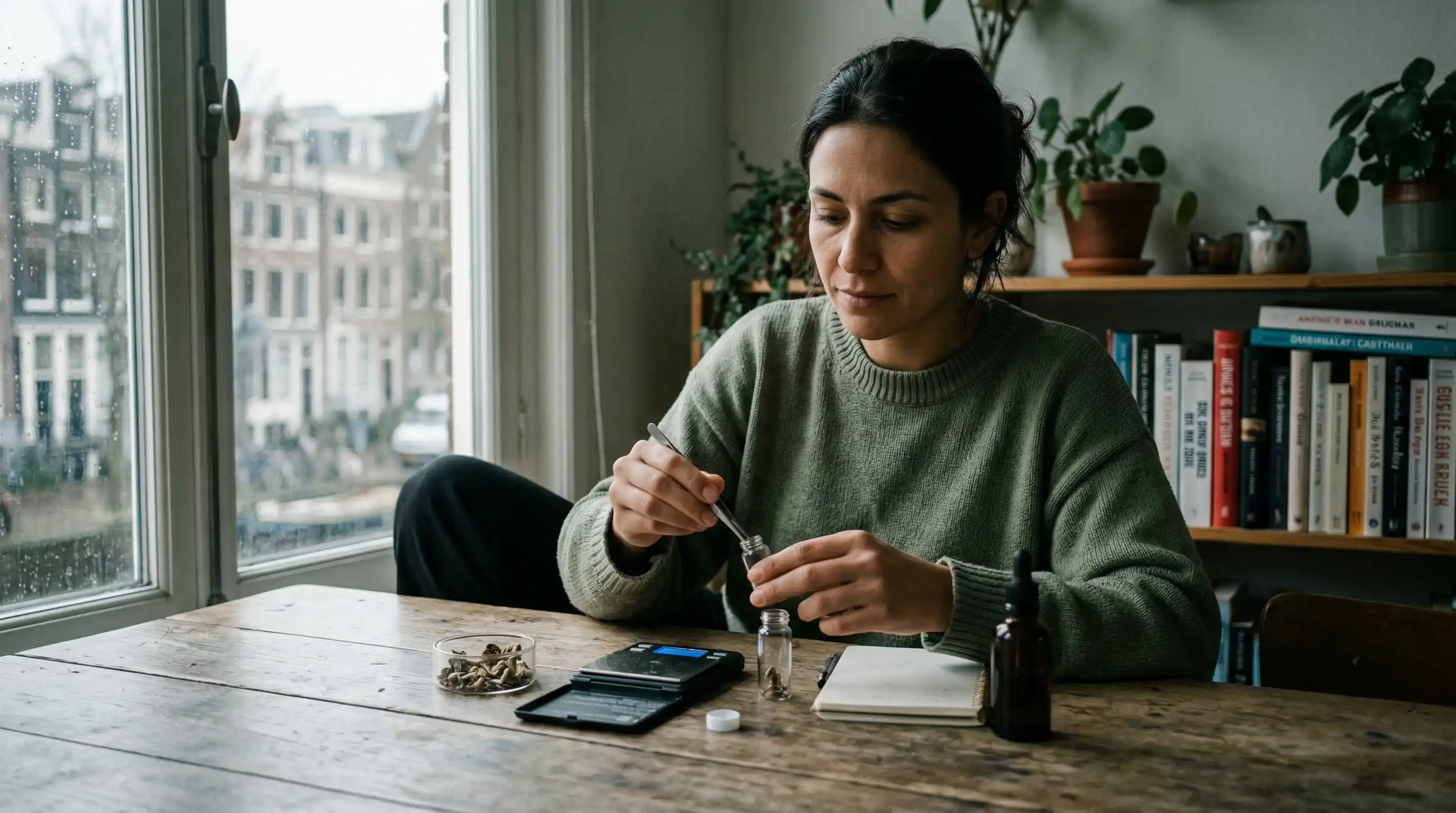
Keeping a detailed journal is invaluable for tracking effects, mood changes, and optimal dosing. Many Dutch microdosers use apps or simple notebooks to record their experiences, noting factors like sleep quality, mood, creativity, and any side effects. This data helps refine the protocol and identify patterns that contribute to positive outcomes.
Preparing for Your Microdosing Journey
Proper preparation is essential for a successful microdosing experience. This begins with setting clear intentions and understanding what you hope to achieve through the practice. Common goals include enhanced creativity, improved mood, better focus, or personal growth. Having clear intentions helps guide the experience and provides a framework for evaluating progress.
Creating a supportive environment is equally important. This includes having a safe, comfortable space for dosing and ensuring that your schedule allows for any unexpected effects. While microdoses are sub-perceptual, individual sensitivity varies, and first-time users should avoid important meetings or driving until they understand their response.
Education and preparation also involve understanding potential interactions with medications and health conditions. Psilocybin can interact with certain antidepressants, particularly SSRIs, potentially reducing effectiveness or causing adverse reactions. Anyone taking prescription medications should consult with a healthcare provider familiar with psychedelics before beginning a microdosing protocol.
Integration and Lifestyle Considerations
Microdosing is most effective when integrated into a holistic wellness approach. This includes maintaining healthy sleep patterns, regular exercise, proper nutrition, and stress management practices. Many successful microdosers combine their protocol with meditation, yoga, or other mindfulness practices that complement the subtle effects of psilocybin.
The Dutch wellness community has embraced this integrative approach, with many smartshops offering workshops and guidance on combining microdosing with other wellness practices. These educational programs help users maximize benefits while minimizing risks, creating a supportive community around responsible psychedelic use.
Integration also involves being mindful of tolerance and avoiding dependency. While psilocybin is not physically addictive, psychological dependence can develop if microdosing becomes a crutch rather than a tool for growth. Regular breaks from the protocol, typically every 6-8 weeks, help maintain effectiveness and prevent habituation.
Safety Considerations and Harm Reduction
Safety should always be the primary concern when microdosing. This begins with sourcing substances from reputable, licensed smartshops that maintain quality control standards. In the Netherlands, licensed establishments are required to follow strict guidelines for storage, handling, and customer education.
Understanding contraindications is crucial for safe microdosing. People with certain mental health conditions, particularly those with a history of psychosis or bipolar disorder, should avoid psychedelics entirely. Additionally, those taking certain medications, especially MAOIs or lithium, face serious interaction risks.
Harm reduction also involves recognizing when microdosing isn't working or is causing problems. Signs that a protocol should be discontinued include increased anxiety, sleep disruption, or any concerning psychological effects. The Dutch harm reduction organization Jellinek provides resources and support for anyone experiencing difficulties with psychoactive substances.
The Future of Microdosing in the Netherlands
As we look toward the future, the Netherlands continues to lead in psychedelic research and policy development. The government has shown interest in expanding access to psychedelic therapies, with pilot programs exploring the therapeutic use of psilocybin for depression and PTSD. These developments may further legitimize microdosing and expand access to guided protocols.
The smartshop industry in the Netherlands has evolved to meet growing demand for microdosing products and education. Many establishments now offer specialized microdosing kits, educational materials, and ongoing support for practitioners. This infrastructure supports safe, informed use while contributing to the growing body of real-world data on microdosing benefits and risks.
Research institutions across the Netherlands continue to study microdosing, with ongoing studies examining optimal dosing protocols, long-term effects, and potential therapeutic applications. This research will likely inform future policy decisions and contribute to the global understanding of psychedelic medicine.
Conclusion
Microdosing in the Netherlands offers a unique opportunity to explore the benefits of psychedelics within a supportive legal and cultural framework. The country's progressive approach to drug policy, combined with a robust smartshop infrastructure and ongoing research, creates an ideal environment for responsible psychedelic use.
Success with microdosing requires careful preparation, attention to dosing and timing, and integration with broader wellness practices. By following established protocols, sourcing from reputable suppliers, and maintaining a focus on safety and harm reduction, practitioners can explore the potential benefits of microdosing while minimizing risks.
As the field continues to evolve, the Netherlands remains at the forefront of psychedelic research and policy development. This positions Dutch microdosers to benefit from the latest scientific insights while contributing to the growing understanding of how these powerful substances can support human wellbeing and personal growth.
Tags
Häufig Gestellte Fragen
Ist Microdosing in den Niederlanden legal?▾
Microdosing mit Psilocybin-Trüffeln ist in den Niederlanden völlig legal, da Trüffel in lizenzierten Smartshops gekauft werden können. Andere Substanzen wie LSD bleiben jedoch kontrolliert, obwohl die Durchsetzung des persönlichen Gebrauchs keine Priorität für niederländische Behörden ist.
Wie viel sollte ich für meine erste Mikrodosis nehmen?▾
Anfänger sollten mit 0,1-0,2 Gramm frischer Psilocybin-Trüffel beginnen und schrittweise um 0,05-0,1 Gramm erhöhen, bis sie ihre optimale Dosis finden. Die individuelle Empfindlichkeit variiert erheblich, daher ist ein niedriger Einstieg für die Sicherheit entscheidend.
Wie oft sollte ich microdosen?▾
Das beliebteste Protokoll ist das Fadiman-Protokoll: Dosierung jeden dritten Tag (Tag 1: Dosis, Tag 2: frei, Tag 3: frei, Tag 4: Dosis). Dieser Zeitplan verhindert Toleranzaufbau und erhält gleichzeitig konsistente Vorteile während der Woche.
Kann Psilocybin mit Medikamenten interagieren?▾
Psilocybin kann mit bestimmten Antidepressiva, insbesondere SSRIs, interagieren und möglicherweise die Wirksamkeit reduzieren oder unerwünschte Reaktionen verursachen. Konsultieren Sie immer einen Arzt, wenn Sie Medikamente einnehmen.