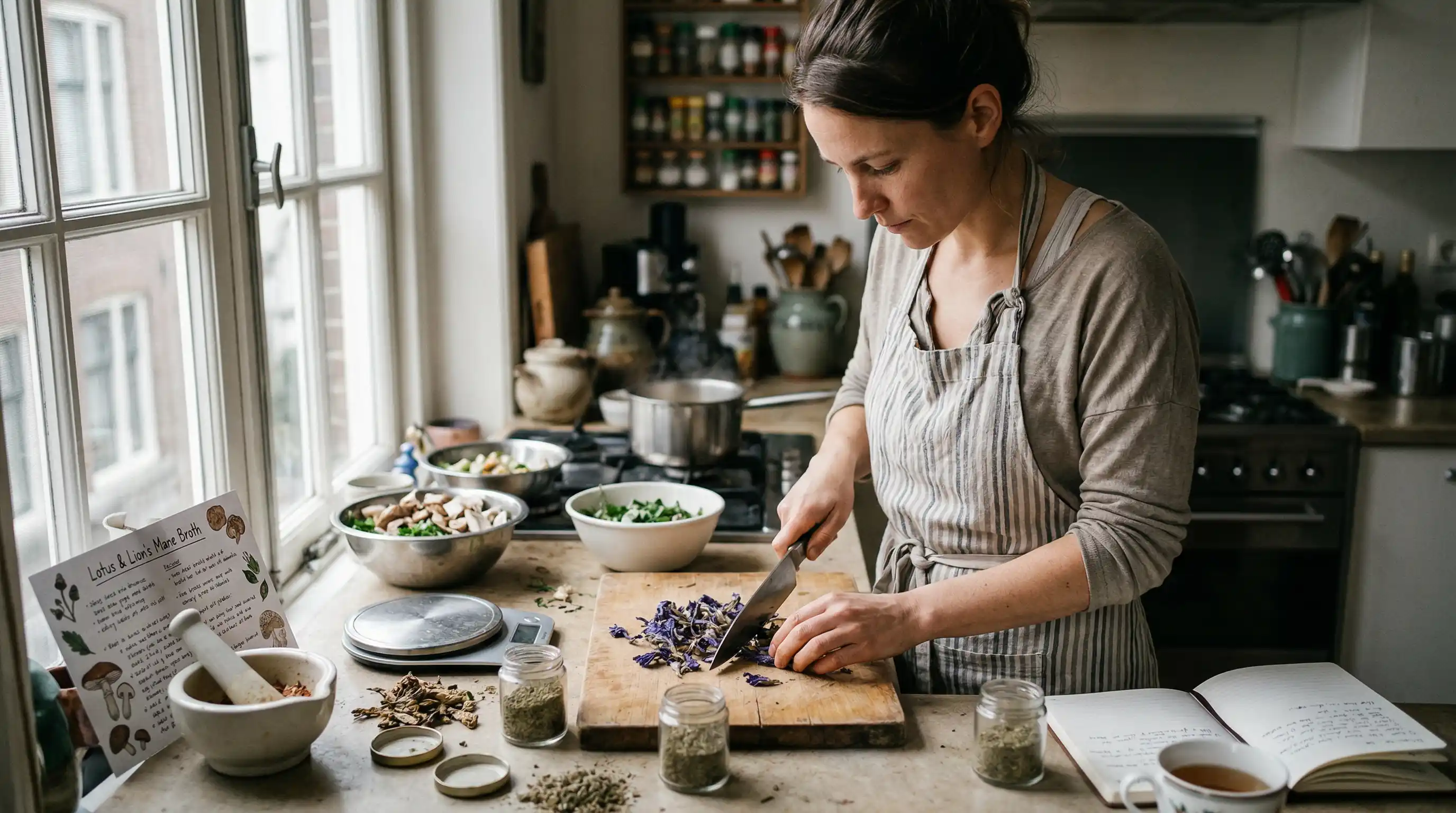
Kochen mit legalen Kräutern: Niederländischer Smartshop-Rezeptführer
Wichtigste Erkenntnisse
- ✓Niederländische Smartshops bieten legale, qualitätsgesicherte Kräuter für kulinarische Zwecke
- ✓Beginnen Sie immer mit kleinen Mengen neuer Kräuter und steigern Sie allmählich
- ✓Ordnungsgemäße Lagerung in luftdichten Glasbehältern erhält Potenz und Geschmack
- ✓Recherchieren Sie jedes Kraut gründlich vor der Verwendung und konsultieren Sie bei Bedenken einen Arzt
- ✓Experimentieren Sie mit einfachen Kombinationen, bevor Sie zu komplexeren Mischungen übergehen
Introduction
The Netherlands has long been recognized as a progressive nation when it comes to herbal culture and natural wellness practices. From the bustling smartshops of Amsterdam to the quiet herb gardens of Utrecht, Dutch consumers have embraced the culinary potential of legal herbs available through licensed smartshops. This comprehensive guide explores how to safely and effectively incorporate these botanical treasures into your kitchen repertoire, transforming everyday meals into wellness-focused culinary experiences.
Cooking with legal herbs represents more than just adding flavor to food—it's about connecting with traditional knowledge, supporting sustainable practices, and exploring the rich intersection between nutrition and natural wellness. The Dutch smartshop scene provides an ideal foundation for this exploration, offering quality-assured herbs within a well-regulated framework that prioritizes consumer safety and education.
Understanding Legal Herbs in the Dutch Context
The Dutch approach to herbal regulation creates a unique environment where many beneficial plants remain legally accessible through smartshops. Unlike many other European countries, the Netherlands maintains clear distinctions between controlled substances and legal botanical products. This regulatory framework allows smartshops to offer a diverse range of culinary herbs that can enhance both flavor and wellness in your cooking.
Popular legal herbs available in Dutch smartshops include damiana, blue lotus, wild dagga, passionflower, and various mint varieties. Each of these herbs brings distinct flavors and traditional uses to the culinary table. Cities like Amsterdam, Rotterdam, and The Hague host numerous reputable smartshops where these ingredients can be sourced with confidence in their quality and legality.
The legal status of these herbs stems from centuries of traditional use and modern scientific understanding of their properties. Dutch authorities recognize that many plants offer legitimate culinary and wellness benefits without posing significant public health risks. This progressive stance has made the Netherlands a hub for herbal innovation and education, attracting enthusiasts from across Europe who seek quality botanical products.
When sourcing herbs from Dutch smartshops, consumers benefit from strict quality control measures, proper labeling requirements, and knowledgeable staff who can provide guidance on safe usage. This regulatory environment ensures that culinary herbs meet food safety standards while maintaining their traditional properties and effectiveness.
Essential Preparation Techniques
Before incorporating smartshop herbs into your cooking, proper preparation is crucial for both safety and optimal results. Always purchase from licensed Dutch smartshops that provide clear labeling and quality assurance. These establishments are required to maintain detailed records of their products and can provide certificates of analysis when requested.
Store dried herbs in airtight containers away from direct sunlight to maintain potency and flavor. Glass jars with tight-fitting lids work best, as they prevent moisture absorption and protect against light degradation. Label each container with the herb name, purchase date, and any specific storage instructions provided by the smartshop.
When working with new herbs, start with small quantities to understand their flavor profiles and effects. Many legal herbs have subtle tastes that can be overpowering if used excessively. Create a dedicated workspace in your kitchen for herb preparation, ensuring all utensils are clean and dry. This prevents cross-contamination and maintains the integrity of your botanical ingredients.
Proper grinding and processing techniques can significantly impact the effectiveness of herbal preparations. Invest in a quality herb grinder or mortar and pestle specifically designated for culinary herbs. Avoid using the same equipment for different types of herbs without thorough cleaning, as residual flavors can affect subsequent preparations.
Soothing Herbal Tea Blends
One of the most accessible ways to begin cooking with legal herbs is through tea preparation. Herbal teas offer a gentle introduction to botanical flavors while providing an excellent foundation for understanding how different herbs interact with heat and water extraction.
Damiana makes an excellent base for relaxing evening teas, offering a slightly bitter, aromatic flavor that pairs well with sweeter herbs like blue lotus. To prepare a basic damiana tea, use one teaspoon of dried herb per cup of hot water, steeping for 5-7 minutes. The resulting brew has a golden color and earthy taste that many find naturally calming.
Blue lotus adds a delicate floral note to tea blends and has been used traditionally for its mild relaxing properties. This beautiful herb can be combined with chamomile and lavender for a bedtime blend that promotes restful sleep. Use half a teaspoon of blue lotus petals per cup, as the flavor can become overwhelming with larger quantities.
Passionflower creates wonderfully fragrant teas with a mild, grassy flavor that complements fruit-based blends. This herb works particularly well in cold-brew preparations, where its subtle taste can develop slowly over several hours. Combine passionflower with mint and lemon balm for a refreshing afternoon tea that supports relaxation without causing drowsiness.
When creating custom tea blends, consider the extraction times of different herbs. Delicate flowers like blue lotus require shorter steeping times, while woody herbs like damiana benefit from longer extraction periods. Experiment with different ratios and steeping methods to discover your preferred flavor profiles.
Savory Herb-Infused Dishes
Incorporating legal herbs into savory cooking opens up exciting possibilities for flavor enhancement and nutritional benefits. Many smartshop herbs complement traditional culinary spices and can be seamlessly integrated into everyday recipes.
Wild dagga, also known as lion's tail, offers a unique flavor profile that works well in Mediterranean-style dishes. Its slightly bitter, minty taste pairs excellently with tomato-based sauces and grilled vegetables. Add finely chopped wild dagga leaves to pasta sauces during the last few minutes of cooking to preserve their delicate flavor compounds.
Damiana can be used as a seasoning for roasted meats and vegetables, providing an earthy complexity that enhances savory dishes. Create an herb rub by combining ground damiana with traditional spices like rosemary, thyme, and black pepper. This mixture works particularly well with lamb and root vegetables, adding depth without overwhelming the natural flavors of the ingredients.
Mint varieties available through smartshops often include unique cultivars not found in regular grocery stores. These specialty mints can transform simple dishes into gourmet experiences. Use fresh mint leaves in grain salads, yogurt-based sauces, and vegetable dishes for bright, refreshing flavors that complement heavier ingredients.
When cooking with herbs in savory applications, timing is crucial. Add delicate herbs toward the end of cooking to preserve their volatile compounds, while heartier herbs can withstand longer cooking times. Always taste as you go, adjusting quantities based on the specific potency of your herbs and personal preferences.
Sweet Treats and Desserts
Herbal desserts represent an often-overlooked application for smartshop herbs, offering opportunities to create unique sweet treats that provide both pleasure and wellness benefits. Many legal herbs complement traditional dessert flavors while adding interesting complexity to familiar recipes.
Blue lotus petals make stunning additions to shortbread cookies and sugar cookies, providing both visual appeal and subtle floral notes. Grind dried petals into a fine powder and incorporate into cookie dough at a ratio of one teaspoon per dozen cookies. The resulting treats have a beautiful blue-speckled appearance and delicate taste that pairs well with vanilla and almond flavors.
Damiana can be infused into chocolate desserts, where its earthy bitterness complements dark chocolate's natural intensity. Create damiana-infused chocolate truffles by steeping the herb in warm cream before mixing with chocolate. Strain out the plant material before combining with chocolate to achieve a smooth texture while retaining the herbal essence.
Passionflower works beautifully in fruit-based desserts, particularly those featuring berries or stone fruits. Infuse passionflower into simple syrups for drizzling over cakes and pastries, or incorporate into fruit compotes for a sophisticated flavor profile. The herb's natural sweetness reduces the need for added sugars while providing subtle complexity.
When baking with herbs, consider how heat affects their properties. Some compounds are heat-sensitive and may be destroyed during high-temperature baking, while others become more bioavailable through cooking. Experiment with different incorporation methods, such as infusing liquids versus adding dried herbs directly to batters.
Safety Considerations and Best Practices
Safe herbal cooking requires understanding both the properties of individual herbs and their potential interactions with medications or health conditions. While the herbs available through Dutch smartshops are legal and generally recognized as safe for culinary use, responsible consumption practices remain essential.
Always research any new herb before incorporating it into your cooking routine. Understand recommended dosages, potential side effects, and any contraindications with medications you may be taking. Pregnant and nursing women should exercise particular caution and consult healthcare providers before using herbal preparations.
Start with small quantities when trying new herbs, allowing your body to adjust to their effects. Keep detailed records of what you use and how you respond, noting any positive or negative reactions. This information becomes valuable for future cooking decisions and can help identify optimal dosages for your individual needs.
Quality sourcing remains paramount for safe herbal cooking. Purchase only from reputable Dutch smartshops that can provide information about their suppliers and testing procedures. Avoid herbs of unknown origin or those sold without proper labeling, as these may contain contaminants or adulterants.
Store prepared herbal foods properly to maintain safety and potency. Most herbal preparations should be consumed within a few days of preparation and stored in refrigerated conditions. Label all herbal foods clearly, especially when sharing with others who may have allergies or sensitivities.
Building Your Herbal Kitchen
Creating a well-equipped herbal kitchen enhances both the safety and enjoyment of cooking with legal herbs. Invest in quality tools and storage solutions that support proper herb handling and preparation techniques.
Essential equipment includes dedicated herb grinders, fine-mesh strainers for tea preparation, glass storage containers with airtight seals, and measuring tools for accurate dosing. Consider purchasing a small digital scale for precise measurements, as herbal potency can vary between batches and suppliers.
Organize your herb collection systematically, grouping similar herbs together and maintaining clear labeling systems. Include purchase dates, supplier information, and any specific storage requirements on your labels. This organization system prevents confusion and ensures you use herbs while they remain fresh and potent.
Develop relationships with knowledgeable staff at your local smartshops, as they can provide valuable guidance on new products, seasonal availability, and preparation techniques. Many experienced smartshop employees have extensive knowledge about herbal applications and can suggest combinations or methods you might not have considered.
Keep a cooking journal to track your herbal experiments, noting successful combinations, preferred dosages, and any observations about effects or flavors. This record becomes an invaluable resource for refining your techniques and developing signature recipes that reflect your personal preferences and wellness goals.
Tags
Häufig Gestellte Fragen
Sind Kräuter aus niederländischen Smartshops zum Kochen sicher?▾
Ja, Kräuter aus lizenzierten niederländischen Smartshops sind legal und generell sicher für kulinarische Zwecke, wenn sie von seriösen Einrichtungen bezogen werden. Diese Shops arbeiten unter strengen Vorschriften und Qualitätskontrollmaßnahmen.
Wie viel legale Kräuter sollte ich beim Kochen verwenden?▾
Beginnen Sie mit kleinen Mengen, typischerweise 1/4 bis 1/2 Teelöffel getrocknetes Kraut pro Portion, und passen Sie basierend auf Geschmack und gewünschten Effekten an. Verschiedene Kräuter haben unterschiedliche Potenzen.
Kann ich verschiedene legale Kräuter in Rezepten kombinieren?▾
Ja, viele legale Kräuter können sicher in Kochanwendungen kombiniert werden. Beginnen Sie mit einfachen Zwei-Kräuter-Kombinationen, um zu verstehen, wie Aromen interagieren.
Wie lagere ich getrocknete Kräuter richtig?▾
Lagern Sie getrocknete Kräuter in luftdichten Glasbehältern fern von direktem Sonnenlicht und Feuchtigkeit. Beschriften Sie jeden Behälter mit Name, Datum und Lagerungsanweisungen.